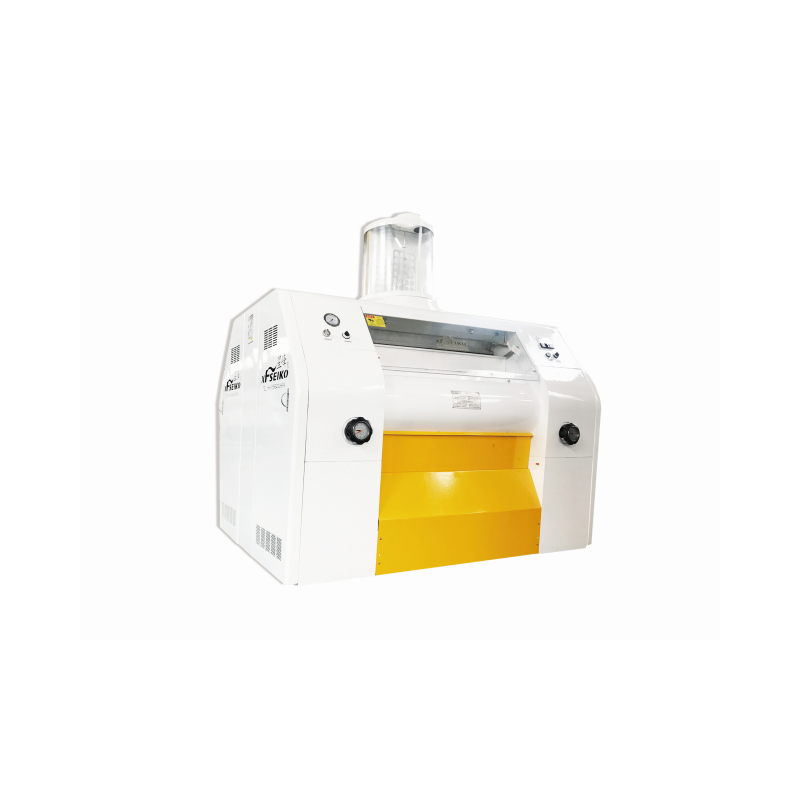
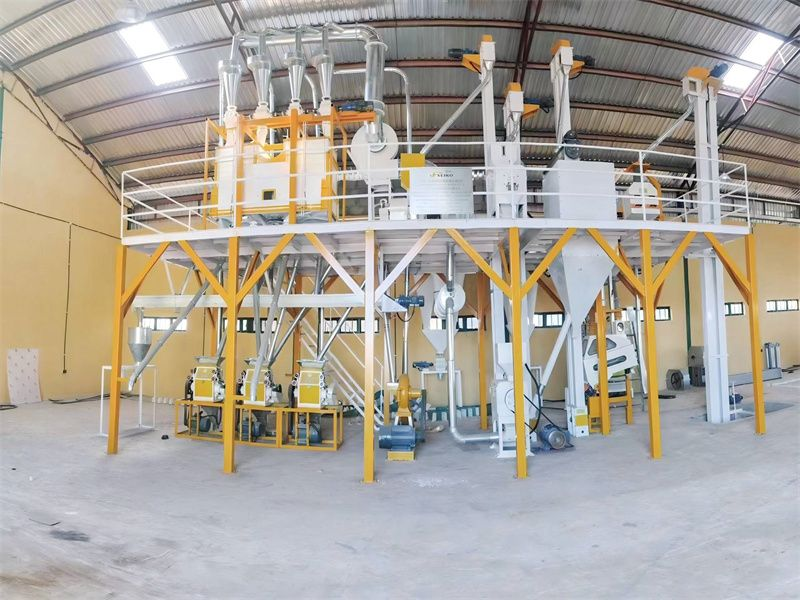
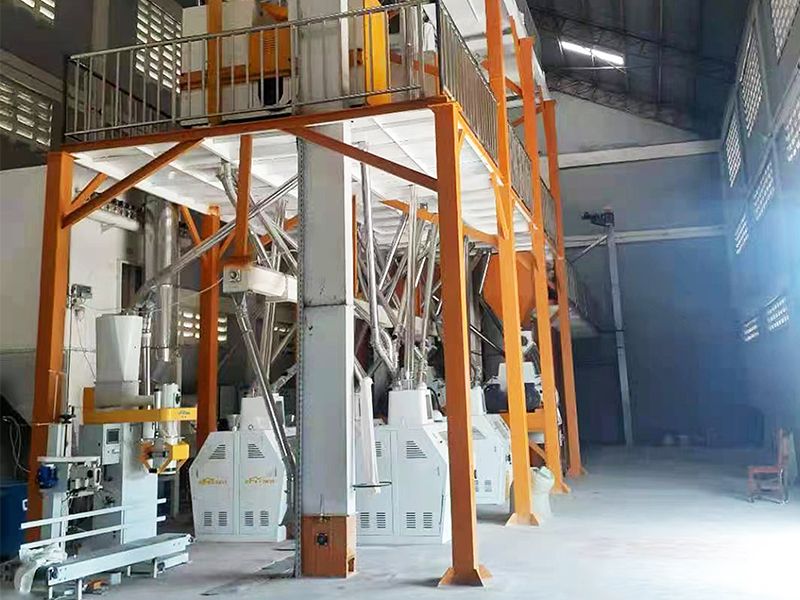
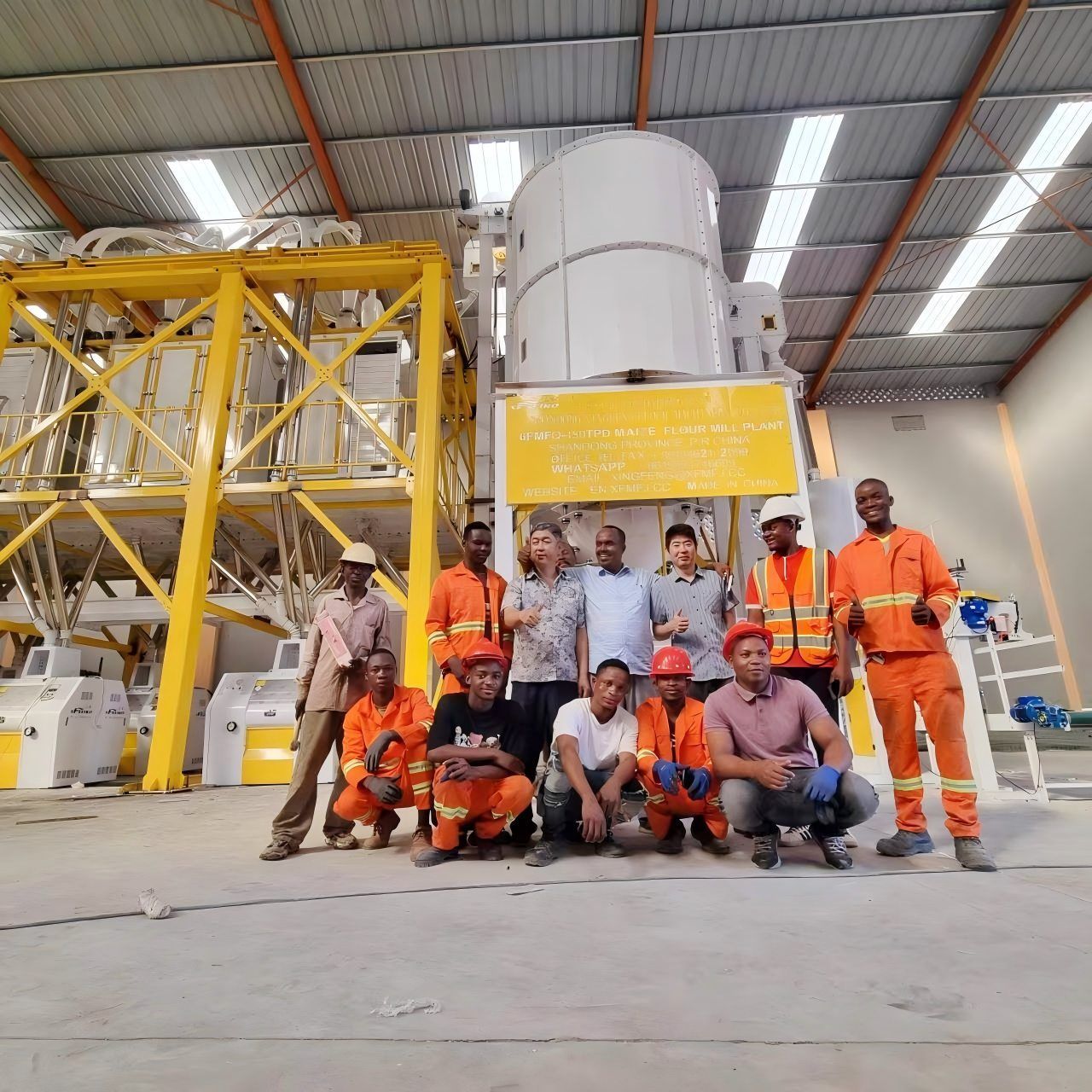
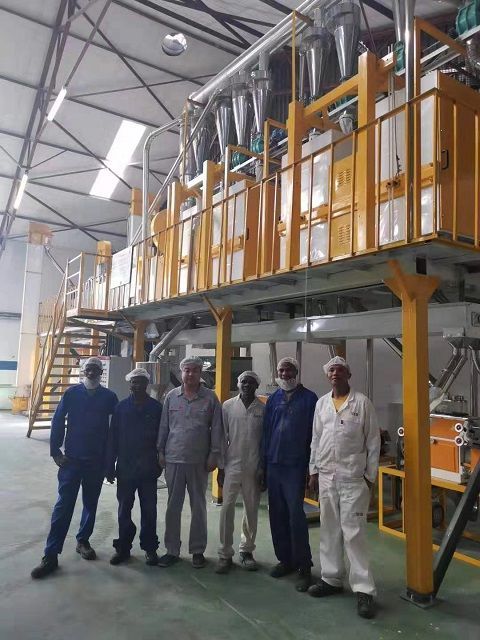
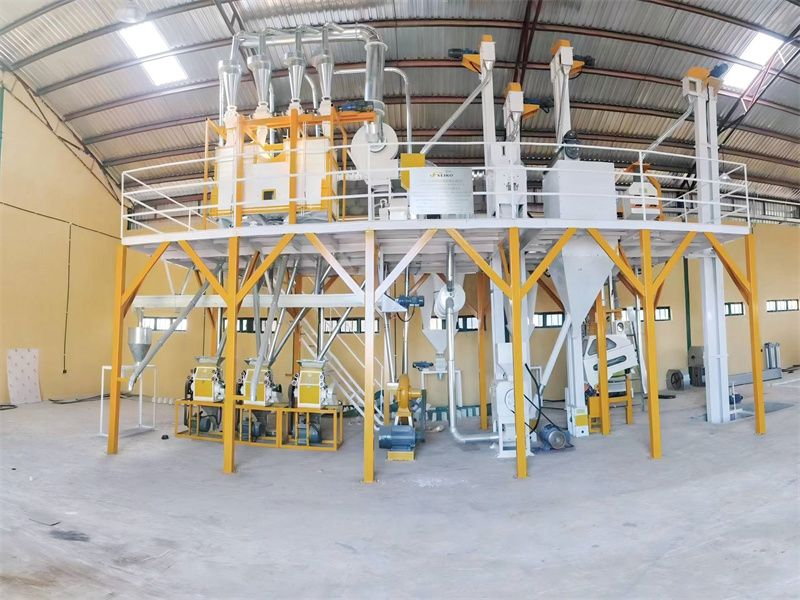
A 300–500TPD wheat flour mill plant is designed for businesses that need to process 300 to 500 metric tons of wheat each day. This capacity is larger than a small local mill but smaller than a national-scale milling complex.
Many investors compare an industrial flour mill with a smaller commercial flour mill before choosing equipment. The right option depends on wheat supply, flour demand, storage space, power availability, and distribution plans.
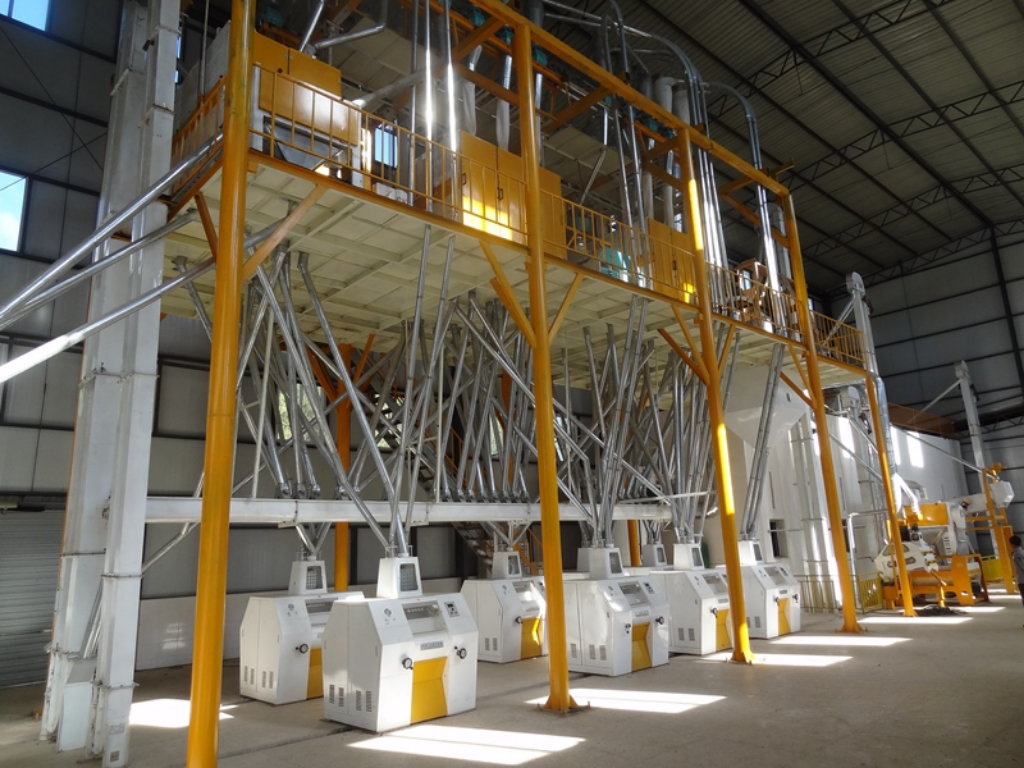
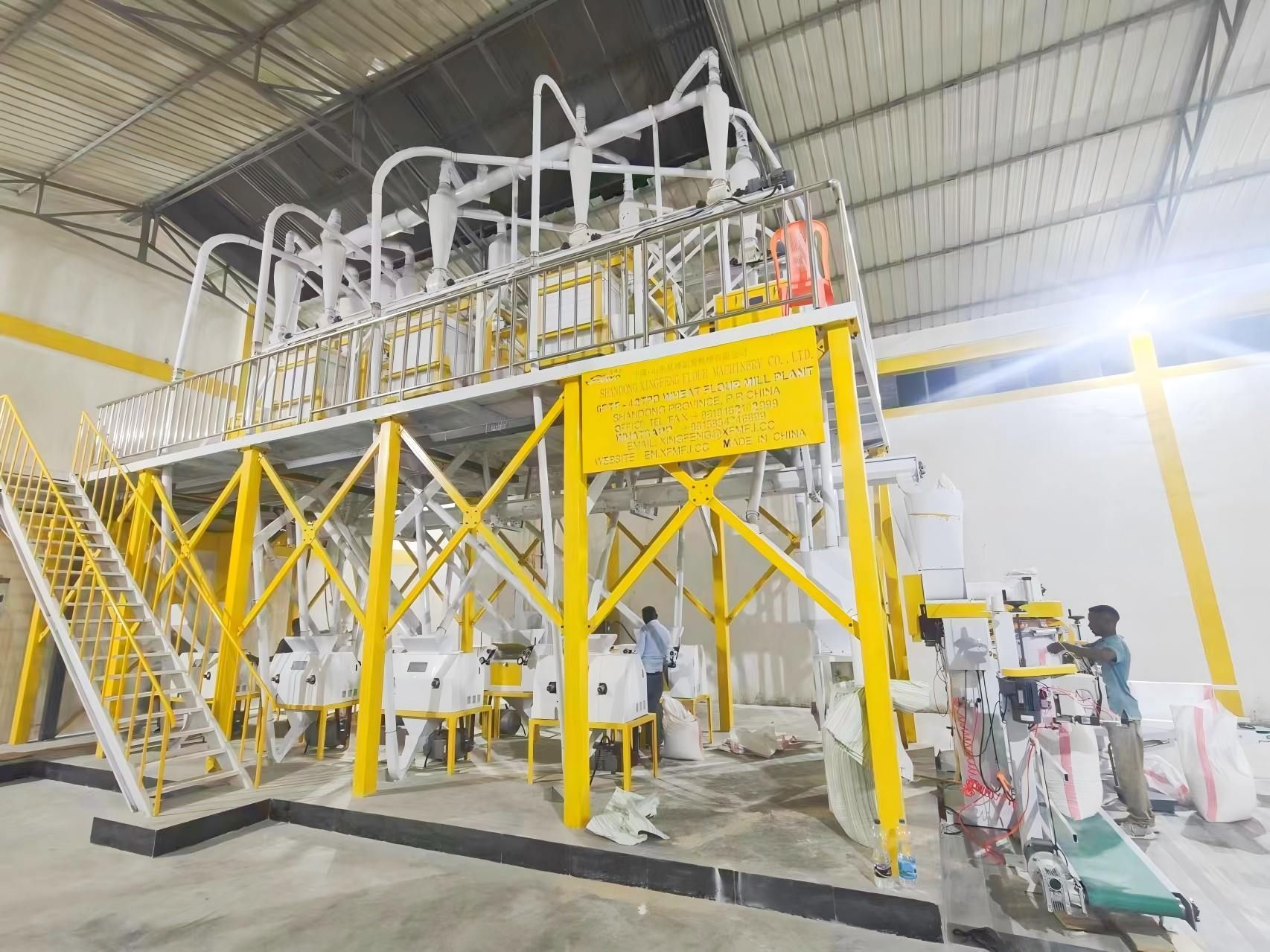
A modern plant normally includes grain cleaning, wheat tempering, roller milling, plansifting, pneumatic conveying, and automatic packing systems.
The main question is not only, “How much wheat can the plant process?” It is also, “Can the business sell the flour, bran, and other milling products every day?” A 300–500TPD project can be profitable when the plant has a stable supply of wheat and a reliable customer base.
A 300–500TPD wheat flour mill plant is suitable for established flour producers, grain trading companies, food manufacturers, government-supported grain projects, and investors serving a regional market. It is usually the right choice for a business that can secure about 300 to 500 tons of wheat per day, operate at least one production shift, and sell a steady volume of flour to bakeries, wholesalers, retailers, noodle factories, and food processors.
Companies that only need 20 to 100 tons of flour per day may not need this capacity. A smaller plant can reduce initial investment and operating costs. However, a company with strong wheat procurement, large storage facilities, and regional distribution may benefit from the higher output and lower unit processing cost of a 300–500TPD wheat flour mill plant.
Regional flour producers are the most common users of this plant size. They may supply several cities or a large group of wholesalers. A 300TPD line can produce up to 300 tons of finished wheat products per day under planned operating conditions. A 500TPD line can produce up to 500 tons per day.
Actual output depends on wheat quality, flour grade, production hours, maintenance time, and the extraction rate. For example, a plant operating 20 hours per day would need an average wheat intake of about 15 to 25 tons per hour to reach 300–500TPD.
Grain companies that already buy, store, and transport wheat can add value by processing the grain into flour. Milling can create several products from one raw material stream:
This model reduces dependence on raw wheat sales. It also allows the company to serve both food manufacturers and feed buyers.
Large bakeries, noodle factories, pasta producers, biscuit plants, and frozen food manufacturers may need an integrated wheat processing plant. Their main benefit is a more stable supply of flour with controlled protein, moisture, ash, and particle size.
A food manufacturer should compare the cost of buying flour with the cost of owning and operating a mill. The comparison should include wheat purchasing, labor, electricity, spare parts, laboratory tests, storage, packaging, and equipment maintenance.
Governments and public grain agencies may select this capacity for regional food supply projects. A 300–500TPD plant can supply a large urban area or several nearby districts when wheat logistics are organized properly.
These projects need more than milling equipment. They also require silos, quality laboratories, backup power planning, dust control, fire safety, truck loading areas, and finished flour warehouses.
Investors who want a complete project may choose a turnkey wheat flour mill with engineering design, equipment supply, installation, commissioning, operator training, and production support.
Before signing a contract, the investor should request a wheat flour mill plant layout, equipment list, utility schedule, civil construction drawings, production targets, and testing plan.
Plant capacity should match the local market. A larger plant does not automatically create higher profit. If the plant cannot sell its output, the equipment may operate below capacity while fixed costs remain high.
| Plant size | Typical daily wheat intake | Common users | Main advantage | Main risk |
|---|---|---|---|---|
| 20–100TPD | 20–100 tons | Local mills and small food businesses | Lower initial investment | Limited product range and market reach |
| 100–200TPD | 100–200 tons | Growing regional flour companies | Moderate production scale | May not meet large contract volumes |
| 300–500TPD | 300–500 tons | Regional and industrial flour producers | High output with multiple flour grades | Needs strong sales and wheat procurement |
| 600TPD and above | 600 tons or more | Large national and export-oriented mills | Very high production capacity | Higher capital, utility, and market requirements |
Use this simple calculation before selecting a plant:
Required daily wheat intake = expected daily flour sales divided by the expected flour extraction rate.
For example, if a business needs 220 tons of flour per day and expects a 74 percent flour extraction rate, the required wheat intake is about 297 tons per day:
220 tons divided by 0.74 equals approximately 297 tons of wheat.
This calculation does not include downtime, cleaning losses, storage losses, or changes in wheat quality. A project should include a practical operating margin.
A well-designed plant can separate wheat into different flour streams. The final product plan depends on wheat varieties, milling technology, market demand, and product standards.
| Product | Typical use | Common control points |
|---|---|---|
| High-grade flour | Bread, bakery products, and retail packs | Moisture, ash, protein, gluten, color, and particle size |
| Standard flour | Household cooking and wholesale distribution | Moisture, ash, odor, color, and water absorption |
| Special flour | Noodles, pasta, biscuits, and cakes | Protein, gluten strength, granulation, and falling number |
| Bran | Animal feed and fiber products | Moisture, contamination, and particle size |
| Middlings | Reprocessing into flour | Ash, color, granulation, and purity |
Many plants target a total flour extraction rate of about 72 to 78 percent. The exact rate is not fixed. A higher extraction rate may increase flour volume but can also affect color and ash content. The plant should therefore be designed around the required flour grades, not only the maximum output.
The receiving section normally includes truck unloading pits, belt or chain conveyors, bucket elevators, pre-cleaners, magnetic separators, and storage silos.
Storage capacity should match the supply cycle. Many projects plan several days of wheat storage instead of relying on daily deliveries. The final design depends on local transport conditions, harvest seasons, and warehouse policy.
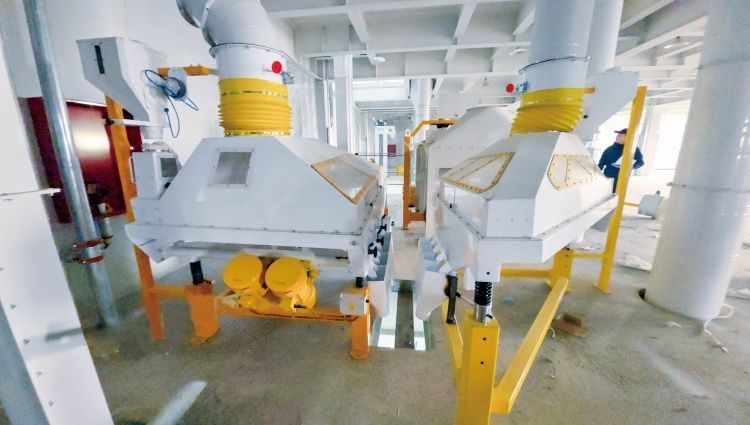
Cleaning protects the milling equipment and improves flour safety. Typical machines include vibrating screens, aspiration channels, destoners, scourers, intensive dampeners, magnets, and optical or color sorting equipment when required.
The cleaning system should remove stones, metal, dust, straw, husks, weed seeds, and other foreign materials. A good design uses more than one cleaning stage because different impurities require different separation methods.
Wheat tempering adds water and allows time for moisture to move through the grain. This makes the bran tougher and the endosperm easier to separate.
Tempering time often ranges from 12 to 36 hours, depending on wheat hardness, initial moisture, target moisture, and production requirements. The system should measure water addition and monitor grain moisture at key points.
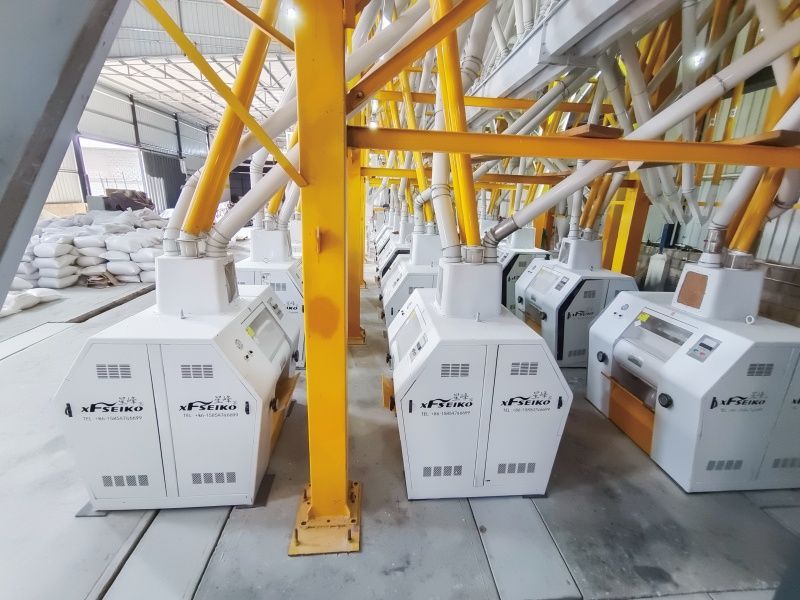
Roller mills break and reduce the wheat in several steps. The first break opens the kernel. Later passages reduce purified semolina and middlings into flour.
A 300–500TPD wheat flour mill may use several break rolls, reduction rolls, bran finishers, impact detachers, and pneumatic conveying lines. The number of passages depends on the flour quality plan and the wheat blend.
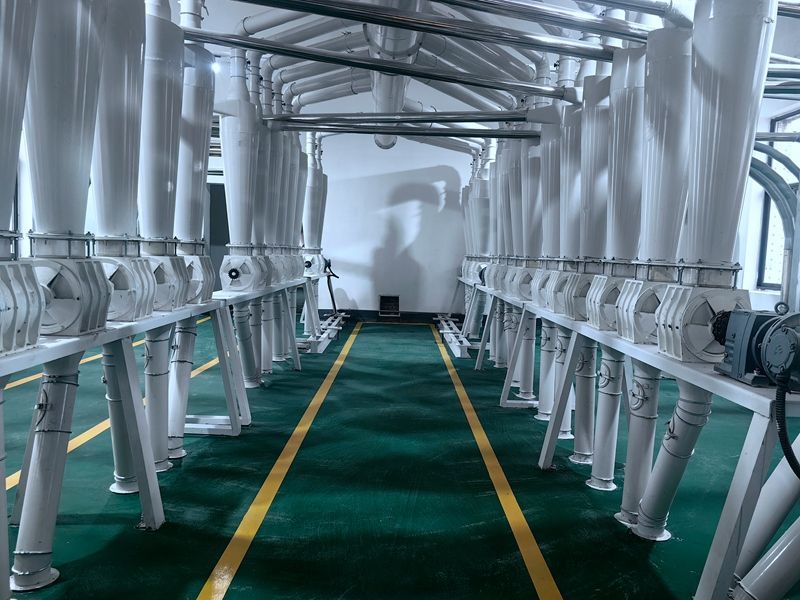
Plansifters separate material by particle size. Purifiers use air and gravity to separate clean endosperm particles from bran particles.
The sifting system should provide enough surface area for the planned flow rate. Overloading a plansifter can increase flour variation and reduce separation efficiency.
Different flour streams can be blended to achieve a target protein level, ash level, color, or baking performance. Where required by local law, the plant may include a micronutrient dosing and flour fortification system.
Finished flour can be packed in 1kg, 2kg, 5kg, 10kg, 25kg, or 50kg bags. Bulk loading is also possible for large bakeries and food factories.
The following flow chart shows a common wheat flour milling process:
Step 1: Wheat receiving
Down arrow
Step 2: Sampling and laboratory inspection
Down arrow
Step 3: Pre-cleaning and magnetic separation
Down arrow
Step 4: Fine cleaning, destoning, and aspiration
Down arrow
Step 5: Water addition and tempering
Down arrow
Step 6: Break milling
Down arrow
Step 7: Plansifting and purification
Down arrow
Step 8: Reduction milling
Down arrow
Step 9: Flour blending and optional fortification
Down arrow
Step 10: Quality testing, packing, and warehouse storage
Quality control is a central part of an automatic flour mill plant. A plant may have high capacity, but it cannot meet customer needs without repeatable flour quality.
| Material or product | Test items | Purpose |
|---|---|---|
| Incoming wheat | Moisture, protein, test weight, impurities, damaged kernels | Approve or reject raw material |
| Tempered wheat | Moisture uniformity and tempering time | Improve bran separation and milling stability |
| Intermediate streams | Particle size, ash, color, and purity | Control plansifter and purifier performance |
| Finished flour | Moisture, ash, protein, gluten, falling number, and granulation | Confirm product specifications |
| Packaging | Net weight, seal strength, label details, and lot number | Protect the product and support traceability |
Typical commercial specifications may set flour moisture at no more than 14 to 14.5 percent, but the legal limit varies by country and product type. Ash targets may range from about 0.45 to 0.75 percent for different flour grades. These values must be confirmed with local regulations and customer contracts.
Testing methods should follow the standards required in the target market. Common quality systems include HACCP, ISO 22000, good manufacturing practices, and documented allergen and sanitation controls.
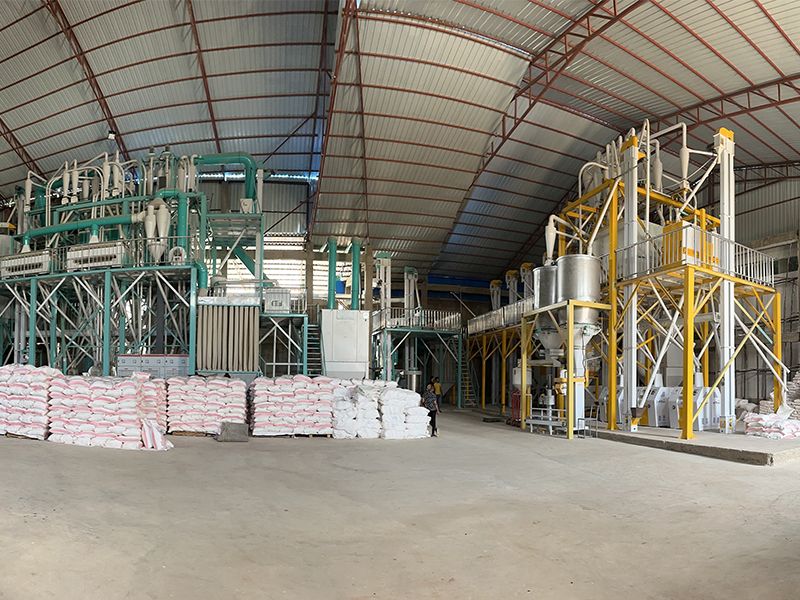
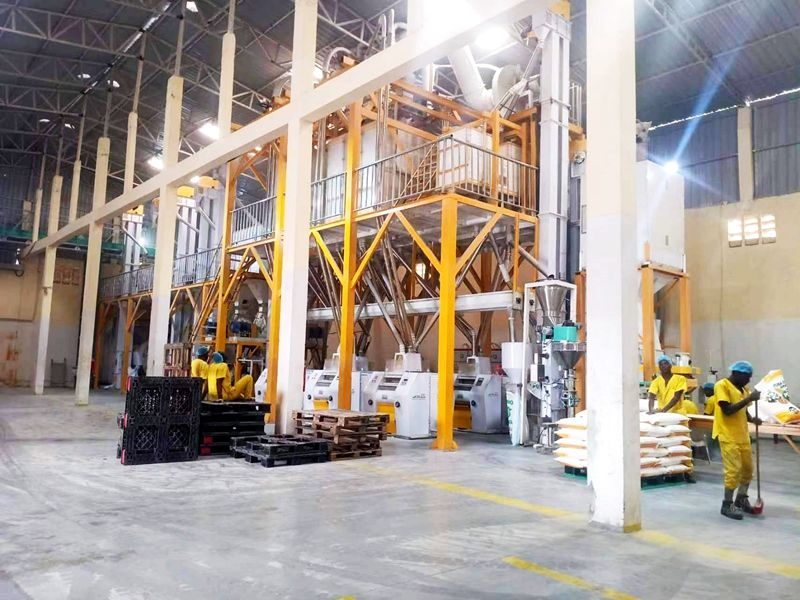
A 300–500TPD wheat flour mill plant needs space for raw wheat reception, cleaning, milling, packing, finished product storage, laboratories, maintenance, offices, and vehicle movement.
The exact land area depends on silo capacity, building height, automation level, packing format, and future expansion plans. The wheat flour mill plant layout should separate raw material zones from finished flour zones. It should also provide safe access for maintenance and cleaning.
Power demand varies by equipment brand, building design, conveying method, and automation level. A preliminary project estimate may fall in the range of 55 to 85 kWh per ton of processed wheat for the complete milling operation. The final electrical schedule must be calculated by the equipment supplier.
Investors should also plan for compressed air, process water, lighting, ventilation, dust collection, fire protection, and backup power. Voltage, frequency, transformer size, and local grid reliability must be checked before equipment selection.
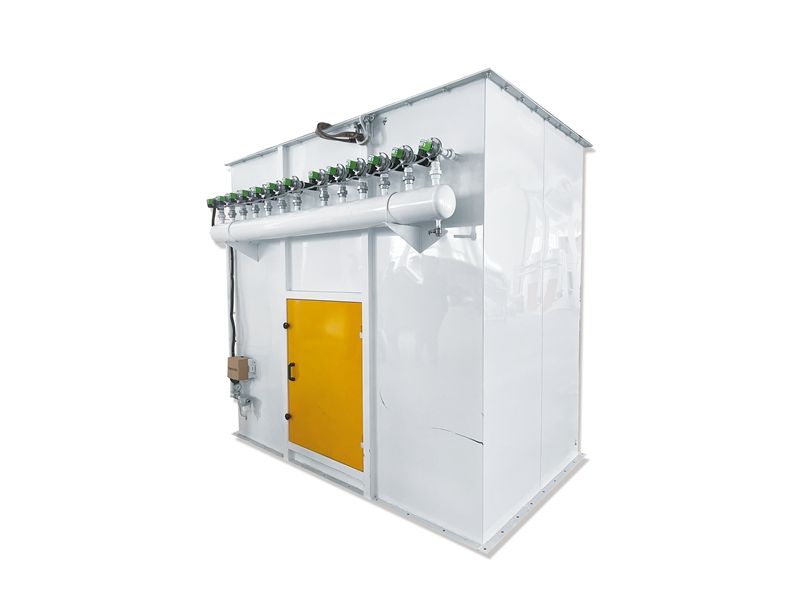
Wheat dust can create health and fire risks. The plant should use aspiration systems, enclosed conveyors, dust filters, pressure relief measures, grounding, and regular housekeeping.
Safety planning should include emergency stops, machine guards, lockout procedures, fire extinguishers, evacuation routes, and operator training. Local building and occupational safety rules must be applied during design.
The cost of a 300–500TPD flour mill project depends on more than the roller mills. A complete budget normally includes the following items:
Do not compare suppliers only by the equipment price. Compare the following measurable items:
| Item to compare | Questions to ask |
|---|---|
| Capacity | Is the capacity based on wheat intake or finished flour output? |
| Extraction rate | What flour yield is expected for the agreed wheat blend? |
| Energy use | What is the estimated kWh per ton? |
| Product quality | Which moisture, ash, protein, and particle-size targets are guaranteed? |
| Installation | Are installation supervision and commissioning included? |
| Testing | What performance test will be used after commissioning? |
| Spare parts | Which parts are recommended for the first 12 to 24 months? |
| Training | How many operators and maintenance staff will receive training? |
Companies such as Xingfeng can be included in the supplier evaluation process. The buyer should request a complete technical proposal, equipment specifications, plant references, testing procedures, and after-sales support details before making a decision.
A professional supplier should explain how the wheat flour milling process was designed for the buyer's wheat varieties and target products. The supplier should not use one standard design for every country.
The project contract should define measurable acceptance conditions. These may include:
Ask the supplier to provide a project schedule with dates for engineering, manufacturing, delivery, installation, commissioning, trial production, and final acceptance. A complete implementation plan reduces delays and makes responsibilities clear.
| Advantages | Limitations |
|---|---|
| Can supply a regional market with high daily output | Needs reliable wheat procurement |
| Can produce several flour grades | Requires skilled operators and maintenance staff |
| May reduce processing cost per ton at good utilization | Has higher capital and utility requirements than a small mill |
| Can support automatic packing and bulk loading | Needs suitable land, roads, power, and storage |
| Can create flour, bran, and other saleable products | Needs a clear sales plan for all product streams |
The main limitation is market risk. Before construction, the investor should estimate daily flour sales, customer payment terms, wheat price changes, packaging costs, labor costs, electricity costs, maintenance expenses, and transport charges.
A 300–500TPD wheat flour mill plant is best for a business with a strong regional market, stable wheat supply, suitable storage, and enough capital for complete infrastructure. It can serve flour wholesalers, bakeries, noodle factories, pasta producers, retailers, public grain programs, and large food manufacturers.
The best project is not simply the one with the largest capacity. It is the one that matches wheat quality, customer demand, product specifications, power supply, storage, labor, and logistics. Investors should compare the wheat flour mill plant layout, flour extraction rate, energy use, quality inspection plan, equipment list, and implementation support before selecting a supplier such as Xingfeng.
When these factors are checked carefully, a 300–500TPD wheat flour mill plant can provide a practical production scale for regional flour supply and long-term industrial growth.

August. 08, 2024
How to Use Wheat Flour Mill Plant Correctly?
This article provides a comprehensive guide on how to use a wheat flour mill plant correctly.

February. 02, 2024

January. 01, 2024

March. 03, 2026

June. 06, 2025

July. 07, 2024