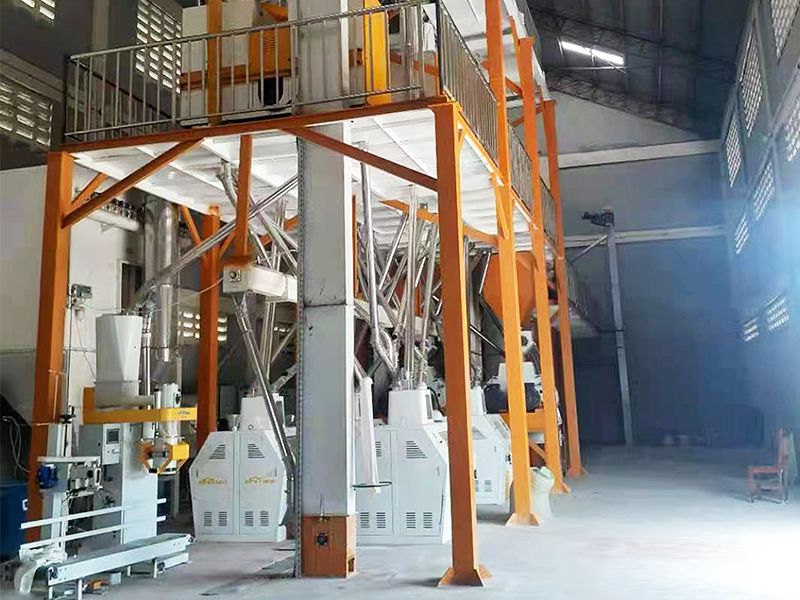
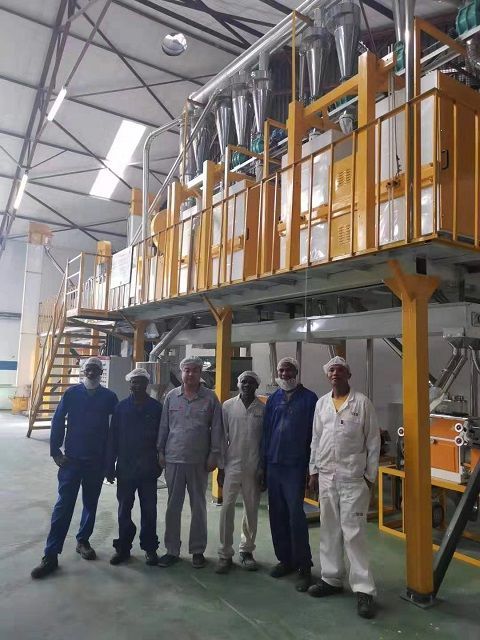
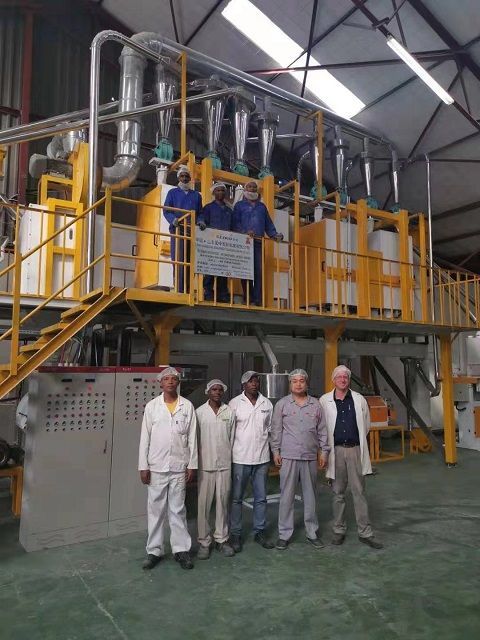
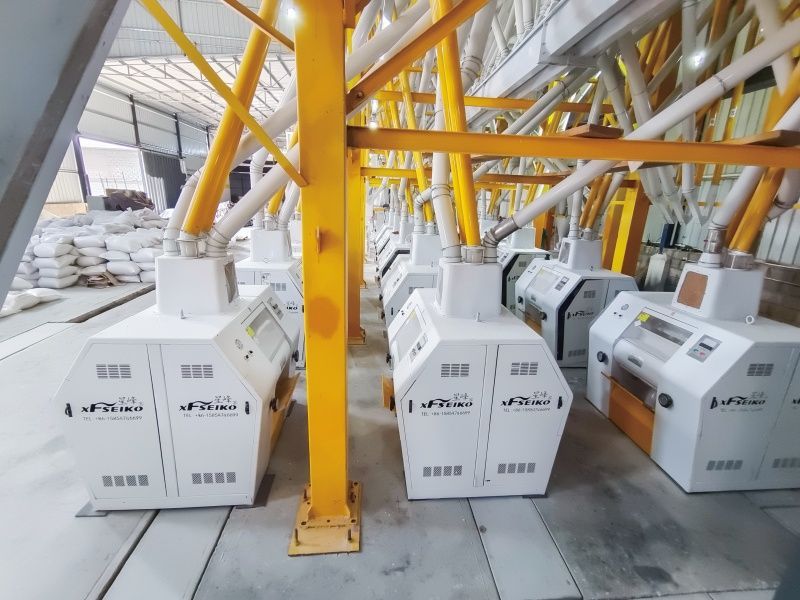
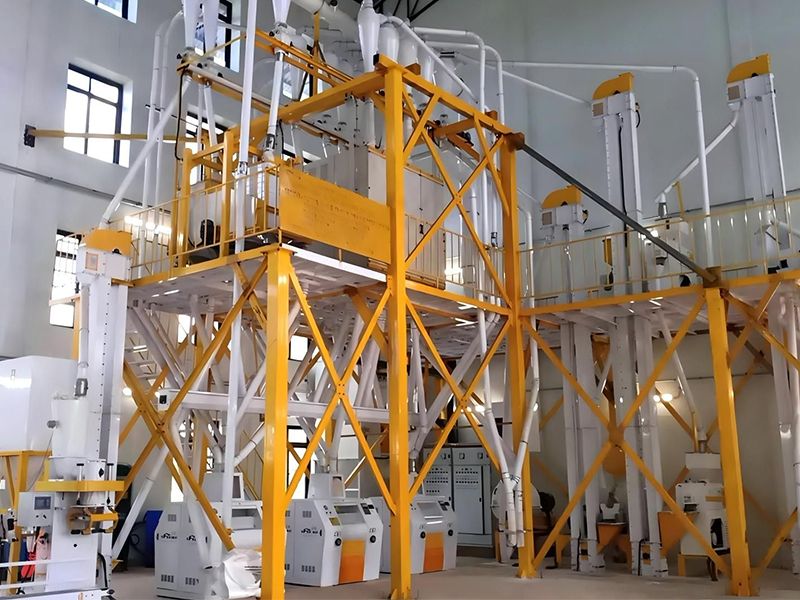
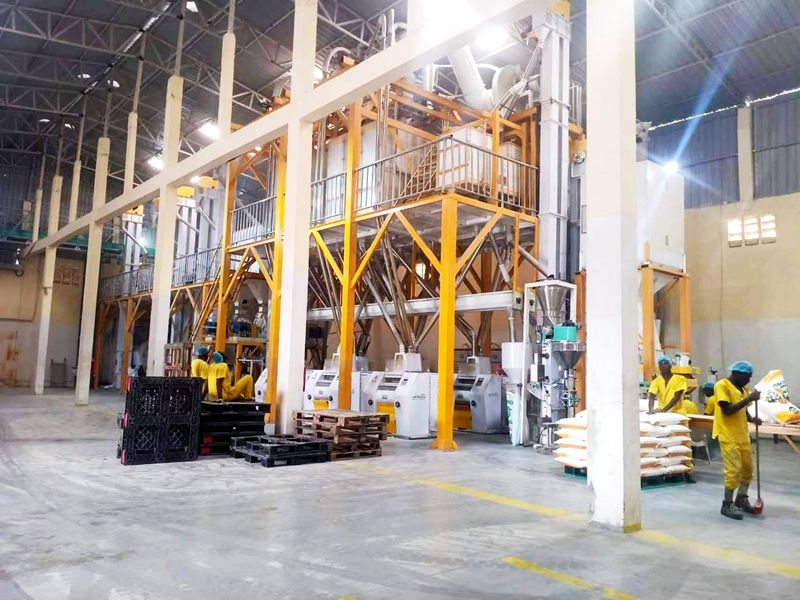
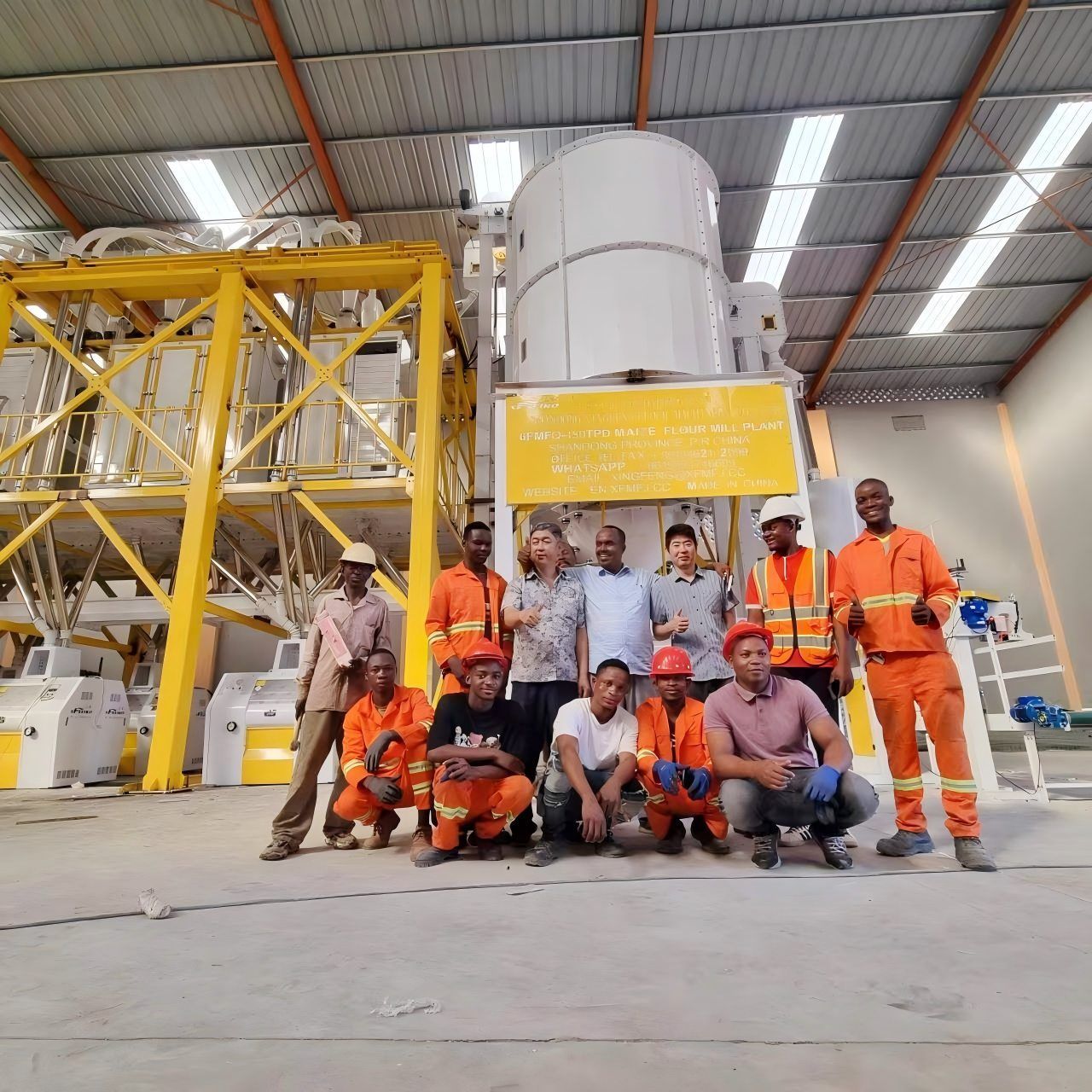
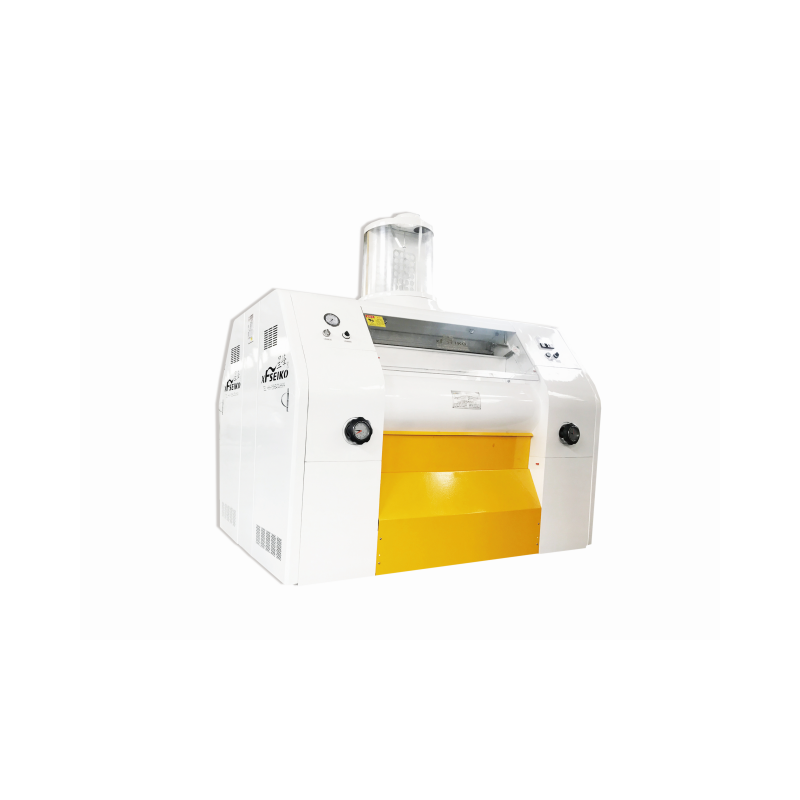
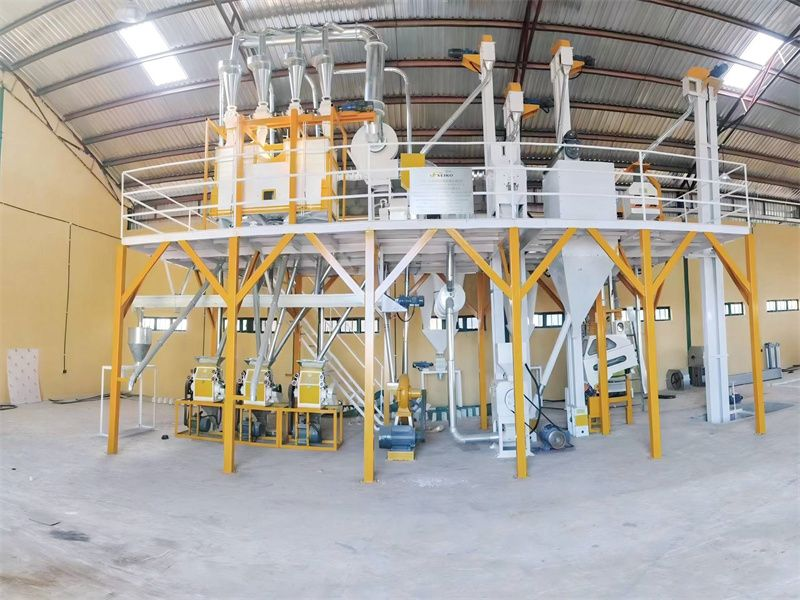
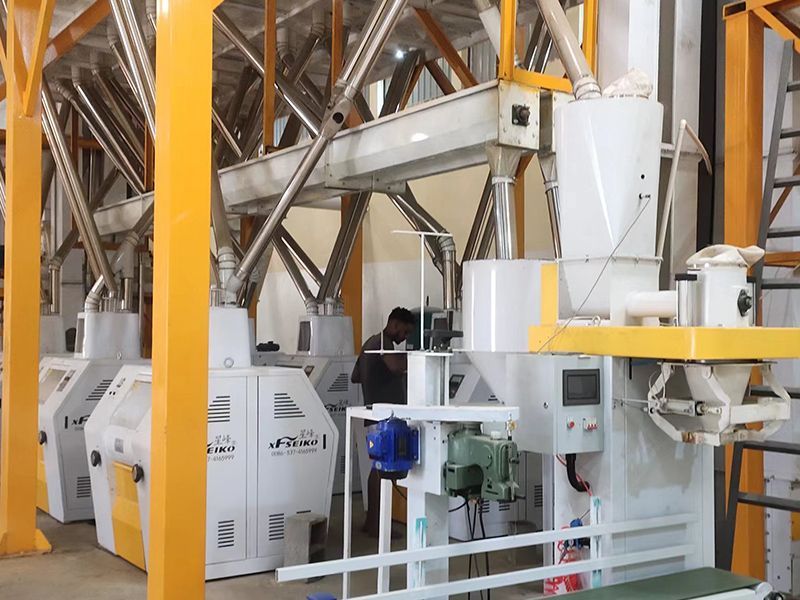
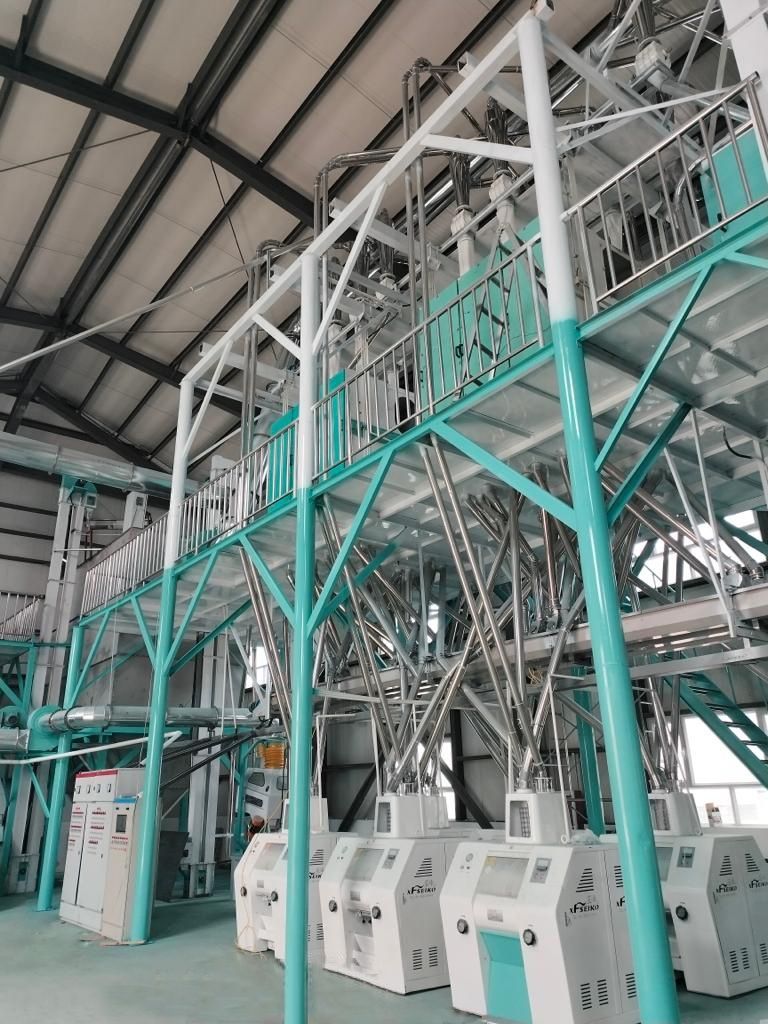
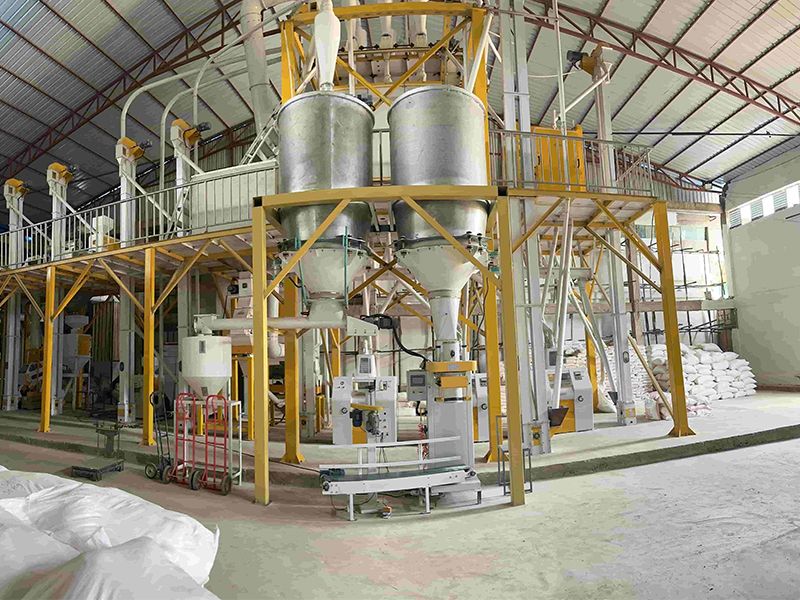
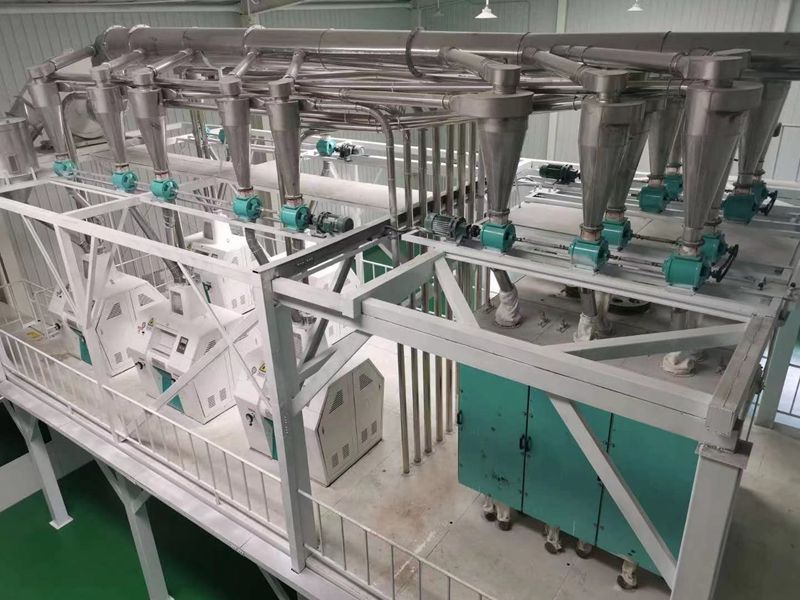
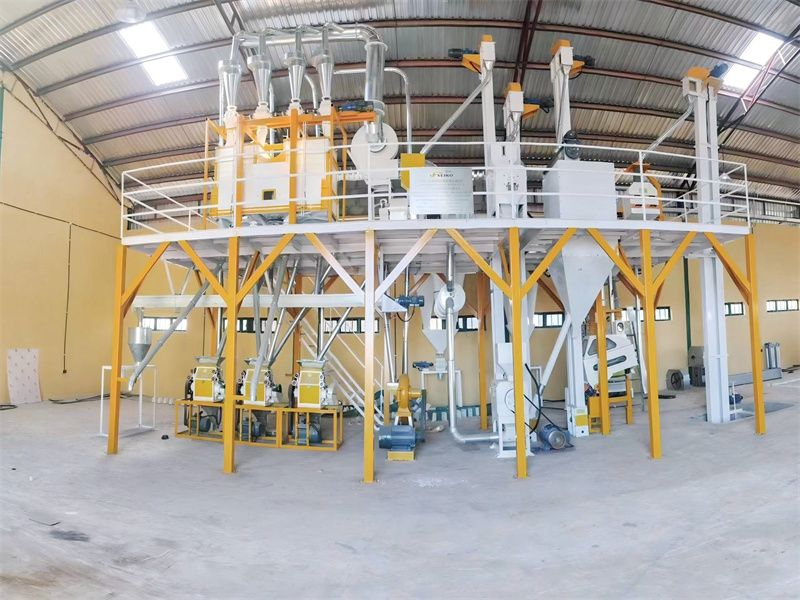
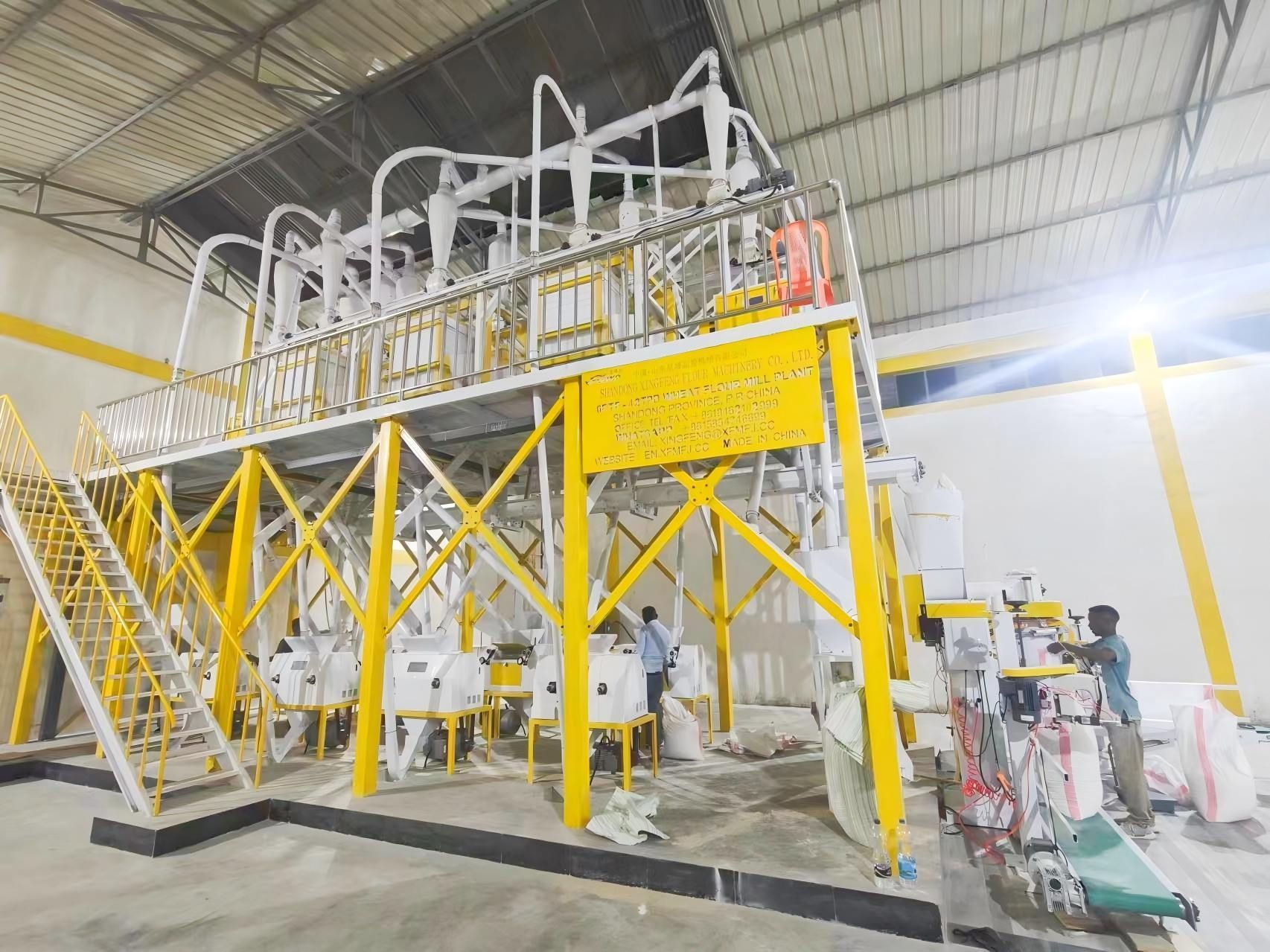
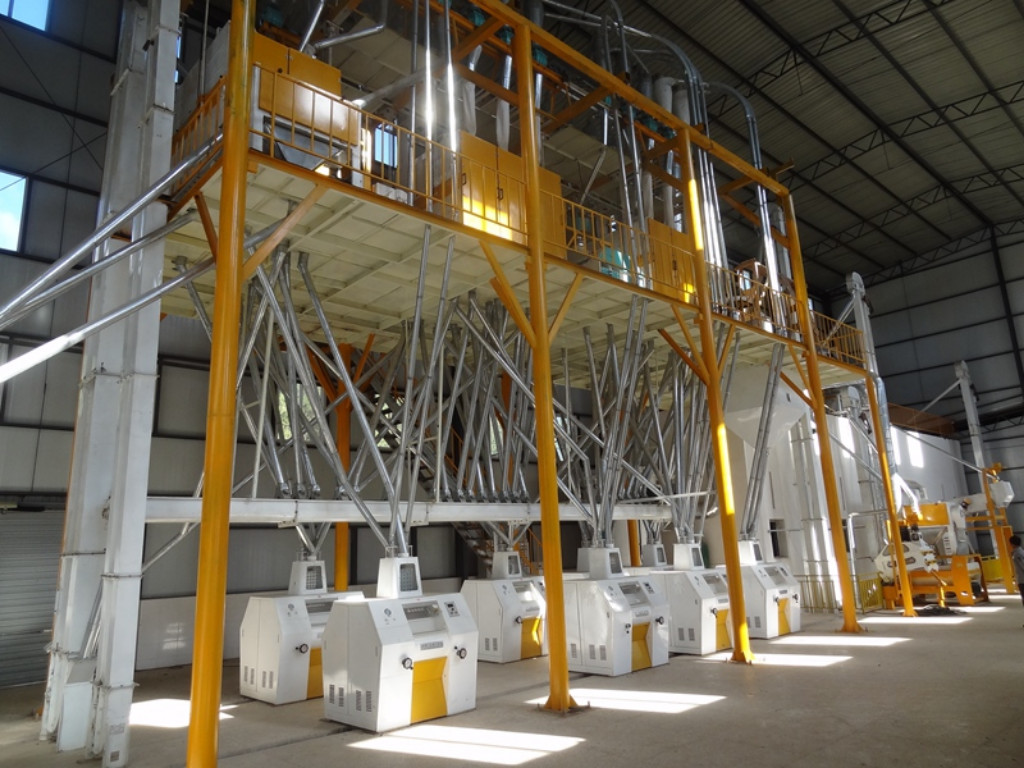
A 100TPD Wheat Flour Mill Plant can offer a better balance between production capacity, operating cost, and product quality than a smaller or much larger mill. Many investors want to know if a 100 ton per day wheat flour mill can supply local demand without creating excessive construction and energy costs.
The answer depends on wheat supply, flour demand, electricity prices, labor costs, and the planned flour extraction rate. A complete flour milling plant also needs wheat cleaning equipment, grain conditioning systems, roller mills, plansifters, pneumatic conveying, and flour packing machines.
For many regional markets, this capacity is large enough to serve bakeries, wholesalers, food factories, and retail customers. It is also small enough to control investment risk. The key is to match the wheat processing line with the local market instead of selecting capacity only by equipment price.
A 100TPD wheat flour mill plant becomes the more economical choice when the available wheat supply and daily flour demand can support about 100 tonnes of wheat processing in 24 hours. It is often suitable for investors who need commercial-scale production but do not want the higher land, utility, labor, and financing costs of a 200TPD or larger plant. With a suitable wheat flour mill plant layout, automatic process control, and regular quality inspection, the plant can reduce waste, improve flour consistency, and spread fixed costs across a stable production volume.
In this article, 100TPD means the plant is designed to process about 100 tonnes of wheat per day. The normal design basis is 24 hours of operation. This equals an average wheat flow of about 4.17 tonnes per hour.
| Item | Typical design value | Why it matters |
|---|---|---|
| Daily wheat input | 100 tonnes per 24 hours | Defines the main equipment capacity |
| Average hourly input | About 4.17 tonnes per hour | Helps size conveyors, bins, and cleaning machines |
| Operating schedule | 20 to 24 hours per day | More operating hours can reduce the required hourly rate |
| Typical flour extraction | About 72 to 78 percent | Depends on wheat type, flour grade, and milling settings |
| Expected total flour output | About 72 to 78 tonnes per day | Must be confirmed by wheat tests and the product plan |
Flour extraction is not the same as wheat input. For example, processing 100 tonnes of wheat at a 75 percent extraction rate may produce about 75 tonnes of flour. The remaining material becomes bran, shorts, germ, screenings, moisture loss, and other by-products.
Wheat hardness, moisture, foreign material, test weight, protein content, and kernel size affect the milling result. A laboratory test should be completed before the final design. A practical test may check wheat moisture, protein, ash, gluten, falling number, thousand-kernel weight, and test weight.
Wheat moisture is often adjusted to about 14.5 to 16.5 percent during conditioning. The exact target depends on wheat hardness and the required flour grade. Tempering time may range from 12 to 24 hours. The final value should follow the grain type and the milling technology used by the project.
A 100TPD flour production line can supply a regional market without requiring the sales volume of a large industrial mill. It may serve several bakeries, food processors, wholesalers, and retail distributors from one location.
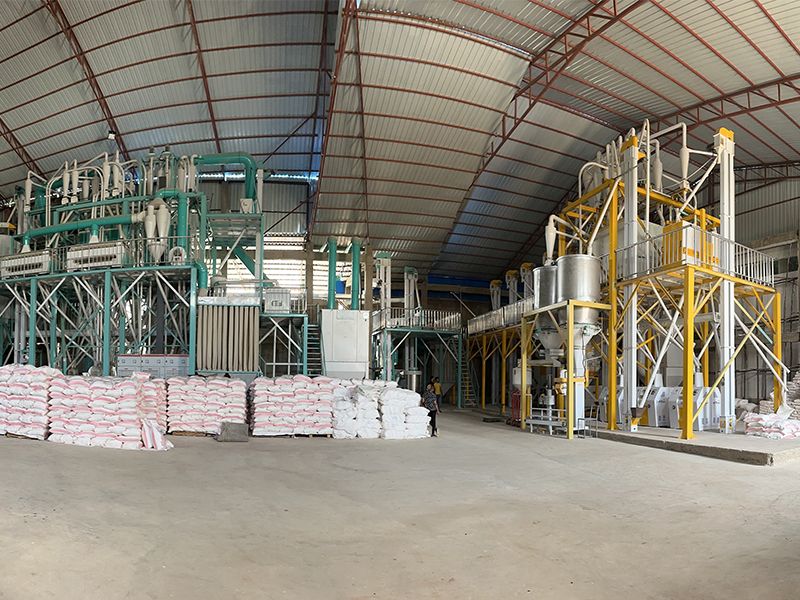
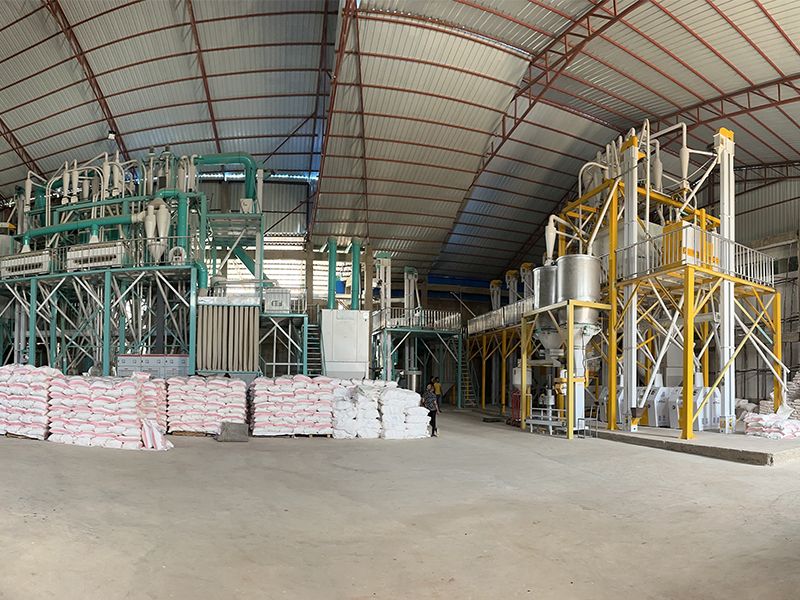
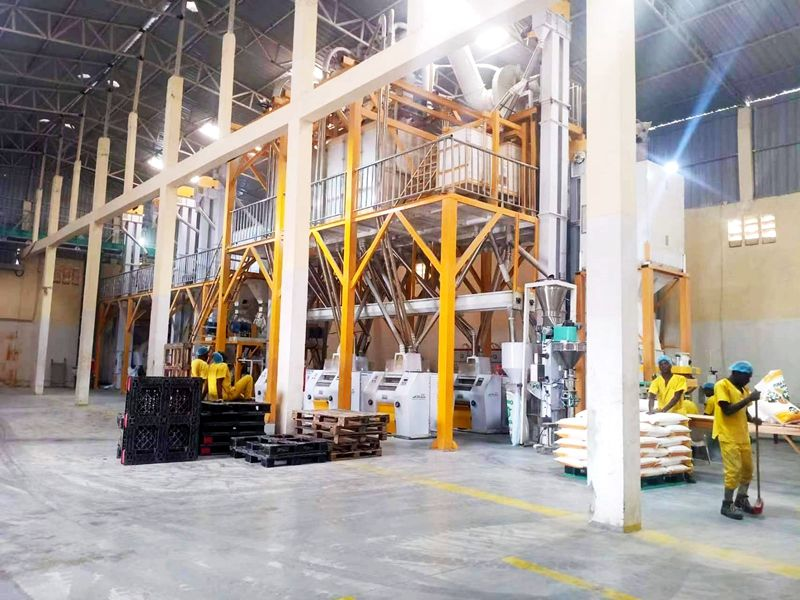
A typical plant may include a cleaning section, milling building, finished flour room, packing area, bran storage, laboratory, and utility area. The final land requirement depends on building height, storage capacity, road access, and whether grain silos are installed.
Electrical systems, dust collection, laboratories, control panels, maintenance tools, and management costs can be spread over about 72 to 78 tonnes of flour per day at a 72 to 78 percent extraction rate.
The plant can use automatic weighing, motor protection, level sensors, pneumatic conveying, and centralized control. Some packing or palletizing operations can remain semi-automatic if local labor costs are low.
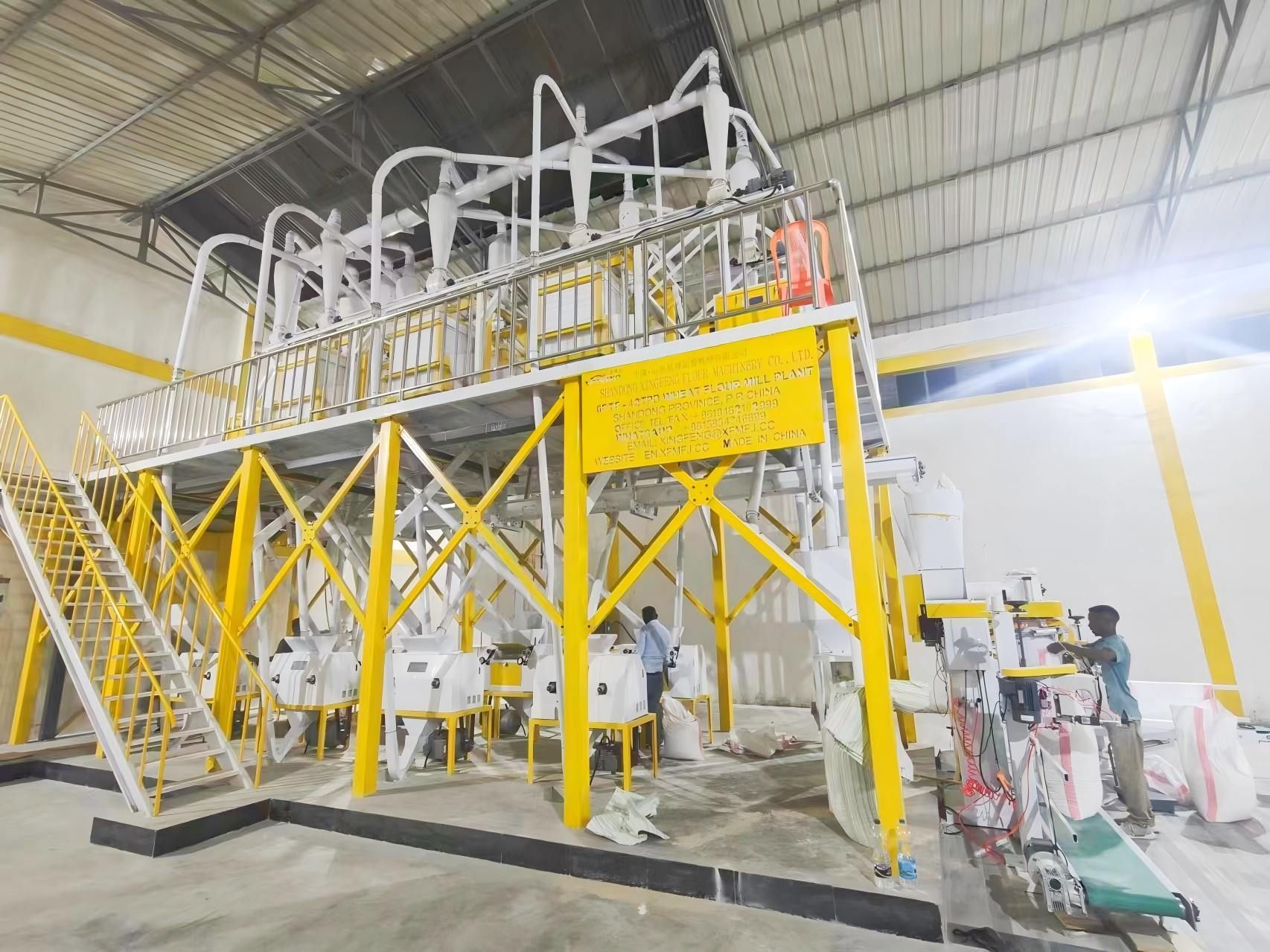
A properly planned wheat flour mill plant layout can reserve space for extra storage bins, a second packing line, bran handling equipment, or additional reduction passages.
A 20TPD to 50TPD plant may be better when local wheat supply is limited or when the business serves only a small town. A small commercial wheat flour mill can also be suitable when customers require fresh flour and the business has strong direct sales.
A 200TPD or larger plant may be more economical when the investor has long-term wheat contracts, strong distribution channels, large storage facilities, and reliable power. A larger plant can lower the processing cost per tonne, but it also increases the initial investment and the risk of unused capacity.
| Plant size | Suitable market | Main advantage | Main risk |
|---|---|---|---|
| 20TPD to 50TPD | Local shops and small distributors | Lower starting investment | Higher cost per tonne at low utilization |
| 100TPD | Regional distributors and food factories | Balanced capacity and investment | Requires stable wheat supply and sales |
| 200TPD and above | Large regional or national markets | High output and better scale potential | Higher capital and utilization risk |
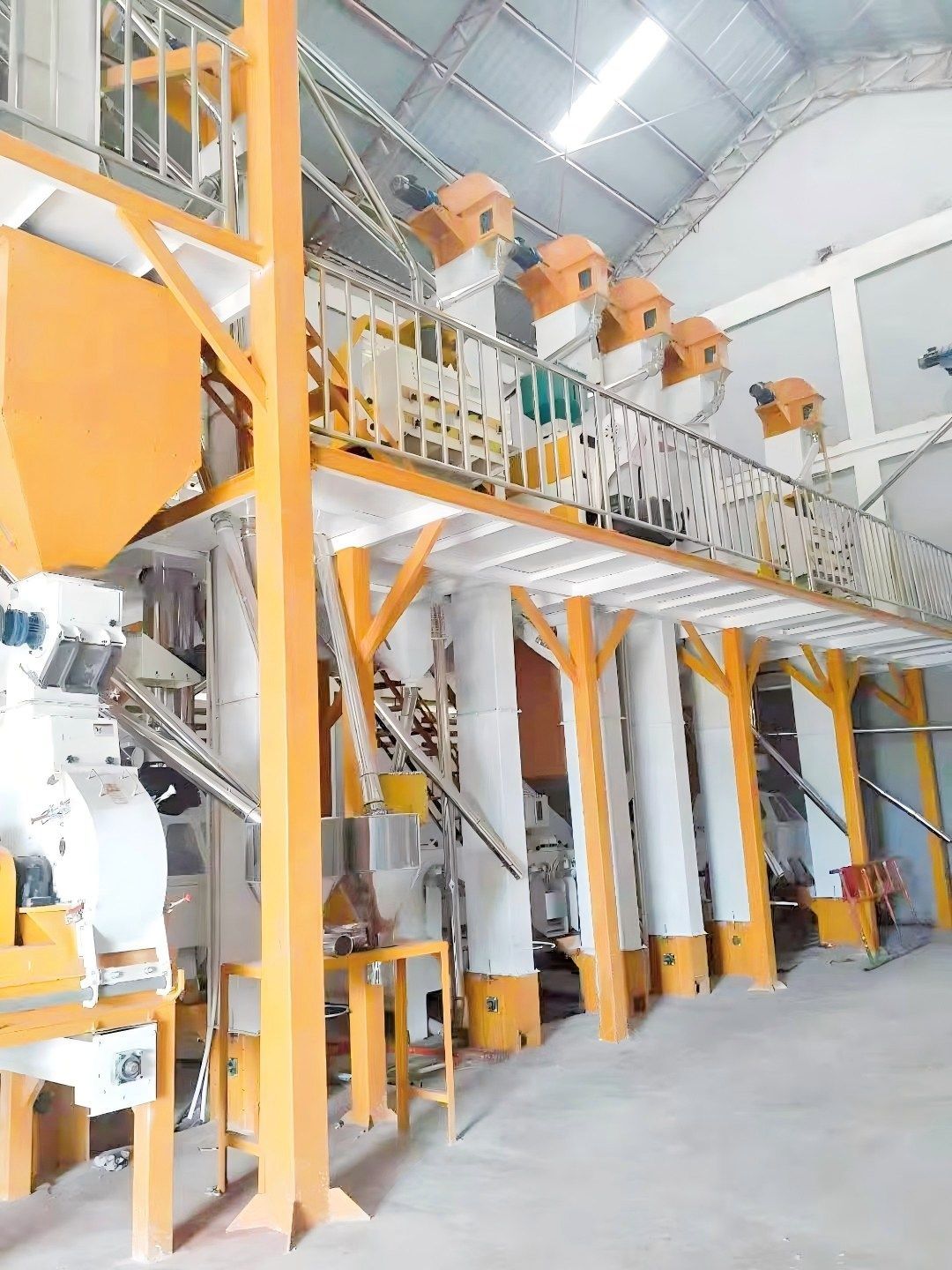
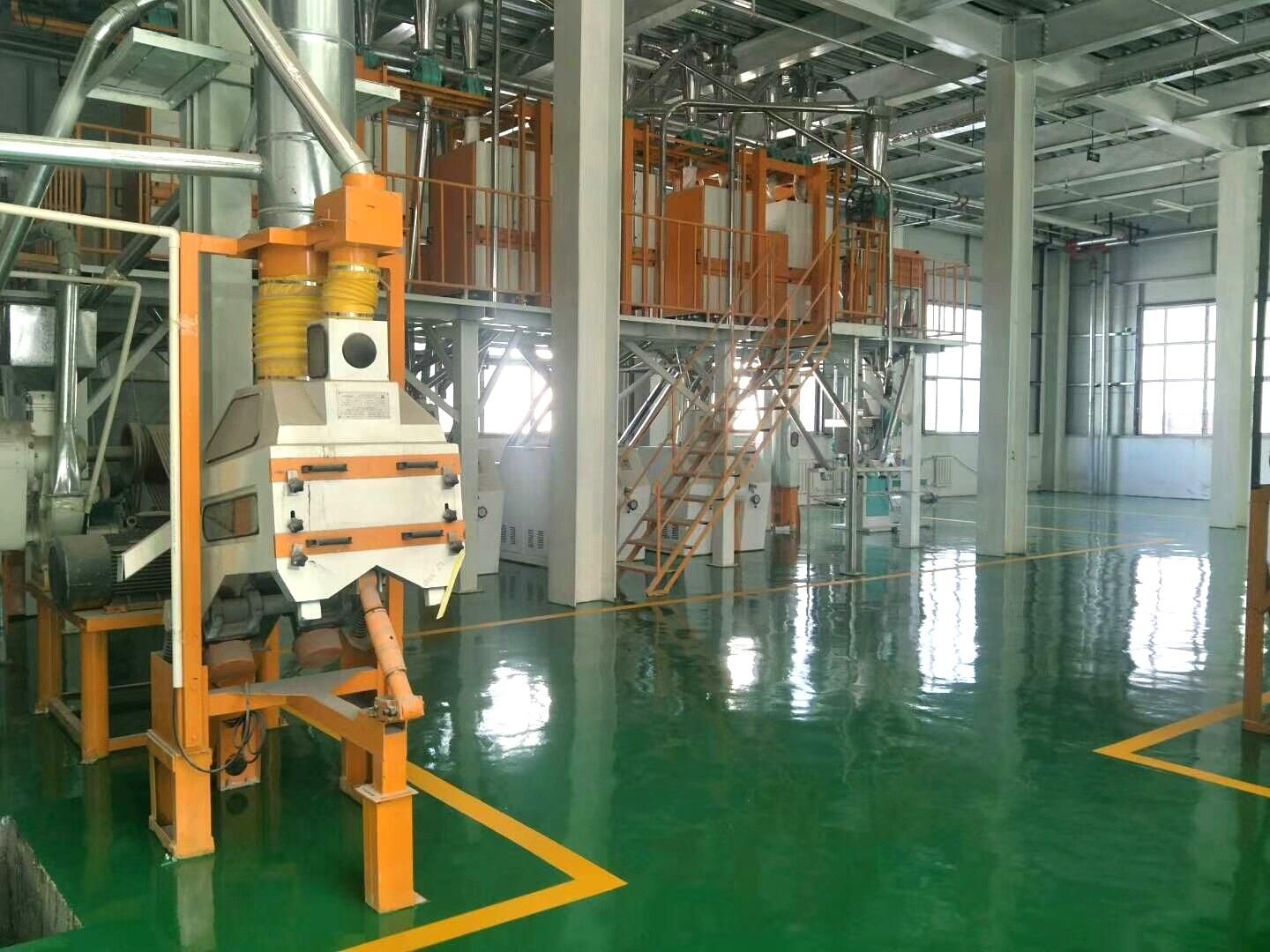
A reliable 100TPD wheat flour milling process separates the work into cleaning, conditioning, milling, sifting, blending, storage, and packing. Each section affects flour yield and product safety.
| Equipment section | Typical parameter or function | Inspection point |
|---|---|---|
| Wheat cleaner | Designed for about 4.17 tonnes per hour average flow | Removal of dust, straw, stones, and metal |
| Destoner | Separates stones by density and airflow | Stone removal rate and wheat loss |
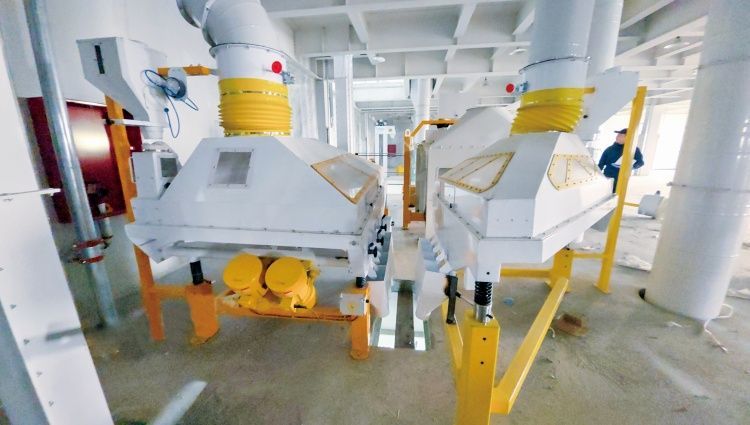
| Scourer | Removes surface dirt and loose skin | Clean wheat surface and controlled kernel breakage |
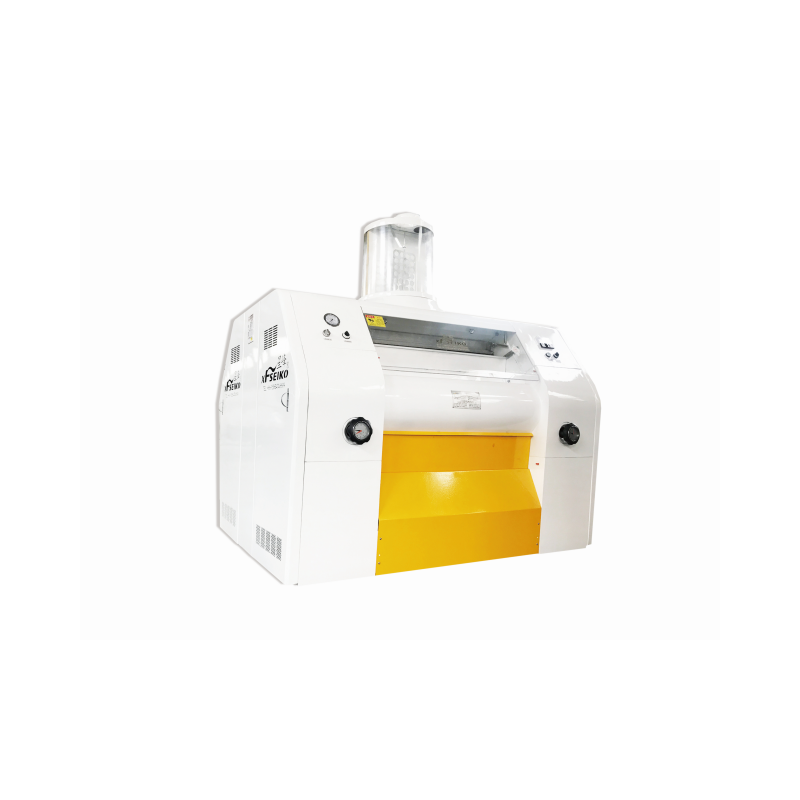
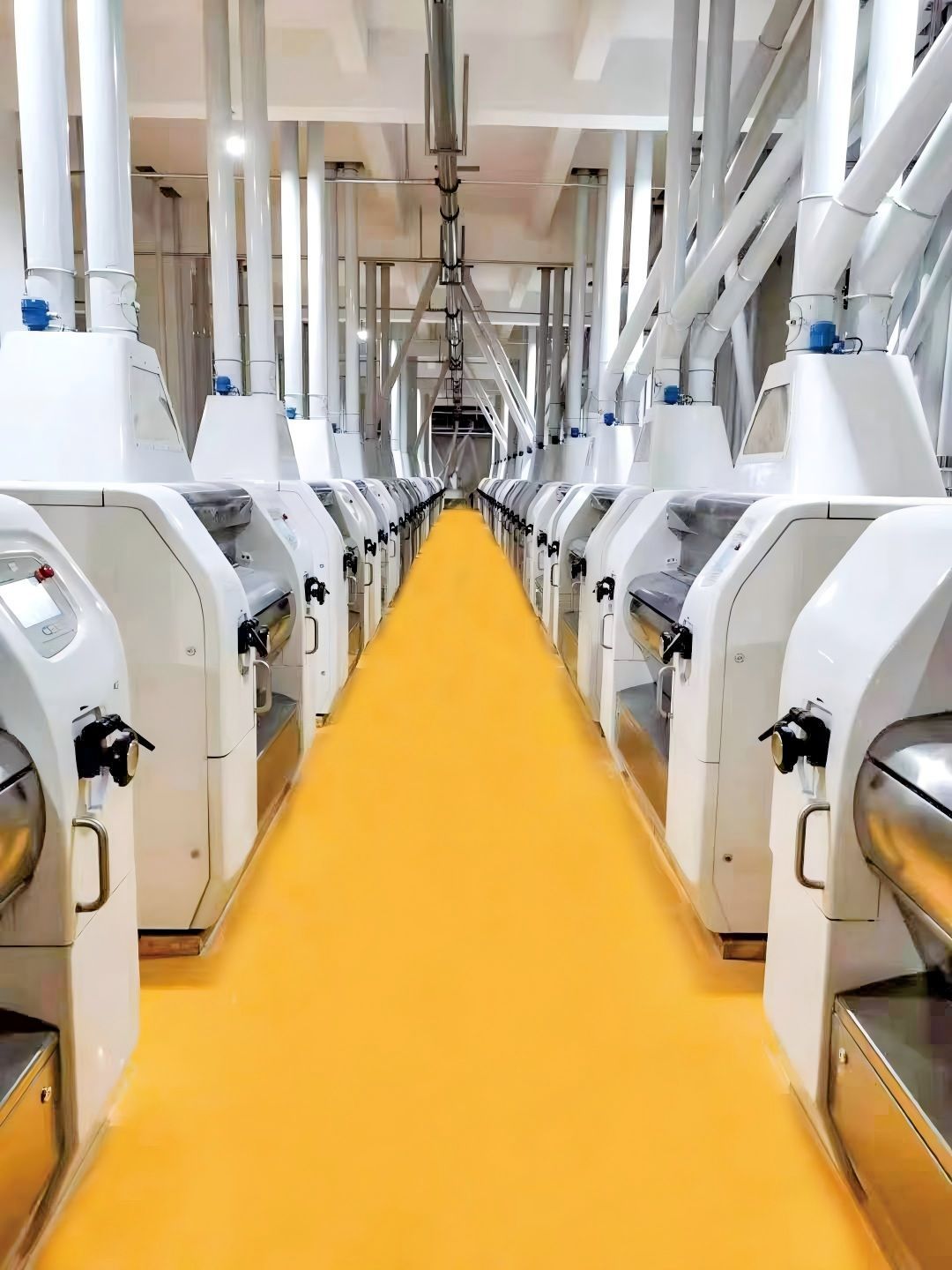
| Roller mill | Grooved and smooth rolls for break and reduction passages | Roll gap, differential speed, vibration, and bearing temperature |
| Plansifter | Multiple sieve passages for particle separation | Sieve condition, product flow, and leakage |
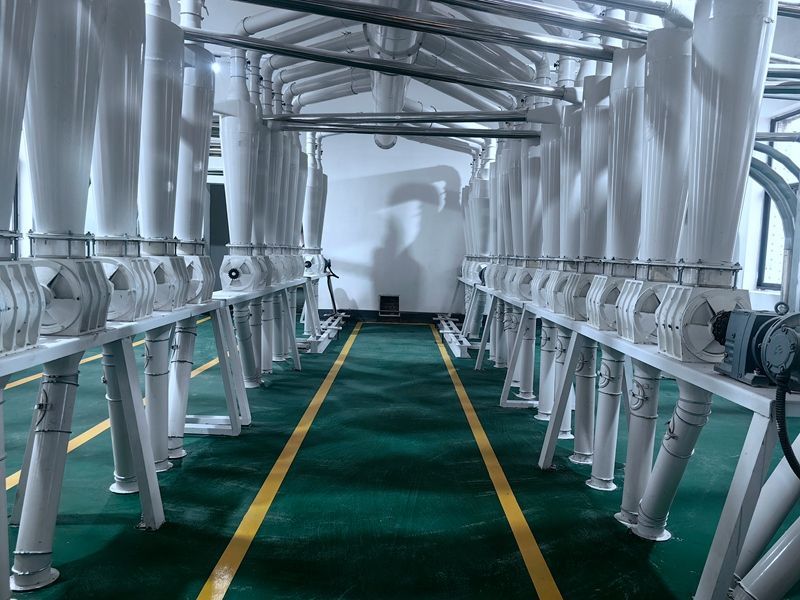
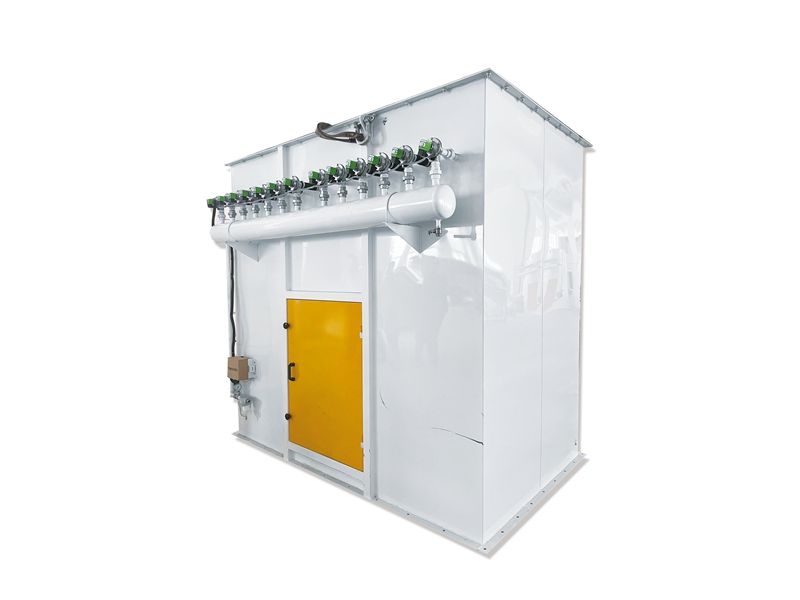
| Air system | Pneumatic conveying and dust control | Air pressure, filter condition, and dust leakage |
| Packing machine | Programmable filling for selected bag sizes | Bag weight accuracy and sealing strength |
Flour quality depends on both raw wheat and machine adjustment. A high-capacity plant cannot compensate for poor wheat selection or weak cleaning. The operator should use a written quality control plan from wheat receiving to final dispatch.
| Test | Typical control target | Purpose |
|---|---|---|
| Flour moisture | Often 14.5 percent or lower, subject to local rules | Supports storage stability and accurate packing |
| Ash content | Set by flour grade and customer specification | Indicates mineral content and bran contamination |
| Protein content | Commonly about 9 to 14 percent for different flour uses | Supports product selection for bread, noodles, or cakes |
| Particle size | Controlled by sieve testing and customer needs | Improves dough performance and product consistency |
| Falling number | Measured in seconds according to the selected test method | Shows amylase activity and possible sprout damage |
| Bag weight | Checked against the legal package tolerance | Reduces underweight and overweight losses |
The laboratory may use moisture analyzers, an ash furnace, a gluten tester, a falling number instrument, a sieve shaker, and a precision balance. Sampling should be completed at wheat receiving, after conditioning, at key flour streams, and before shipment.
The plant should use a documented cleaning schedule. Workers should inspect flour contact surfaces, conveyors, bins, filters, and packing machines. A food safety system based on HACCP principles or ISO 22000 requirements can help control biological, chemical, and physical hazards.
Magnets, sieves, aspiration systems, and metal detection should be checked on a defined schedule. The plant should also record pest control, allergen control, equipment maintenance, and corrective actions.
The 100TPD wheat flour mill plant cost cannot be calculated from machinery alone. The total project budget usually includes the process equipment, building, storage, electrical system, installation, laboratory, packaging section, transport, taxes, and working capital.
| Cost factor | Effect on the project budget |
|---|---|
| Automation level | Higher automation can increase initial cost but reduce manual labor and process variation |
| Storage capacity | Large silos and finished flour bins add civil and mechanical costs |
| Building design | Steel structure, concrete floors, height, and access roads affect construction cost |
| Product range | More flour grades require more sifters, bins, and blending controls |
| Packing format | Retail packing and palletizing cost more than bulk loading |
| Local utilities | Power supply, transformer size, water, and fuel requirements vary by location |
| Installation and training | Commissioning support helps reduce startup errors and production delays |
Do not compare suppliers only by the number of machines or the quoted price. Compare the guaranteed wheat input, expected extraction rate, installed motor power, power consumption, spare parts list, dust control design, quality inspection plan, and after-sales service.
For example, a quotation should clearly state whether it includes the cleaning house, tempering bins, flour bins, packing machines, electrical cabinets, cables, installation supervision, operator training, and performance testing.
Blending wheat with different protein or hardness levels can help maintain consistent flour quality. The blend should be based on laboratory test results instead of visual judgment.
Water dosing should be measured by flow meter or calibrated weighing equipment. Uneven moisture can reduce flour yield and increase bran powder in the flour.
Conveyors, fans, and roller mills should follow the production sequence. Automatic interlocks can stop upstream equipment when a downstream machine has a fault.
Record electricity use in kilowatt-hours and compare it with tonnes of wheat processed. This helps identify blocked filters, worn rolls, poor air balance, or overloaded machines.
Roll surface condition, roll gap, sieve integrity, and bearing temperature affect both output and flour quality. Maintenance records should include inspection dates and corrective actions.
| Time or frequency | Control activity |
|---|---|
| At wheat receiving | Sample every incoming lot and record moisture, odor, insects, and foreign material |
| Every 2 to 4 hours | Check flour moisture, color, ash trend, and product flow |
| Each packing run | Check bag weight, sealing, label, and batch number |
| Each shift | Inspect magnets, filters, belts, bearings, and dust leakage |
| Weekly | Review extraction rate, power use per tonne, downtime, and customer complaints |
| Monthly | Review preventive maintenance and spare parts consumption |
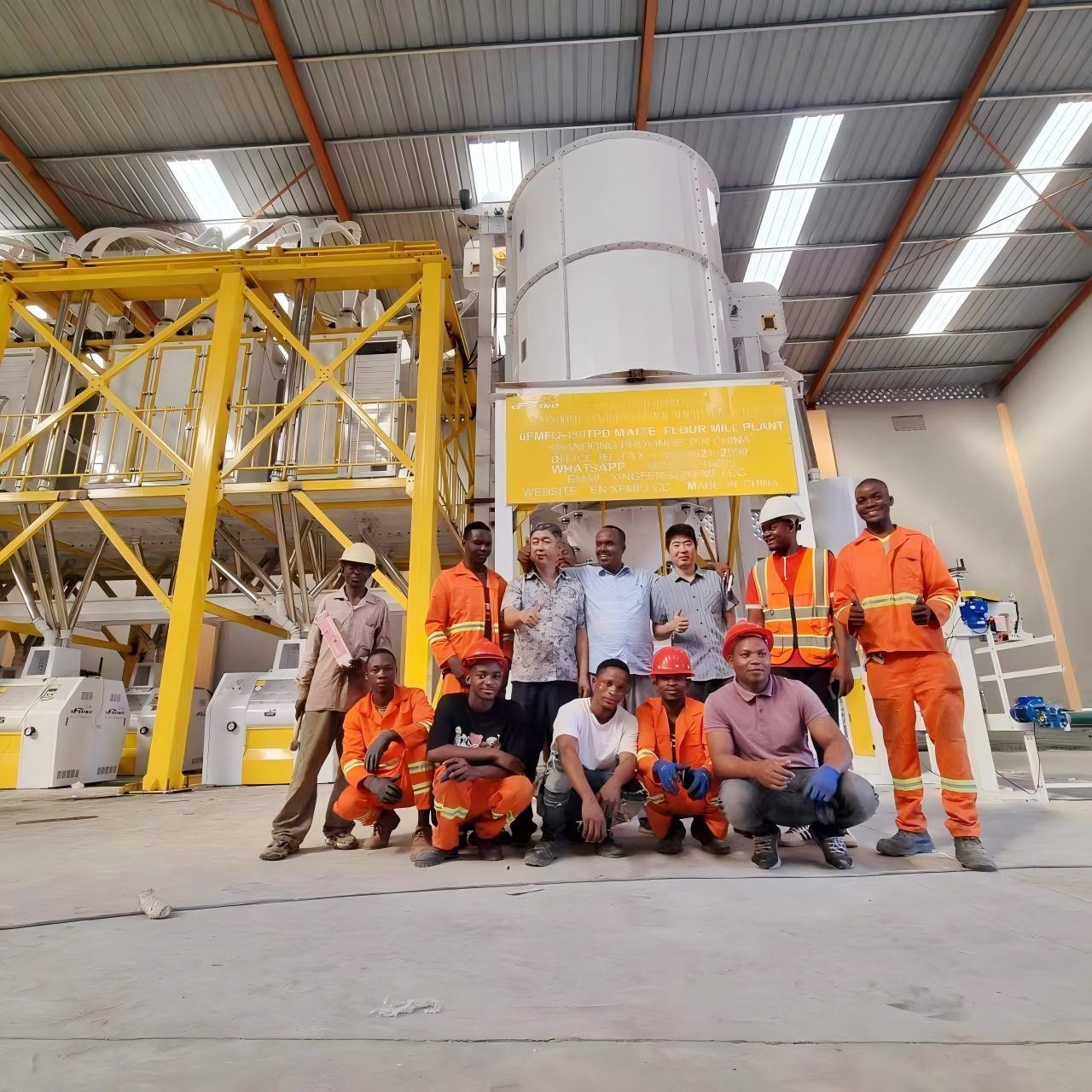
A supplier should provide more than a list of wheat flour milling machines for sale. The project team should understand process design, building planning, equipment matching, installation, commissioning, and operator training.
Xingfeng can be included in the supplier evaluation as a project partner with experience in wheat flour processing system design, equipment manufacturing, installation support, and production commissioning. The investor should request measurable project information, such as the number of completed flour mill projects, installed capacity range, test-run records, extraction results, and customer acceptance documents.
A practical acceptance test may run the plant for 8 to 24 continuous hours after commissioning. The test can record wheat input, flour output, bran output, power consumption, dust leakage, and final flour quality. The contract should define the test method before equipment delivery.
An automatic wheat flour production line can be a good investment when the plant has enough wheat, trained operators, dependable power, and confirmed customers. Automation is most valuable when it controls repeated tasks such as weighing, water dosing, level monitoring, motor sequencing, and packing.
Automation does not remove the need for skilled staff. Operators still need to inspect wheat, adjust roller gaps, review sieve results, manage flour blending, and respond to alarms.
A 100TPD wheat flour mill plant is often the more economical choice for a regional flour business that needs commercial output without the full cost of a large industrial mill. Its financial value comes from capacity balance. The plant can process about 100 tonnes of wheat per day, produce roughly 72 to 78 tonnes of flour at a common extraction range, and support several flour grades when the process is designed correctly.
The final decision should be based on wheat tests, market demand, storage plans, power availability, equipment efficiency, and quality requirements. A detailed wheat flour mill plant layout, accurate conditioning system, reliable roller mill, effective plansifter, and documented inspection program are essential. With proper planning and measurable commissioning targets, a 100TPD wheat flour mill plant can provide a controlled path from raw wheat to consistent commercial flour.
< Previous: None
> Next: Is a 30TPD Wheat Flour Mill Plant Suitable for a New Commercial Mill?

March. 03, 2026

June. 06, 2025

August. 08, 2024
How to Use Wheat Flour Mill Plant Correctly?
This article provides a comprehensive guide on how to use a wheat flour mill plant correctly.

February. 02, 2024

January. 01, 2024

July. 07, 2024