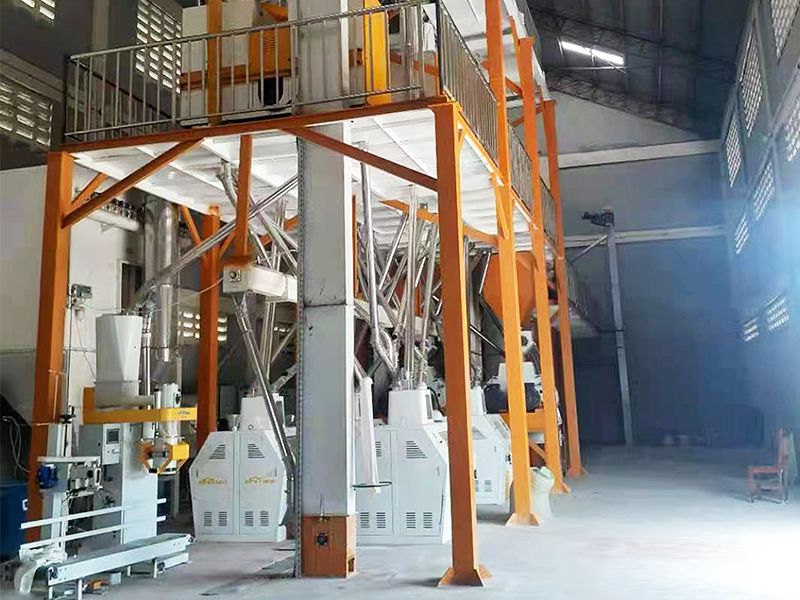
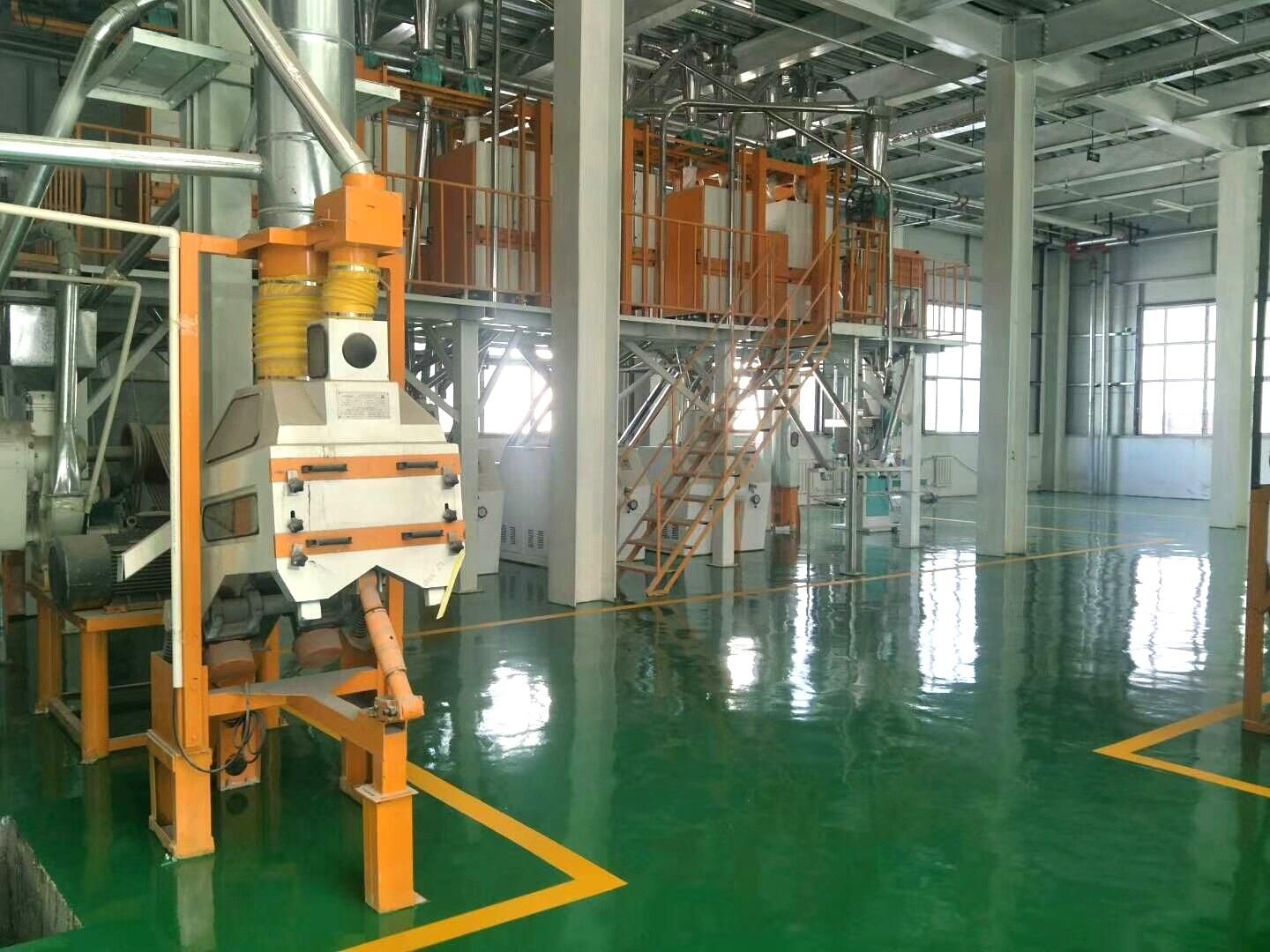
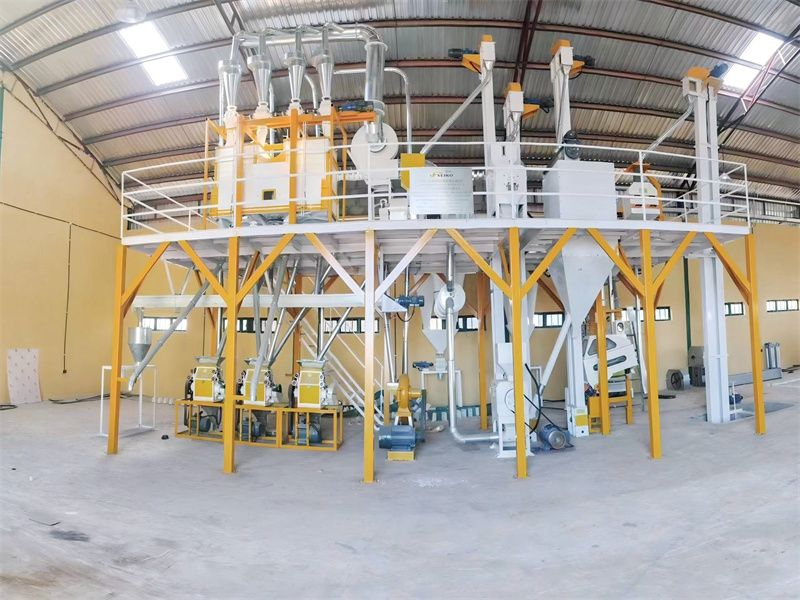
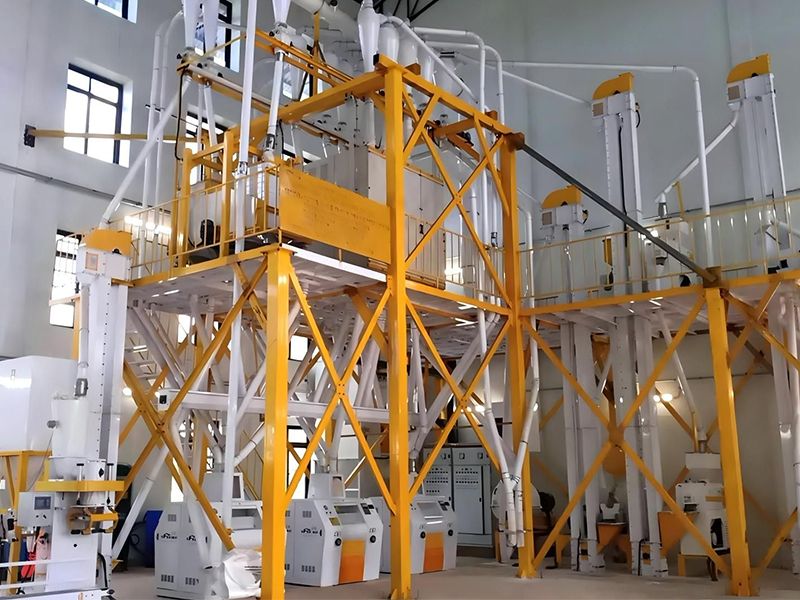
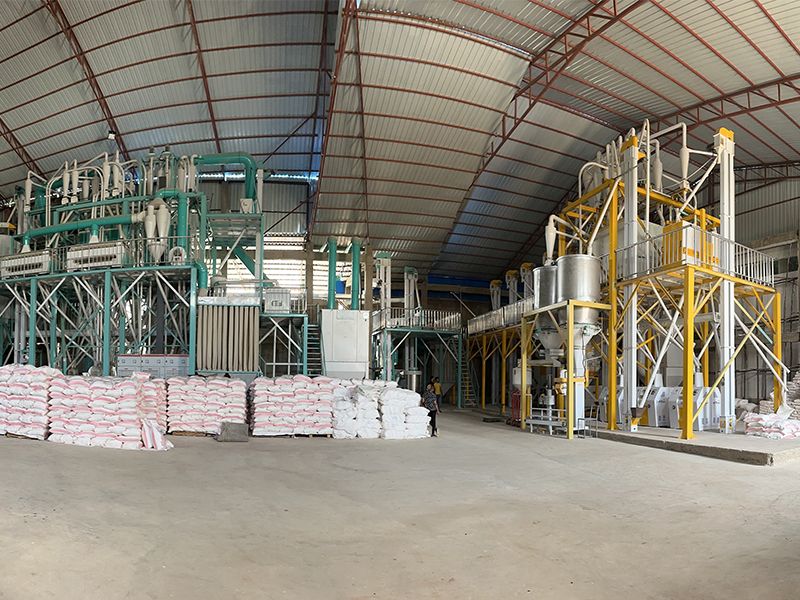
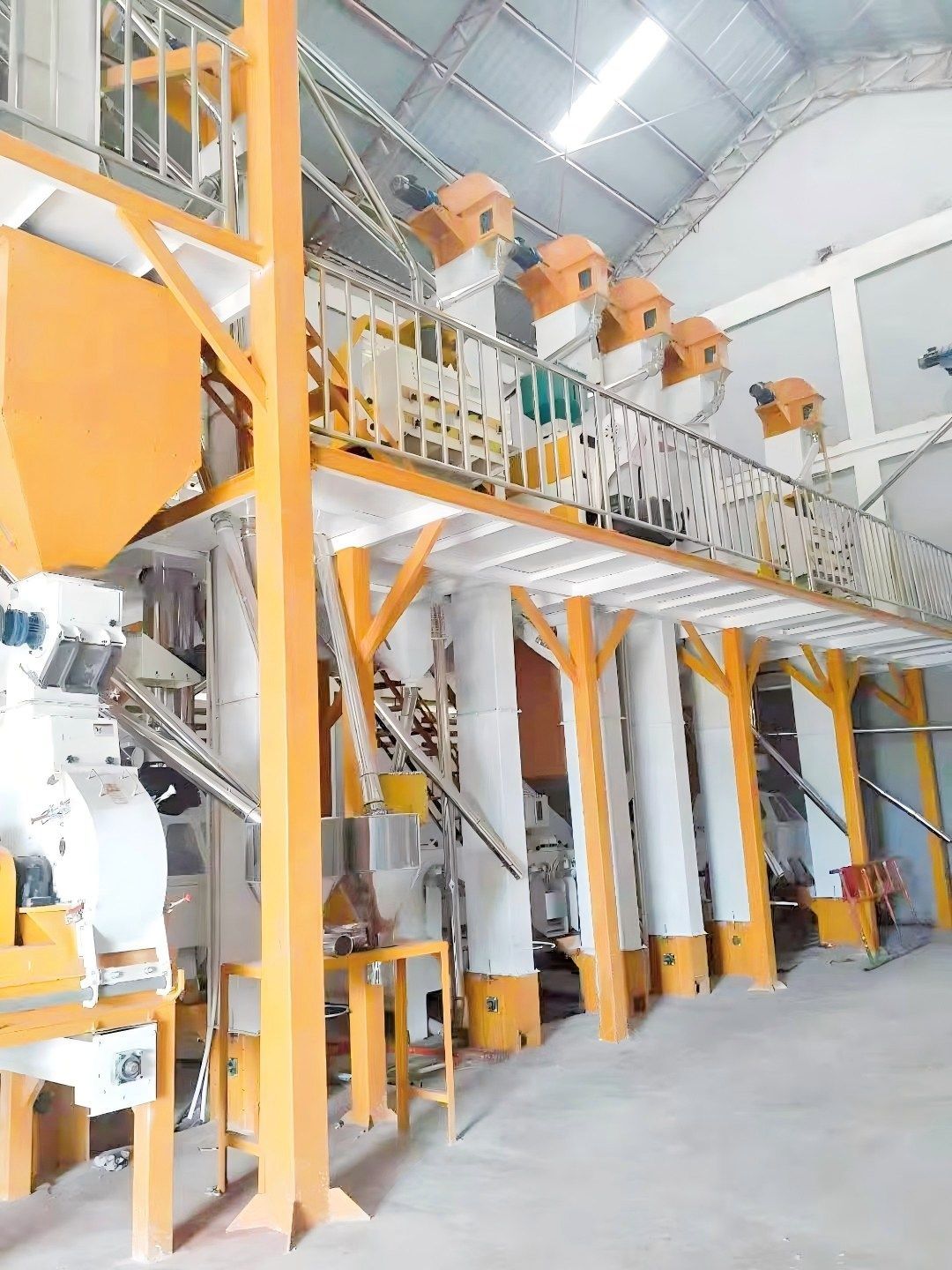
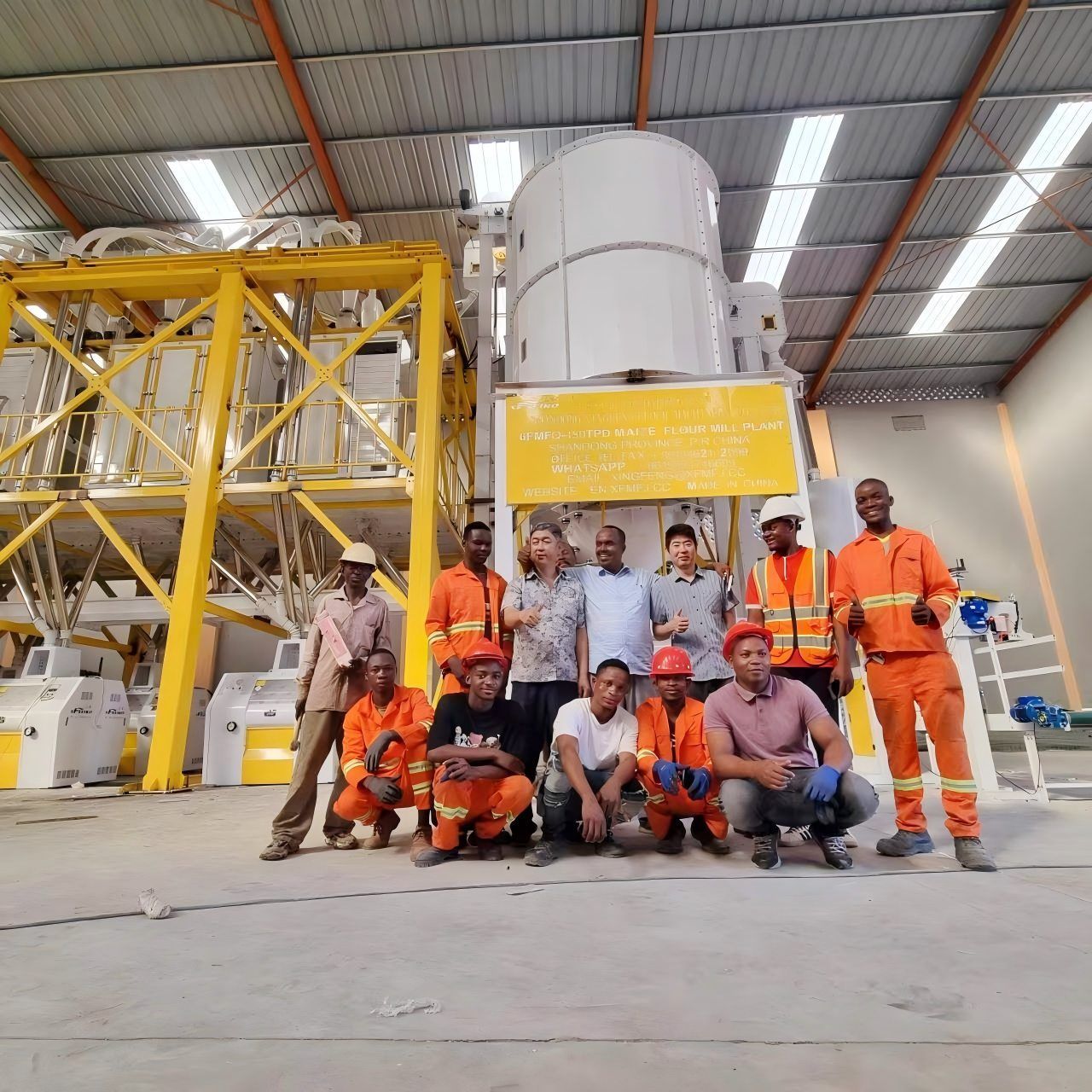
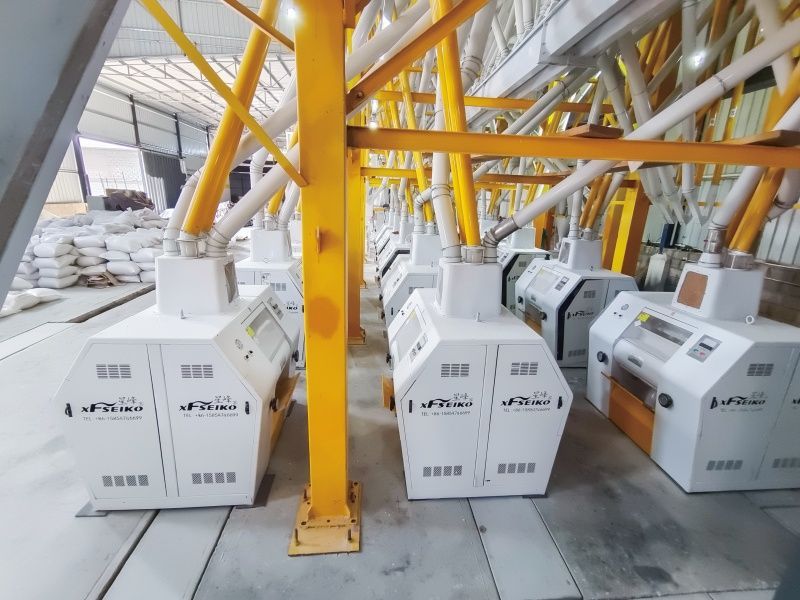
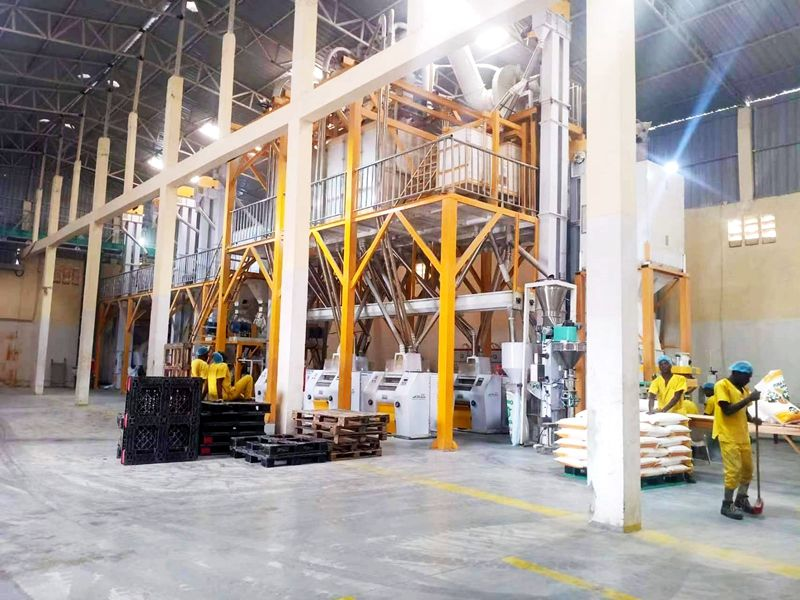
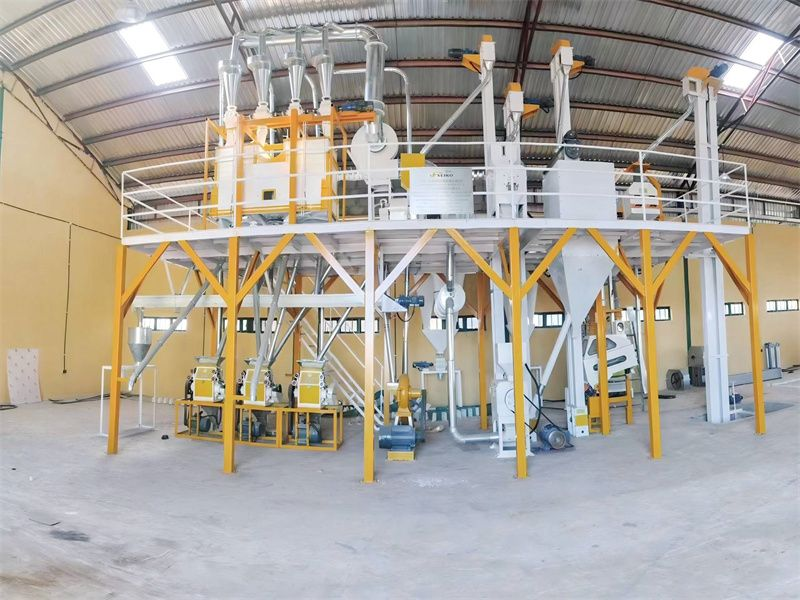
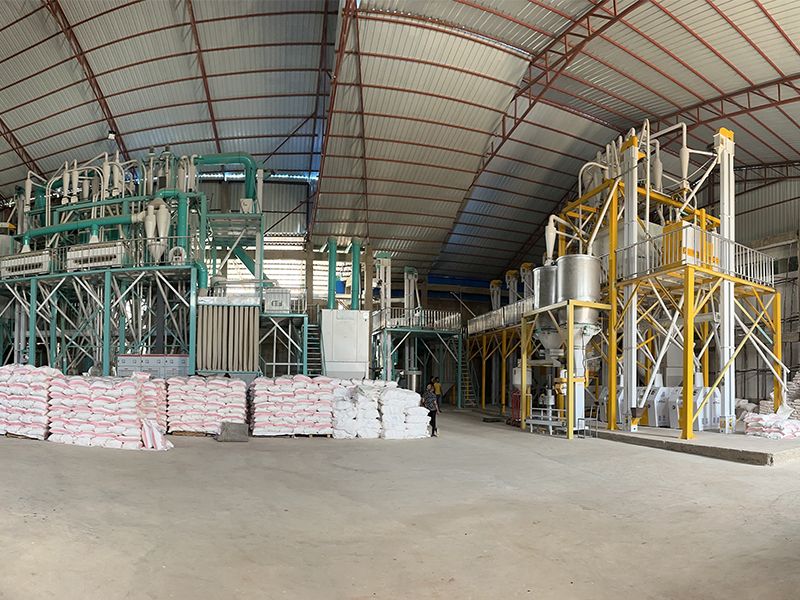
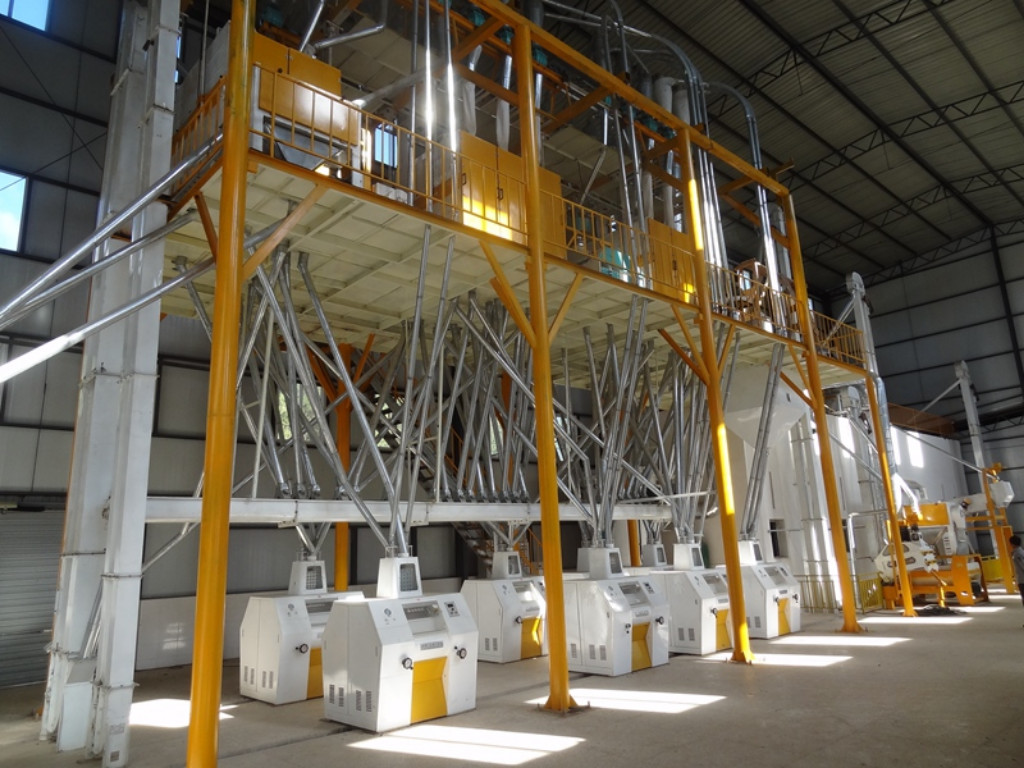
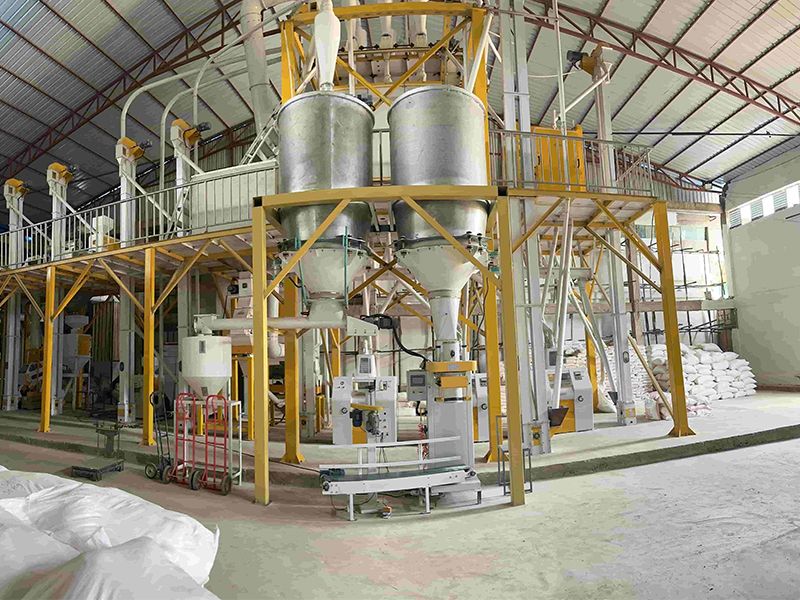
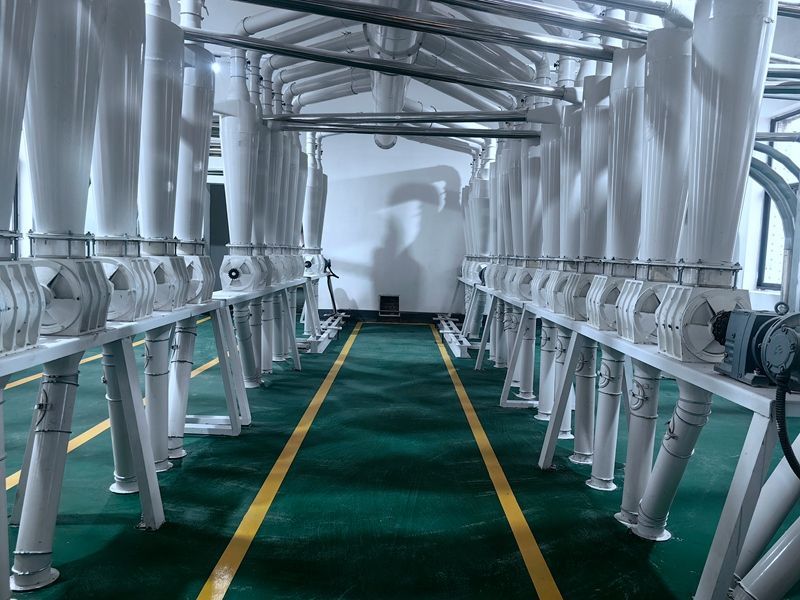
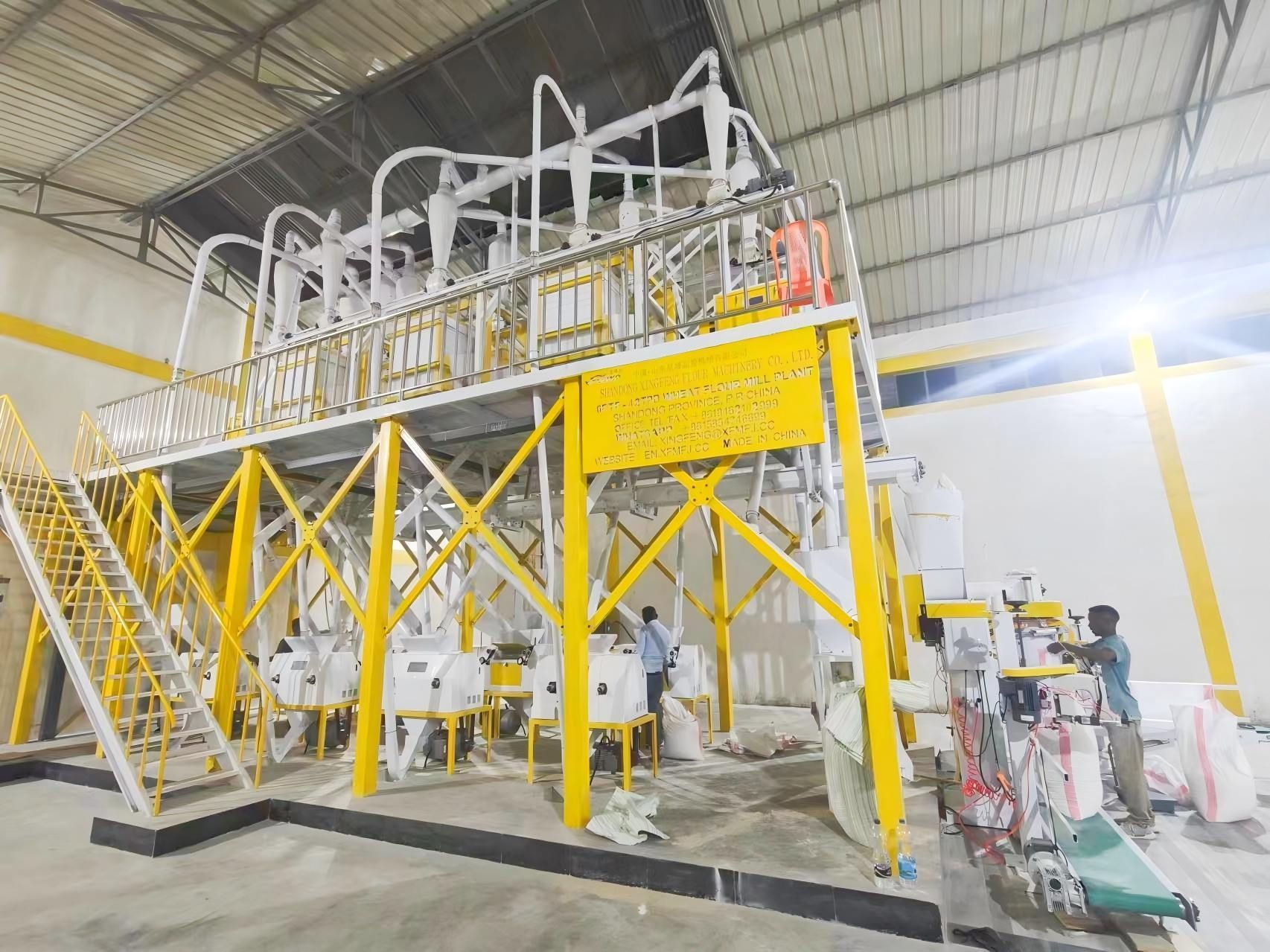
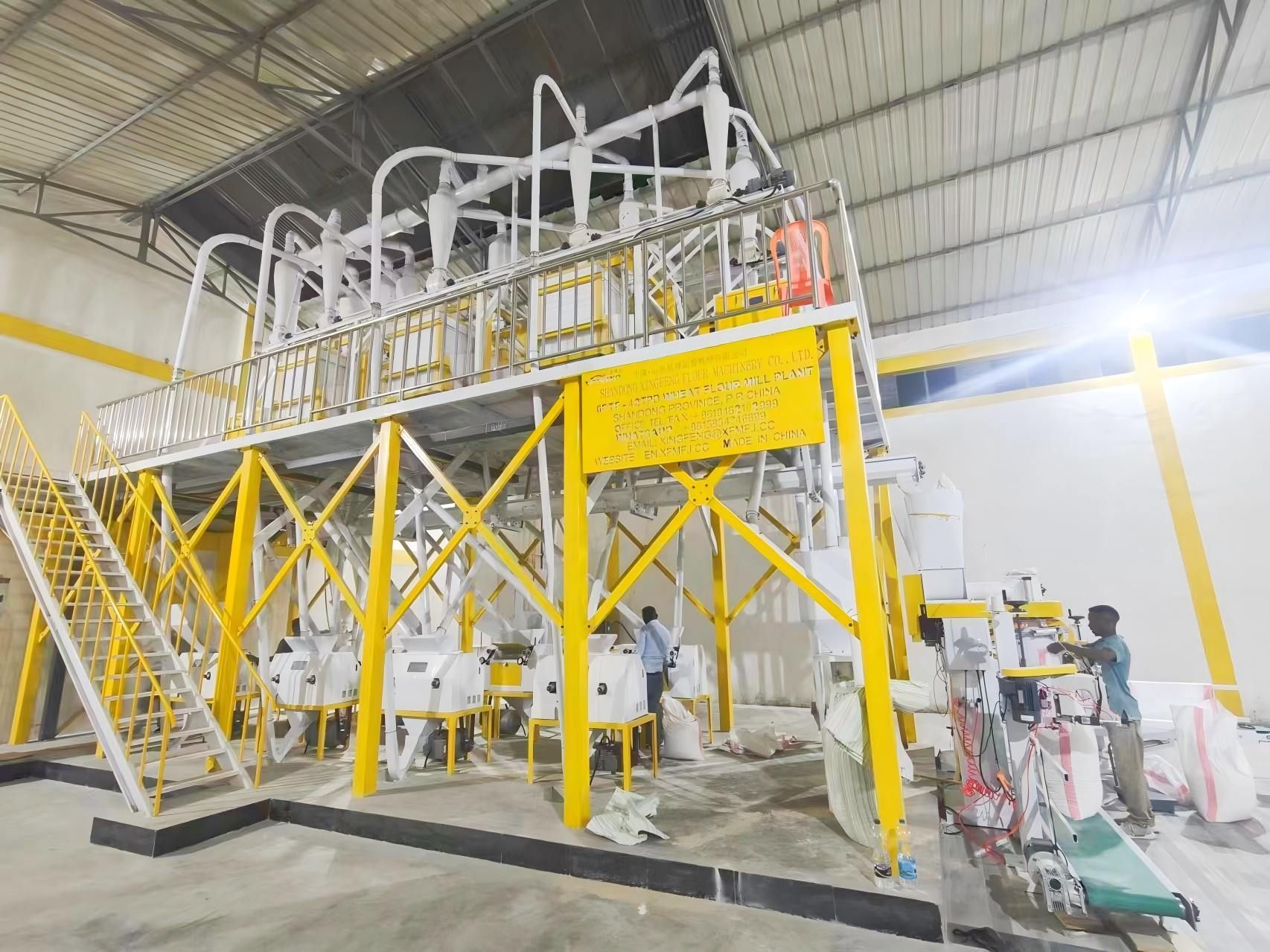
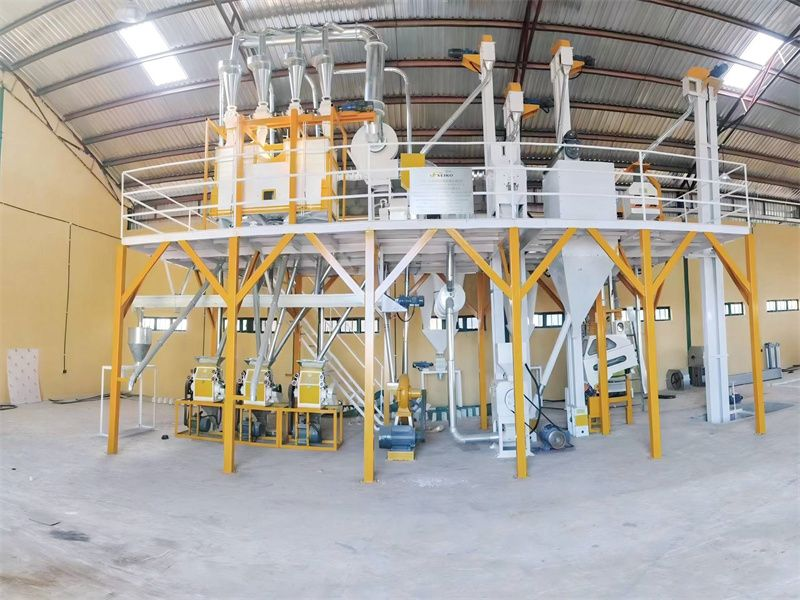
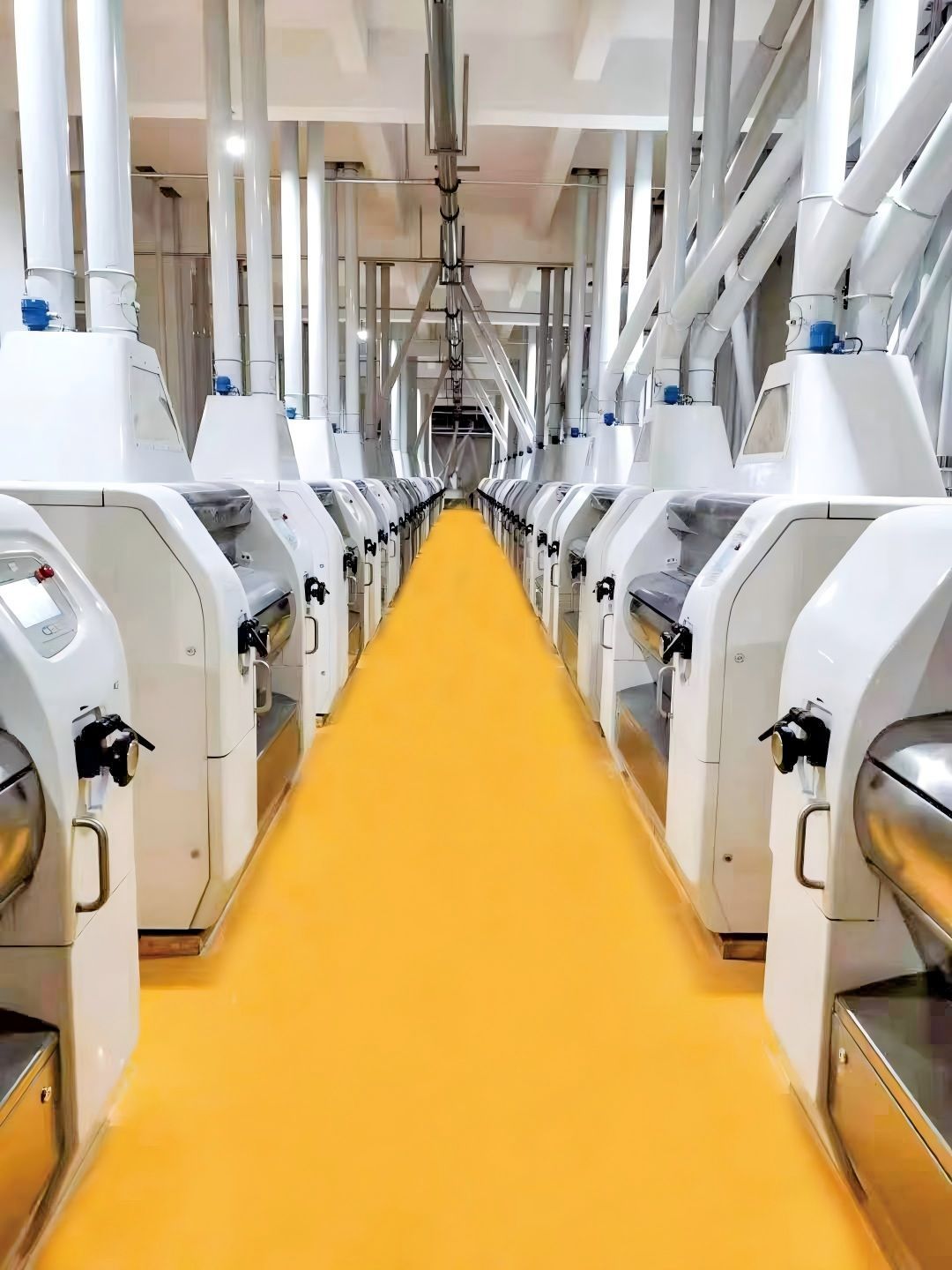
What Changes When Wheat Mill Capacity Grows from 80TPD to 120TPD? In practical terms, a wheat mill increasing from 80TPD to 120TPD raises its nominal processing capacity by 50%, from 80 metric tons of wheat per day to 120 metric tons. This change usually requires larger or additional cleaning, conditioning, milling, pneumatic conveying, sifting, storage, and packing systems. For a flour producer, the upgrade can reduce production bottlenecks, improve order fulfillment, and lower unit processing costs when the plant is correctly engineered. A 120TPD Wheat Flour Mill Plant from a supplier such as Xingfeng should therefore be evaluated as a complete process system, not simply as a larger roller mill.

TPD means tons per day. In wheat milling, it normally describes the quantity of raw wheat entering the plant under defined operating conditions. It does not automatically mean the quantity of finished flour produced.
For example, a mill with a 72% flour extraction rate may theoretically produce approximately:
Actual extraction depends on wheat variety, moisture content, kernel hardness, ash target, flour grade, bran separation, roll adjustment, and operating discipline. Therefore, a supplier should state whether capacity is based on clean wheat intake, first-break throughput, or a complete 24-hour production cycle.
| Operating condition | 80TPD plant | 120TPD plant |
|---|---|---|
| Nominal production over 24 hours | 80 tons/day | 120 tons/day |
| Average hourly throughput over 24 hours | 3.33 tons/hour | 5.00 tons/hour |
| Hourly throughput over 20 operating hours | 4.00 tons/hour | 6.00 tons/hour |
| Nominal capacity increase | — | 50% |
These figures show why the upgrade cannot be limited to adding one machine. Every upstream and downstream section must support the higher mass flow.
The development of modern wheat milling has moved from small, labor-intensive stone or simple roller mills toward automated gradual reduction systems. Contemporary plants use plansifters, pneumatic conveying, impact detachers, purifiers, aspirators, and automated control panels to improve flour consistency and reduce manual handling.
As urban populations grow and buyers demand standardized flour, millers need greater throughput without sacrificing food safety or extraction rate. A 120TPD Wheat Flour Mill Plant is often selected by regional flour companies, institutional suppliers, bakeries, and distributors that have outgrown an 80TPD line but do not yet require a very large industrial complex.
For this type of expansion, Xingfeng can be assessed as a project partner according to the complete technical proposal, including process design, equipment configuration, installation support, commissioning, spare parts, and after-sales service. Buyers should confirm the final specification against their wheat type and flour product range rather than relying only on the stated TPD number.
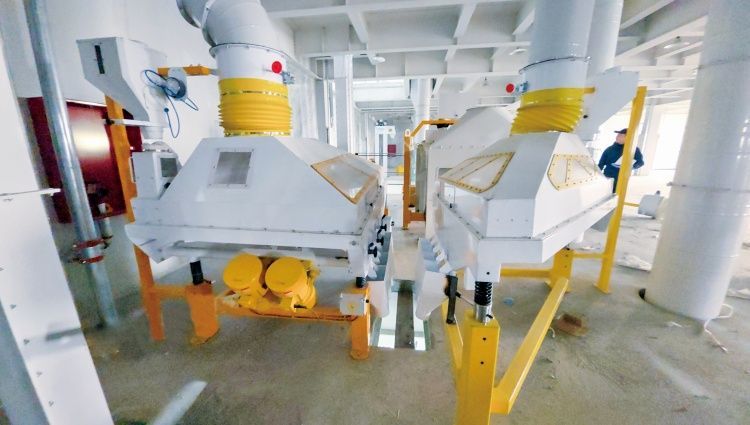
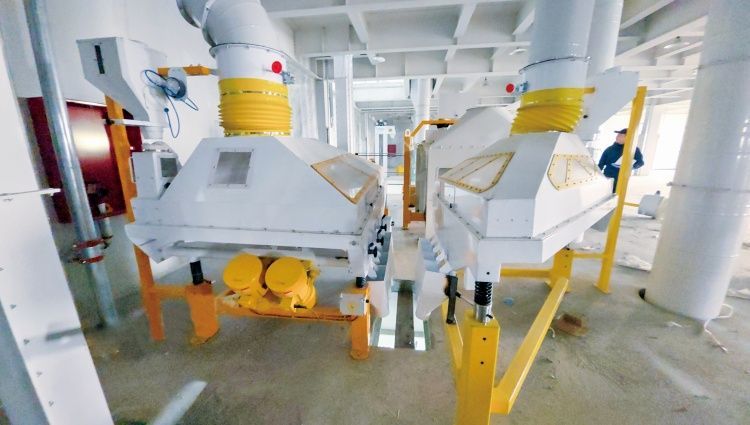
The cleaning house must remove stones, dust, straw, metal, kernels of other grains, and light impurities at a 50% higher intake rate. A larger-capacity design may require higher-throughput equipment or parallel machines, such as:
Tempering capacity is especially important. Wheat must remain in tempering bins for a defined residence time, commonly between 12 and 24 hours depending on wheat hardness and process requirements. If the 120TPD plant processes 120 tons per day, the tempering section must hold enough conditioned wheat to maintain stable production during the required resting period.
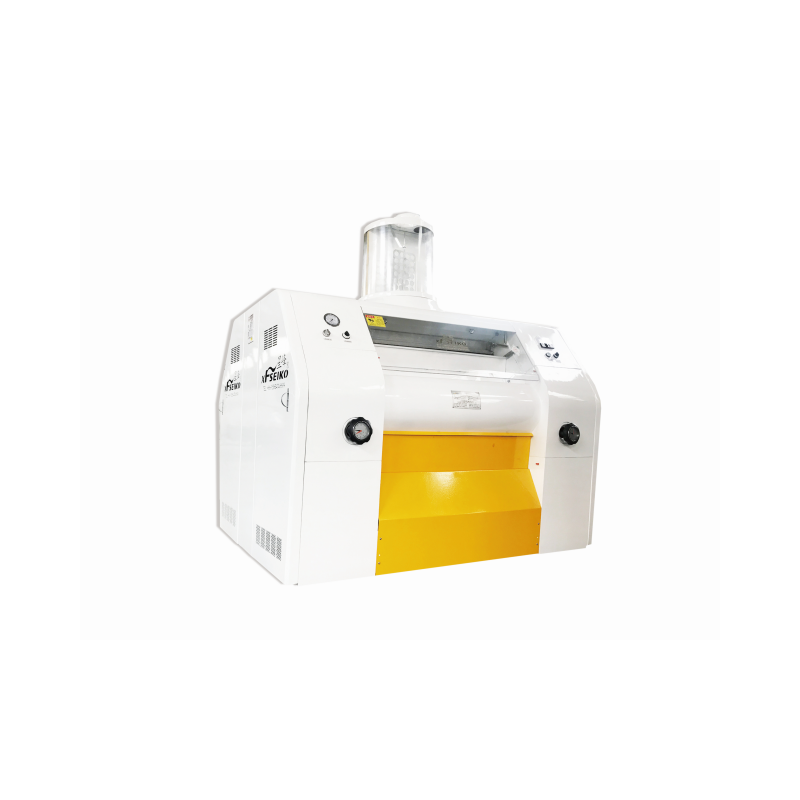
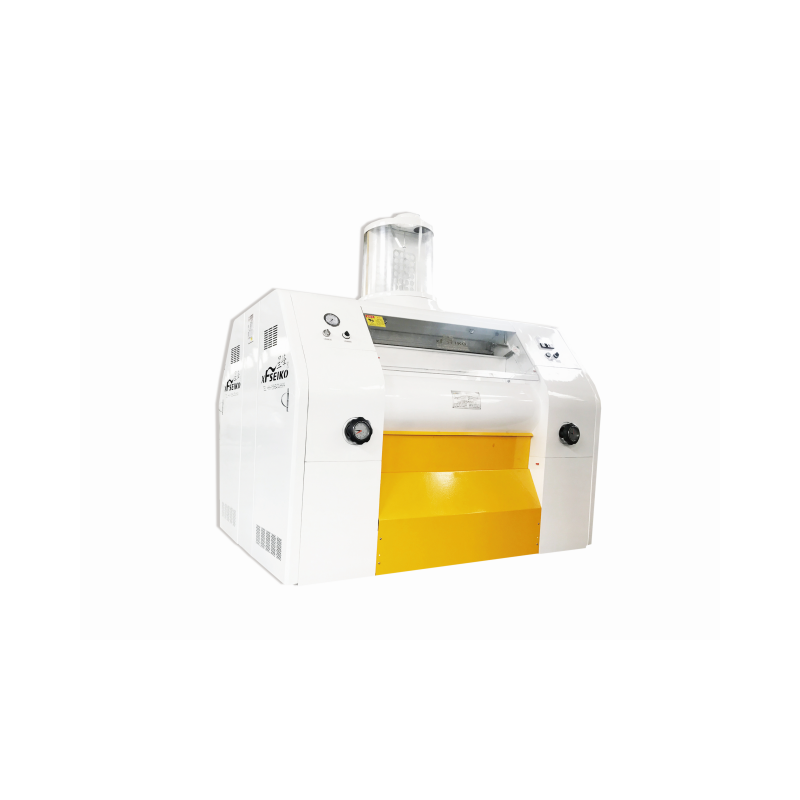
Roller milling separates the wheat endosperm from bran and germ through a sequence of break passages, sieving, purification, and reduction passages. At 120TPD, the plant may need:
The correct configuration depends on the target products. A basic bakery flour line may use a different layout from a plant producing premium patent flour, semolina-type products, whole wheat flour, or multiple retail grades.
Roll gap control also becomes more important as capacity rises. A specification such as adjustment precision to 0.01 mm can help operators control reduction passages, but precision alone does not guarantee flour quality. The mill must also maintain stable feed rate, roll differential, roll temperature, sieve condition, and pneumatic air balance.
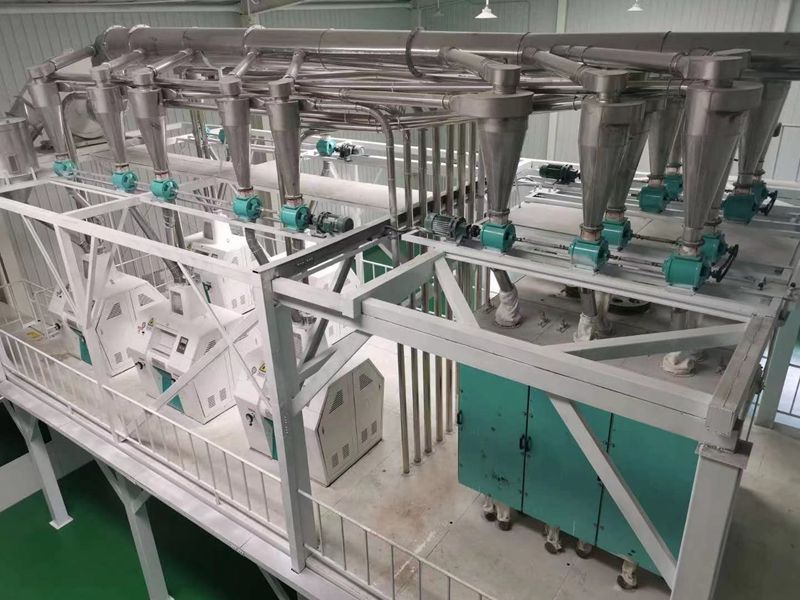
Many modern flour mills use pneumatic conveying to move intermediate stocks and finished flour between machines. When throughput grows from 80TPD to 120TPD, airlocks, fans, filters, cyclones, ducts, and aspiration points must be recalculated.
An undersized fan can cause unstable conveying and material accumulation. An oversized fan may increase energy consumption, flour loss, and dust loading. The engineering design should consider:
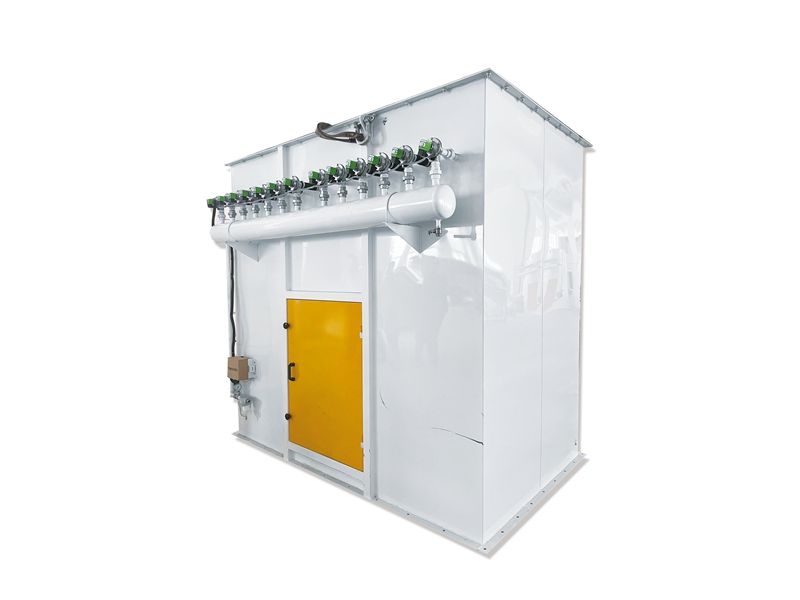
Dust collection is not only an environmental issue. Wheat dust can create occupational health risks and combustible-dust hazards. The final design should be reviewed against applicable local regulations and recognized safety practices, including the relevant requirements for hazardous locations and combustible dust where applicable.
A frequent expansion error is upgrading the milling equipment while leaving the flour bins and packing line unchanged. A 120TPD Wheat Flour Mill Plant can quickly create a downstream bottleneck if finished-product storage, bulk loading, or bagging capacity remains designed for 80TPD.
Expansion planning should review:
For example, if a plant packs 25kg bags, every 1,000 tons of flour represents 40,000 bags. A higher-capacity line may therefore require automatic bag sewing or sealing, robotic palletizing, and better warehouse material flow.
Higher capacity does not inherently reduce flour quality. However, it reduces the time available for operators to correct process deviations. More raw material flows through the system, so variations in wheat moisture, protein, test weight, and hardness can influence flour performance more quickly.
A reliable quality-management program should monitor:
Laboratory equipment should be calibrated and records retained. Buyers may specify methods based on ISO, AACC, ICC, or applicable national standards. ASTM and DIN standards may also be relevant for selected materials, mechanical components, electrical testing, or factory acceptance documentation, but they should not be presented as universal flour-quality standards. The correct test method must match the product and regulatory market.
When evaluating Xingfeng or another supplier, request documentation for the food-contact materials, electrical system, guards, dust-control design, and control cabinet. Depending on the destination country, the project may require:
A strong supplier should support inspection of critical components and maintain a documented quality-control process. Some manufacturers specify 100% inspection of fabricated assemblies or electrical connections, but the buyer should ask what “100% inspection” includes and request the corresponding inspection records.
A 50% increase in wheat throughput does not always create a 50% increase in electricity consumption. The result depends on motor efficiency, pneumatic conveying design, machine loading, automation, and operating hours. Energy should be compared using a specific indicator such as kilowatt-hours per ton of wheat processed.
| Operating factor | Likely effect of moving to 120TPD | Recommended control |
|---|---|---|
| Electricity demand | Higher connected load and peak demand | Perform a full load calculation and motor-efficiency review |
| Labor | May rise slightly or remain similar with automation | Use centralized PLC/SCADA monitoring and operator training |
| Wear parts | Rolls, screens, filters, and bearings may require more frequent service | Prepare a preventive-maintenance schedule and spare-parts list |
| Downtime impact | Each stoppage affects more output | Maintain critical spares and define a 24-hour technical response process |
Preventive maintenance should include roll inspection, sieve-cleaning checks, bearing temperature monitoring, filter differential-pressure checks, belt alignment, pneumatic leakage inspection, and calibration of weighing systems.
TPD normally refers to wheat input, not finished flour output. Extraction rate, by-product value, and flour specifications must be included in the financial model.
The cleaning, tempering, sifting, conveying, dust collection, storage, packing, and electrical systems must all handle the new throughput. A single undersized component can limit the entire plant.
Profit depends on wheat procurement cost, flour extraction, selling price, bran revenue, energy cost, labor, financing, maintenance, and plant utilization. A 120TPD line operating at only 50% utilization may perform worse financially than a well-managed 80TPD plant.
Wheat blending and dampening settings may need adjustment after expansion. Operators should validate the break release, purifier loading, flour ash, moisture, and baking performance through controlled trials.
Consider a regional flour mill processing hard and medium wheat blends. Its 80TPD line produces approximately 57 to 59 tons of flour per day at a 71%–74% extraction rate. Increasing orders from bakeries create regular overtime and delayed deliveries.
The company evaluates a 120TPD Wheat Flour Mill Plant and identifies five main changes:
After commissioning, the mill does not assume that nominal capacity equals guaranteed performance. It conducts a production trial, records tons per hour, checks flour moisture and ash, measures extraction, and verifies packing accuracy. The acceptance criteria should be agreed in advance, for example a defined throughput range, product specification, electrical performance, and stable operation over a specified test period.
This approach answers What Changes When Wheat Mill Capacity Grows from 80TPD to 120TPD? more accurately than simply comparing the number of roller mills. The real change is a coordinated increase in raw-material handling, process control, quality management, and logistics.
Before signing a purchase contract, prepare a technical questionnaire for Xingfeng or any other equipment provider. The following points are essential:
Also request a process flow diagram, general arrangement drawing, foundation loads, utility requirements, electrical single-line diagram, dust-control plan, and recommended spare-parts inventory. These documents allow the buyer to compare quotations on engineering value rather than equipment count alone.
What Changes When Wheat Mill Capacity Grows from 80TPD to 120TPD? The plant handles 50% more wheat, but the implications extend to tempering, roll length, plansifter area, pneumatic conveying, dust collection, electrical demand, storage, packing, maintenance, and quality control. The best 120TPD Wheat Flour Mill Plant is not merely the one with the highest nominal throughput; it is the one that delivers stable extraction, consistent flour quality, safe operation, manageable energy use, and dependable after-sales support.
For a new project or expansion, compare the complete technical proposal from Xingfeng, validate the capacity using your own wheat samples, and define measurable Factory Acceptance Test and Site Acceptance Test criteria. A detailed process audit before purchase can help determine whether a 120TPD upgrade is commercially justified and technically ready for long-term production.
< Previous: None
> Next: When a 100TPD Wheat Flour Mill Plant Becomes the More Economical Choice

July. 07, 2024

August. 08, 2024
How to Use Wheat Flour Mill Plant Correctly?
This article provides a comprehensive guide on how to use a wheat flour mill plant correctly.

February. 02, 2024

June. 06, 2025

January. 01, 2024

March. 03, 2026