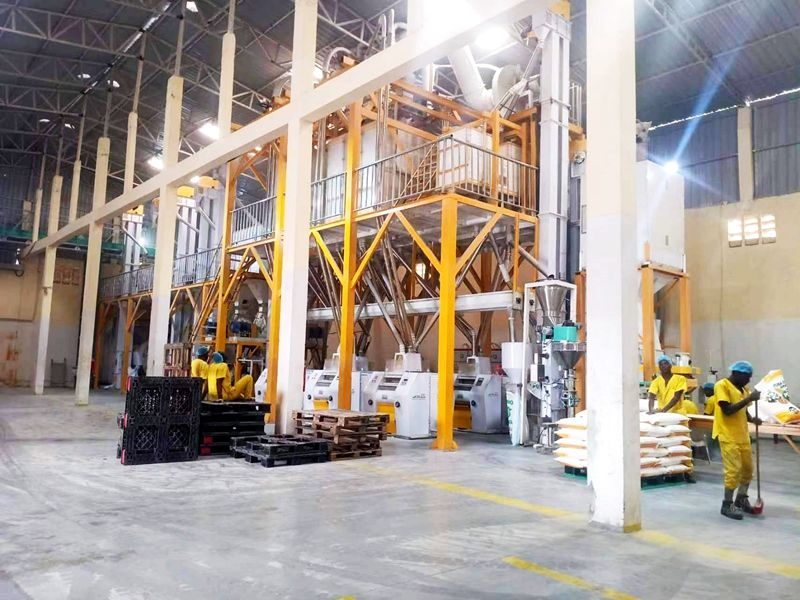
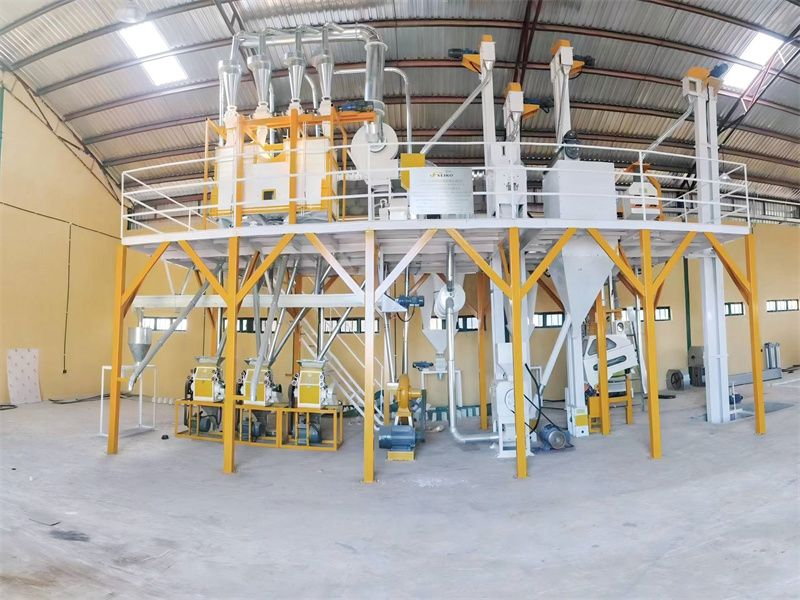
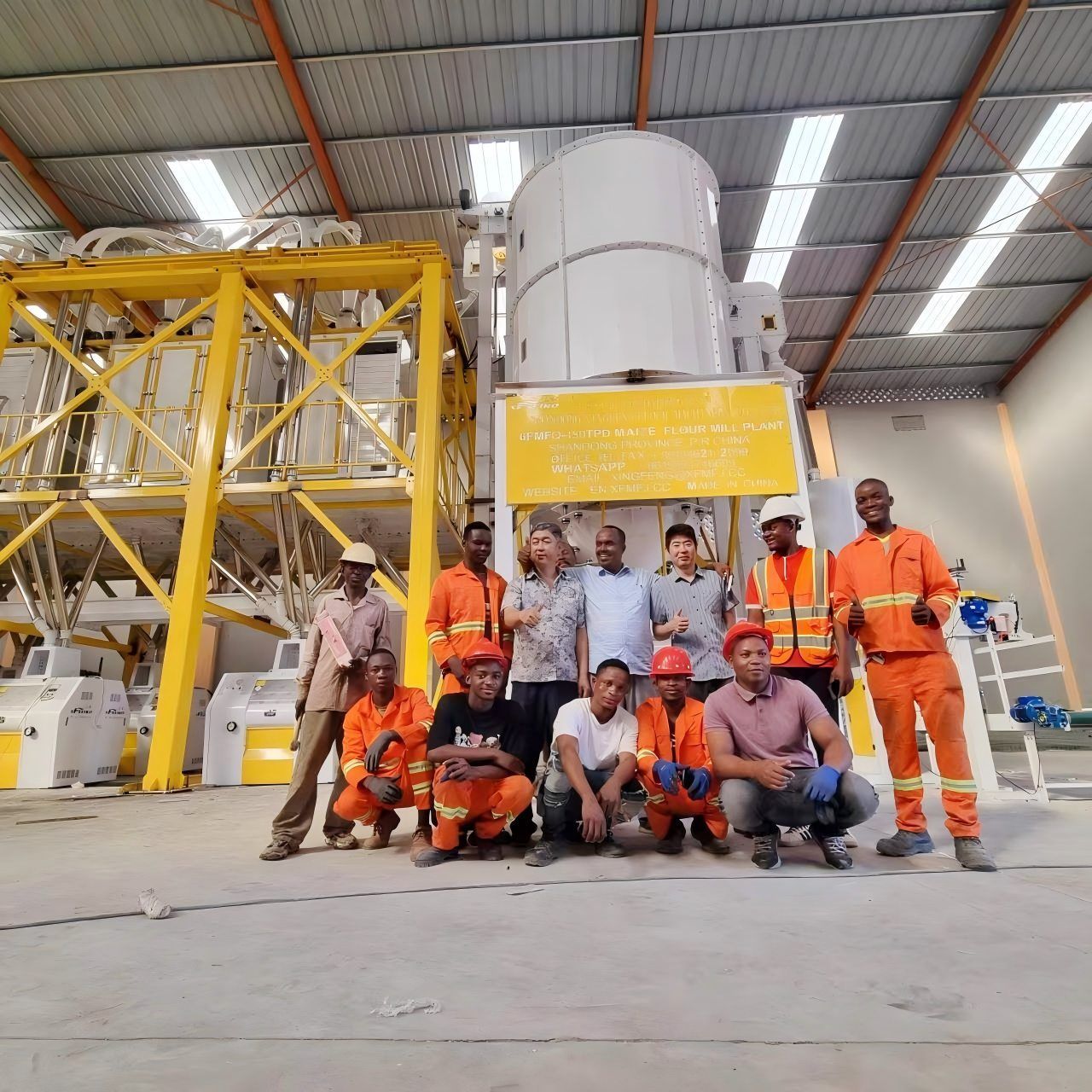
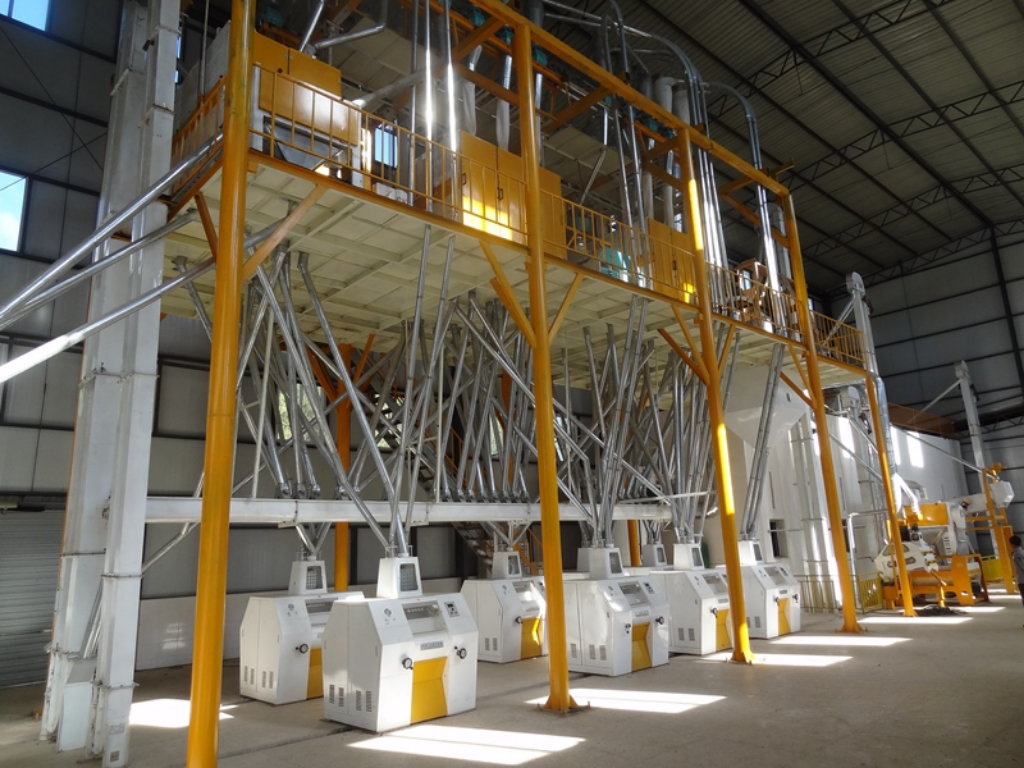
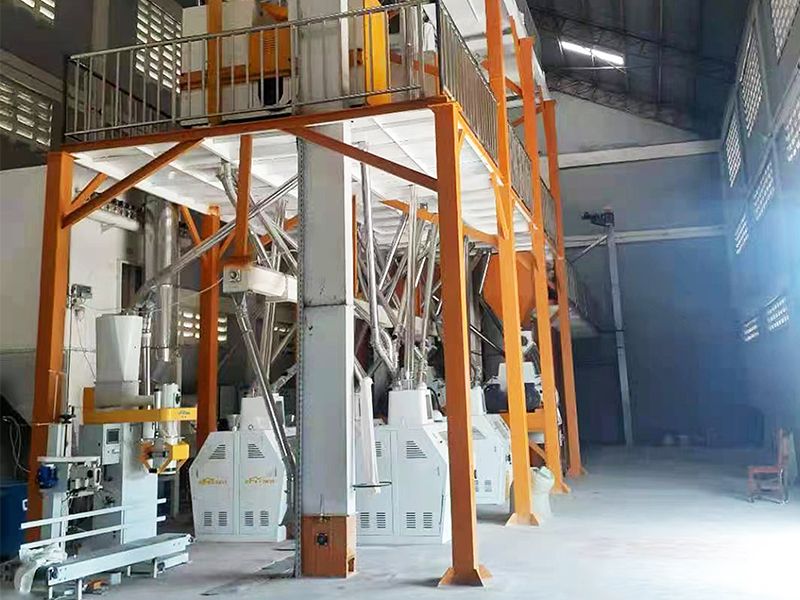
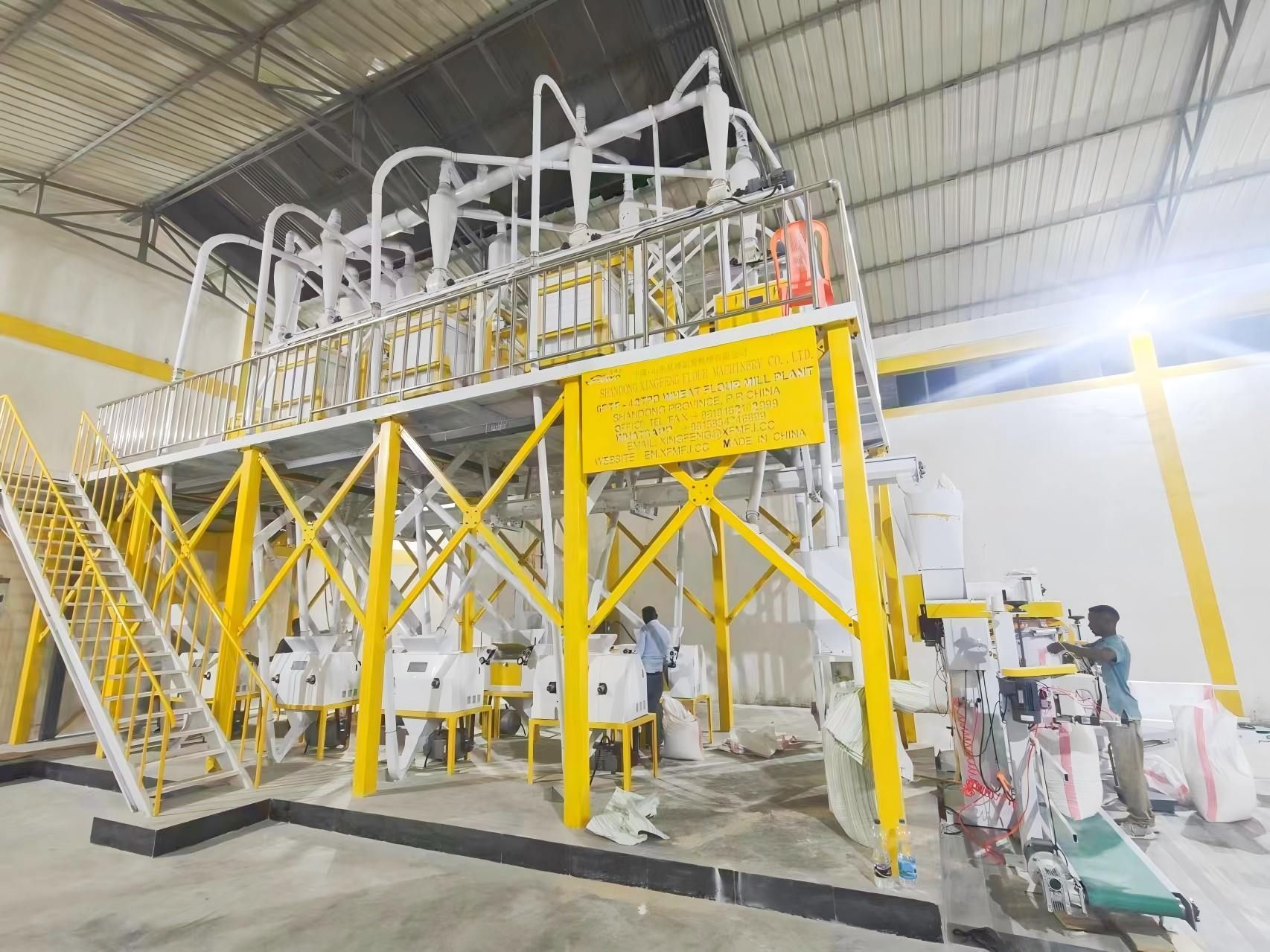
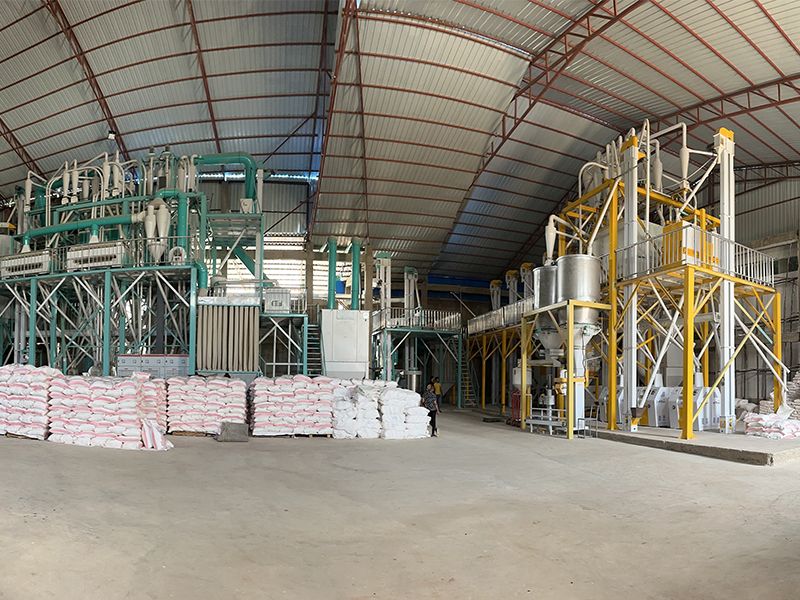
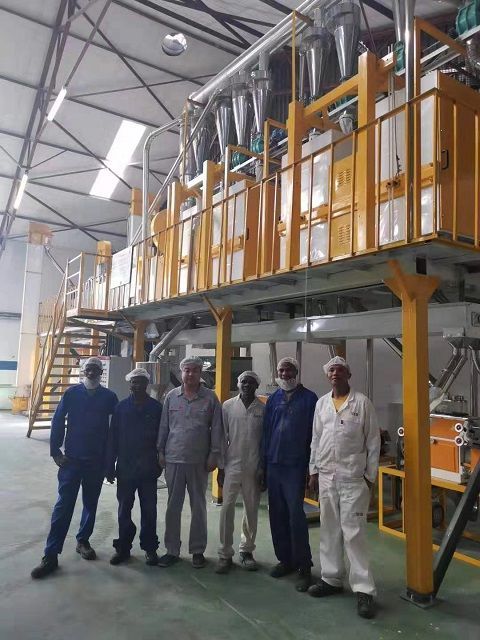
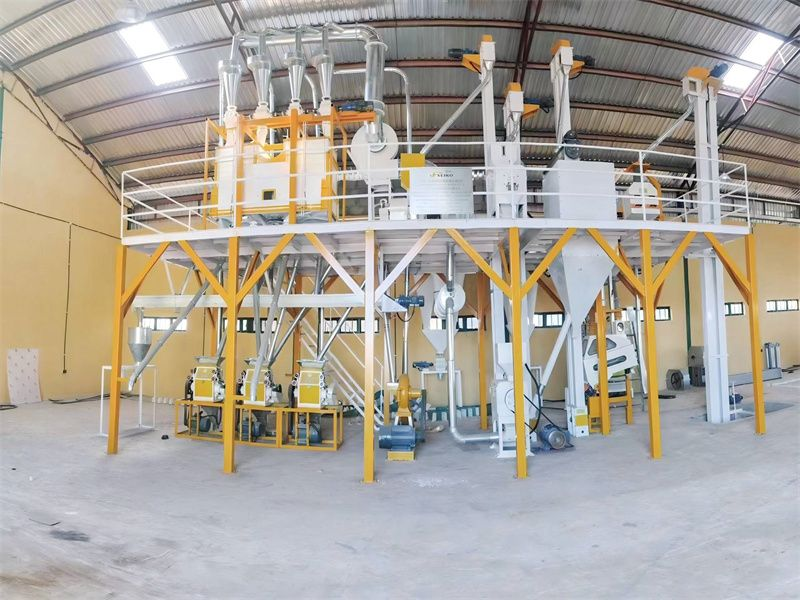
Continuous milling depends on reliable equipment, fast repairs, and a clear spare parts plan. A wheat flour mill or maize milling plant can lose production when one low-cost component stops a high-value machine. Preventive maintenance, critical spare parts, and inventory management should therefore be planned together. The main targets are the roller mill, plansifter, purifier, and pneumatic conveying system. Correct stock levels help a 260 TPD mill reduce emergency purchasing and protect product quality. Xingfeng helps overseas mill owners organize spare parts by machine, risk, and replacement time.

1. Why Spare Parts Planning Matters in Continuous Milling
A continuous mill may run for 16 to 24 hours each day. This operating pattern creates repeated stress on bearings, belts, screens, seals, rollers, and electrical parts. If a small part fails, the whole process may stop. The cost includes lost flour output, delayed deliveries, labor waiting time, and possible damage to other machines.
Spare parts planning changes repair work from an emergency reaction into a controlled process. The mill team knows which parts must be stored, which parts can be ordered locally, and which parts require overseas delivery. This decision is especially important for distributors and plants operating far from the original equipment supplier.
The main user questions
- Which spare parts are critical for a wheat or maize mill?
- How many parts should a 260 TPD mill keep in stock?
- How can a mill avoid overstocking slow-moving items?
- How often should spare parts be inspected?
- What information should be sent to the supplier before ordering?
2. Classify Spare Parts by Failure Risk and Lead Time
Not every component needs the same stock level. A practical plan uses three factors: failure probability, effect on production, and replacement lead time. A part with a low price can still be critical if it stops the entire line. A costly part may need only one backup if its failure rate is low and its service life is long.
| Part category | Typical examples | Production risk | Recommended action |
|---|---|---|---|
| Critical production parts | Roller bearings, screen frames, drive belts, motor contactors | High | Keep on site and inspect monthly |
| Wear parts | Plansifter screens, scraper blades, seals, sieve cloth | Medium to high | Set reorder points from usage records |
| Safety and control parts | Limit switches, sensors, fuses, emergency stop components | High | Keep sealed backup units |
| Long-life mechanical parts | Roller shafts, pulley bodies, machine housings | Medium | Order by condition and supplier lead time |
| General consumables | Grease, bolts, nuts, cleaning tools | Low to medium | Buy locally when quality is acceptable |
Use a simple risk score
Each part can receive a score from 1 to 5 for failure frequency, production impact, and delivery time. Multiply the three scores. Parts with a total above 50 should normally be treated as critical. This simple method gives operators a common rule and prevents purchasing decisions based only on price.
Risk score = failure frequency x production impact x supplier lead time
For example, a plansifter screen may wear regularly, stop one section, and take 30 days to import. It deserves a higher stock level than a standard bolt that can be bought in the local market within one day.
3. Build a Machine-by-Machine Spare Parts List
A complete list should follow the process flow of the mill. This makes it easier to connect each spare part with a machine, failure symptom, and maintenance task. The list should include the part name, drawing number, material, size, supplier, normal service life, and storage location.
Wheat cleaning and conditioning section
Common spare parts include screen cloth, aspiration seals, rubber curtains, elevator belts, bucket fasteners, bearings, valves, and level sensors. Dust can enter moving parts when seals are damaged. Moisture control can also increase wear if the conditioning system is not cleaned and adjusted correctly.
Roller mill section
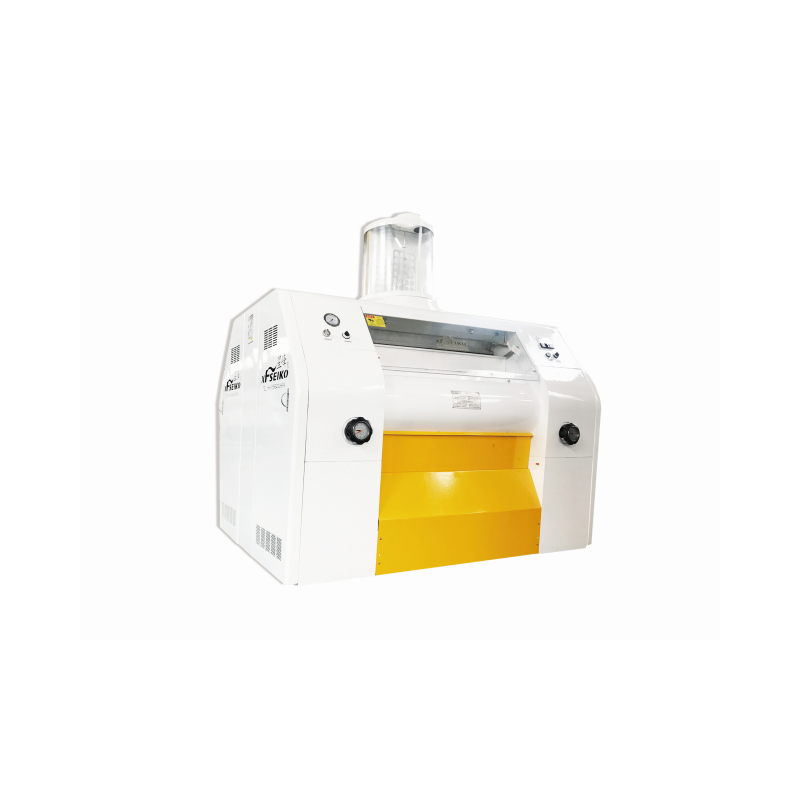
The roller mill needs special attention because it controls the main grinding action. Typical parts include roller bearings, bearing seals, belt sets, pulley bushes, scrapers, feed gate parts, and roll adjustment components. Roller surfaces may require replacement or reconditioning after long service, depending on grain hardness, feed rate, and operator settings.
Plansifter and purifier section
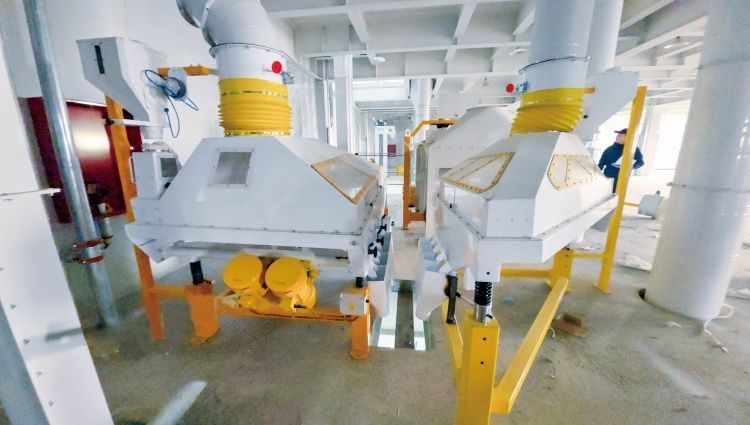
Plansifter screens, sieve frames, tension parts, rubber balls, seals, and drive bearings are common wear items. A torn screen can change flour extraction and allow particles into the wrong stream. Keep screen specifications by section, mesh size, and product requirement. Do not store all screens under one general description.
Pneumatic conveying and dust control
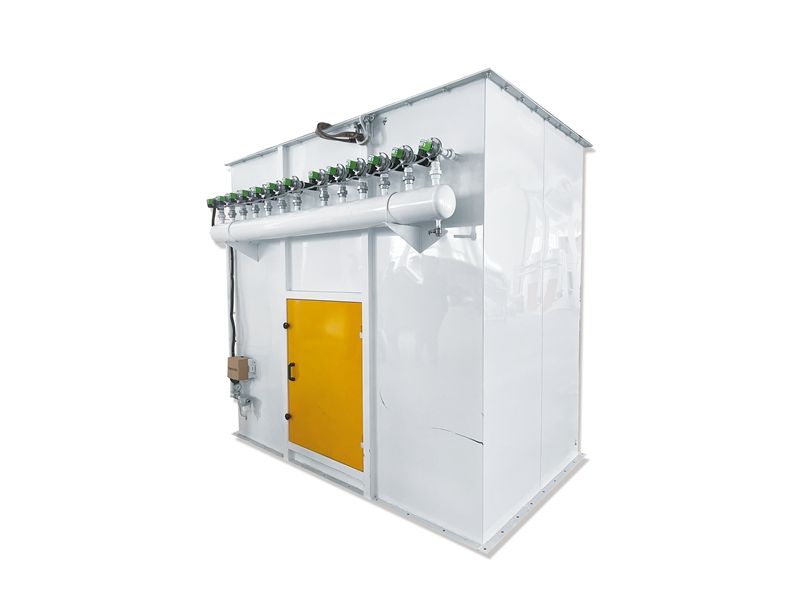
Airlocks, flexible connectors, filter sleeves, fan belts, duct gaskets, pressure sensors, and fan bearings should be recorded. A blocked filter or leaking duct can reduce conveying capacity. It may also raise dust levels around the plant and increase cleaning work.
Maize milling equipment
Maize plants may require dehuller parts, degerminator wear plates, maize roller parts, screens, hammer mill screens, aspiration components, and product discharge valves. Hard maize, high feed rates, and foreign material can increase wear. The correct spare list must match the maize variety, moisture level, and final product, such as maize meal, grits, or flour.
4. Calculate Stock Levels for a 260 TPD Mill
Stock planning should use actual operating data instead of a fixed guess. Record how many parts are used during a month, how long suppliers need to deliver, and how often shipments are delayed. A small safety stock is then added to cover demand changes and transport risk.
Basic reorder point formula
Reorder point = average daily use x supplier lead time in days + safety stock
If a mill uses one plansifter screen every 20 days, average daily use is 0.05 screen. If the supplier needs 30 days, expected demand during delivery is 1.5 screens. With one additional screen as safety stock, the reorder point is 2.5 screens, which can be rounded up to 3 screens.
| Part type | Suggested starting stock | Review period |
|---|---|---|
| Bearings for critical drives | 1 complete replacement set per drive type | Monthly |
| Plansifter screens | One to three sets per specification | Every two weeks |
| Belts and seals | Two replacement sets per size | Monthly |
| Sensors, fuses, and contactors | Two to five units per common model | Every three months |
| Special shafts and rollers | One unit or supplier-held reserve | Every six months |
These figures are starting points, not universal rules. A new plant should review them after the first 90 days. After 12 months, the owner can use actual consumption, failure history, and seasonal demand to set more accurate levels.
5. Follow a Step-by-Step Spare Parts Planning Process
A repeatable process helps maintenance, production, purchasing, and warehouse teams work from the same information. The following flow can be used during plant installation and regular operation.
- List every machine and identify its key components.
- Mark each component as critical, wear-related, safety-related, or general.
- Record part numbers, technical specifications, and approved suppliers.
- Check current stock, storage condition, and expiration risk.
- Calculate monthly use and supplier lead time.
- Set minimum stock, maximum stock, and reorder point.
- Inspect parts after delivery and label each storage location.
- Review usage and failures every month.
Flow chart: Machine survey, part classification, data recording, stock calculation, purchase approval, goods inspection, labeled storage, monthly review, plan update.
Use one part number for one specification
Many ordering errors happen because staff use different names for the same part. One record should show the exact model, size, material, and drawing reference. For example, a bearing record should include its complete bearing code, not only the word bearing. A screen record should include length, width, mesh, frame type, and installation position.
6. Store Spare Parts to Protect Their Service Life
Correct stock is not useful if it is damaged before installation. Bearings should remain sealed in a clean and dry room. Rubber belts and seals should be protected from direct sunlight, heat, oil, and sharp edges. Screens should be stored flat or in the position recommended by the manufacturer to prevent bending.
Use the first-in, first-out method for lubricants, rubber products, and other items with a storage life. Keep heavy components on strong shelves. Place small electrical parts in labeled boxes. A simple warehouse map should show the shelf, row, and bin for every critical item.
Monthly warehouse inspection checklist
- Check packaging, rust, dust, moisture, and physical damage.
- Compare physical quantity with the inventory record.
- Review parts that have passed their recommended storage period.
- Confirm that critical parts are easy to reach.
- Check that replacement parts match the current machine model.
7. Connect Spare Parts With Preventive Maintenance
Spare parts planning works best when it follows the maintenance schedule. Daily checks may include belt tension, unusual noise, product leakage, and dust accumulation. Weekly checks may include screen condition, bearing temperature, and fastener tightness. Monthly checks may include alignment, electrical connections, and safety devices.
Maintenance records should state the date, machine, operating hours, failed part, failure reason, replacement quantity, and technician. These records show whether a part failed because of normal wear, incorrect installation, poor lubrication, excessive feed, or contamination.
Use failure data to improve the list
If the same belt fails three times in six months, the solution may not be simply to buy more belts. The team should check pulley alignment, tension, load, and belt quality. If a bearing fails early, inspect lubrication, shaft condition, dust protection, and installation tools. More stock does not correct an unresolved operating problem.
8. Compare Local Purchasing With Original Supplier Purchasing
Local purchasing can reduce delivery time for standard bolts, grease, electrical fuses, and common belts. However, the part must meet the required size, material, tolerance, and working temperature. An incorrect bearing or seal may fit during installation but fail after a short operating period.
Original supplier purchasing is often safer for special screens, roller components, machine-specific seals, control modules, and engineered assemblies. The supplier can match the part with the plant design and provide installation guidance. Xingfeng can support distributors by preparing a machine-based spare parts list before shipment.
| Purchase source | Advantages | Risks | Best use |
|---|---|---|---|
| Local supplier | Fast delivery and lower transport cost | Possible quality or size mismatch | Standard consumables and hardware |
| Original equipment supplier | Correct fit and technical support | Longer lead time and import cost | Special or machine-specific parts |
| Approved distributor | Local service and known quality | Availability may vary | Regular maintenance items |
9. Avoid Five Common Spare Parts Planning Mistakes
- Buying only after failure: Emergency orders usually cost more and extend downtime.
- Keeping too many parts without records: Overstock ties up cash and may hide expired or incorrect items.
- Ignoring lead time: Overseas delivery may take several weeks, including production, customs, and transport.
- Using unclear descriptions: A wrong size can delay repair even when the warehouse shows enough stock.
- Not reviewing failure causes: Replacing parts without correcting the cause creates repeated downtime.
A better plan balances availability and cost. The target is not to store every component. The target is to keep the parts that protect production, food safety, operator safety, and repair speed.
10. Prepare a Supplier Spare Parts Request
When contacting a supplier, send the plant capacity, machine name, part number, quantity, photos, dimensions, and required delivery date. Include the country of installation because voltage, customs rules, and local service conditions may affect the recommendation.
For a 260 TPD wheat flour mill, the request should separate cleaning, milling, sifting, packing, electrical control, and conveying parts. For a maize milling plant, include the product type and maize processing steps. This information helps the supplier avoid sending general parts that do not match the actual machine.
Information required for each item
- Machine name and section
- Part name and complete model
- Drawing or position number
- Material and dimensions
- Required quantity
- Normal replacement interval
- Current stock quantity
- Expected delivery date
11. Practical 30-Day Action Plan
During days 1 to 7, inspect all machines and record installed component details. During days 8 to 14, classify parts by risk and measure current warehouse stock. During days 15 to 21, calculate reorder points and request quotations for missing critical parts. During days 22 to 30, label storage areas, train staff, and issue the first monthly review report.
After this first cycle, the mill should track downtime hours, part consumption, repair response time, and repeat failures. A quarterly review can then reduce unnecessary stock while increasing protection for high-risk items.
12. Frequently Asked Questions
How many spare parts should a continuous mill keep?
There is no single number for every plant. Start with one replacement set for each critical drive, two sets of common belts and seals, and one to three sets of high-use screens. Adjust the quantity after 90 days of operating data and supplier lead-time review.
Which parts should never be allowed to reach zero stock?
Critical bearings, drive belts, safety sensors, common fuses, machine-specific seals, and important screen specifications should normally have a backup. The final list depends on the plant design and local purchasing options.
Should a mill buy genuine parts or local alternatives?
Use approved local alternatives only when the technical specification is equal or better. For special roller mill parts, plansifter screens, control modules, and engineered seals, the original supplier is usually the safer choice.
How often should spare parts inventory be checked?
Check critical parts every month, high-use wear parts every two weeks, and long-life mechanical parts every three to six months. A full inventory audit should be completed at least once each year.
Conclusion: Plan Parts Before the First Breakdown
Continuous wheat and maize milling requires more than a machine purchase. It requires a working spare parts system based on risk, lead time, consumption, and maintenance records. A clear list for the roller mill, plansifter, purifier, conveying system, and control panel can reduce repair delays and protect daily output. Xingfeng can help overseas buyers and distributors prepare a practical spare parts package for a 260 TPD wheat flour mill plant. The best time to plan critical parts is before commissioning, not after production stops.