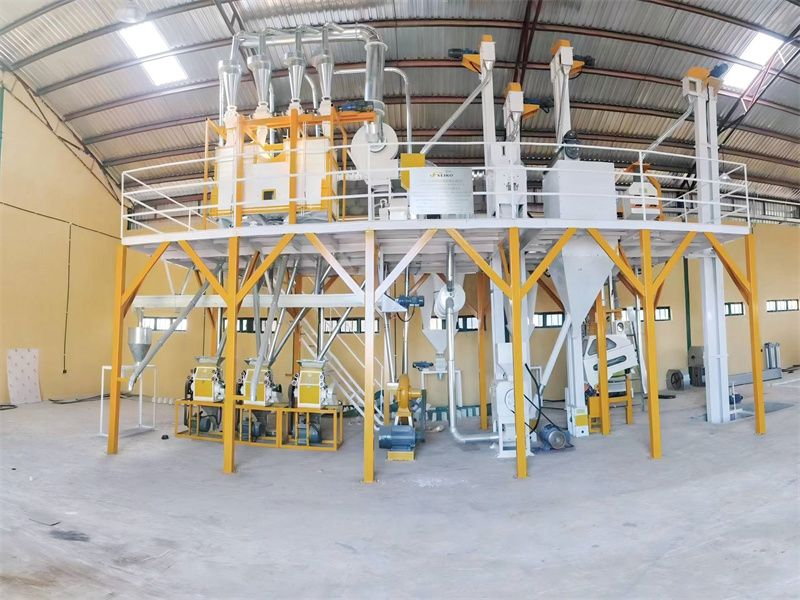
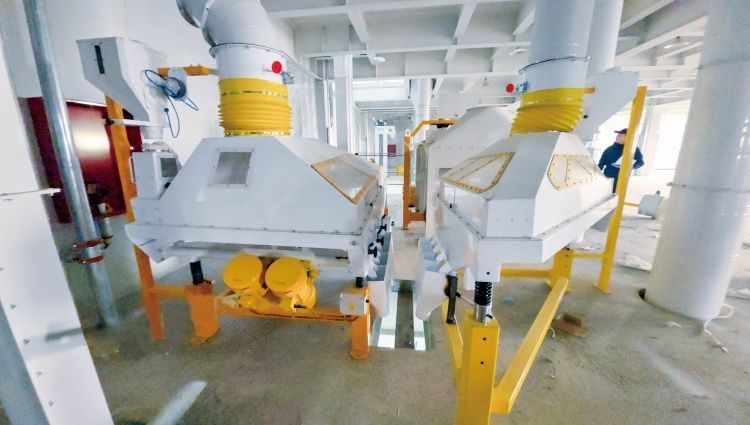
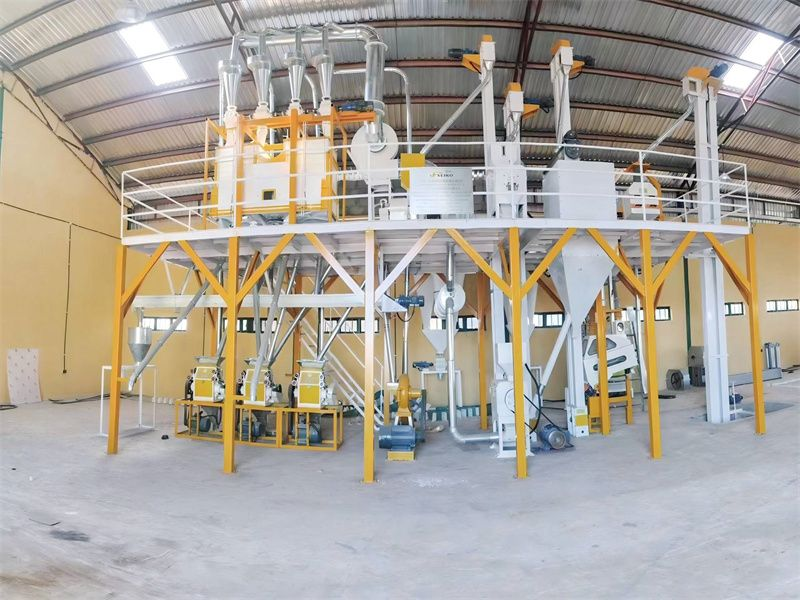
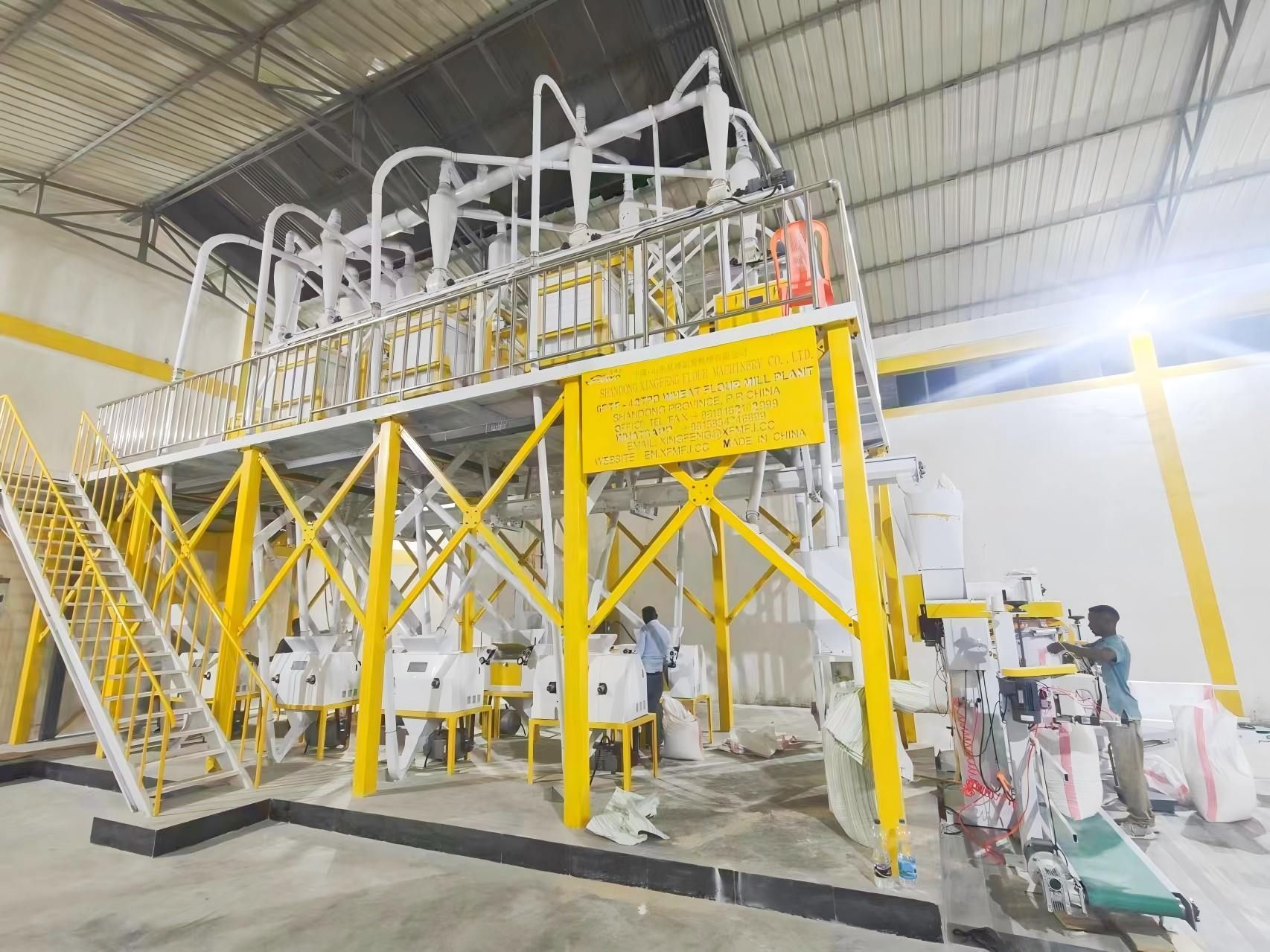
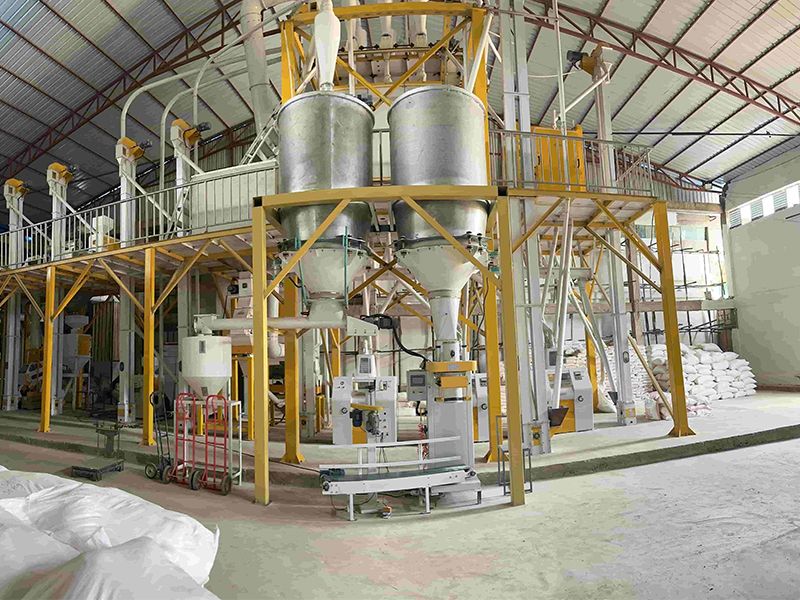
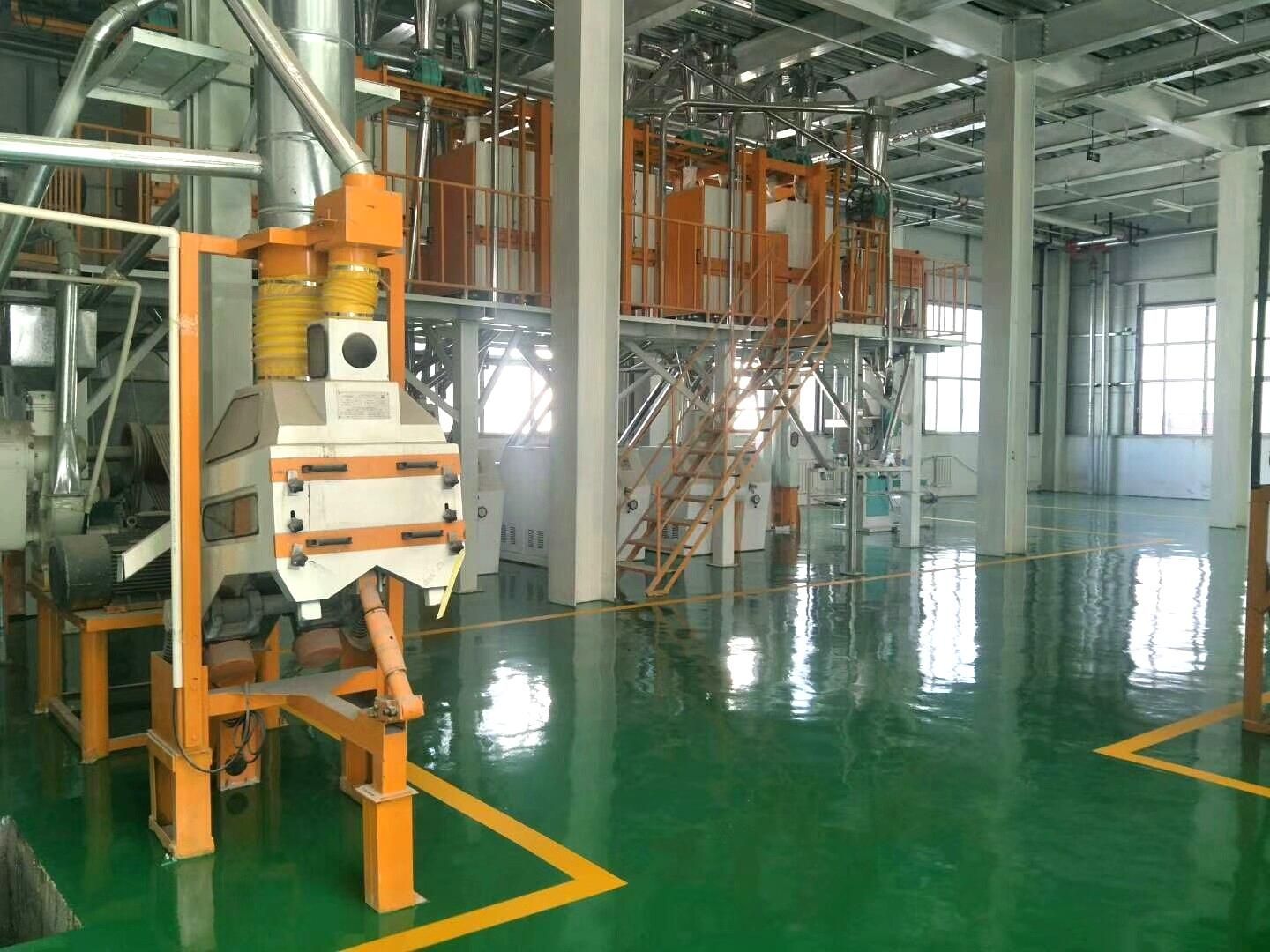
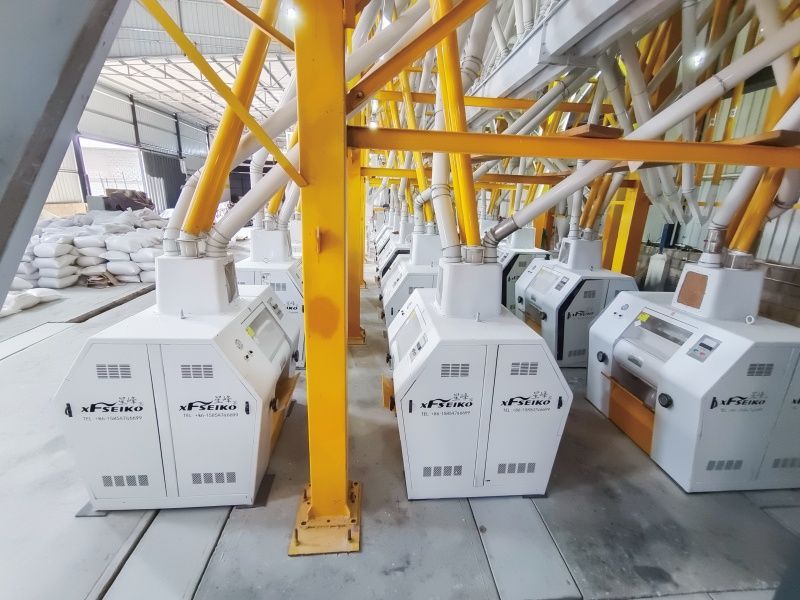
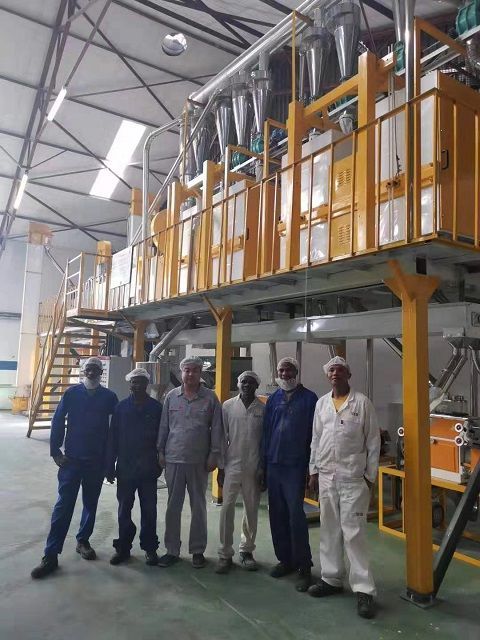
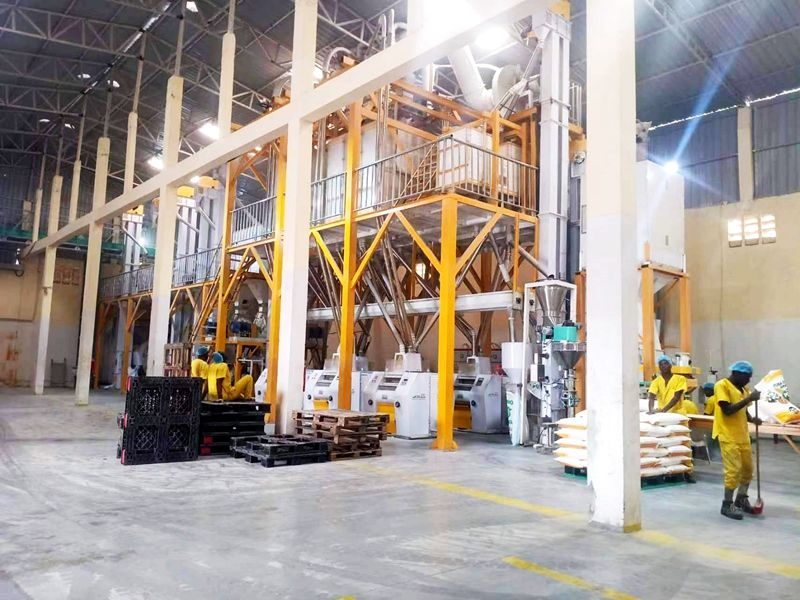
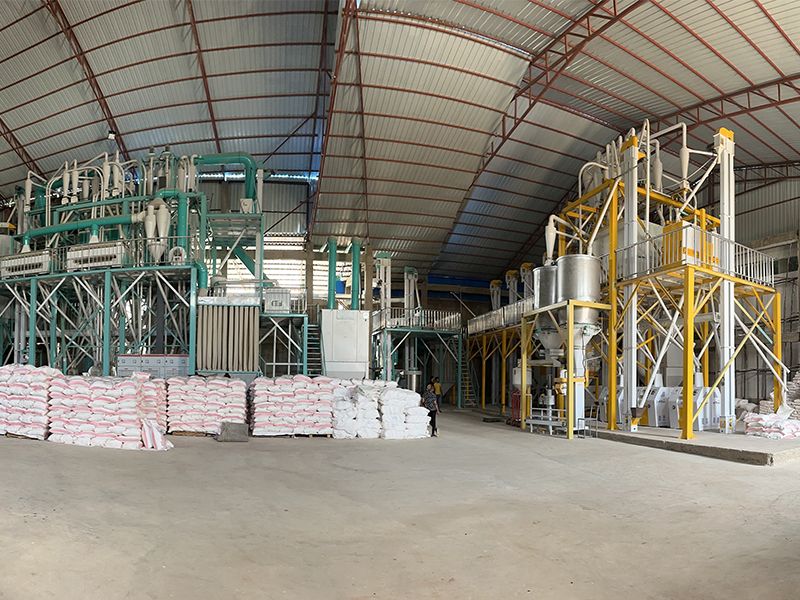
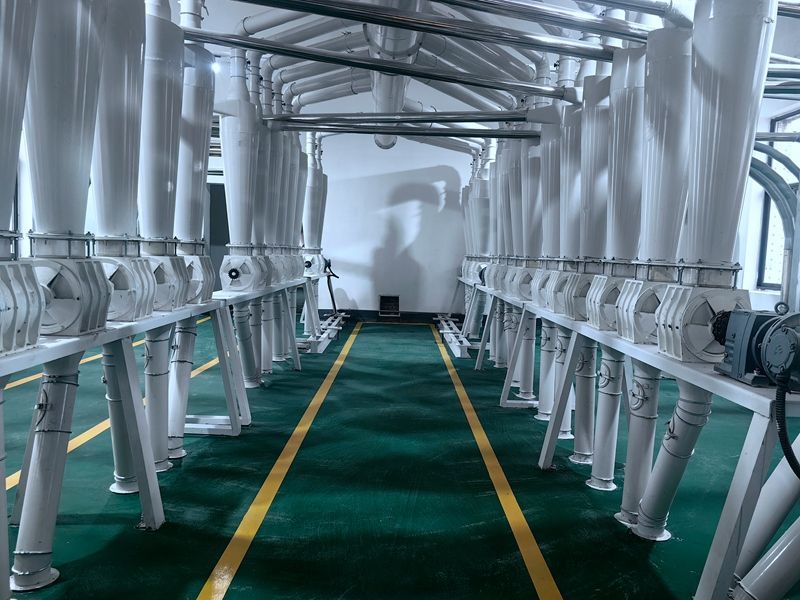
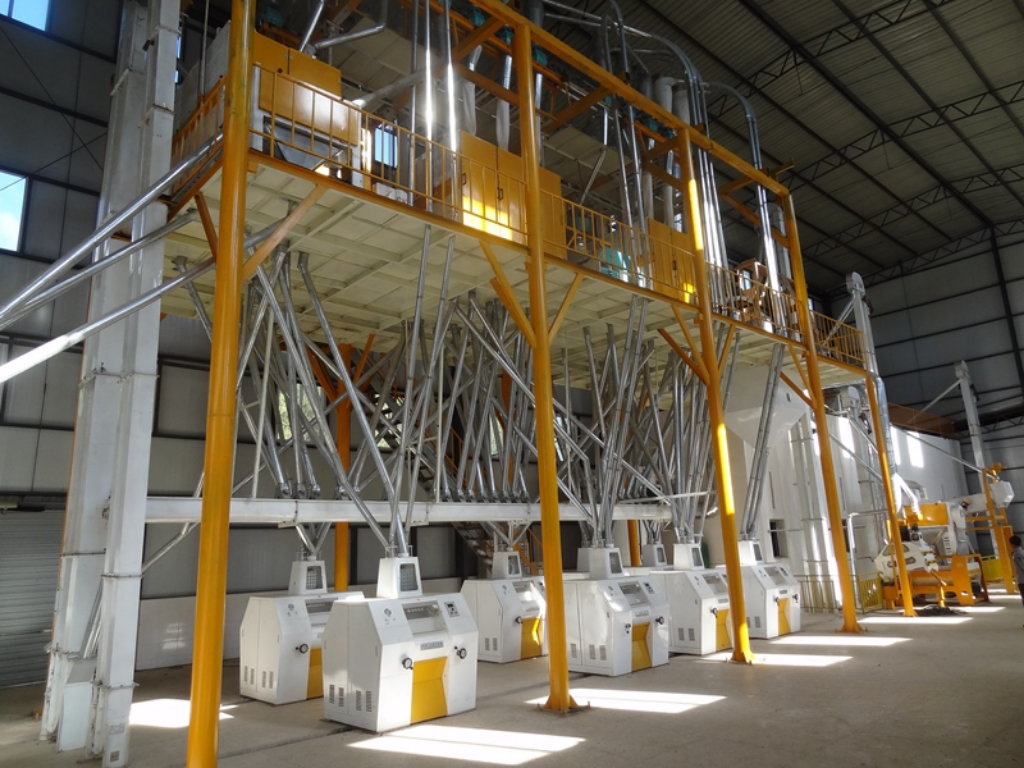
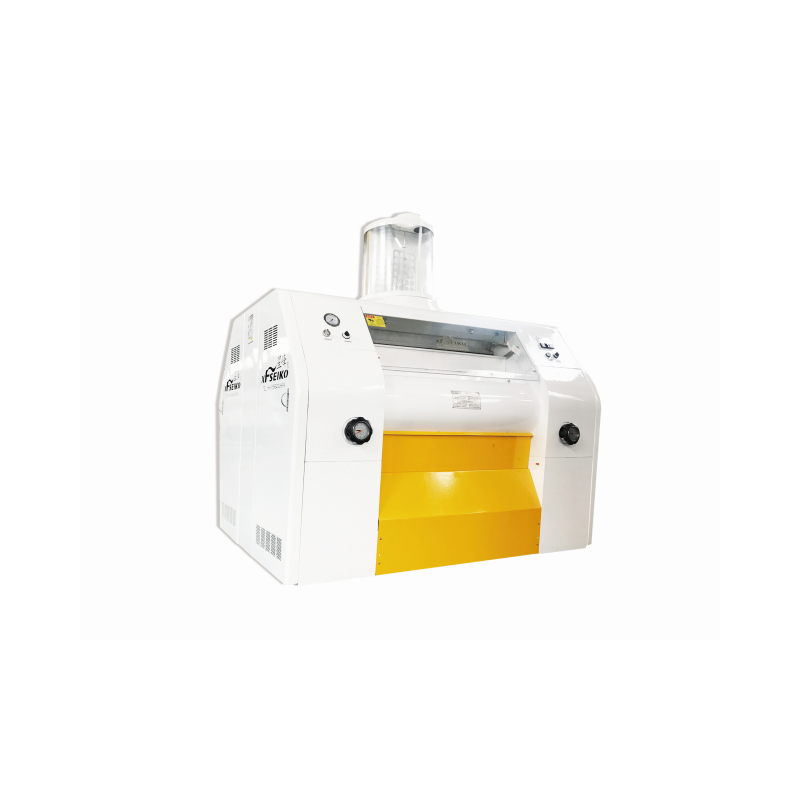
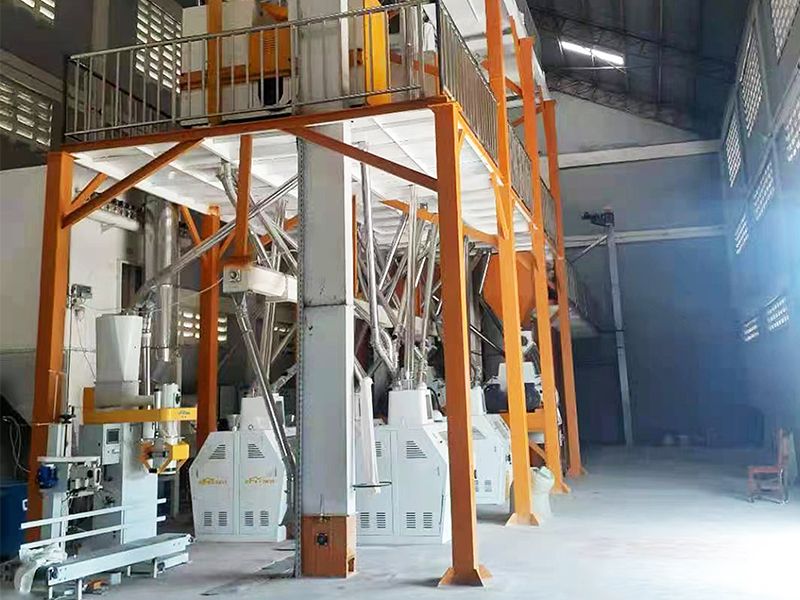
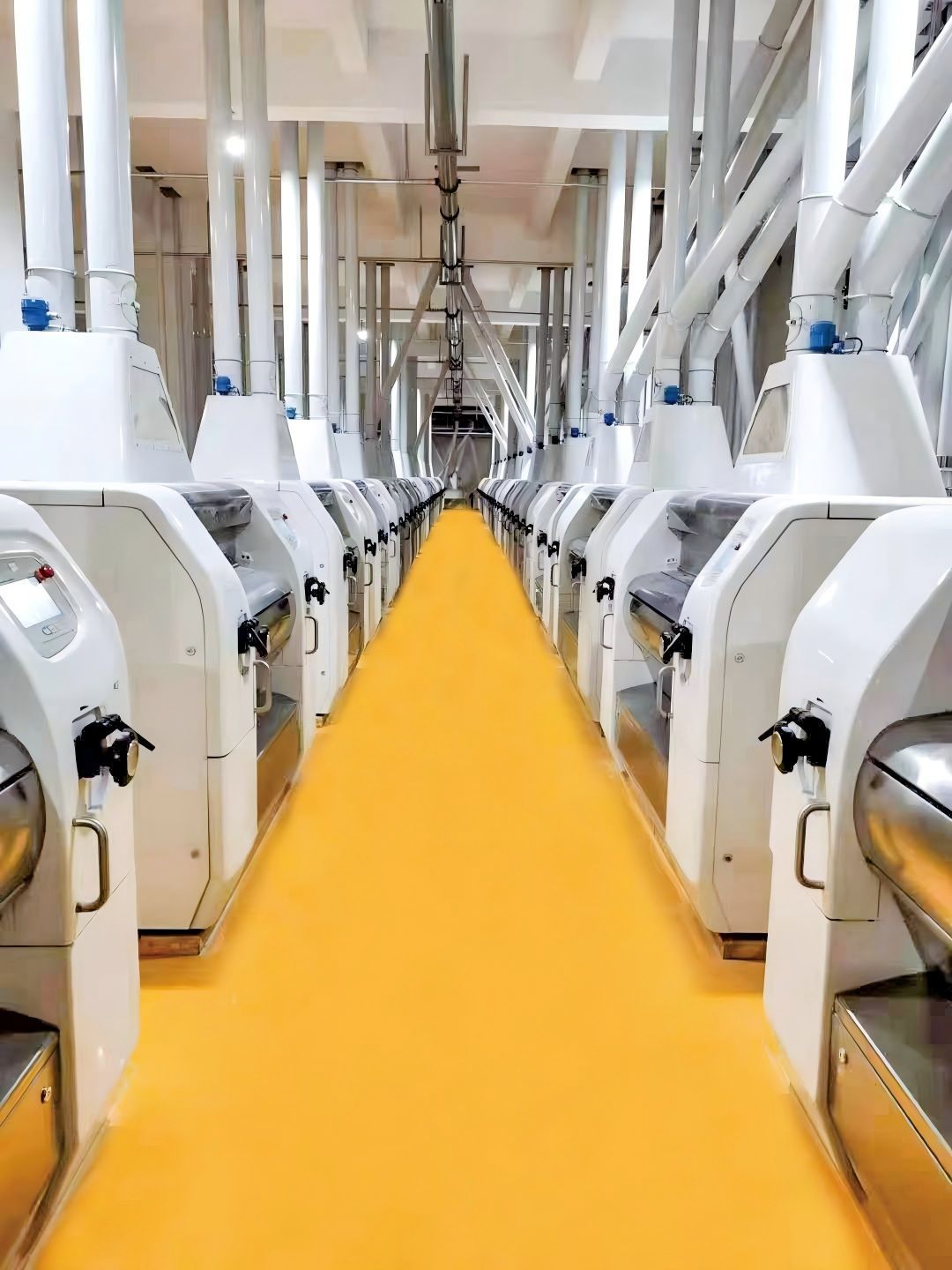
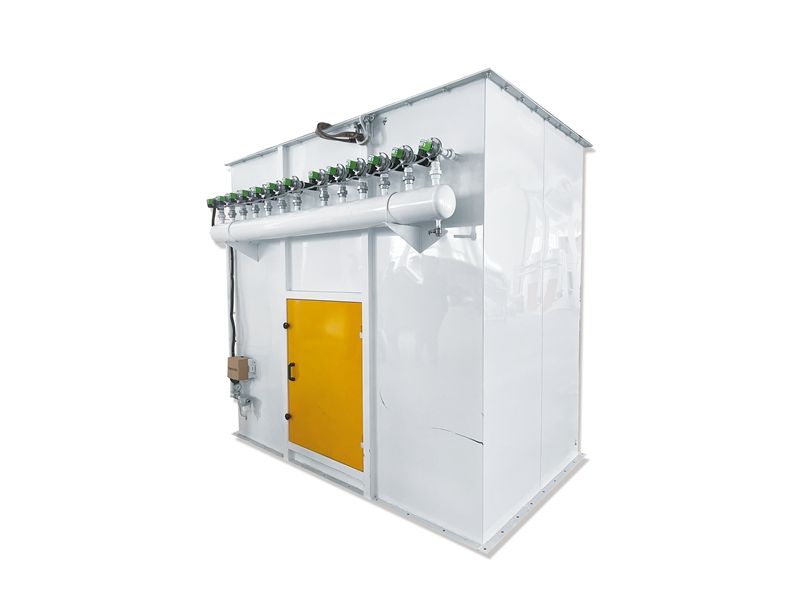
Choosing between a semi-automatic wheat flour milling line and a fully automatic wheat flour milling line is not simply a question of buying more equipment. For an operator planning an 80TPD Wheat Flour Mill Plant, the decision affects labor cost, product consistency, energy use, maintenance, and daily production risk. The comparison becomes clearer when three technical factors are measured: wheat cleaning, roller mill performance, and flour extraction rate. In practical terms, tempering, pneumatic conveying, and the plansifter determine whether the line can maintain stable flour quality from the first shift to the last.

Many mill investors begin with a simple calculation: if the plant processes 80 tons of wheat per day, both systems appear to offer the same output. The difference appears after commissioning. A semi-automatic line may need more operators to open and close gates, monitor material flow, adjust feeding rates, remove bran buildup, and coordinate packing. A fully automatic line uses sensors, programmable logic control, automatic conveying and centralized alarms to reduce these manual interventions.
For a small family-owned mill, lower initial investment may be more important than labor efficiency. For a distributor supplying bakeries, supermarkets or institutional buyers, a two-percent variation in moisture, ash content or granulation can create customer complaints and rejected batches. The correct system therefore depends on production hours, labor availability, product range, local electricity prices and the operator’s technical skill.
The most common questions from buyers are practical:
These questions cannot be answered by machine names alone. A supplier should calculate the line using local wheat hardness, target flour grades, operating hours, packaging format and expected annual utilization.
A semi-automatic line generally combines mechanical equipment with manual control points. The typical process is:
In this arrangement, the core equipment can still be industrial-grade. The “semi-automatic” description mainly refers to control and material handling rather than the quality of the roller mills themselves. An 80TPD semi-automatic wheat flour milling line can reach approximately 3.3 tons per hour when operated for 24 hours, although actual output depends on cleaning efficiency, wheat properties, product specifications and downtime.
The main operational weakness is the number of manual decisions. If an operator opens a gate too far, the plansifter may become overloaded. If tempering water is not evenly distributed, bran can break into the flour stream and increase ash content. These problems are manageable, but they require experienced personnel and written operating procedures.
A fully automatic line follows the same basic milling science but adds instrumentation and automatic control. The system may include:
Automation does not change the physical principle of flour milling. The wheat still requires accurate cleaning, controlled tempering, gradual reduction and effective sifting. What changes is repeatability. Once the recipe and operating parameters are correctly configured, the system can maintain a narrower range of feed rate and moisture addition than a manual line.
For an 80TPD fully automatic wheat flour milling line, one common operating model is continuous production across two shifts, with approximately 5 to 8 workers per shift depending on packing, laboratory testing and material handling arrangements. The exact figure varies because some plants automate only the milling section while keeping bagging and palletizing manual.
| Parameter | Semi-Automatic Line | Fully Automatic Line | Business Meaning |
|---|---|---|---|
| Typical capacity range | 20–100 TPD | 50–300+ TPD | Both can be designed for 80 TPD, but the automatic system is easier to expand. |
| Typical labor requirement | 10–18 workers per day | 5–10 workers per day | Actual staffing depends on packing and warehouse automation. |
| Flour extraction rate | Approximately 72%–76% | Approximately 74%–78% | Wheat quality and milling diagram are more important than automation alone. |
| Flour moisture variation | Often around ±0.5% to ±1.0% without strict manual control | Commonly controlled near ±0.2% to ±0.5% after calibration | Better control supports consistent baking performance. |
| Electrical installation | Approximately 150–220 kW for a typical 80TPD design | Approximately 180–260 kW for a typical 80TPD design | Motor selection, fan pressure and conveying layout affect consumption. |
| Specific energy use | Approximately 18–28 kWh per ton of wheat | Approximately 16–25 kWh per ton of wheat after optimization | Automation can reduce idle running and overfeeding, but not eliminate all energy demand. |
| Control method | Local switches, manual gates and operator inspection | PLC, HMI, sensors, alarms and automated sequencing | Automatic control reduces dependence on individual operator judgment. |
| Product changeover | Usually 1–3 hours depending on cleaning and adjustment | Often 30–90 minutes when recipes and bin routing are configured | Important for mills producing multiple flour grades each day. |
| Initial investment | Lower | Higher | The final price depends on steel structure, laboratory equipment, packing and building work. |
| Maintenance skill | Basic mechanical and electrical skills are often sufficient | Requires mechanical, electrical, PLC and sensor knowledge | Training and spare-parts planning should be included in the project. |
The extraction figures in the table are planning ranges rather than guarantees. A hard wheat with strong gluten may require a different break system from a soft wheat intended for cake flour. In addition, extraction rate should not be judged alone. A higher extraction rate may increase ash content or reduce flour whiteness if bran separation is poorly controlled. A technically sound quotation should list the expected extraction rate, flour ash target, moisture range, bran output and power consumption under defined wheat conditions.
A semi-automatic configuration is often suitable when the owner has access to reliable local labor and plans to operate one primary product line. It is also useful in regions where PLC technicians, sensors or specialized electrical components are difficult to source quickly.
Consider a mill processing 50 to 80 tons per day for local wholesalers. If the business operates one shift, sells flour in 25-kilogram and 50-kilogram bags, and already employs workers for warehouse operations, the lower capital requirement can outweigh the additional labor. The owner may also prefer direct physical control over cleaning, milling and packing rather than depending on a complex control cabinet.
However, the lower purchase price does not mean lower total cost in every situation. If the mill works 20 hours per day and pays overtime, manual conveying and packing may consume much of the expected saving. Frequent operator adjustments can also cause inconsistent flour streams and increased reprocessing.
Fully automatic equipment is a stronger fit for mills that need consistent quality, multiple shifts or controlled production records. It is particularly useful when the plant supplies bakeries, food manufacturers or retail brands that specify moisture, ash, protein and particle-size requirements.
For example, a plant selling 70 tons of flour per day with a contribution margin of 30 US dollars per ton generates approximately 2,100 US dollars of daily gross contribution. If improved control reduces off-specification production by only 1% on an 80-ton wheat input, the plant avoids roughly 0.8 tons of affected material per day. The financial value depends on product price and reprocessing cost, but even a small reduction in rejected or downgraded flour can become significant over 300 operating days.
Fully automatic control is also valuable when the owner cannot recruit experienced millers for every shift. The system does not replace technical supervision, but it records alarms, limits incorrect settings and provides repeatable sequences for start-up and shutdown.
Quoting a single price for an 80TPD wheat flour mill plant can be misleading because the scope of supply changes the investment substantially. A basic semi-automatic project may include cleaning, milling, sifting, conveyors, electrical control and packing. A higher-specification automatic project may additionally include steel structures, dust filtration, automatic dosing, centralized control, laboratory instruments, silos, compressors and palletizing.
| Cost category | Semi-Automatic Estimate | Fully Automatic Estimate | Cost Variables |
|---|---|---|---|
| Main equipment for approximately 80TPD | About US$180,000–US$350,000 | About US$280,000–US$600,000+ | Brand, milling diagram, steel structure and automation scope |
| Installation and commissioning | Approximately 8%–15% of equipment value | Approximately 10%–18% of equipment value | Travel, local labor, electrical work and construction conditions |
| Annual labor cost | Higher because of manual handling and packing | Lower per ton when utilization is high | Local wages, shifts and packaging format |
| Automation maintenance | Lower control-system complexity | Higher need for sensor, PLC and inverter maintenance | Training and spare-parts availability |
| Payback potential | Attractive for low-cost labor and single-shift operation | Attractive for two- or three-shift operation and strict quality control | Utilization, margin, energy tariff and product mix |
These ranges should be used only for early budgeting. Civil construction, wheat silos, transformer upgrades, import duties, ocean freight and local taxes can add 20%–50% or more to the delivered project cost. A fair comparison requires both suppliers to quote the same capacity basis, such as tons of wheat input per 24 hours, rather than comparing one supplier’s wheat input capacity with another supplier’s flour output.
A simple payback model can help. Assume a fully automatic line costs US$120,000 more than a semi-automatic alternative. If automation saves US$350 per operating day in labor, reduced waste and fewer production interruptions, the additional investment would require approximately 343 operating days to recover before financing and depreciation. If the plant operates only 120 days per year, the payback is nearly three years. If it operates 300 days per year, the same difference may be recovered in about 14 months.
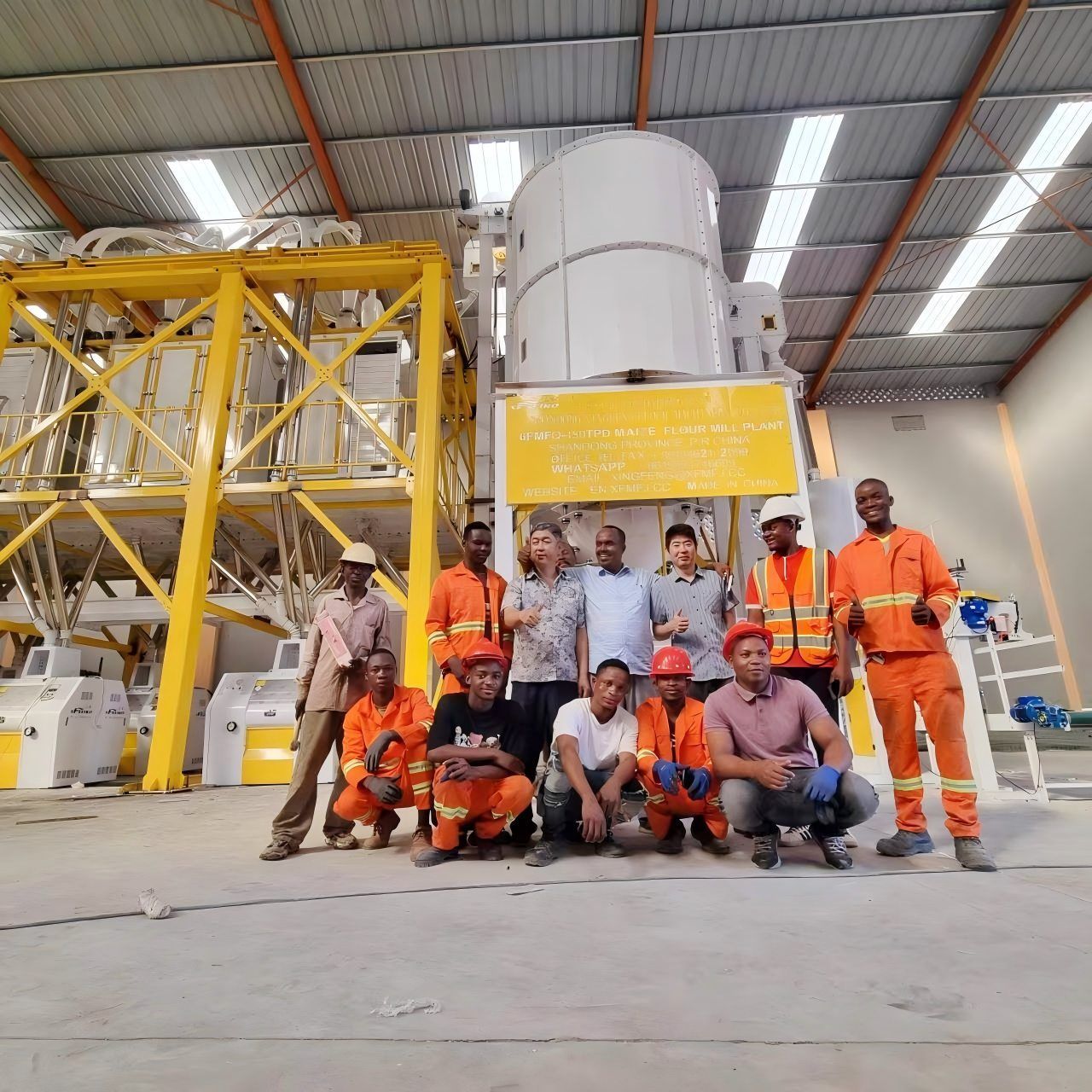
One project comparison supplied during an 80TPD mill planning process involved a regional flour business that had previously operated a smaller 30TPD line. The owner wanted to increase capacity but was concerned about hiring additional night-shift workers. The semi-automatic quotation required a larger operating team and manual coordination between the plansifter, flour bins and packing section. The fully automatic design cost more at the beginning, but it reduced routine staffing and provided automatic moisture dosing and bin-level alarms.
During the evaluation, the owner focused on three measurements rather than general claims: the expected flour extraction rate, the number of workers per shift and the time required to change from bread flour to lower-ash household flour. The proposed automatic system targeted approximately 74%–76% commercial flour extraction under the specified wheat conditions, with two operators assigned to milling supervision and additional staff for packing and quality testing. The estimated product changeover was reduced to under one hour after cleaning and recipe configuration.
The owner ultimately selected the automatic design because the mill planned to operate two shifts and supply customers with written quality specifications. The decision would not necessarily be correct for a single-shift mill in a low-wage market. That is the central lesson from the case: capacity alone did not determine the choice; utilization, labor availability and customer requirements did.
Another smaller operator chose the opposite path. With a 40TPD initial target, family members already handled feeding, packing and warehouse work. The semi-automatic design allowed the business to control capital expenditure and learn the milling process before adding automated dosing and advanced packing equipment. For that company, a modular line created a lower-risk entry point.
Operators commonly evaluate a flour mill by the issues they face at 2 a.m., not by the equipment list shown during a factory visit. Their practical feedback can be summarized in five areas.
Feedback about Xingfeng equipment is most useful when it is tied to a defined project scope. Buyers should ask for the wheat variety, daily input, flour grades, operating hours, extraction data and installation date behind any customer reference. A general statement that a line is “stable” has limited value unless stability is expressed through production records, downtime hours, moisture variation or output per shift.
This ranks first for businesses operating two or more shifts, selling to industrial bakeries, or planning documented quality control. It is also the better choice where labor turnover is high and the cost of an off-specification batch is substantial.
This option is appropriate for a family-owned mill, a single-shift operation, a regional wholesale market or a project with experienced operators and low labor costs. The owner should reserve space and electrical capacity for future automation if expansion is likely.
A hybrid project can automate the cleaning, conveying and moisture-dosing sections while retaining manual packing or selected control points. This arrangement can reduce the initial investment without leaving the entire process dependent on manual operation. It also allows the owner to add automatic weighing, packing or palletizing after sales volume increases.
Regardless of the ranking, request a process flow diagram, equipment list, motor list, foundation plan, power calculation, spare-parts list and commissioning schedule. The quotation should state whether capacity means wheat input or finished flour output and should identify the test wheat used for extraction calculations.
Xingfeng should be compared with other suppliers using measurable criteria rather than brand familiarity. Ask each supplier to provide the same technical information: cleaning efficiency, tempering time, expected extraction rate, ash target, installed power, compressed-air demand, dust-filter capacity, operator requirement and warranty coverage.
One potential advantage of working with Xingfeng is the ability to discuss the complete process rather than purchasing isolated machines. For an 80TPD project, the cleaning section, roller mill, plansifter, pneumatic conveying system, flour blending bins and packing unit must work as one process. A strong supplier should also explain how the line will handle hard wheat, soft wheat, mixed wheat and changes in flour grade.
The buyer should still verify references, inspect a running plant where possible and clarify response times for electrical and mechanical support. Automation is valuable only when the supplier provides usable manuals, wiring diagrams, training and replacement components. A lower-priced quotation may become more expensive if commissioning is delayed or critical sensors are unavailable locally.
A semi-automatic wheat flour milling line is suitable for an owner with experienced labor, one main product range, moderate production hours and strict control over initial investment. It is less suitable for a high-volume plant that must operate continuously with limited supervision.
A fully automatic wheat flour milling line is suitable for a commercial mill targeting two-shift or three-shift operation, consistent flour specifications, lower labor per ton and future capacity expansion. It is less suitable when local technical support is unavailable, electricity is unreliable or the plant will operate far below its designed capacity.
For an 80TPD wheat flour mill plant, the most responsible next step is to prepare a project sheet containing wheat type, moisture, target flour grades, operating hours, available labor, electricity price, building dimensions and budget. Then ask Xingfeng and competing suppliers to calculate the same basis using wheat cleaning, roller mill, flour extraction rate, tempering, pneumatic conveying and plansifter data. That side-by-side calculation will show whether a semi-automatic wheat flour milling line or a fully automatic wheat flour milling line can deliver the lower cost per ton and the more reliable 80TPD wheat flour mill plant for your market.
Next step: Send your target capacity, wheat variety, flour grades and preferred automation level to Xingfeng for a process flow, equipment configuration, power estimate and project quotation based on your actual operating conditions.

February. 02, 2024

March. 03, 2026

June. 06, 2025

January. 01, 2024

August. 08, 2024
How to Use Wheat Flour Mill Plant Correctly?
This article provides a comprehensive guide on how to use a wheat flour mill plant correctly.

July. 07, 2024