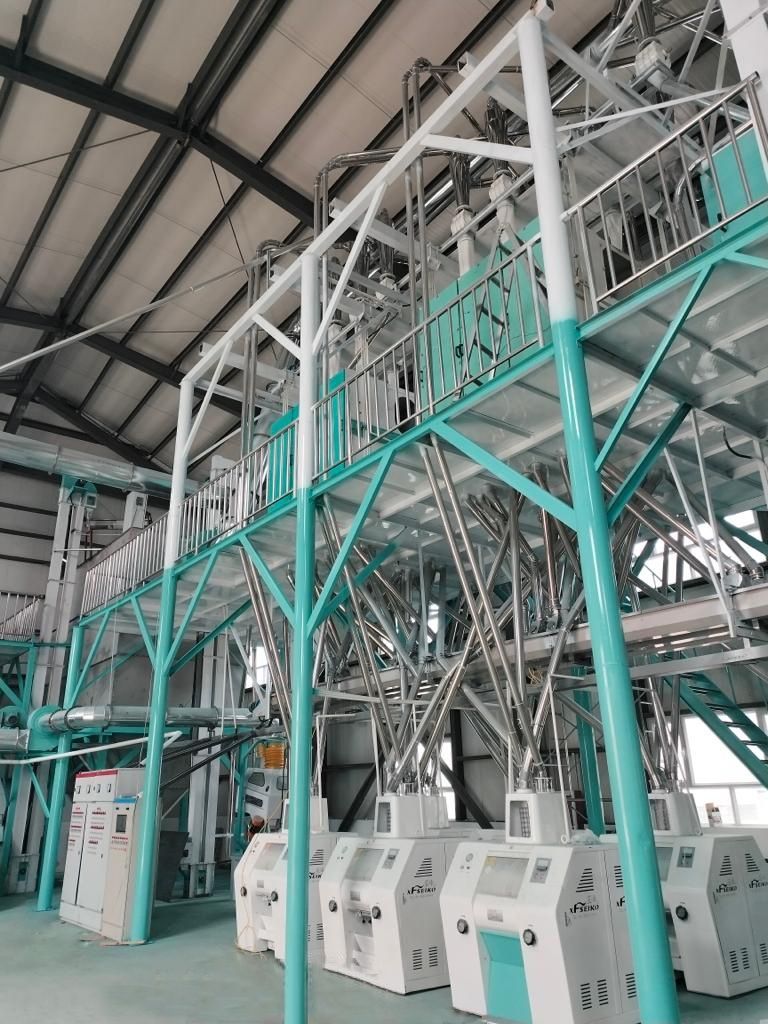
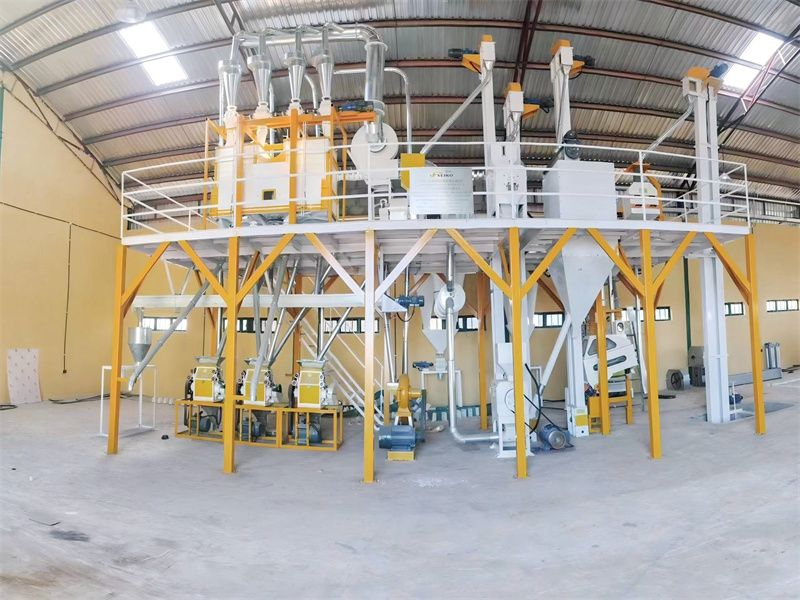
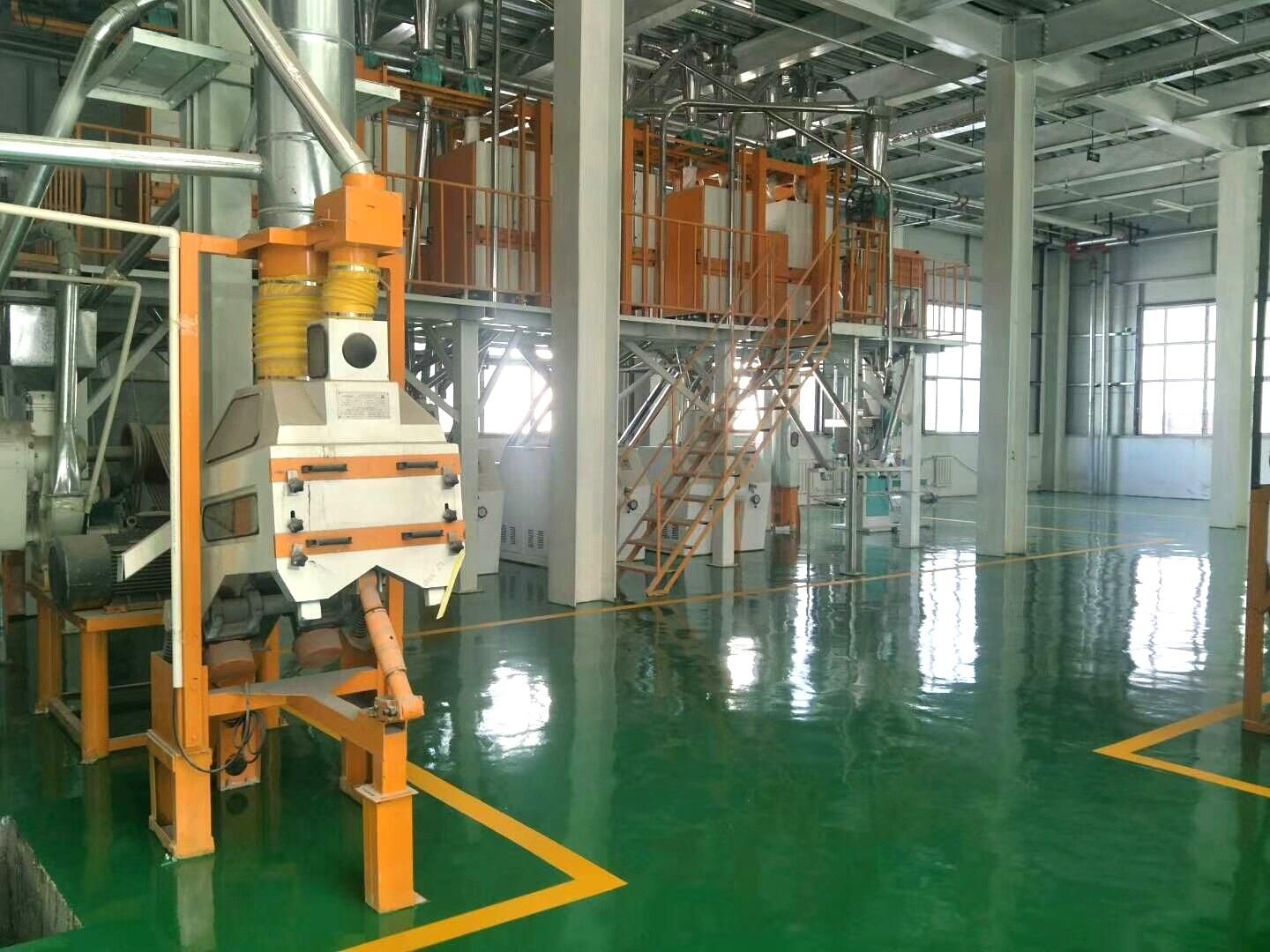
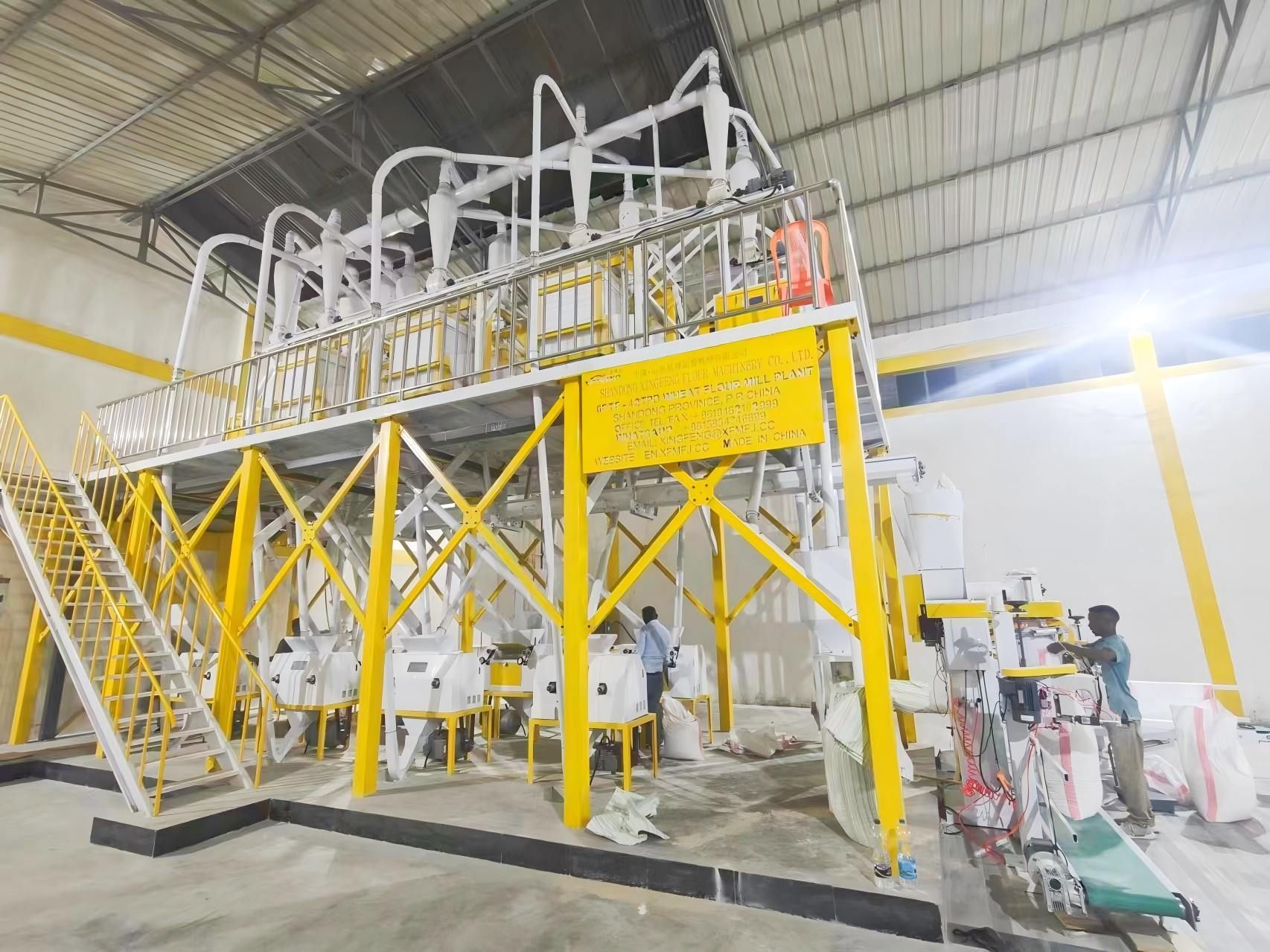
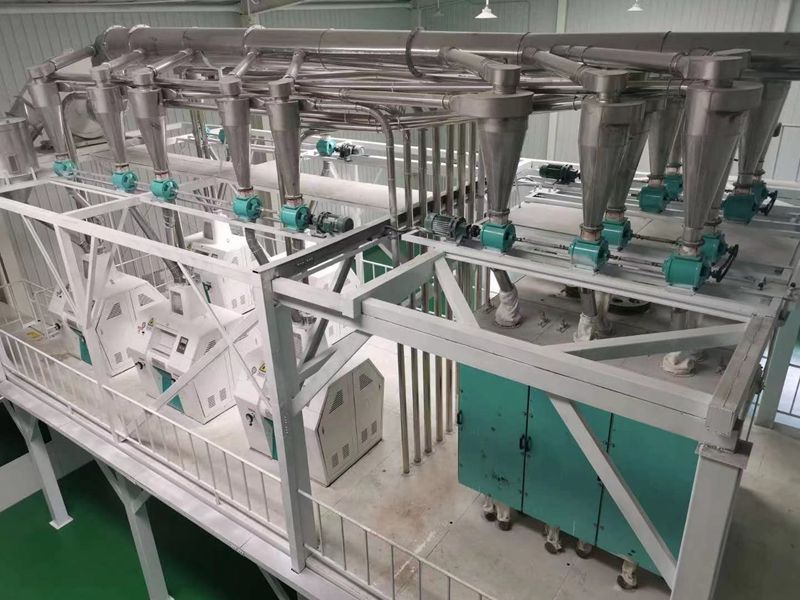
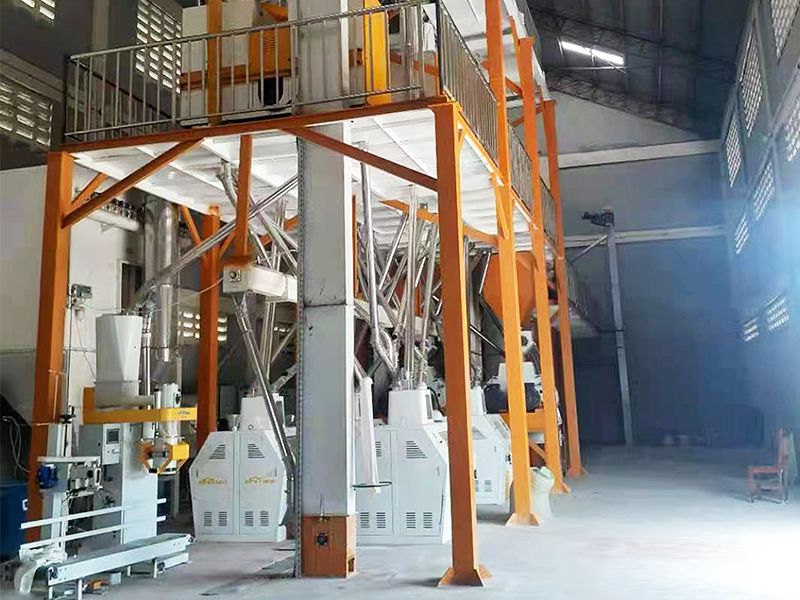
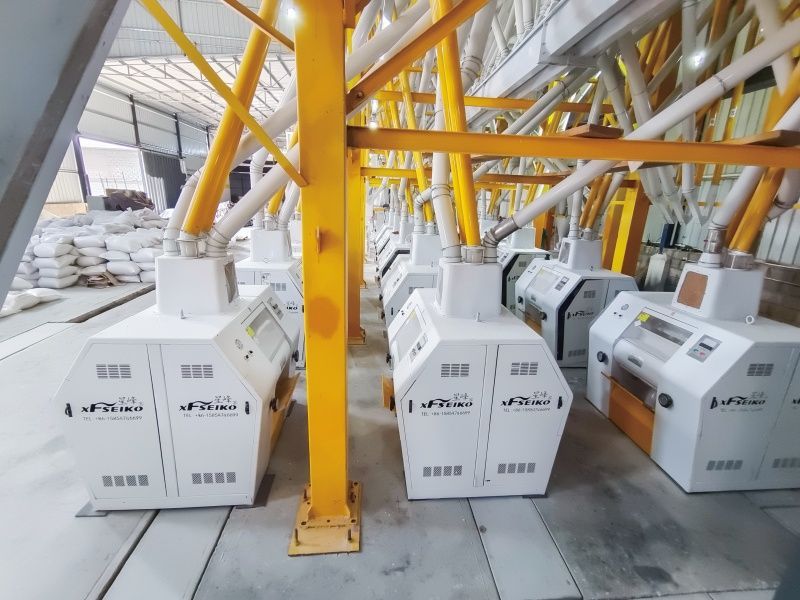
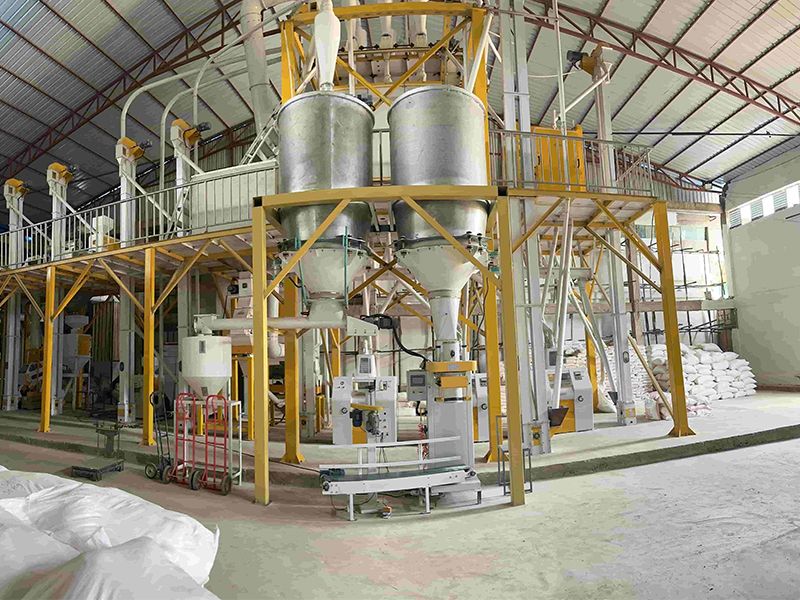
A 150-180TPD Maize Flour Mill Plant should not produce only one type of flour. Product flexibility allows mill owners to process different maize grades, make several flour sizes, separate byproducts, and change packaging without rebuilding the whole factory. For overseas buyers and distributors, a flexible maize processing line can reduce market risk and support more than one sales channel.
A modern maize flour milling machine can serve retail flour, food-grade meal, grits, animal feed, and industrial customers. The right maize cleaning system, degermination process, and flour sifting machine are the main factors that control this flexibility.
Xingfeng designs maize flour mill plants with adjustable process sections, so a 150-180TPD plant can match local maize quality, product demand, and future business plans. This article explains which product options are possible, how the process changes, and what buyers should check before ordering.
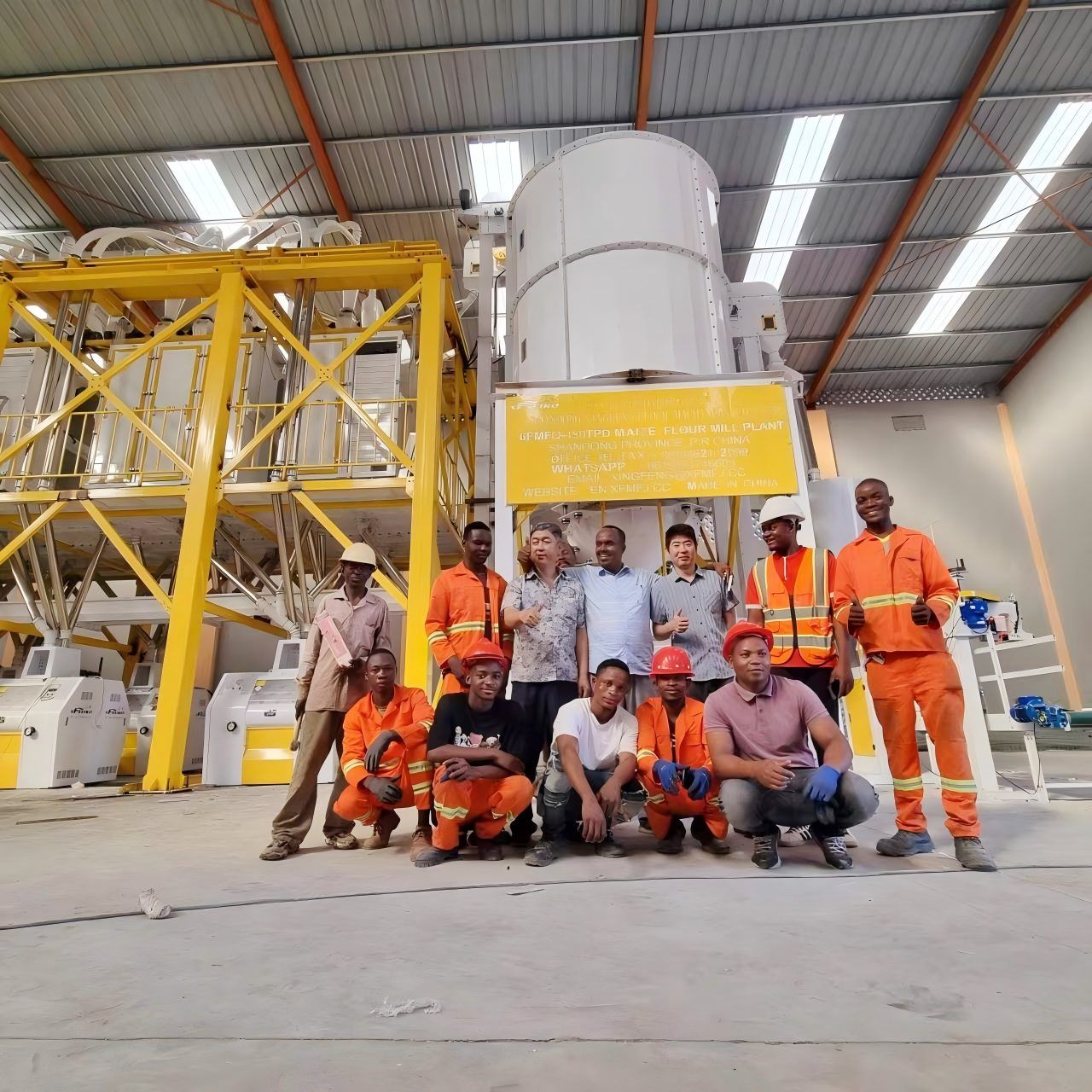
Product flexibility means that one maize flour plant can make different finished products by changing machine settings, sieve plans, process routes, or packaging systems. The plant still has a designed daily capacity of 150-180 tons of raw maize input, but its output mix can change according to customer demand.
For example, a mill may produce fine breakfast flour during the week, medium maize meal for wholesalers, and grits for breweries or snack factories at another time. A flexible design helps the owner avoid depending on one product and one group of customers.
1. What Does Product Flexibility Mean in a 150-180TPD Maize Flour Mill Plant?
- Fine maize flour for retail and food manufacturers
- Medium maize meal for household cooking
- Coarse meal and grits for industrial users
- Maize bran and germ for feed or oil processing
- Different bag sizes, such as 1 kg, 5 kg, 25 kg, and 50 kg
- Separate product lines for standard and premium flour
Key flexibility options
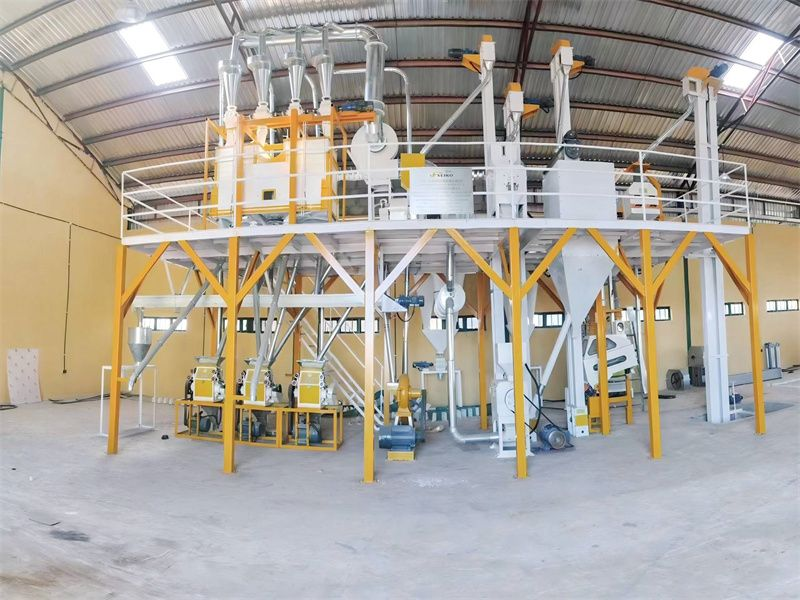
The final product range depends on the maize variety, moisture level, quality target, and machine configuration. A complete plant normally includes cleaning, conditioning, degermination, milling, sifting, purification, weighing, and packing sections.
| Product | Main users | Typical process requirement | Business value |
|---|---|---|---|
| Fine maize flour | Households, bakeries, food factories | Roller milling and fine sifting | Higher retail value |
| Medium maize meal | Wholesalers and local markets | Balanced milling and grading | Stable mass-market demand |
| Coarse meal | Traditional food producers | Coarse grinding and larger sieve openings | Simple product change |
| Maize grits | Breweries, snack and cereal factories | Strong degermination and precise separation | Industrial contract opportunities |
| Maize bran | Livestock and poultry farms | Byproduct collection and separate conveying | Less waste and extra revenue |
A plant can also produce fortified maize flour when the local market requires added vitamins or minerals. In this case, the mill needs a controlled micro-dosing system after milling and before packing. The fortification section should be selected according to local food regulations.
2. Which Products Can a 150-180TPD Plant Produce?
Fine flour needs more reduction and tighter sifting. Maize meal uses a larger particle size and may require fewer reduction passages. A flexible plant should use separate sieve compartments or adjustable plans instead of one fixed screen arrangement.
Fine flour and maize meal are not the same product
The raw maize first passes through cleaning equipment. The cleaner removes stones, metal, dust, straw, and other foreign materials. The maize may then be dampened and rested before degermination. This step improves separation between the endosperm, germ, and bran.
After degermination, the endosperm moves to roller mills or other milling machines. Different grinding passages create different particle sizes. Plansifter compartments then classify the flour, meal, and grits. Selected streams can be returned to the mill for further reduction.
3. How Does the Process Change Between Products?
- Receive and weigh raw maize.
- Clean the maize with screens, aspiration, magnets, and destoning equipment.
- Adjust moisture through dampening and conditioning.
- Remove germ and outer layers through degermination.
- Separate clean endosperm into different milling passages.
- Grind the selected streams into flour, meal, or grits.
- Sift products by particle size.
- Return oversized material for another milling pass.
- Collect bran and germ as separate byproducts.
- Pack each product in the selected bag size.
The operator can change the product by adjusting roller gaps, sieve combinations, purifier air volume, product routes, and packing settings. These changes should be planned in the control system to reduce production delays.
Step-by-step flexible production flow
To change from fine maize flour to coarse meal, the operator can select a different sieve plan, reduce the number of reduction passages, and adjust the roller gap. The cleaning and degermination sections may remain unchanged. This avoids a full plant shutdown or major mechanical replacement.
Example of a product change
Many overseas buyers face changing maize prices, seasonal supply, different local food habits, and unstable customer orders. A single fixed product line may work during one season but create unused capacity when demand changes.
Product flexibility helps the mill owner serve retail stores, wholesalers, farms, restaurants, food processors, and industrial users. It also allows distributors to sell different products under one brand or to support private-label customers.
4. Why Is Flexibility Important for Overseas Buyers?
- Lower market risk: The mill can change its product mix when demand changes.
- Better equipment use: The same cleaning, milling, and conveying sections support several products.
- More revenue from byproducts: Bran and germ can be sold instead of discarded.
- Stronger customer service: Buyers can request different flour grades and package sizes.
- Easier expansion: Extra sifters, packing lines, or fortification equipment can be added later.
Main business benefits
A fixed line may have a simpler design and a lower starting cost. However, it normally serves one product specification. A flexible plant may require more planning, extra storage bins, and a stronger control system, but it can create more sales options over many years.
| Comparison point | Fixed product line | Flexible 150-180TPD plant |
|---|---|---|
| Product range | Usually one main flour grade | Flour, meal, grits, bran, and germ |
| Market response | Limited | Can follow seasonal demand |
| Packaging choice | Often one bag size | Several bag sizes and formats |
| Byproduct use | May be mixed or lost | Separate collection and sale |
| Future upgrade | May need major rebuilding | Can reserve space for expansion |
| Operating control | Basic adjustment | Recipe-based and automated adjustment |
The best design is not always the one with the highest number of machines. It is the design that provides the required products with stable quality, reasonable energy use, and simple operation.
5. Product Flexibility Compared with a Fixed Maize Flour Line
6. Which Machine Sections Control Product Flexibility?
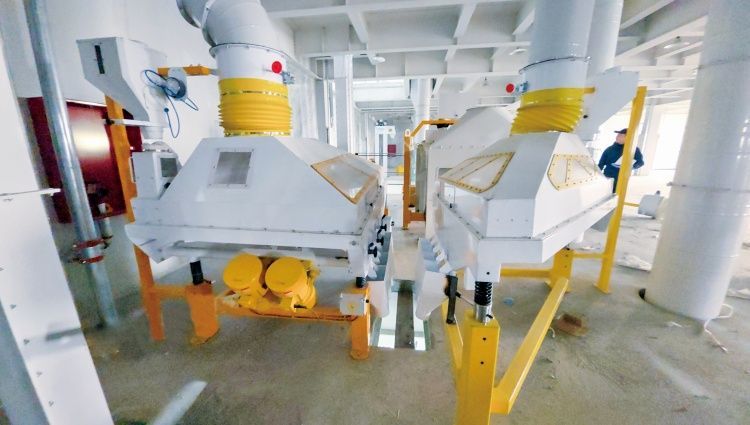
Cleaning quality affects every final product. A flexible cleaning section should handle maize with different levels of dust, stones, light impurities, and broken kernels. The system may include a vibrating sieve, aspirator, destoner, magnetic separator, and scourer.
Conditioning also needs adjustment. Maize moisture and resting time influence degermination, flour color, bran separation, and milling performance. An automatic water control system can make this step more consistent.
Cleaning and conditioning section
Degermination is important when the market needs white maize flour or clean grits. It removes part of the germ and bran before fine milling. The design should allow the operator to control the removal level without causing excessive endosperm loss.
Degermination section
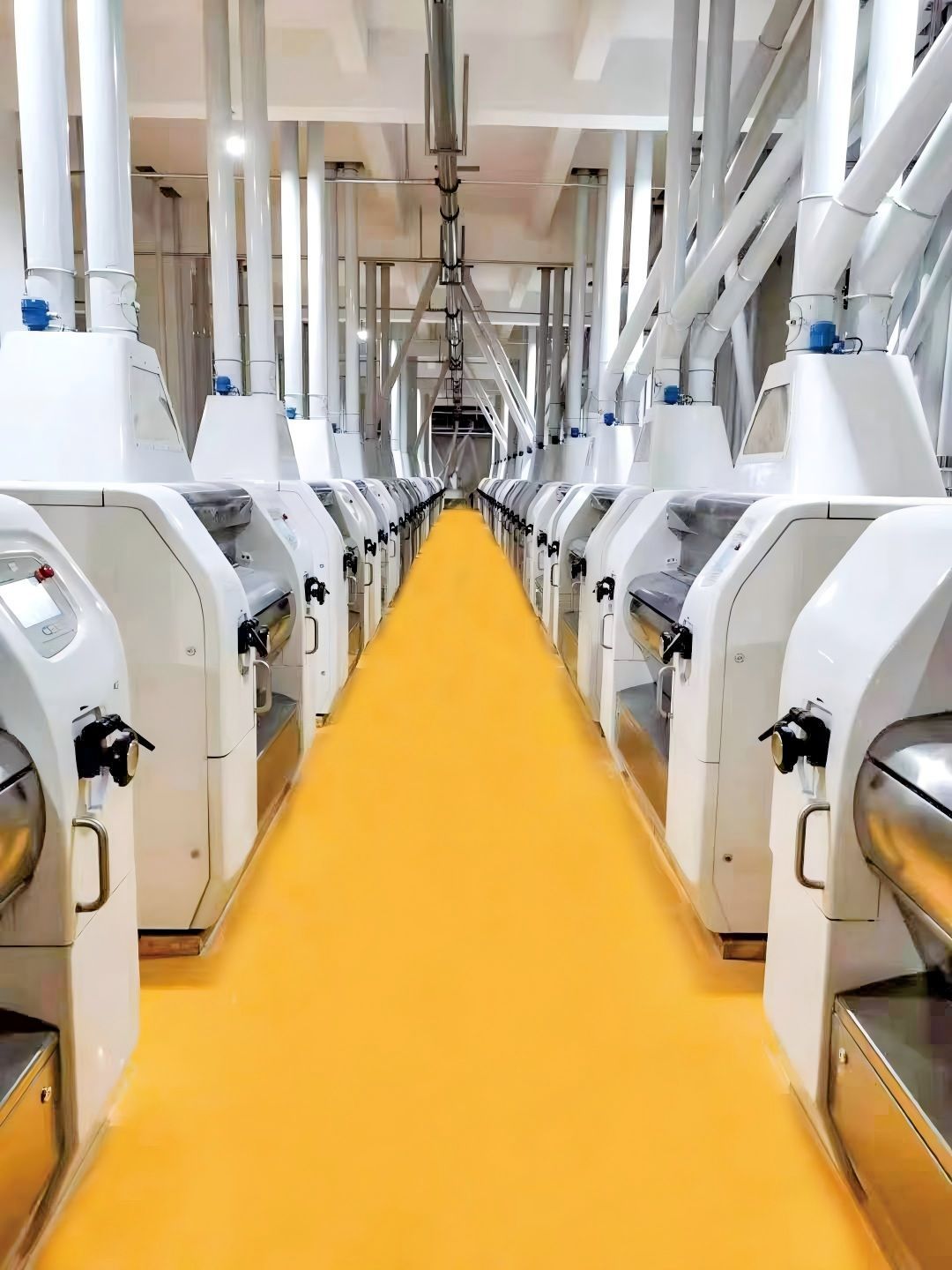
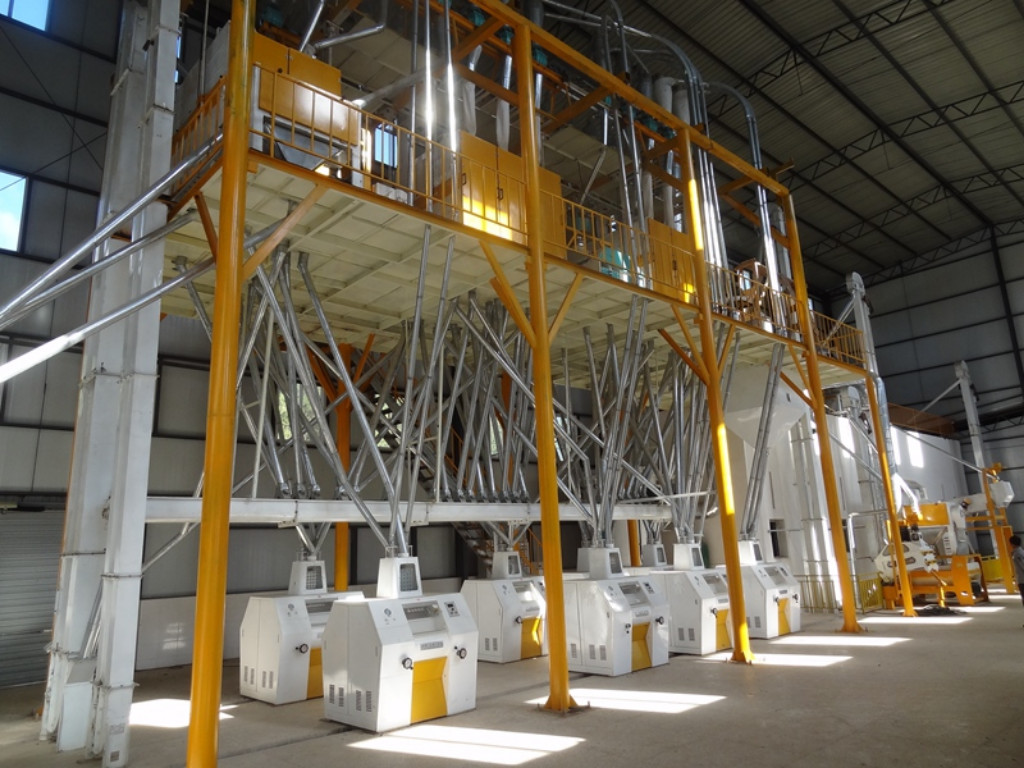
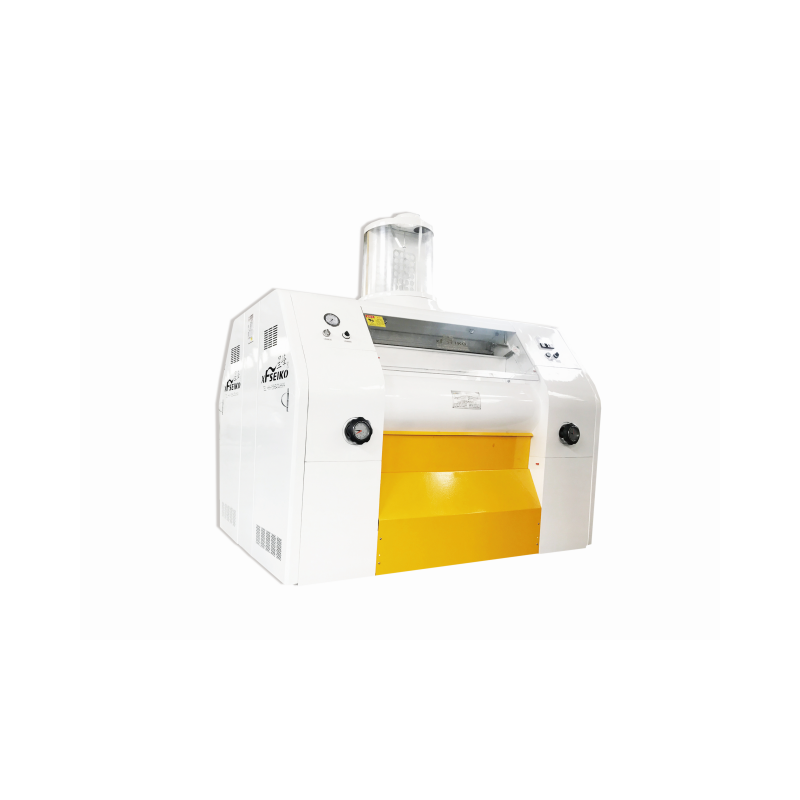
Roller mills, impact mills, or maize hammer mills may be used according to the product target. Roller mills are useful for controlled reduction and different flour grades. Plansifters separate particles by size and support several product streams.
Milling and sifting section
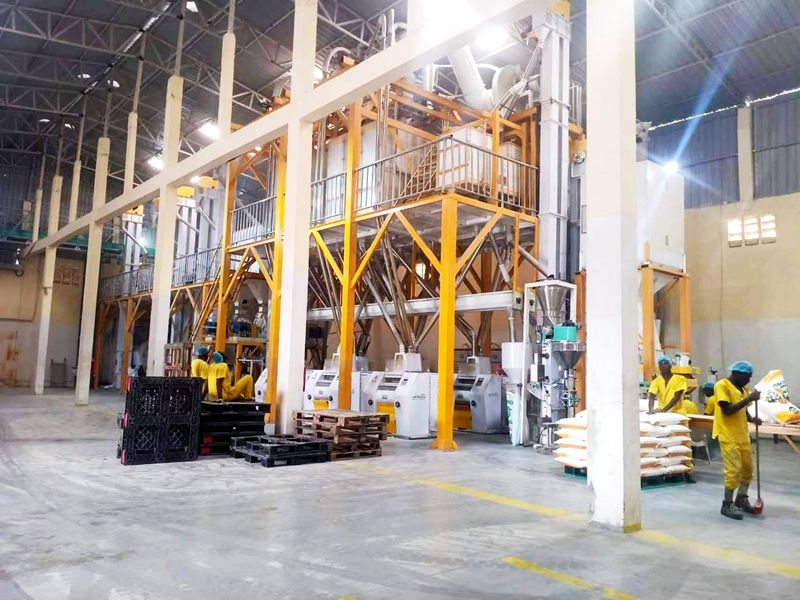
Separate bins prevent different flour grades from mixing. A 150-180TPD plant should have clear product routes for fine flour, meal, grits, bran, and germ. Pneumatic or mechanical conveying can be selected according to layout, energy goals, and maintenance conditions.
Conveying and storage section
Packaging flexibility is part of product flexibility. A small automatic packing machine may serve 1 kg to 5 kg retail bags, while a larger system can handle 25 kg or 50 kg sacks. Buyers should confirm weighing accuracy, sealing type, bag material, and changeover time.
Packing section
A control system allows operators to save different production recipes. One recipe may be used for fine flour, another for medium meal, and a third for grits. The system can control motor starting, product gates, sieve routes, alarms, and packing equipment.
Automation also helps reduce human error. Operators can see the running machines, bin levels, motor status, and selected product route from a central screen. Remote support can help an overseas buyer solve basic operating problems faster.
7. How Can Automation Improve Flexible Production?
- Recipe selection for different product grades
- Automatic motor sequence control
- Overload and temperature alarms
- Bin level monitoring
- Water dosing control during conditioning
- Batch weighing and packing records
- Production data for quality and maintenance review
Automation does not replace trained workers. It gives operators better information and makes product changeovers more repeatable. Local staff should receive training in recipe selection, sieve cleaning, roller adjustment, and basic fault checking.
Useful automation functions
Before selecting a 150-180TPD maize flour mill plant, buyers should define the product list instead of asking only for daily capacity. Capacity is important, but it does not explain the flour grade, extraction rate, particle size, or packaging result.
8. What Should Buyers Check Before Ordering?
- What maize varieties will the plant process?
- What are the expected moisture, impurity, and kernel size ranges?
- Which products are required: flour, meal, grits, bran, or germ?
- What particle size is required for each product?
- What percentage of production will each product represent?
- Which bag sizes and packing materials will be used?
- Is fortification required by the local market?
- How much floor space and storage volume are available?
- What power supply, workshop tools, and spare parts are available?
- Can the plant be expanded after three to five years?
Buyers should also request a process flow diagram, equipment list, foundation plan, power estimate, installation schedule, and expected product yield. A sample maize test is useful because the same machine settings may not work for every maize variety.
Buyer checklist
A mill does not need to produce every product at the same time. A practical plan may divide output according to customer orders and storage capacity. The exact ratio must be confirmed through local market research and raw material testing.
| Production period | Main product focus | Supporting products | Reason |
|---|---|---|---|
| High retail demand | Fine maize flour | Bran and germ | Serve household and supermarket sales |
| Wholesale demand | Medium maize meal | Coarse meal and bran | Move larger volumes efficiently |
| Industrial orders | Maize grits | Fine flour and germ | Meet contract specifications |
| Low flour demand | Animal feed byproducts | Meal and germ | Keep the plant operating |
This type of production planning can improve storage management and reduce the risk of unsold finished goods. The mill owner can use sales data to adjust the next production recipe.
9. Practical Flexible Production Plan for a 150-180TPD Plant
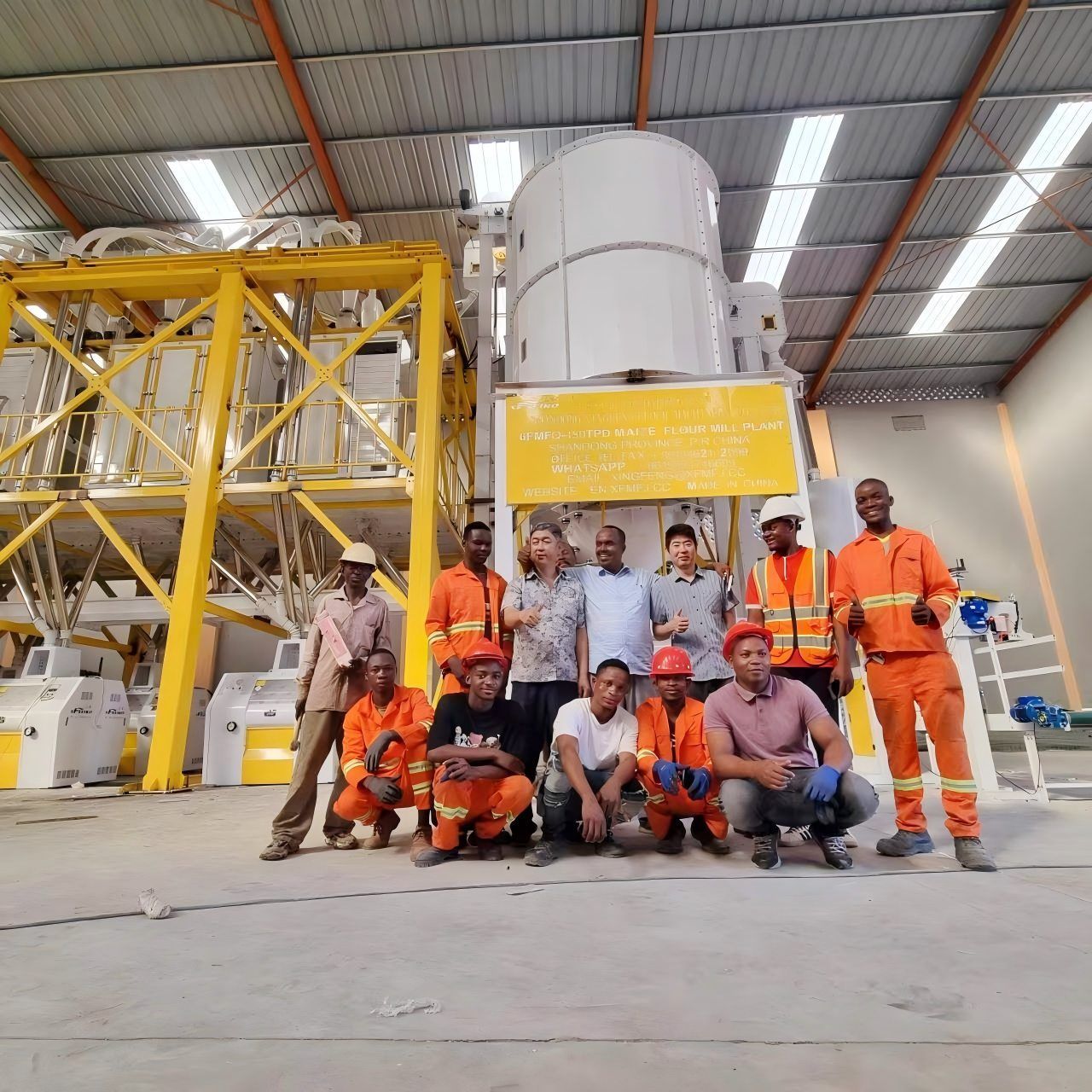
Xingfeng can help overseas buyers match plant design with local maize, product targets, building conditions, and investment plans. The project discussion should cover process design, machine selection, electrical control, installation, commissioning, operator training, and spare parts.
The most important point is to design flexibility before manufacturing begins. Adding product routes, storage bins, sifters, or packing equipment after installation may cost more than reserving the correct space and connection points at the start.
10. Why Choose Xingfeng for a Flexible Maize Flour Mill Plant?
Conclusion: Build for Multiple Products, Not One Fixed Market
A 150-180TPD maize flour mill plant can produce fine flour, medium meal, coarse meal, grits, bran, and germ when its cleaning, degermination, milling, sifting, storage, and packing sections are designed for product changeover. This flexibility helps overseas buyers respond to changing demand and create more than one revenue stream.
The right project begins with clear product specifications, maize testing, a practical process flow, and room for future upgrades. By working with Xingfeng, buyers can plan a maize processing line that supports current sales targets and future market growth.