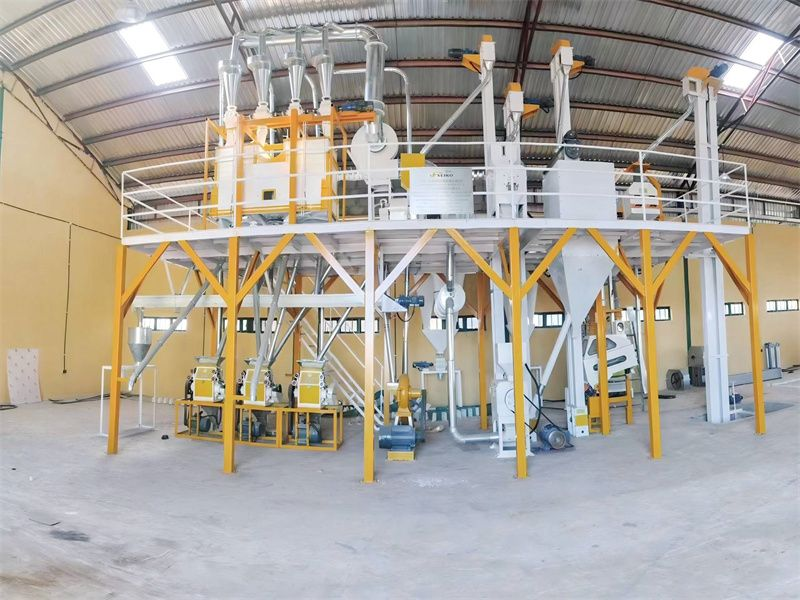
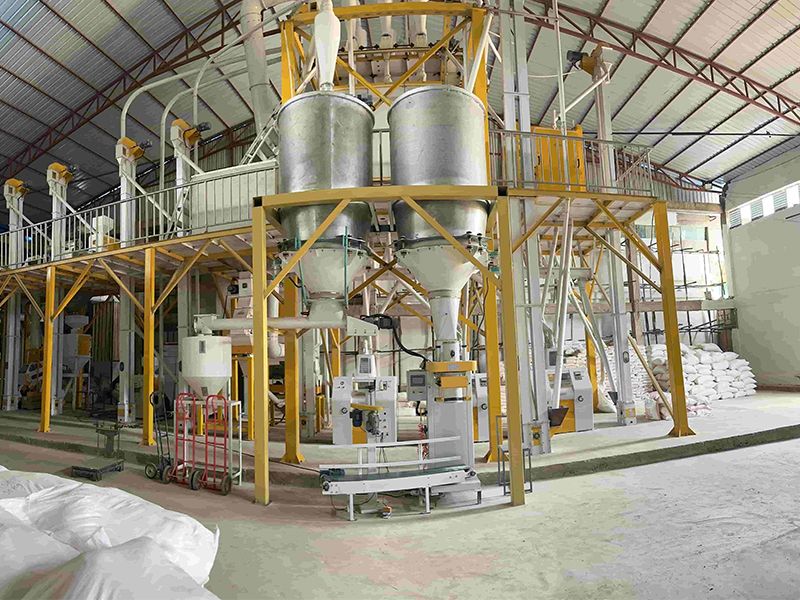
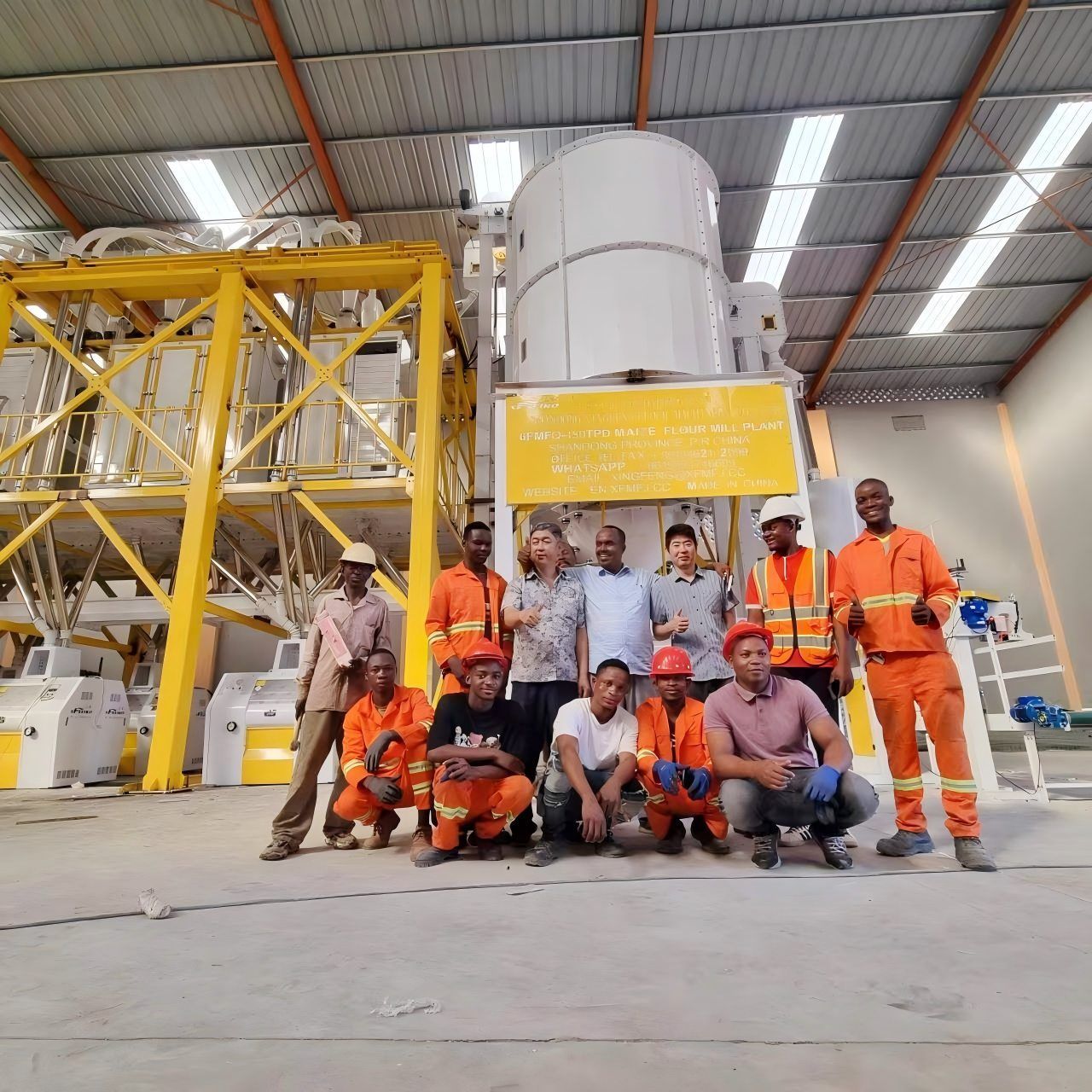
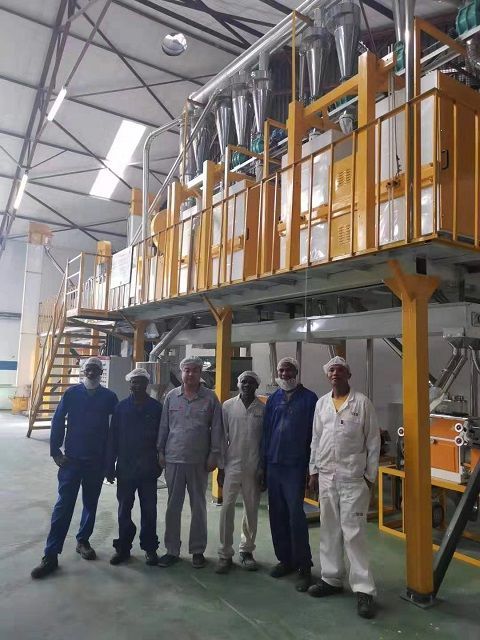
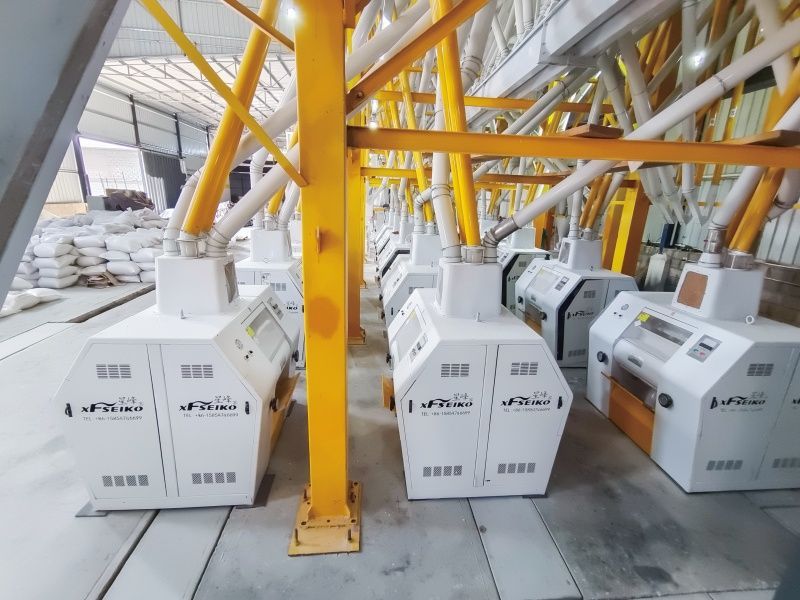
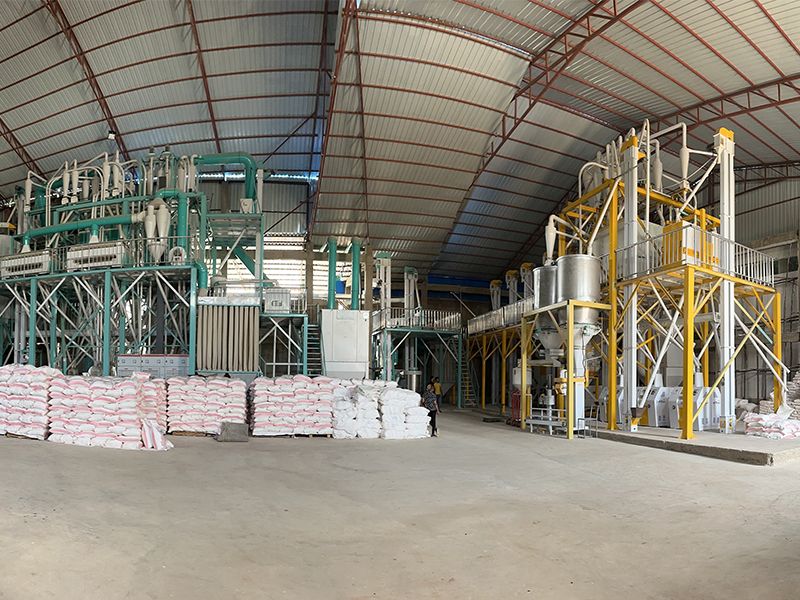
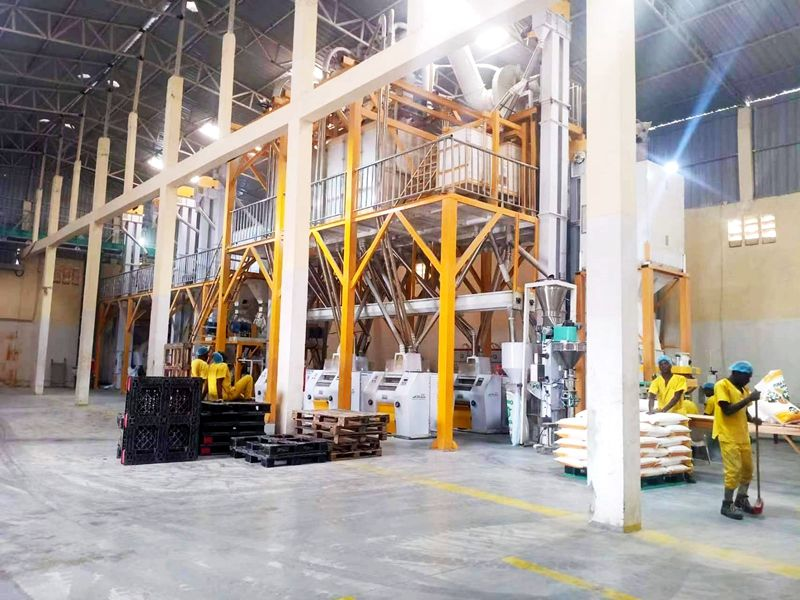
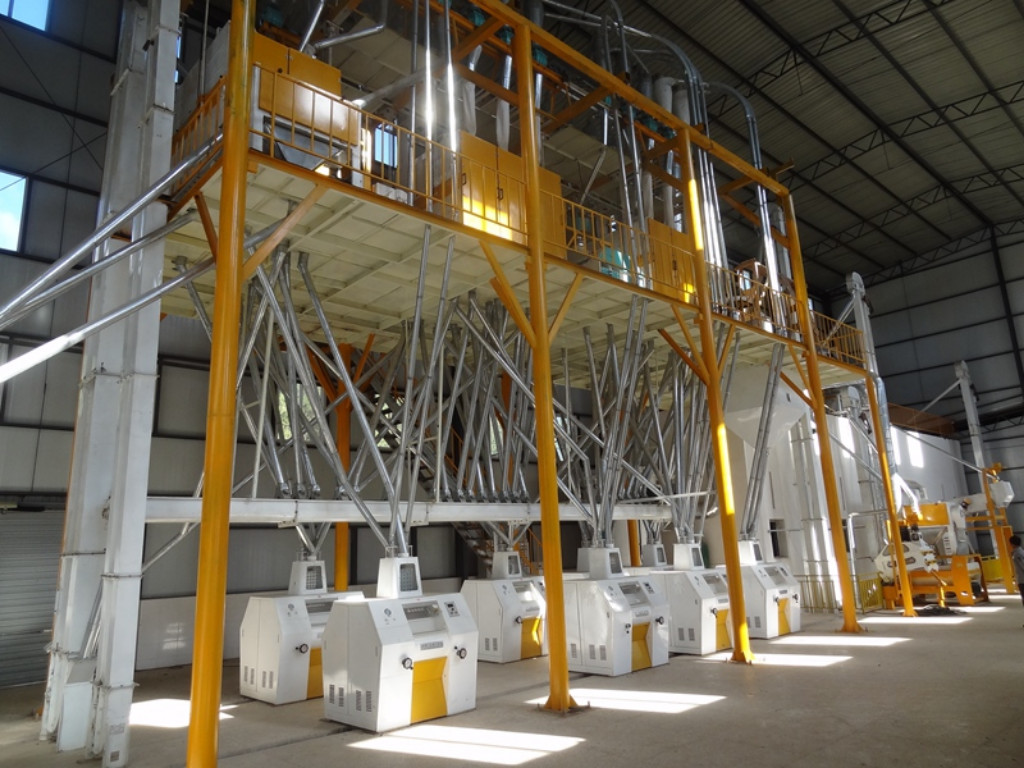
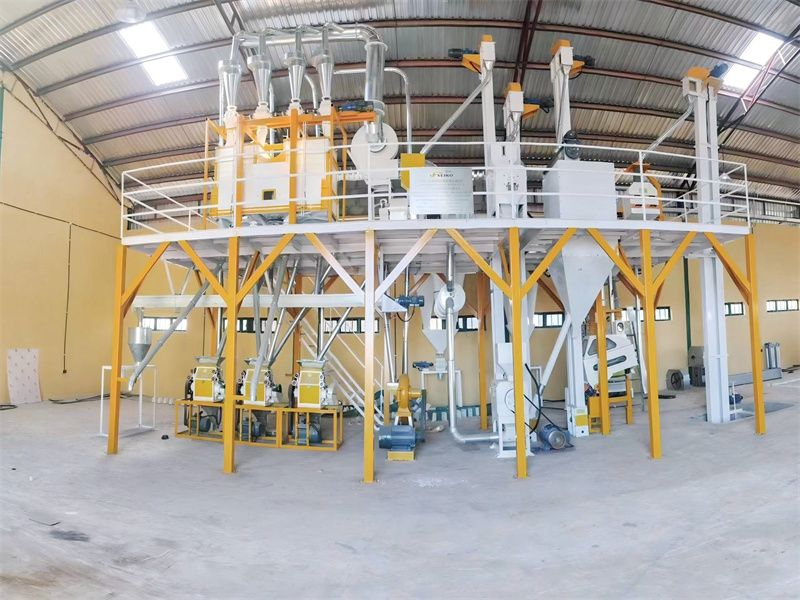
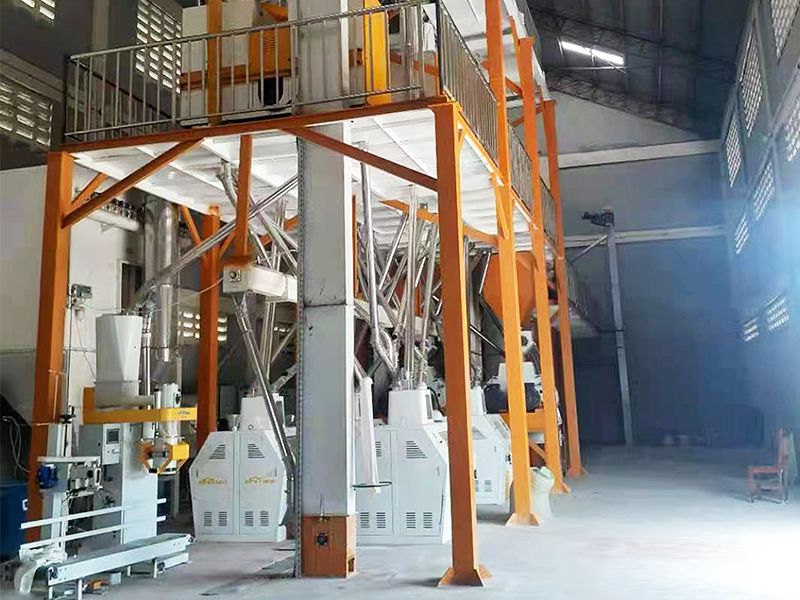
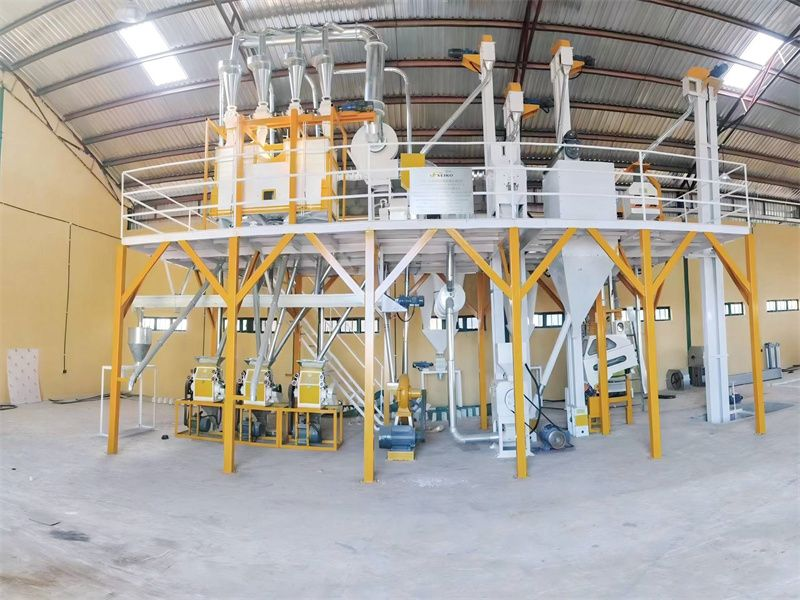
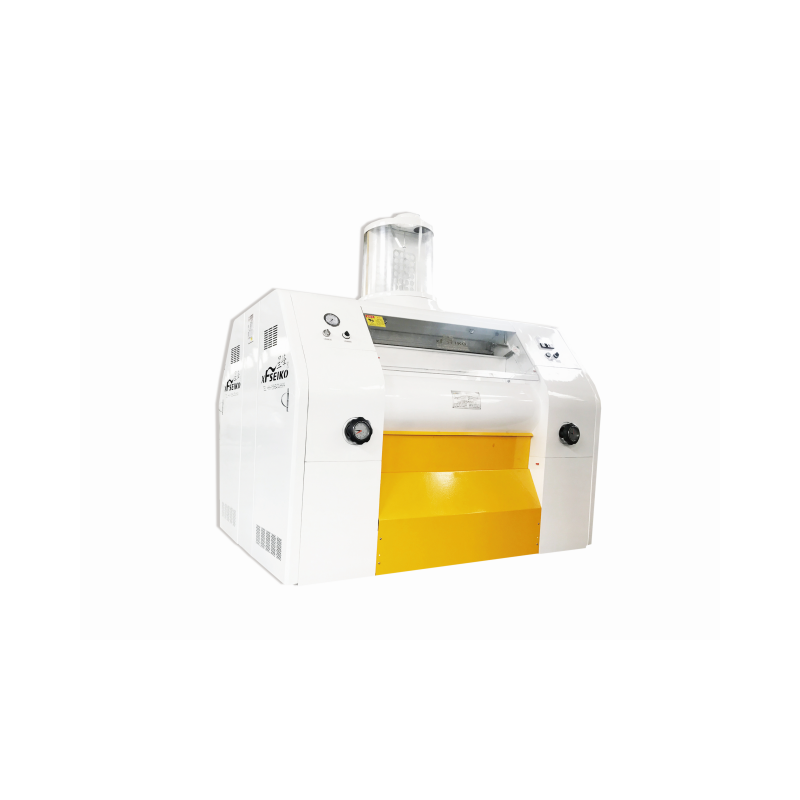
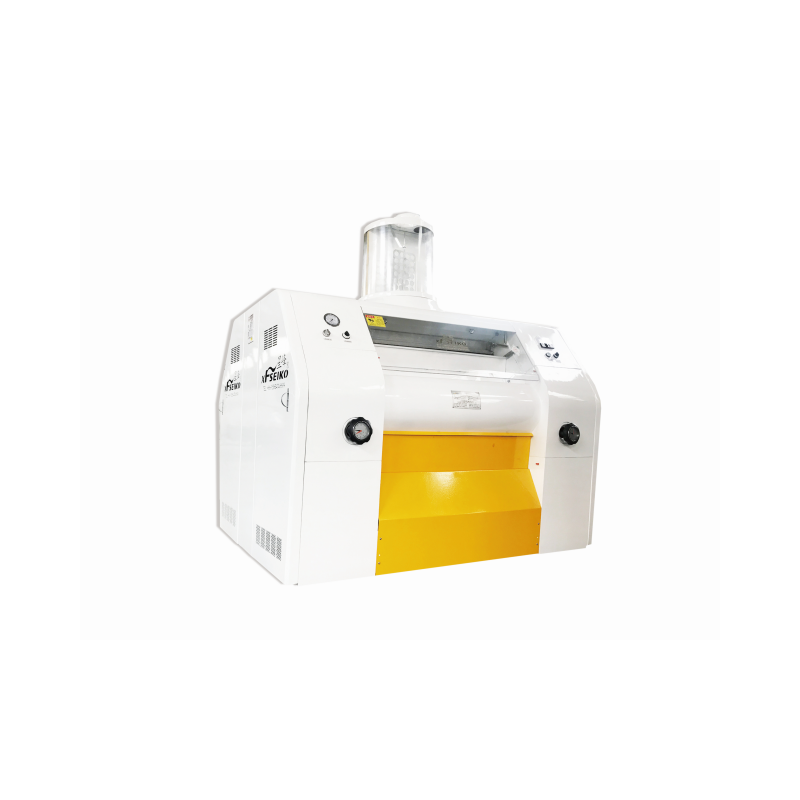
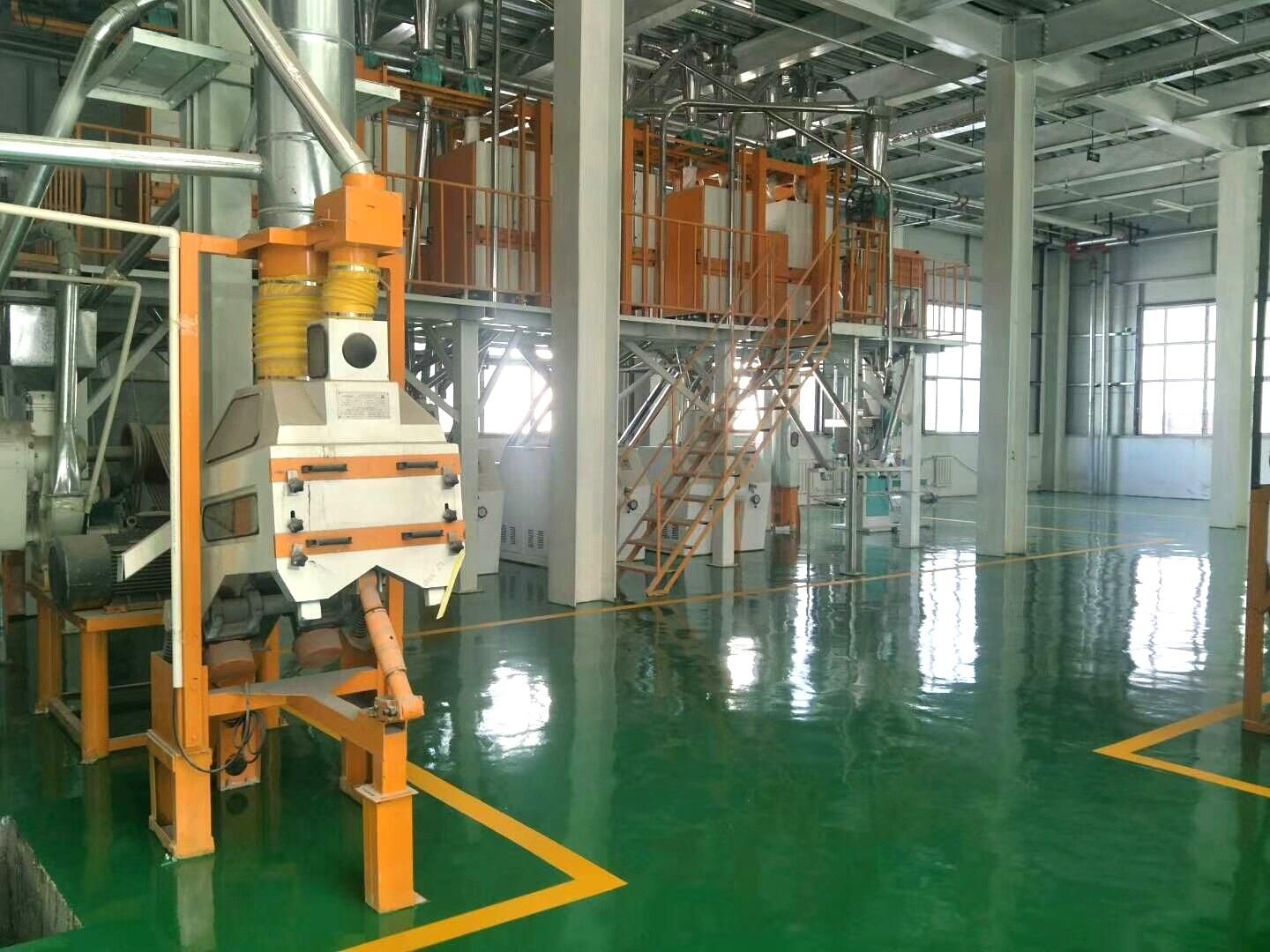
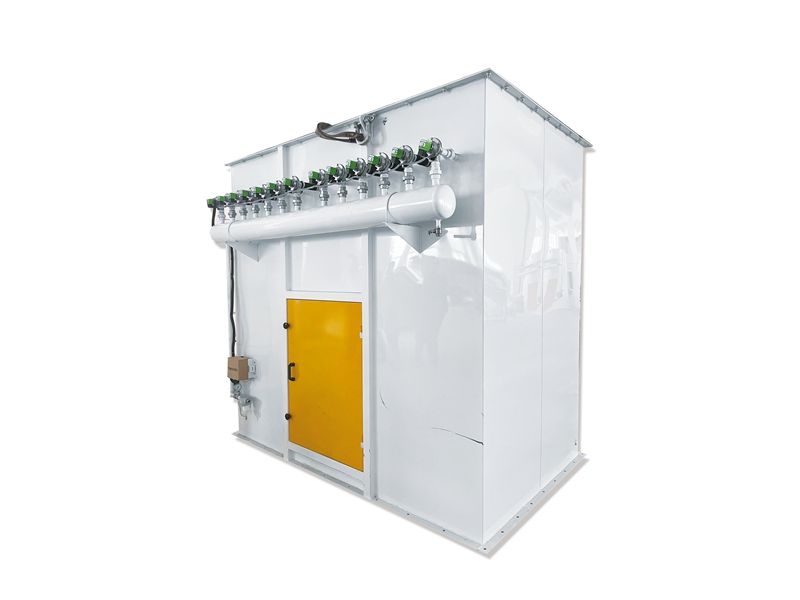
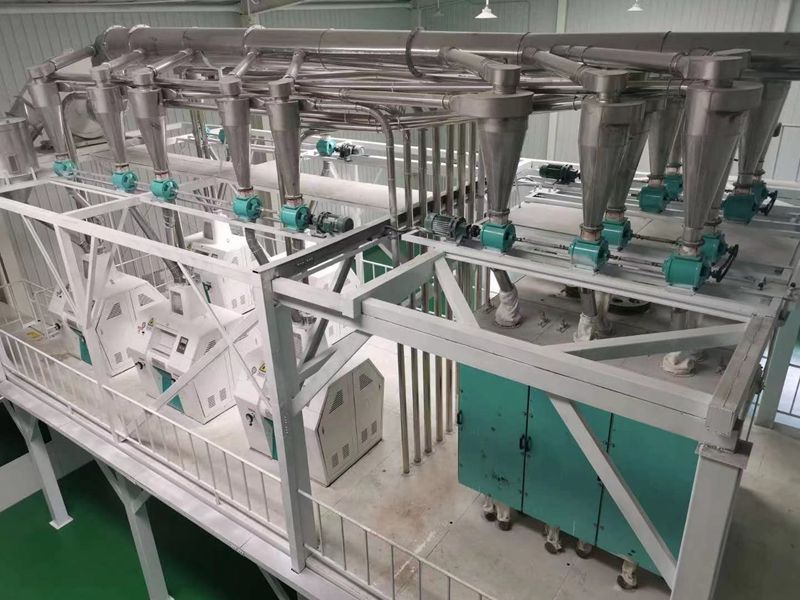
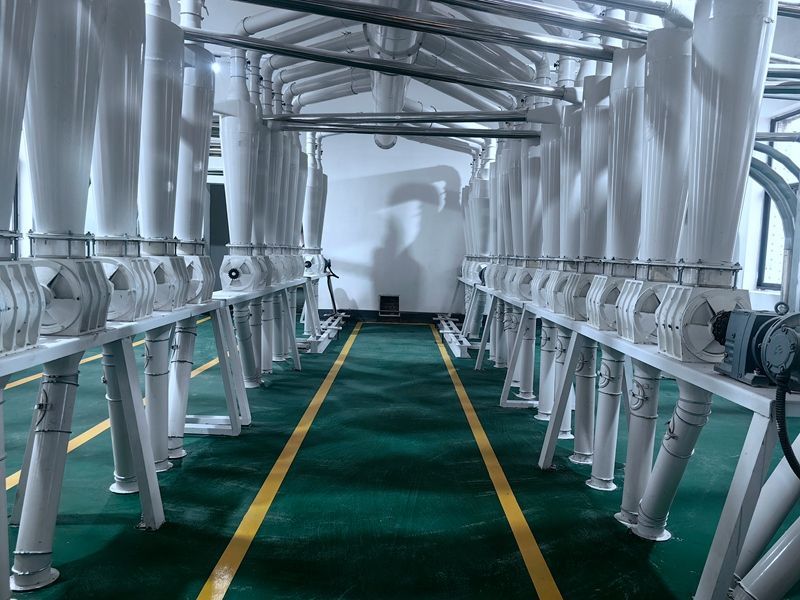
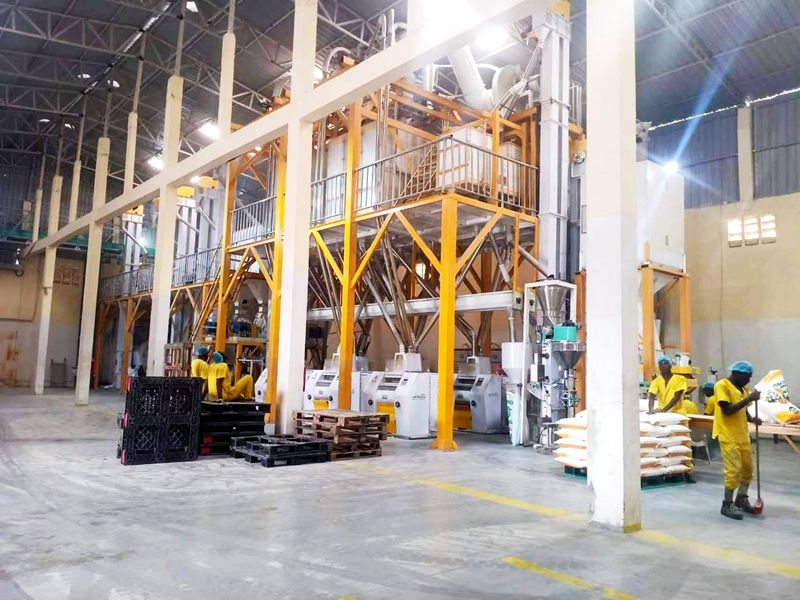
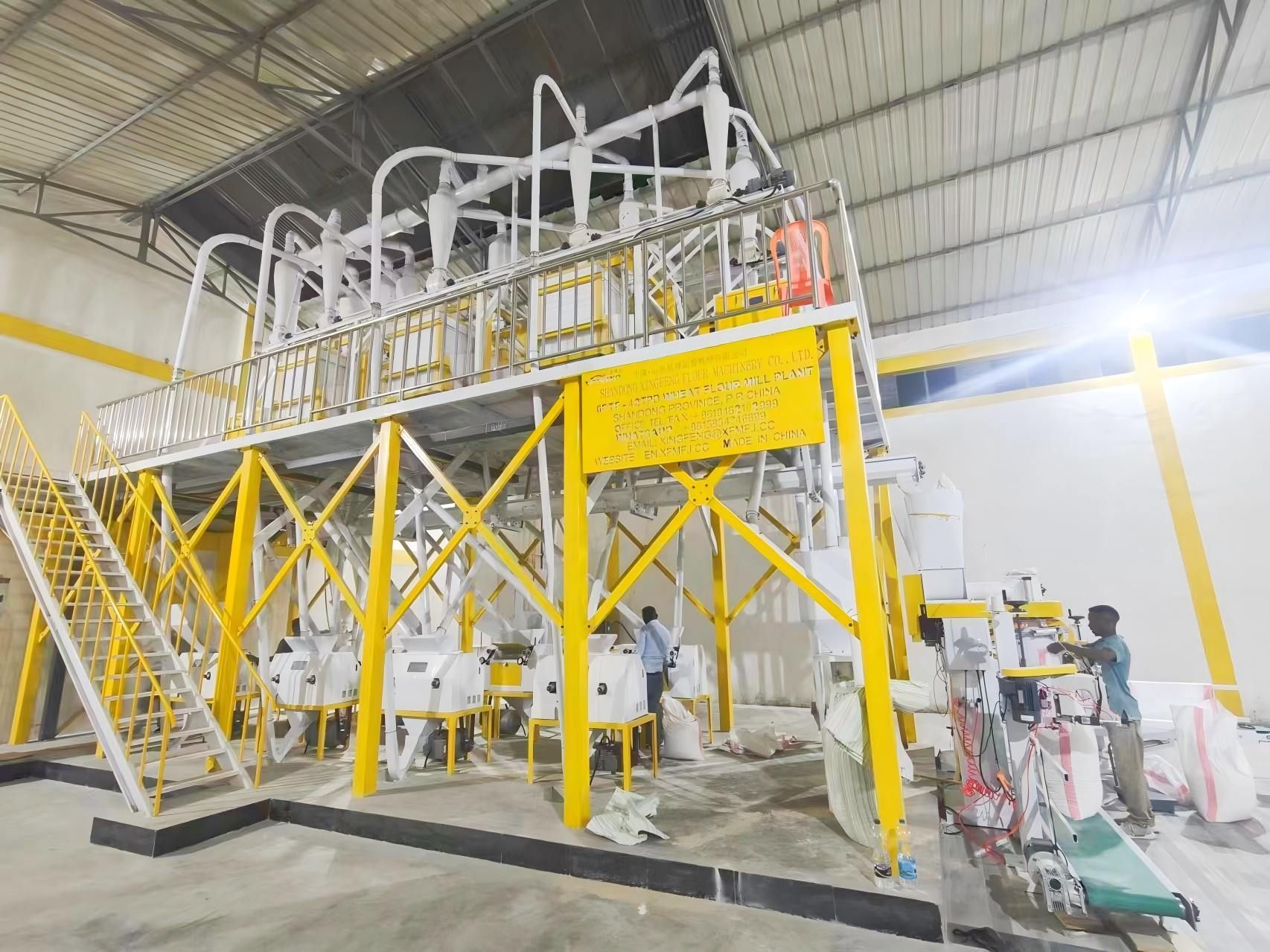
Product loss during maize flour production usually comes from poor maize kernel cleaning, incorrect degermination, inefficient flour sifting, and inaccurate packing. In a well-managed 60 TPD maize flour mill plant, operators can reduce avoidable loss by about 2% to 5% through correct machine settings, regular inspection, and accurate weighing. This guide explains where loss happens and how the Xingfeng process helps protect flour, germ, bran, and usable maize products.
The main goal is simple: remove foreign material without removing good maize, separate the germ without crushing valuable products, sift flour without sending fine particles to waste, and pack every kilogram correctly. Small losses at four stages can become a large financial loss after 24 hours of production.

The largest sources of loss are usually over-cleaning, excessive aspiration, broken kernels during degermination, flour trapped in bran, leaking packing bags, and weighing errors. A useful control plan is:
- Measure maize input and product output at every shift.
- Set the cleaner according to grain size, moisture, and impurity level.
- Control degermination pressure and avoid unnecessary kernel breakage.
- Check sieve condition, air flow, and flour return routes.
- Calibrate the packing scale and inspect every sealing point.
If input, output, by-products, and waste are recorded together, the plant can find the exact point where product disappears. This is more reliable than judging loss only from the final flour yield.
Quick Answer: Where Does Product Loss Come From?
1. Measure Product Loss Before Changing the Process
A factory should first establish a material balance. Record the weight of raw maize, cleaned maize, degerminated maize, flour, germ, bran, screenings, dust, and rejected material. Use the following basic calculation:
Process loss percentage = Unaccounted material divided by Raw maize input multiplied by 100.
For example, if a plant receives 60,000 kg of maize and records only 58,200 kg in flour and by-products, the unaccounted material is 1,800 kg. The loss rate is 3%. This figure may include moisture reduction, dust, machine residue, spillage, and recording errors.
Use a Shift Loss Sheet
| Item to Record | Recommended Check | Warning Sign |
|---|---|---|
| Raw maize input | Weigh every delivery or production batch | Input is estimated instead of weighed |
| Cleaning screenings | Inspect for usable maize | Good kernels appear in waste |
| Germ and bran | Check product purity and flour content | Large amounts of flour are trapped inside |
| Finished flour | Compare scale weight with production records | Yield changes sharply between shifts |
| Packing waste | Collect spilled flour and damaged bags | Dust or flour is visible around the packing line |
A daily record can show whether loss is caused by the raw material or the machine. For a 60 TPD maize flour mill plant, even a 1% unaccounted loss equals about 600 kg of maize per day.
2. Reduce Loss During Maize Cleaning
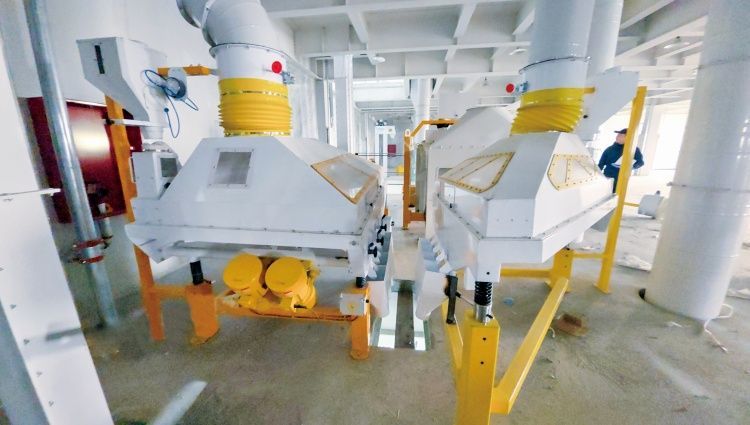
Cleaning protects the mill and improves flour quality, but an aggressive cleaning setting can throw good maize into the waste stream. The cleaning section should remove stones, metal, dust, husk, cobs, sand, and light impurities while keeping sound kernels in the product flow.
Control the Main Cleaning Machines
- Pre-cleaner: Use the correct screen openings. A screen that is too large allows impurities to pass. A screen that is too small can hold good kernels or reduce capacity.
- Aspirator: Adjust air flow to remove light material. Excessive air can carry small maize pieces into the dust outlet.
- Destoner: Keep the deck level and air pressure stable. Good kernels should move to the product outlet, not the stone outlet.
- M magnetic separator: Remove metal before it reaches the roller mill or degerminator. Inspect the magnet at least once per shift.
- Scourer: Use enough friction to remove surface dirt and loose bran. Too much friction creates broken kernels and flour dust.
Check the Waste Stream
Take a sample from each cleaning waste outlet every two hours. Spread the sample on a clean tray and count usable maize kernels. If more than 1% of the waste sample is sound maize, reduce air flow, adjust the deck angle, or review screen size.
The cleaning section should also prevent water and condensation from entering the grain path. Wet material sticks to screens, blocks air channels, and increases residue inside machines. Keep the grain moisture within the level recommended for the selected maize variety and process design.
3. Prevent Good Product Loss During Degermination
Degermination separates the germ and part of the bran from the endosperm. It improves flour color, shelf life, and product stability. However, high pressure, incorrect maize moisture, or a worn degerminator can break the endosperm and send valuable flour into germ or bran.
Use the Correct Degermination Sequence
Step 1: Clean and grade the maize by size.
Step 2: Adjust moisture or conditioning time according to the maize condition.
Step 3: Feed the degerminator at a stable rate.
Step 4: Set rotor speed, pressure, and outlet gap.
Step 5: Collect germ, bran, and endosperm separately.
Step 6: Inspect each stream before sending it to the next machine.
Important Degermination Checks
| Condition | Possible Result | Loss Prevention Action |
|---|---|---|
| Feed rate is too high | Uneven separation and overloaded machine | Keep feed stable and within rated capacity |
| Pressure is too high | More broken endosperm in germ and bran | Lower pressure and inspect product samples |
| Maize is too dry | More cracking and fine dust | Review conditioning and storage moisture |
| Rotor or screen is worn | Poor separation and higher residue | Replace worn parts before quality declines |
| Uneven maize size | Some kernels are over-processed | Use grading before degermination |
A simple test is to weigh a 1 kg sample from the germ outlet and inspect the amount of white endosperm attached to it. High flour content means the degerminator is removing too much usable product. Operators should also inspect the endosperm stream for remaining germ. Too much germ in the flour can reduce shelf life because germ contains oil.
4. Protect Flour Yield During Sifting
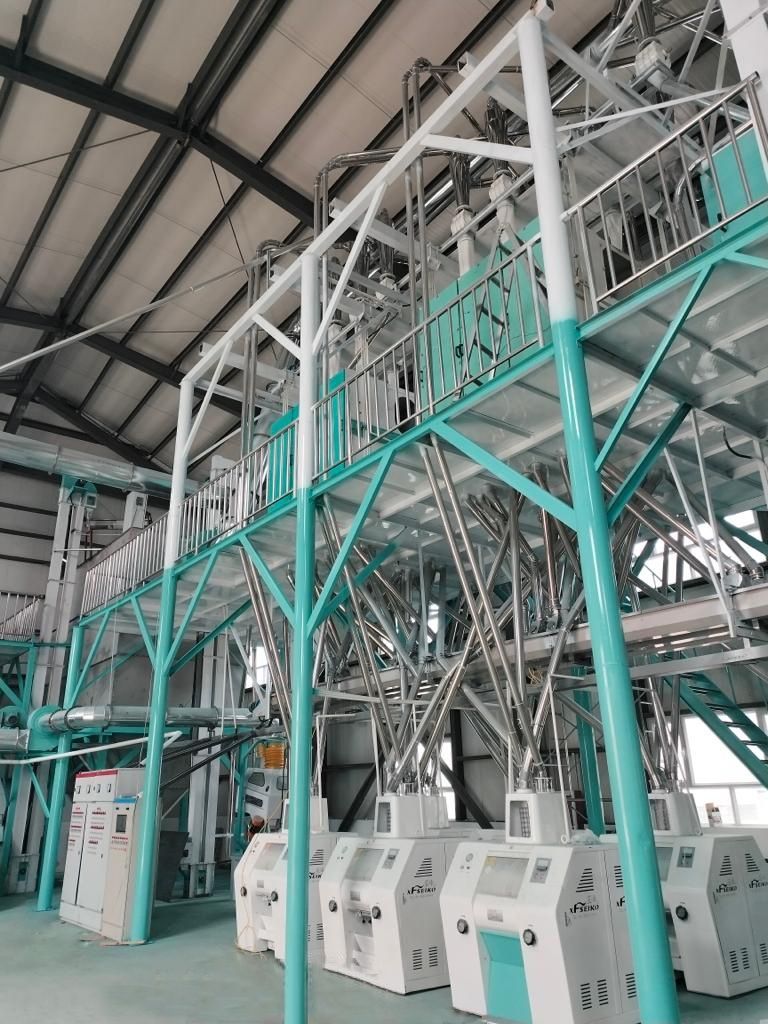
Sifting separates fine maize flour, medium meal, coarse particles, bran, and material that needs another grinding pass. Poor sifting does not always look like physical waste. Flour can remain inside the plansifter, move into the wrong product stream, or become dust in the air system.
Keep Sieve Performance Stable
- Inspect sieve cloth for holes, blinding, and loose edges.
- Confirm that sieve frames are installed in the correct order.
- Clean the screen surface at scheduled intervals.
- Check the plansifter motion and balance.
- Inspect product flow at each outlet.
- Return coarse endosperm to the correct reduction passage.
A blocked sieve reduces capacity and increases pressure on the machine. A damaged sieve sends coarse particles into finished flour or allows bran to pass into the fine product. Both conditions reduce saleable yield and may cause customer complaints.
Reduce Flour in the Air System
Dust control is also product recovery. Check cyclone outlets, filters, ducts, and seals for flour deposits. A sudden increase in filter dust can indicate a leaking duct, excessive air flow, or a blocked product passage. Keep air speed high enough to transport dust, but not so high that fine flour is carried out with waste air.
Install inspection points at transfer areas. Check elbows, flexible connections, and machine covers because these locations often leak flour. Tight seals protect the product, improve working conditions, and reduce the need for frequent cleaning.
5. Stop Product Loss During Packing
Packing loss affects both factory profit and customer trust. A bag that is 100 grams underweight creates a direct product loss. A bag that is overweight gives away product. Leaking seams, poor sealing, and dust around the filling nozzle can increase total packing loss by hundreds of kilograms each month.
Set Up Accurate Packing Control
Step 1: Clean the weighing hopper and confirm that the gate moves freely.
Step 2: Calibrate the scale with certified test weights.
Step 3: Set the fast-fill and slow-fill stages.
Step 4: Check five consecutive bags at start-up.
Step 5: Recheck bag weight at least every 30 minutes.
Step 6: Inspect the seal, stitching, bag mouth, and conveyor area.
For a 25 kg bag, a practical control target may be an average fill close to the declared weight, with variation kept within the legal limit of the destination market. The exact tolerance depends on local regulations and the packing machine. Do not use a high overfill setting as a substitute for calibration.
Compare Common Packing Problems
| Problem | Reason | Solution |
|---|---|---|
| Underweight bags | Scale drift or unstable air pressure | Calibrate the scale and stabilize the filling system |
| Overweight bags | Slow-fill delay or incorrect target setting | Adjust cut-off timing and test several bags |
| Flour leakage | Weak bag material or poor sealing | Improve bag quality and check the sealer temperature |
| Dust at the nozzle | High filling speed or poor dust extraction | Reduce air turbulence and inspect the dust filter |
| Bag damage on conveyor | Sharp edges or incorrect conveyor height | Remove sharp points and align the conveyor |
6. Build a Loss Prevention Flow Chart for a 60 TPD Plant
The following process gives operators a clear routine. It connects production control with quality inspection and makes problems easier to locate.
Step 1: Receive and weigh maize.
Step 2: Test moisture, foreign material, and kernel condition.
Step 3: Clean maize and inspect every waste outlet.
Step 4: Grade maize by size before degermination.
Step 5: Condition maize when required by the process design.
Step 6: Degerminate at a stable feed rate and pressure.
Step 7: Sift flour and return suitable coarse material for reduction.
Step 8: Check flour moisture, color, particle size, and product flow.
Step 9: Pack, weigh, seal, and inspect finished bags.
Step 10: Reconcile input, finished products, by-products, and waste.
When the material balance does not close, start the investigation at the first point where the recorded weight changes. This method saves time because operators do not need to inspect every machine at once.
7. Compare Loss Control by Processing Stage
| Processing Stage | Main Product Risk | Key Measurement | Recommended Frequency |
|---|---|---|---|
| Cleaning | Good maize sent to waste | Usable kernels in screenings | Every 2 hours |
| Degermination | Endosperm trapped in germ or bran | White particles in by-products | Every shift |
| Sifting | Flour trapped or sent to the wrong stream | Particle size and sieve condition | Every shift |
| Dust collection | Fine flour removed from saleable product | Dust weight and filter condition | Daily |
| Packing | Overfill, underfill, or leakage | Bag weight and seal strength | Every 30 minutes |
8. Maintenance Practices That Reduce Product Waste
Preventive maintenance is often cheaper than recovering lost flour. Inspect screens, rubber seals, bearings, rollers, degerminator parts, pneumatic gates, scales, and packing equipment according to a written schedule. Loose parts can create vibration, unstable flow, and product leakage.
- Clean internal machine surfaces at the end of each production day.
- Remove flour deposits before they harden or attract moisture.
- Check all inspection doors and covers for air leaks.
- Replace damaged sieve cloth immediately.
- Lubricate bearings according to the equipment manual.
- Keep spare seals, screens, and packing machine parts in stock.
Operators should record the cause of every stoppage. If a machine stops three times for the same reason, the factory should correct the root cause instead of only restarting the line. Stable operation usually gives better flour yield than repeated speed changes.
9. Operator Training and Quality Rules
Machines do not prevent loss by themselves. Operators need clear limits for feed rate, air flow, pressure, moisture, sieve replacement, and packing weight. A one-page operating chart near each machine can reduce incorrect adjustments, especially during shift changes.
Use a Simple Three-Level Response
- Normal: Product flow, waste, and quality are within the plant target. Continue production and record results.
- Warning: Waste increases, product color changes, or flour appears in by-products. Reduce speed if needed and inspect the machine.
- Action required: Good maize is visible in waste, flour is leaking, or bag weight is outside the legal limit. Stop the affected section and correct the problem.
Training should include real product samples. Show operators what clean screenings, good germ, acceptable bran, and finished flour look like. Visual checks supported by weighing are faster and more useful than general instructions such as "run the machine carefully."
10. How Xingfeng Supports Lower Product Loss
Xingfeng can design a maize flour milling solution around raw maize quality, target flour products, local power conditions, packaging sizes, and required capacity. For an overseas buyer or distributor, the most important point is not only machine capacity. It is the complete process connection between cleaning, degermination, milling, sifting, dust collection, and packing.
A properly matched 60 TPD line should provide stable feeding, suitable separation, accessible inspection points, and clear product routes. These features help the miller protect saleable flour and keep germ and bran streams useful. Before ordering equipment, discuss expected yield, by-product quality, maize varieties, moisture range, final flour size, and packing requirements with the manufacturer.
Final Checklist for Reducing Product Loss
- Weigh raw maize before processing.
- Inspect cleaning waste for usable kernels.
- Keep aspiration air flow within the required range.
- Grade maize before degermination.
- Control degerminator pressure and feed rate.
- Test germ and bran for trapped endosperm.
- Inspect sieve cloth and product return routes.
- Check filters, ducts, and seals for flour leakage.
- Calibrate packing scales with test weights.
- Check bag weight and sealing throughout production.
- Compare input, finished flour, by-products, and waste every shift.
Product loss is not caused by one machine alone. It is the result of many small errors across the process. When cleaning is gentle but effective, degermination is controlled, sifting is balanced, and packing is accurate, a 60 TPD maize flour mill plant can achieve more stable yield and better commercial results. The Xingfeng approach is to treat every kilogram as part of the process balance, from maize receiving to the final sealed bag.