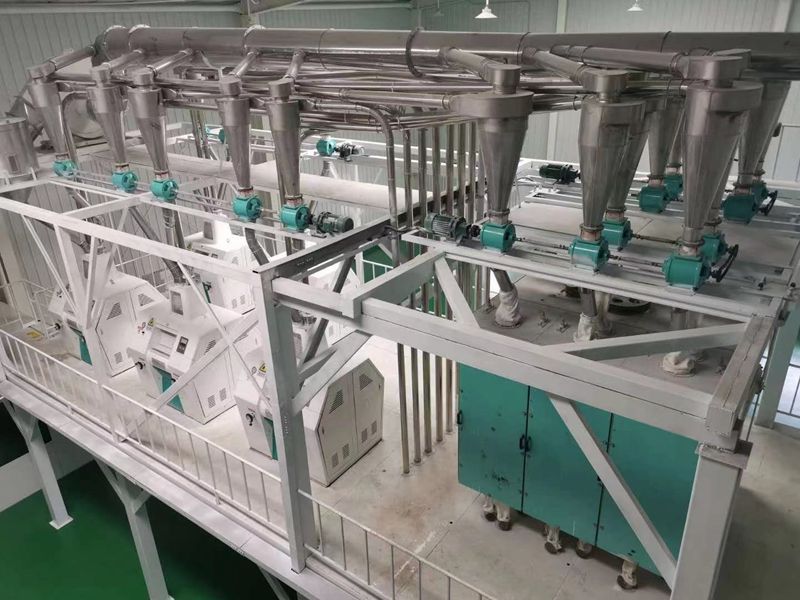
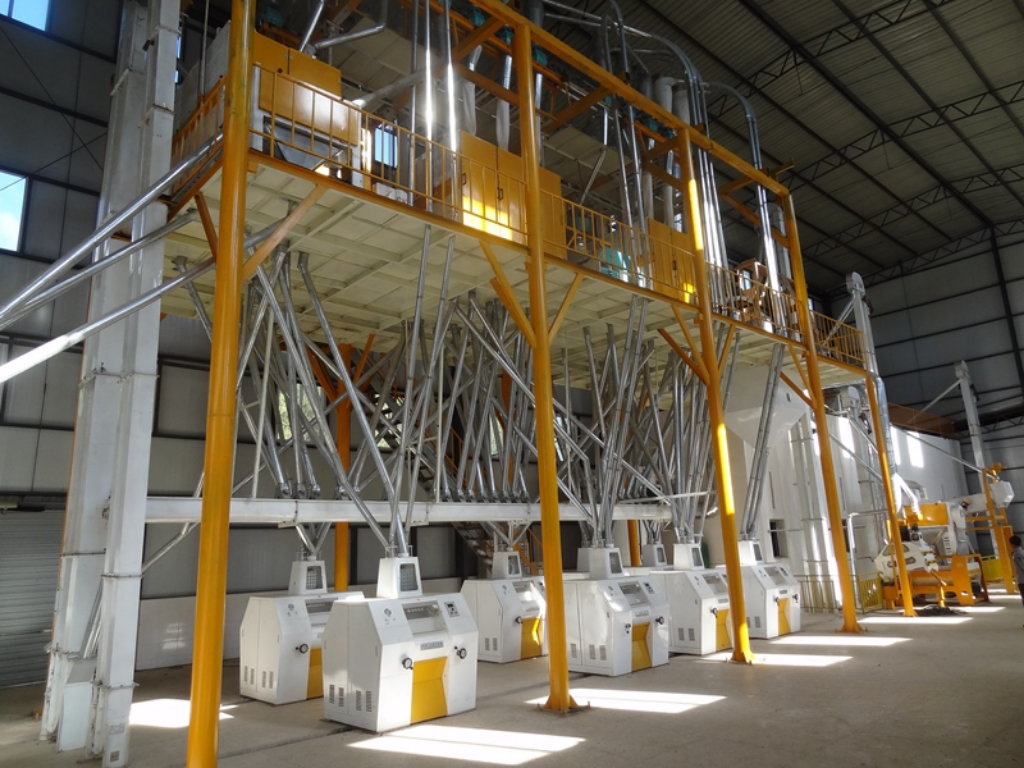
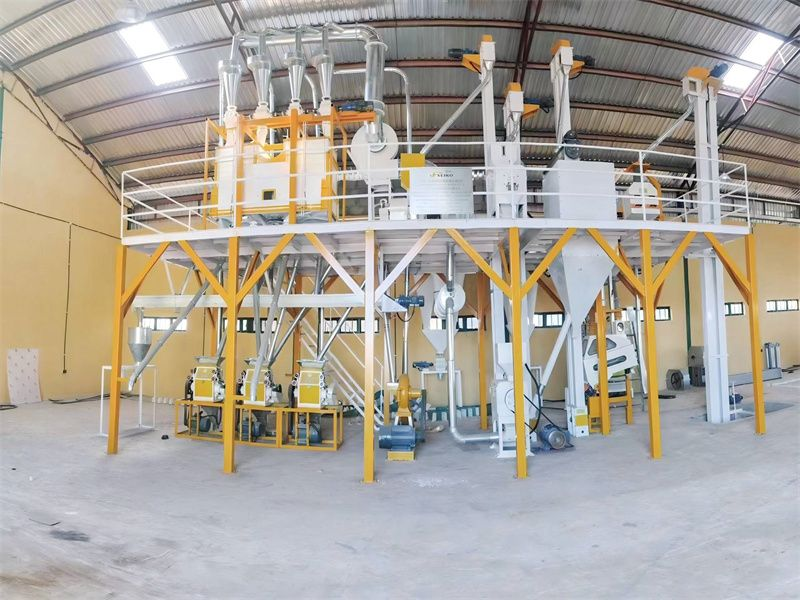
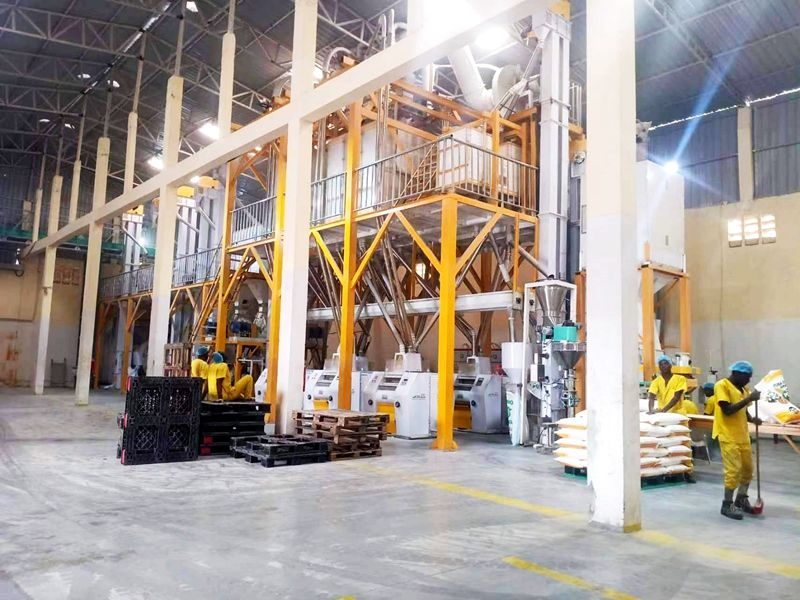
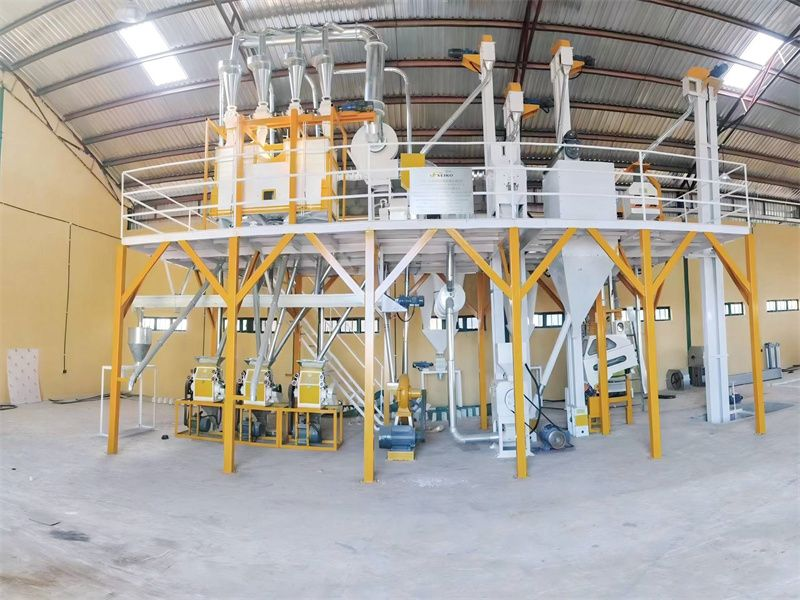
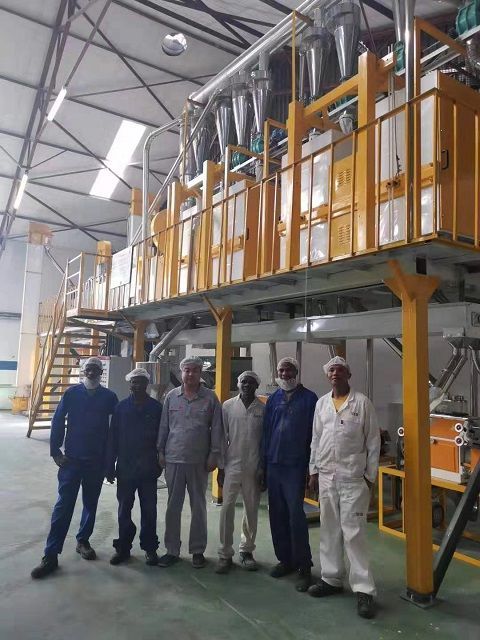
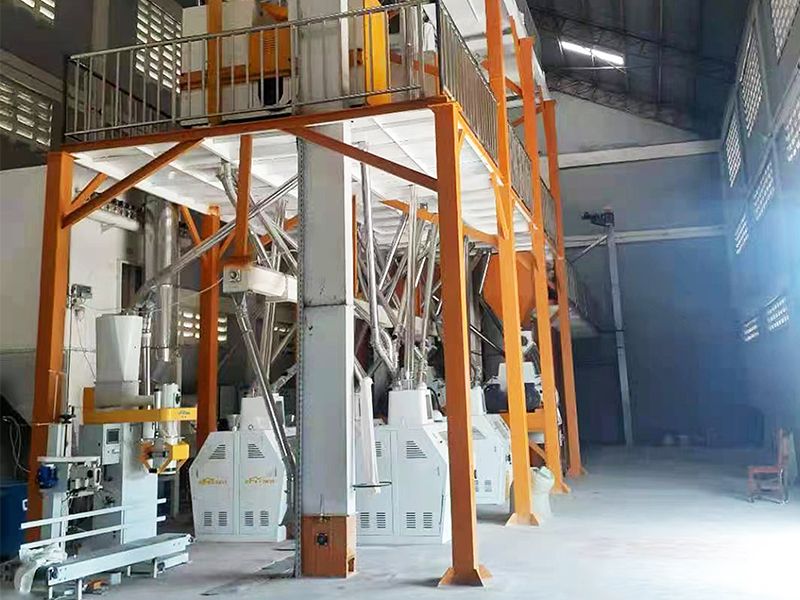
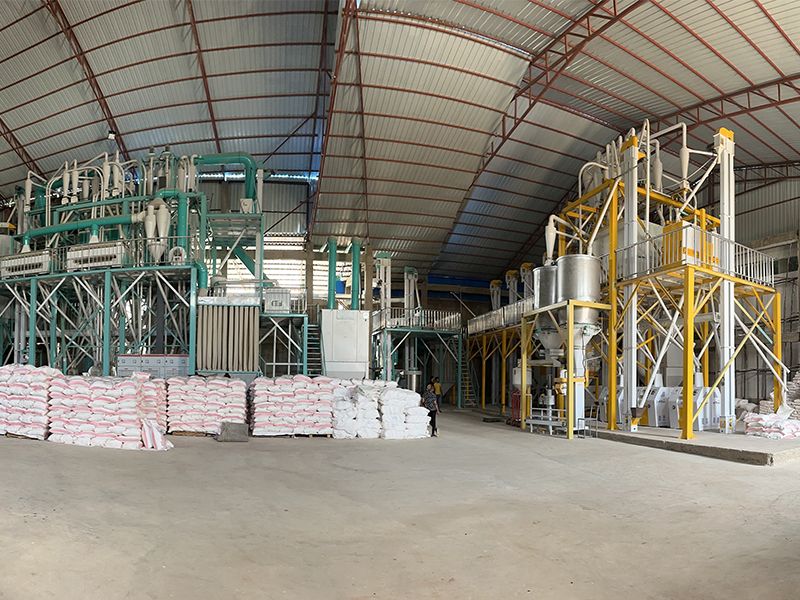
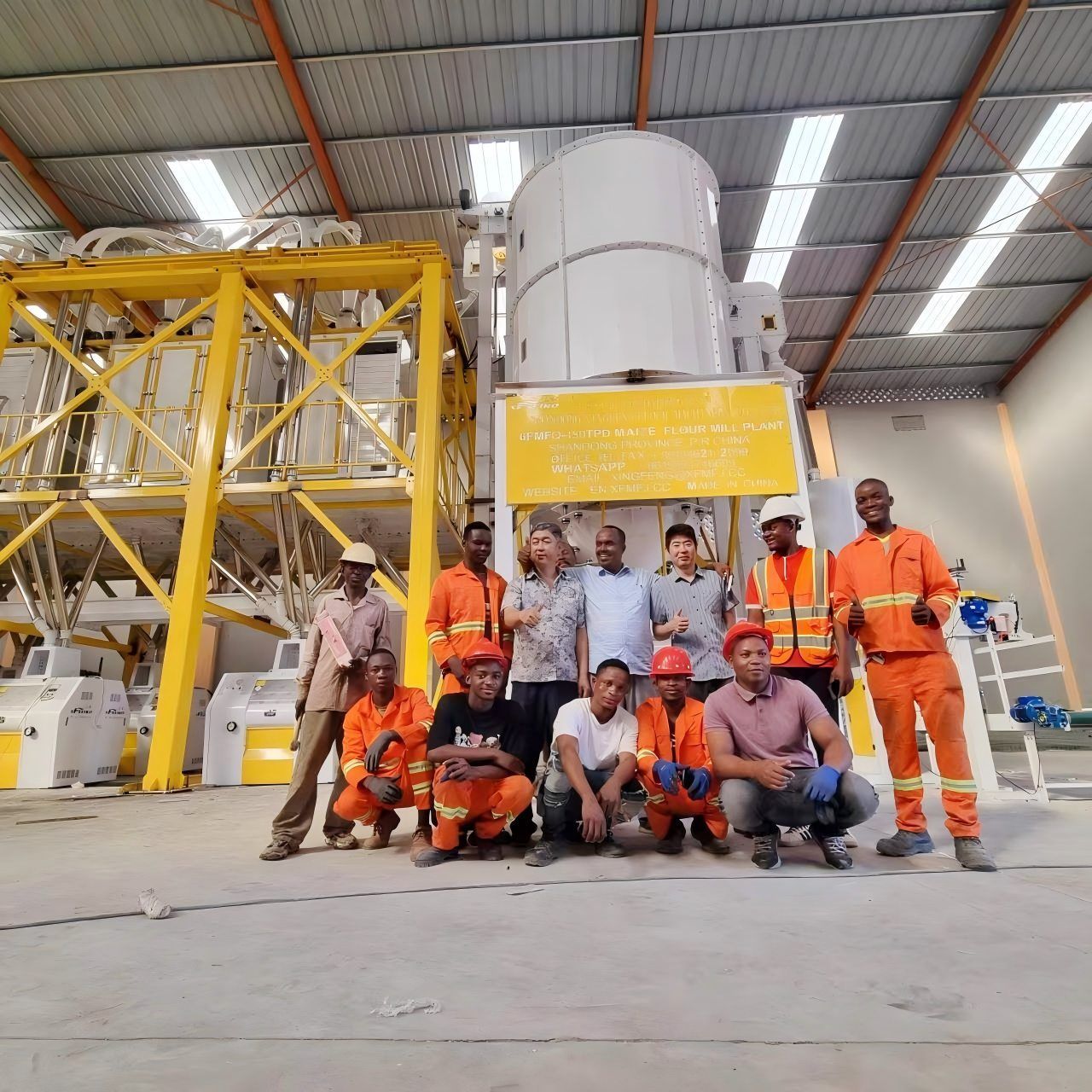
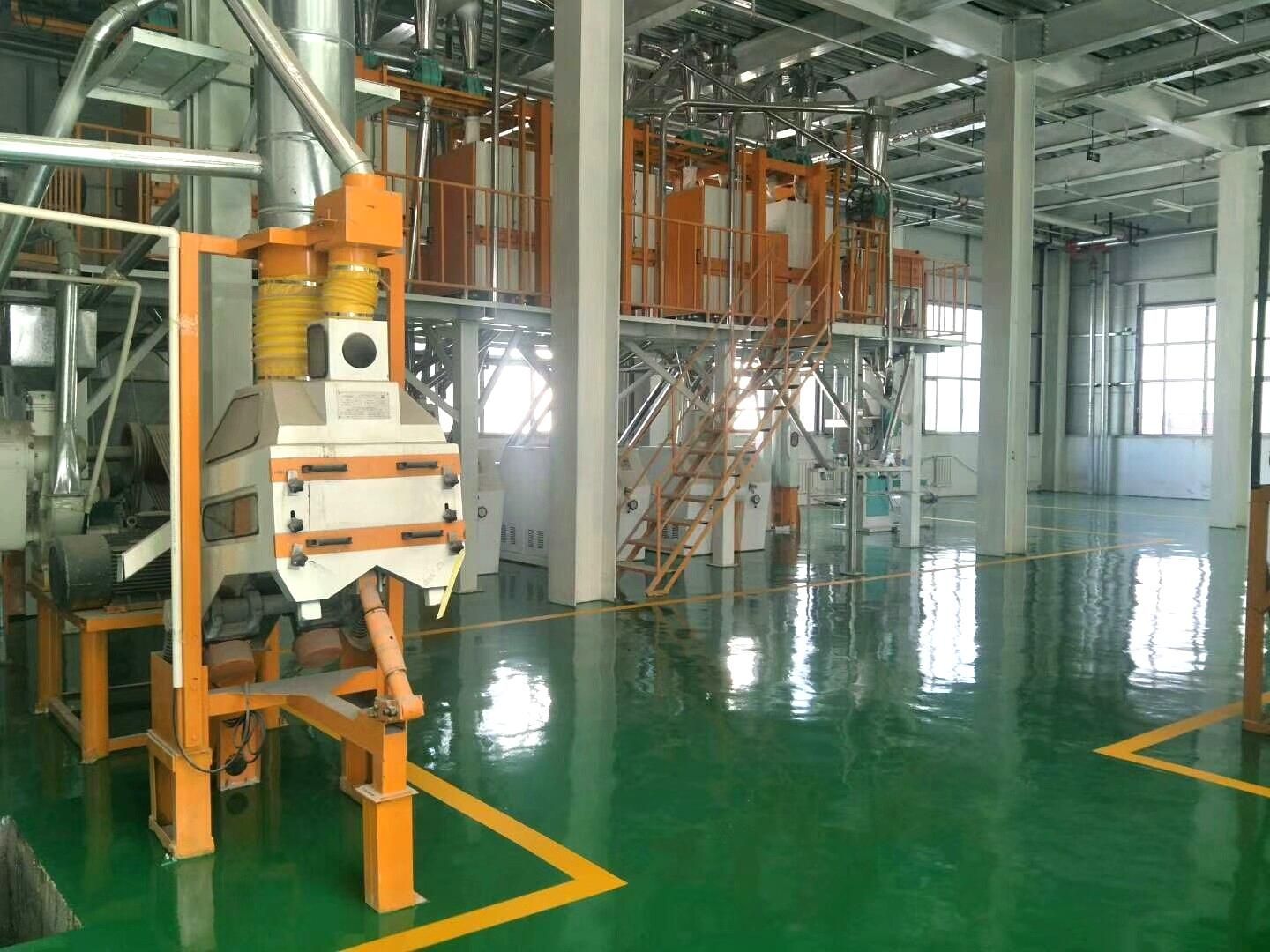
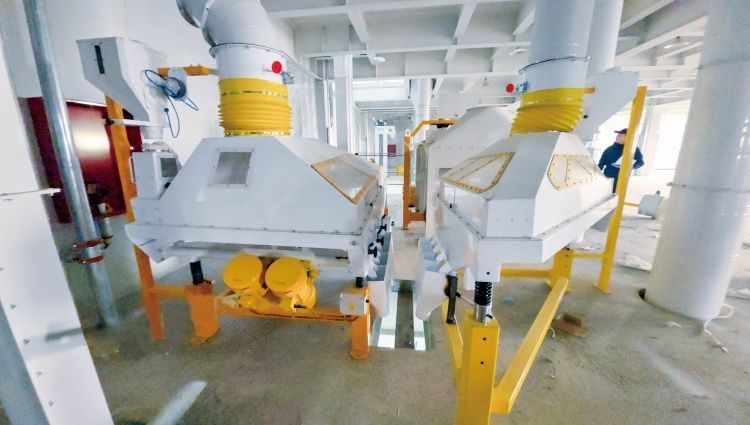
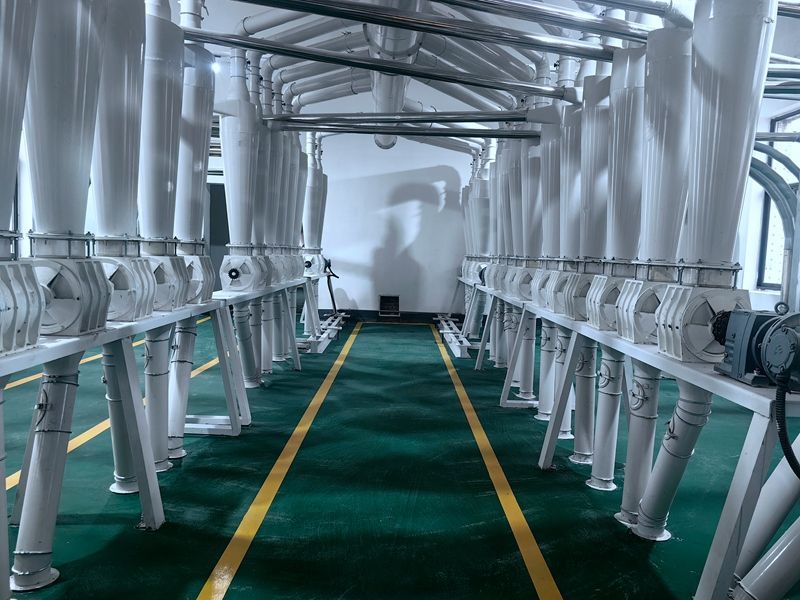
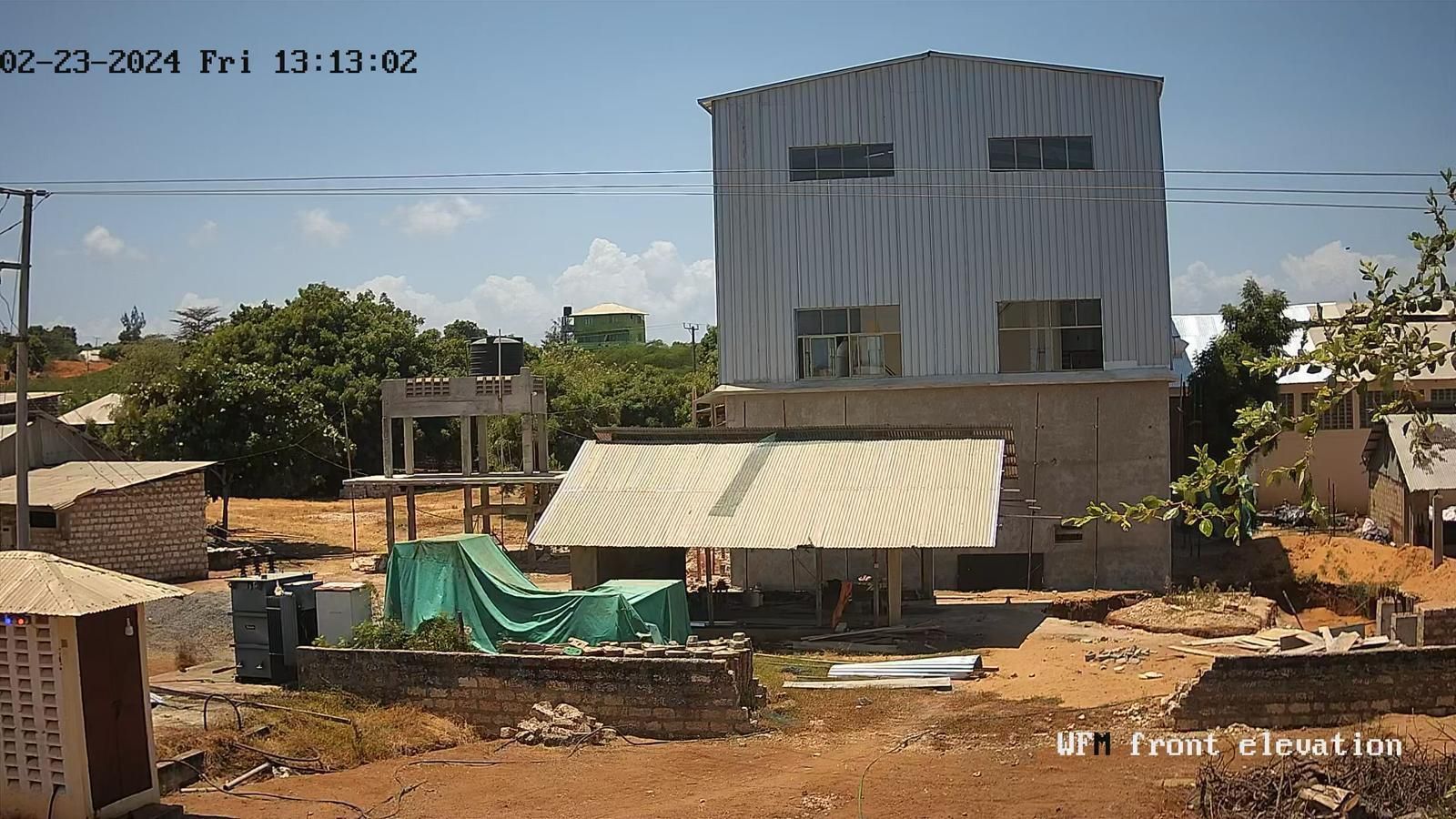
A maize flour processing plant is an industrial system used to convert raw maize into finished products such as maize flour, maize grits, and maize bran. The total investment required for such a plant varies significantly depending on production capacity, level of automation, equipment configuration, and project location. Understanding the cost structure is essential for investors and entrepreneurs planning to enter the maize milling industry.

Small scale maize milling plants are typically designed for local or household-level production. The capacity usually ranges from 50 kilograms per hour to 500 kilograms per hour.
The investment cost for this type of plant generally ranges from 800 to 12,000 US dollars. The equipment configuration is relatively simple, often including basic cleaning equipment, a small milling machine, and a basic packaging system. Some setups may use a hammer mill instead of a roller mill due to lower cost and easier maintenance.
This type of plant is suitable for small businesses in rural or semi-urban areas. It requires low initial investment but also has limited production capacity and lower automation levels.
Mini commercial plants usually have a capacity of 0.5 to 2 tons per day. These plants are often used by small entrepreneurs entering the commercial milling market.
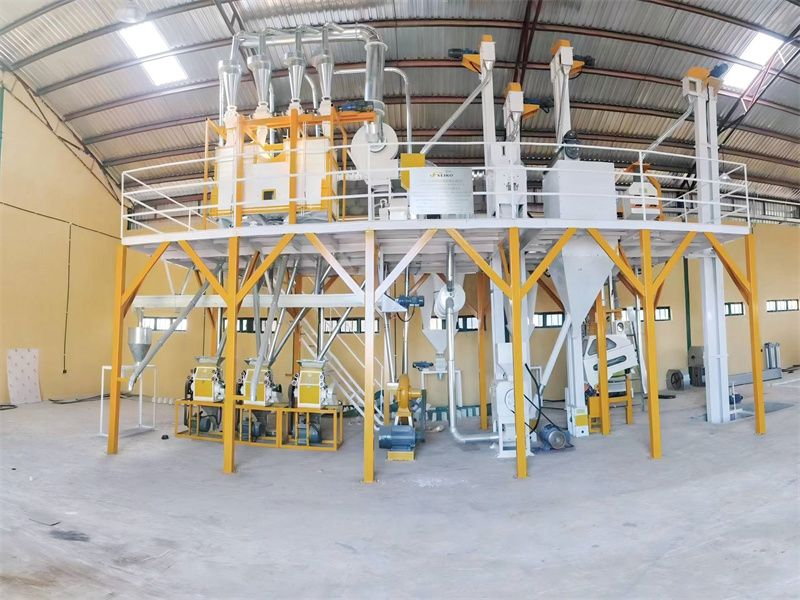
The total cost typically ranges from 5,000 to 25,000 US dollars. The system generally includes grain cleaning equipment, a degermination unit, a small milling system, a sifting unit, and basic packaging equipment.
Compared with small scale plants, mini commercial plants offer better product quality and higher efficiency. They are suitable for supplying small shops and local markets.
Medium scale plants are the most common type in the maize milling industry. Their production capacity usually ranges from 2 to 30 tons per day.
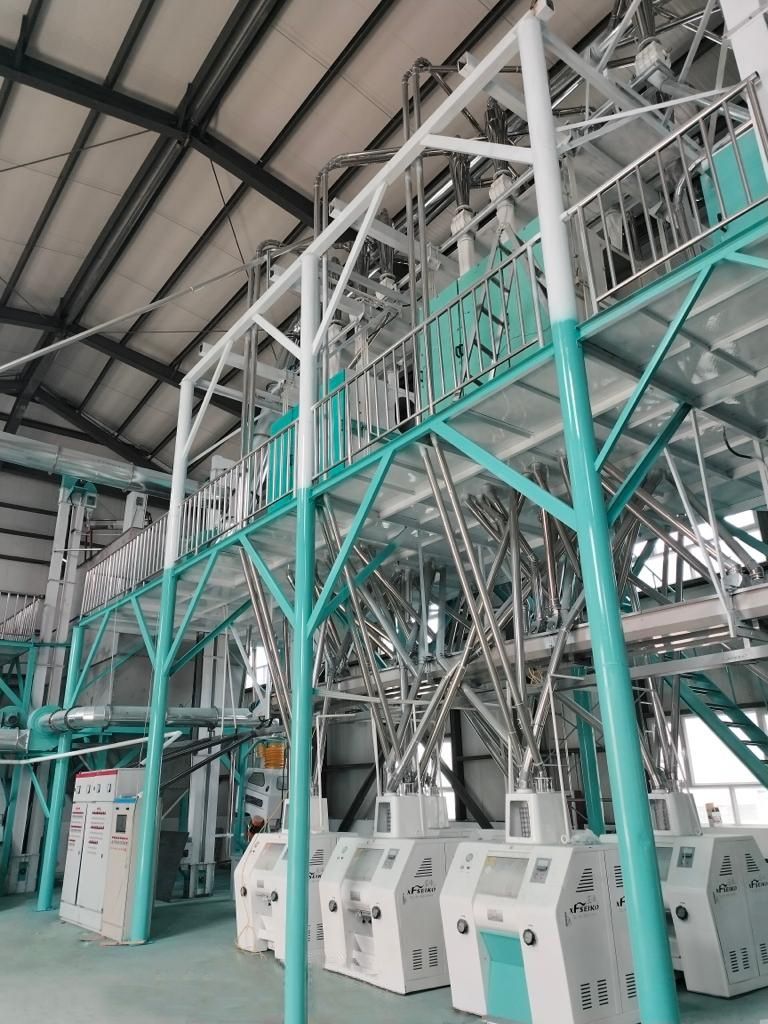
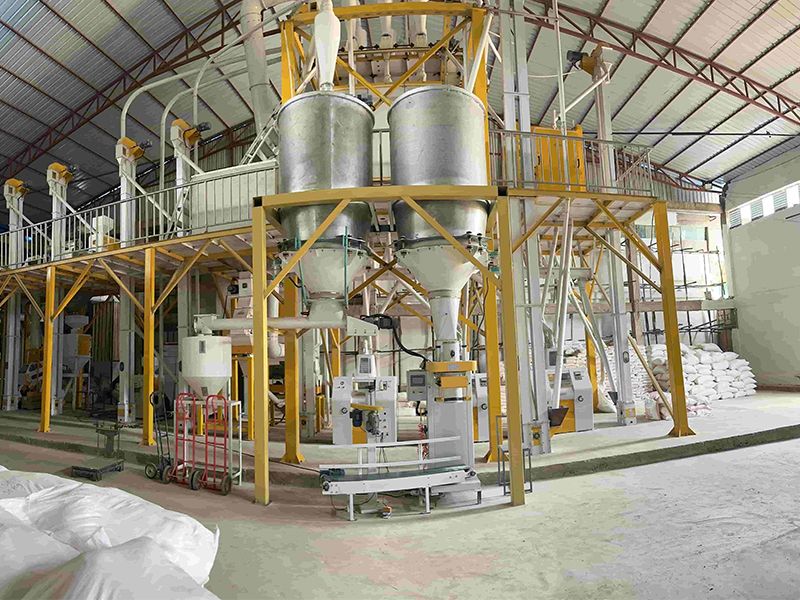
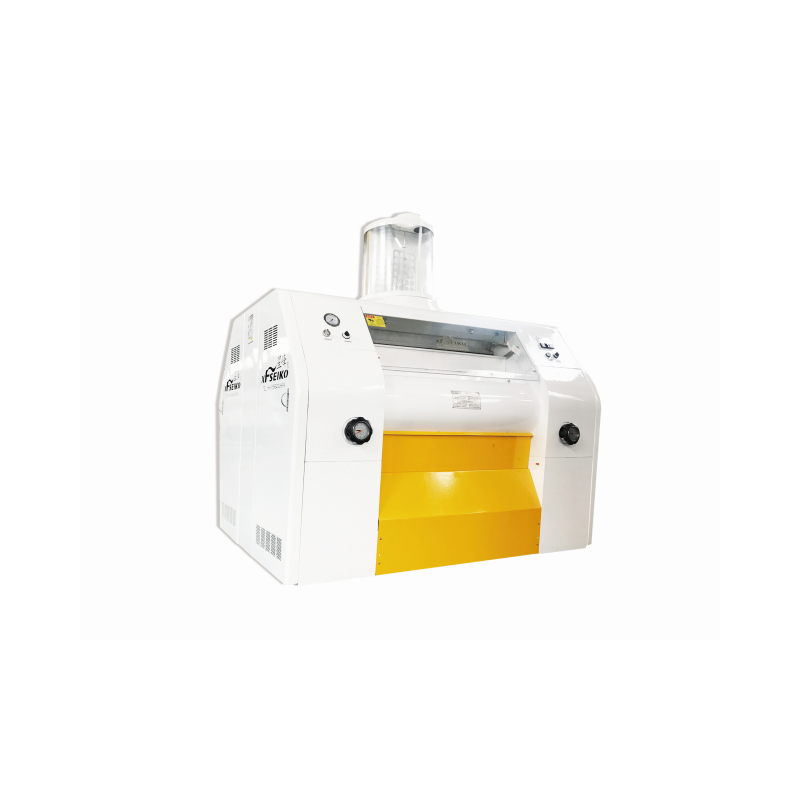
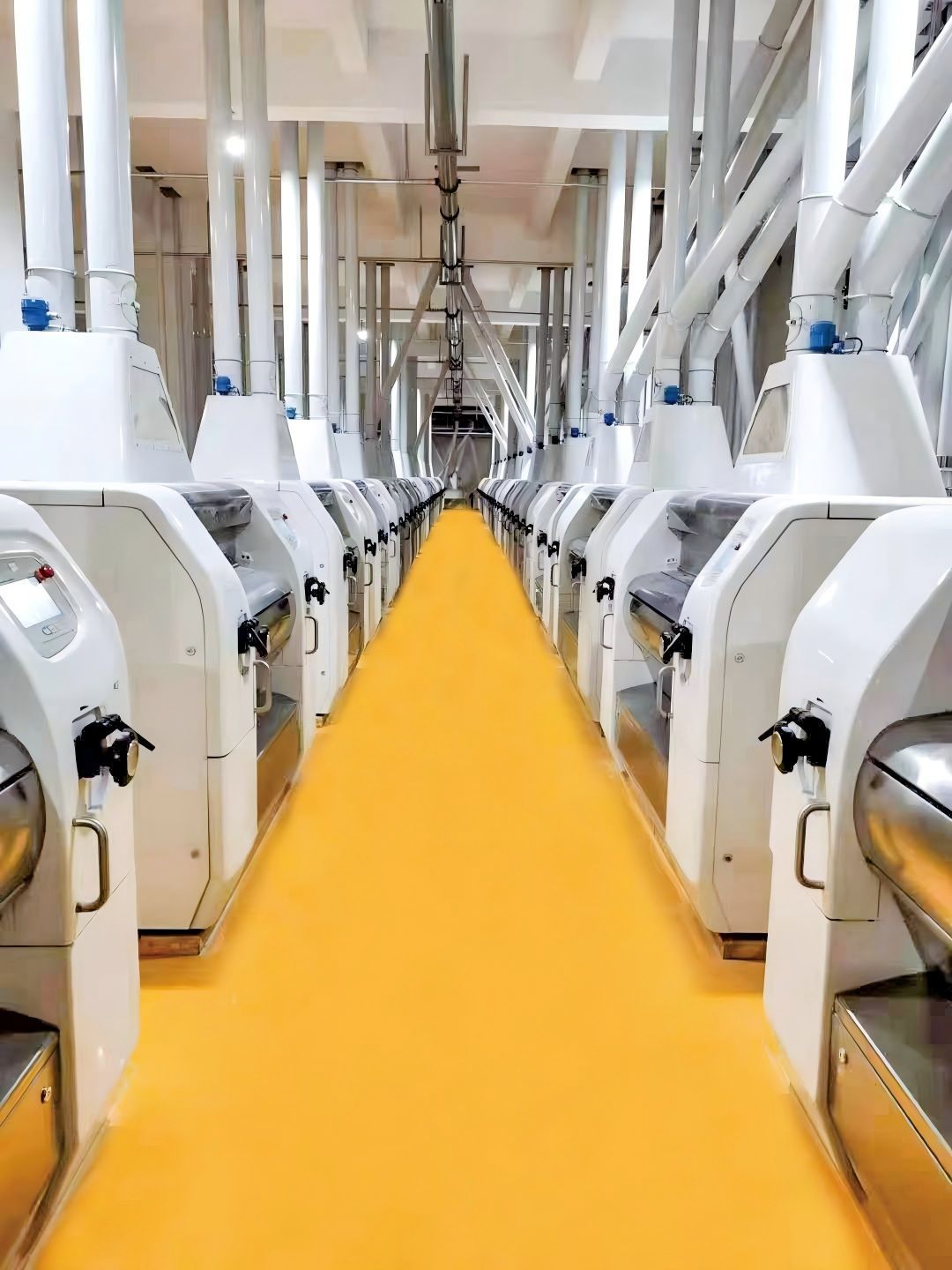
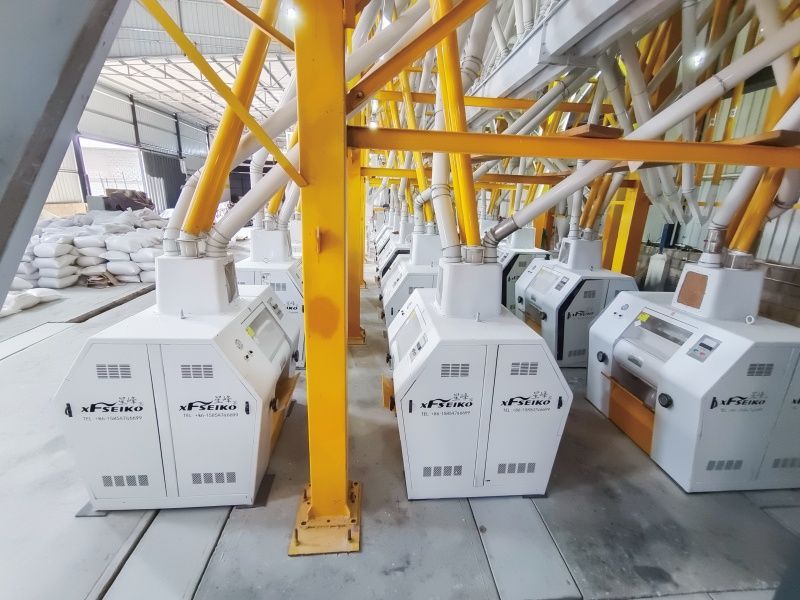
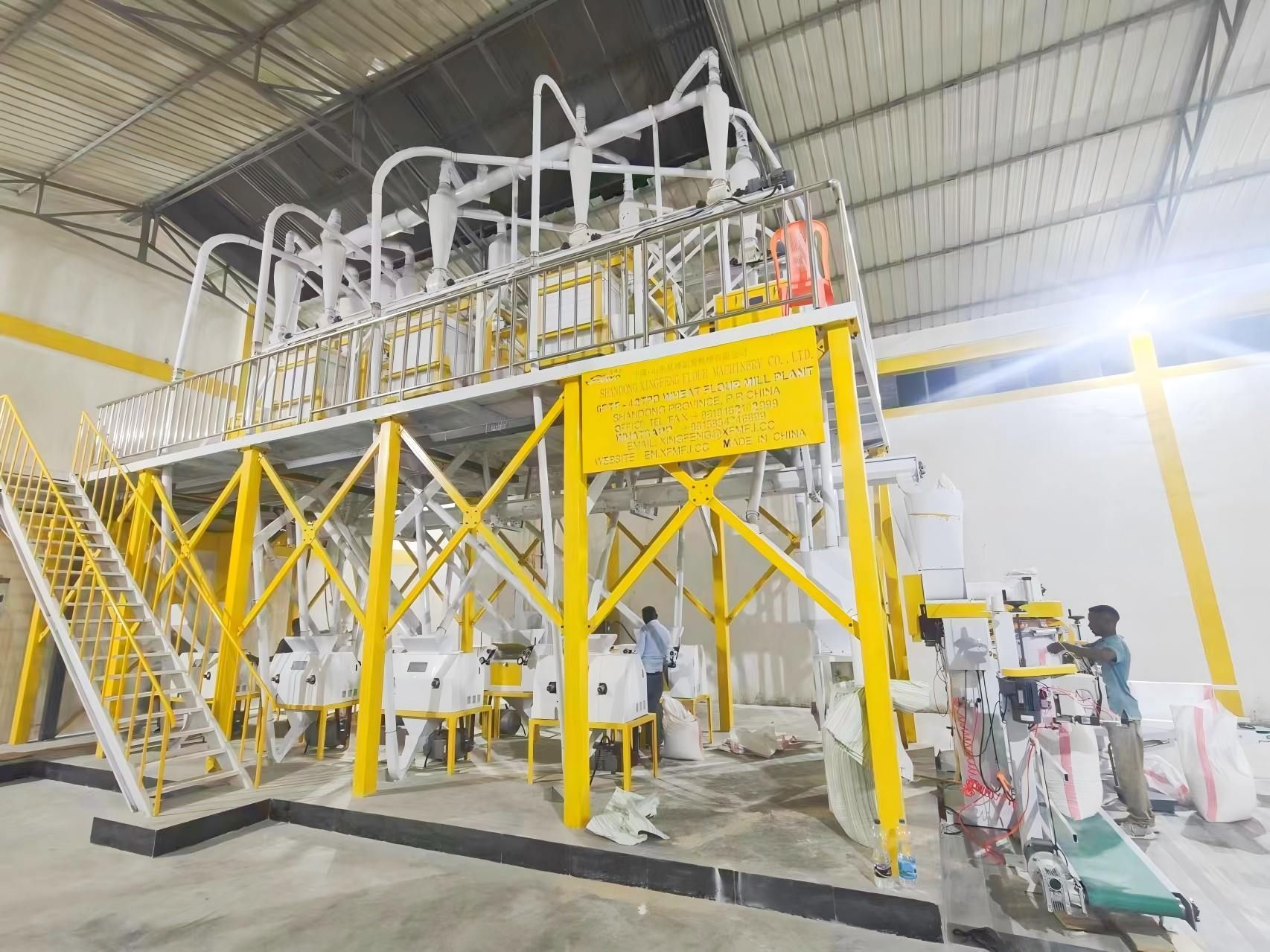
The investment cost for this category is approximately 20,000 to 200,000 US dollars. The equipment configuration is more complete and usually includes a full cleaning system, a degermination system, multi-stage roller mills, a plansifter system, and an automatic packaging line.
This type of plant provides a good balance between investment cost and production efficiency. It is suitable for medium-sized businesses that aim to supply regional markets. Many investors prefer this scale because it allows for stable profit margins and future expansion.
Large industrial plants are designed for high-volume production ranging from 50 to 200 tons per day or more.
The investment cost typically ranges from 100,000 to 1.5 million US dollars or higher depending on customization. These plants include advanced automated cleaning systems, multi-floor milling structures, PLC control systems, large storage silos, and fully automated packaging and dispatch systems.
Large-scale plants require higher initial investment but offer significantly lower labor costs per unit of output and higher production efficiency. They are usually used for regional or national supply chains and large food processing companies.
Mega plants are integrated industrial systems with capacities exceeding 200 tons per day. These projects are usually developed by large corporations or government-supported agricultural enterprises.
The total investment can range from 1 million to over 10 million US dollars. These systems often include grain storage facilities, drying systems, advanced milling and separation technology, and fully automated industrial control systems.
Such plants are designed for large-scale production and export-oriented markets. They require strong infrastructure support and long-term operational planning.
Several key factors influence the total cost of a maize flour processing plant.
The first factor is production capacity. Higher capacity requires more equipment and larger facilities, which increases investment cost.
The second factor is automation level. Fully automated systems with PLC control are more expensive than manual or semi-automatic systems but offer higher efficiency and lower labor costs.
The third factor is product range. Plants producing multiple products such as flour, grits, and bran require more complex equipment and separation systems.
The fourth factor is equipment quality. Stainless steel components and high-end roller mills increase cost but improve durability and food safety.
The fifth factor is infrastructure requirements such as building construction, power supply, and storage facilities.
In a typical maize milling project, equipment usually accounts for about sixty percent of the total investment. Construction and building costs account for about ten to twenty percent. Installation and commissioning account for around five to ten percent, while working capital for raw materials and operations accounts for the remaining portion.
The cost of a maize flour processing plant can range from a few thousand dollars for small-scale systems to several million dollars for large industrial complexes. The final investment depends mainly on production capacity, automation level, and project goals.
For investors, it is important to carefully evaluate market demand and choose a plant size that matches both budget and long-term business strategy. A well-planned maize milling project can provide stable returns and strong growth potential in the food processing industry.

March. 03, 2026

June. 06, 2025

July. 07, 2024

February. 02, 2024

January. 01, 2024

August. 08, 2024
How to Use Wheat Flour Mill Plant Correctly?
This article provides a comprehensive guide on how to use a wheat flour mill plant correctly.