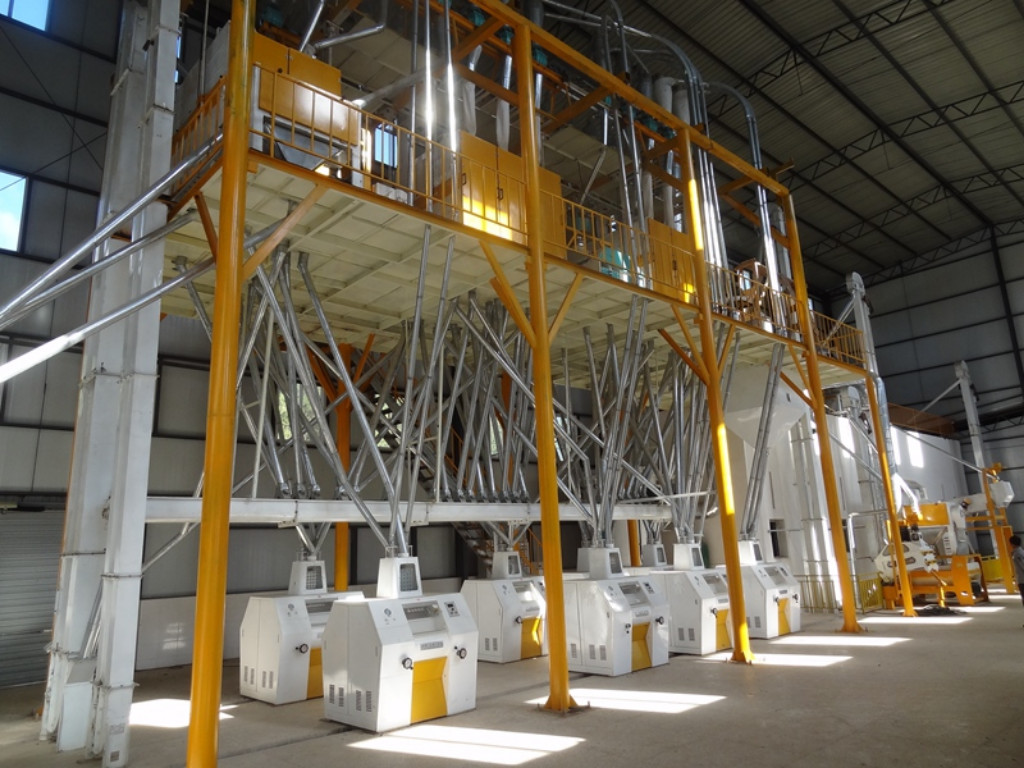
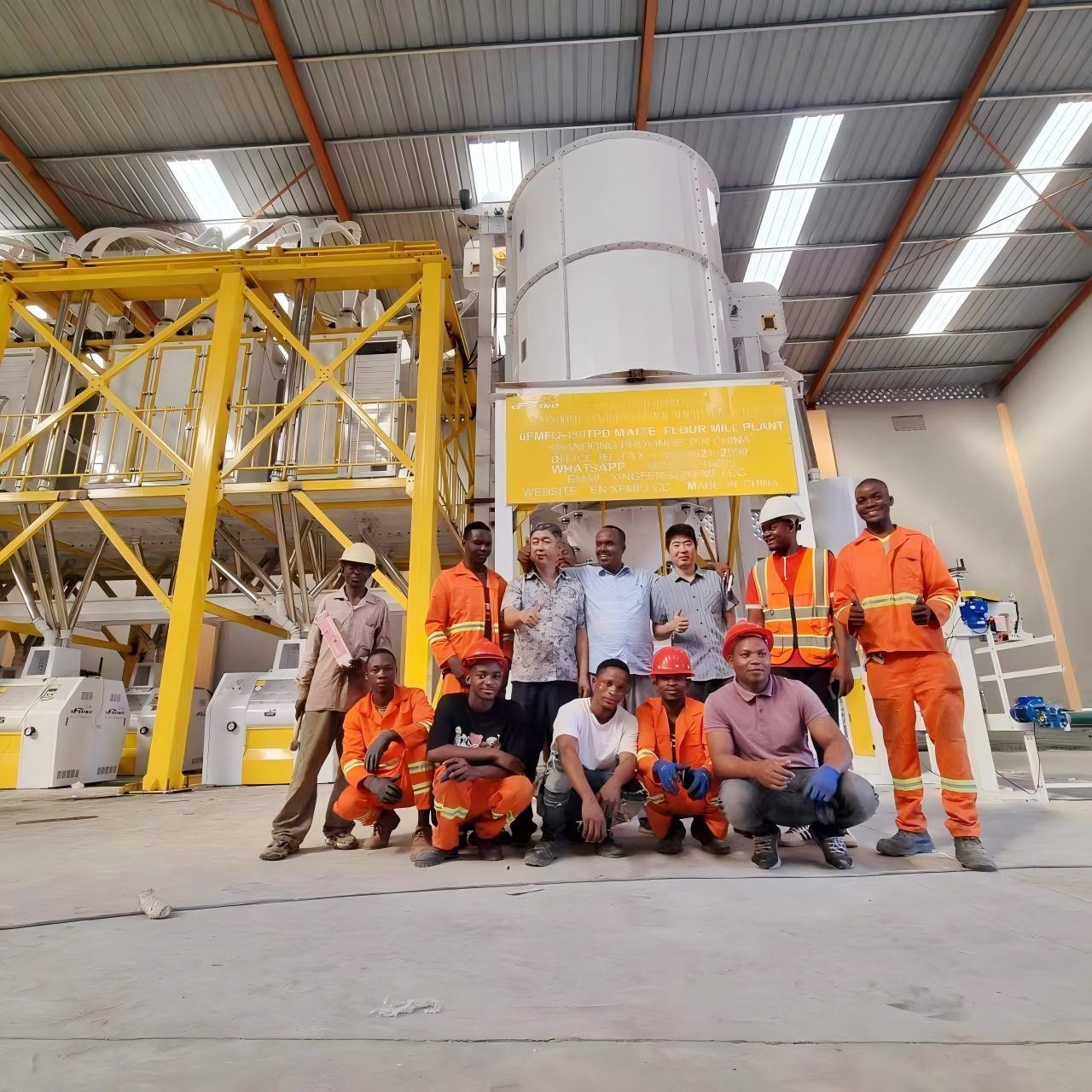
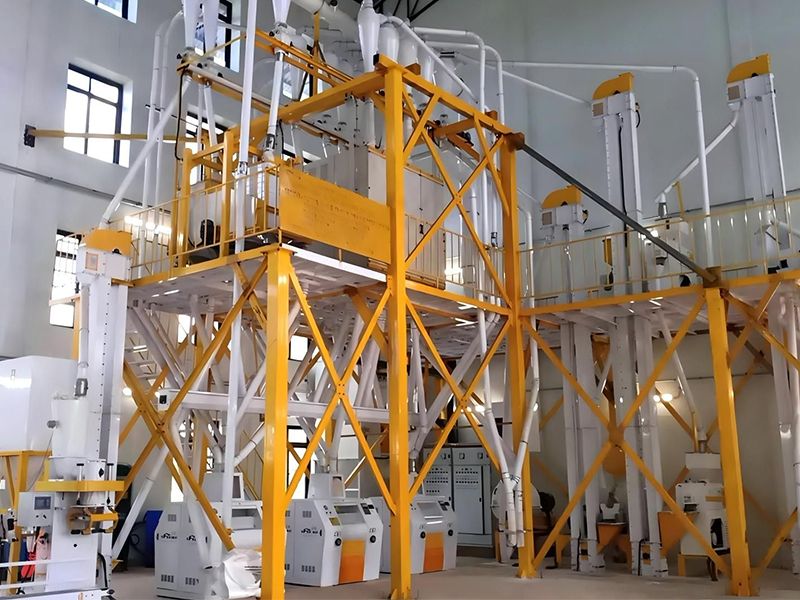
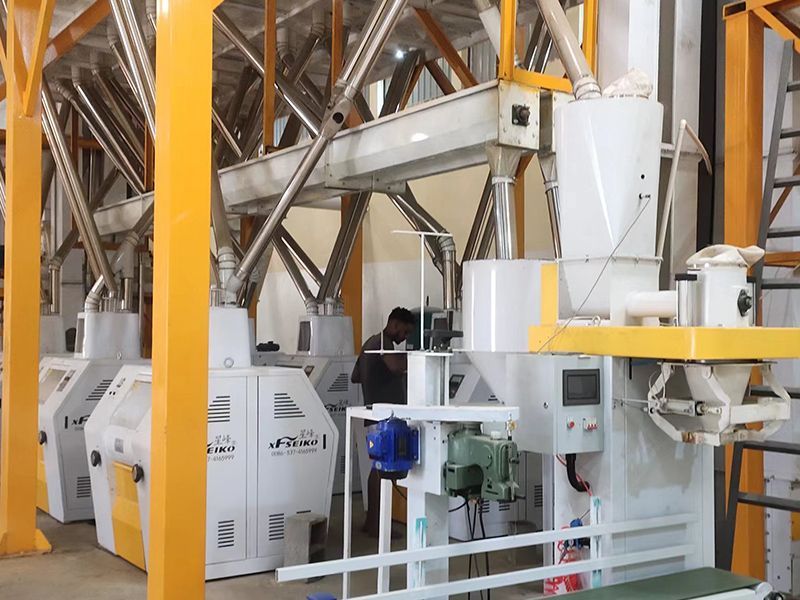
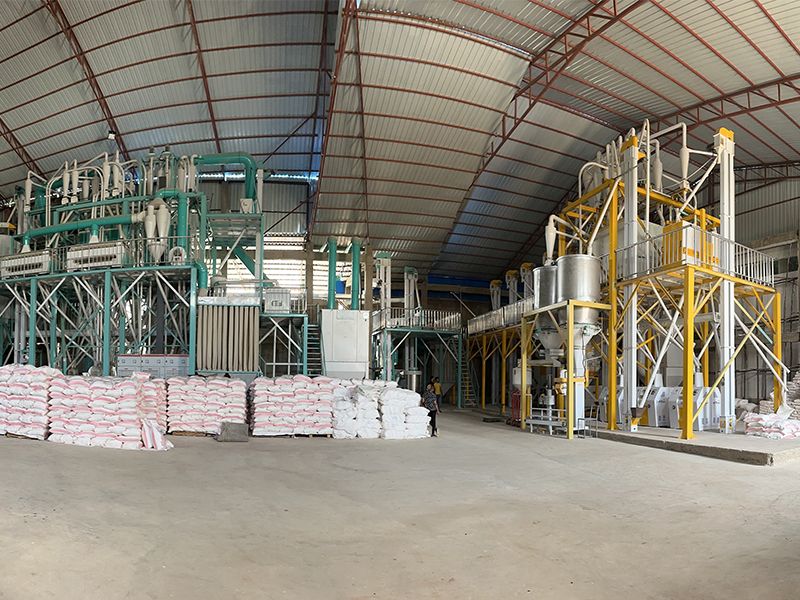
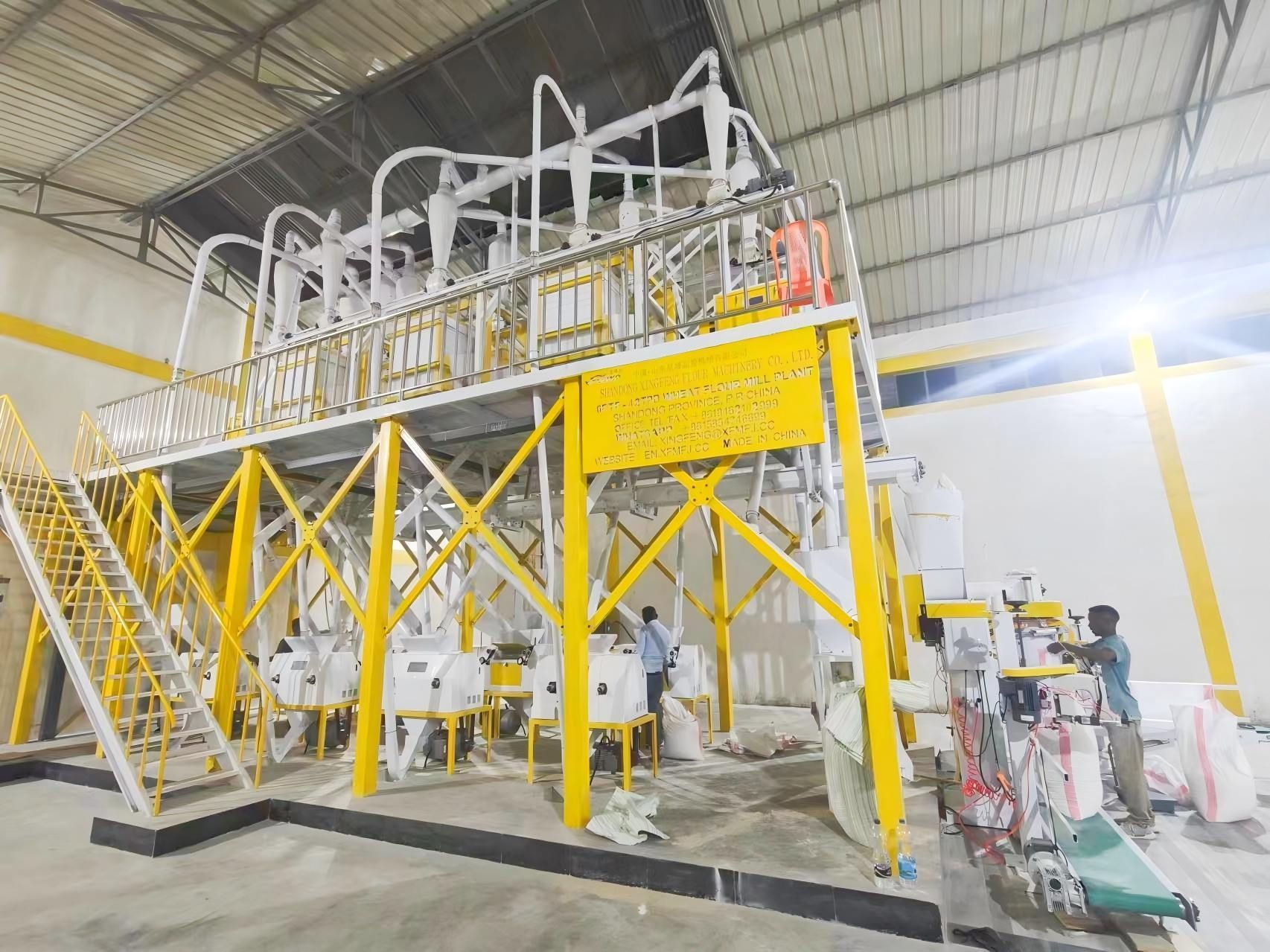
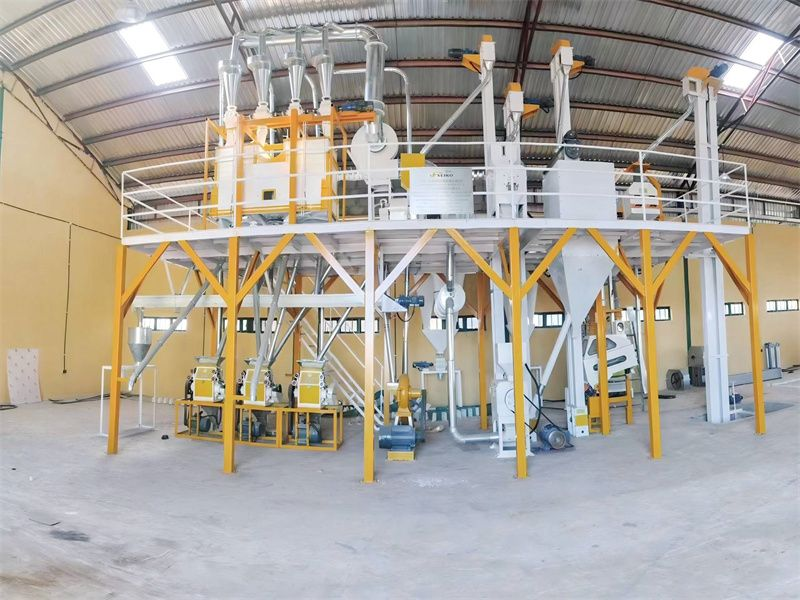
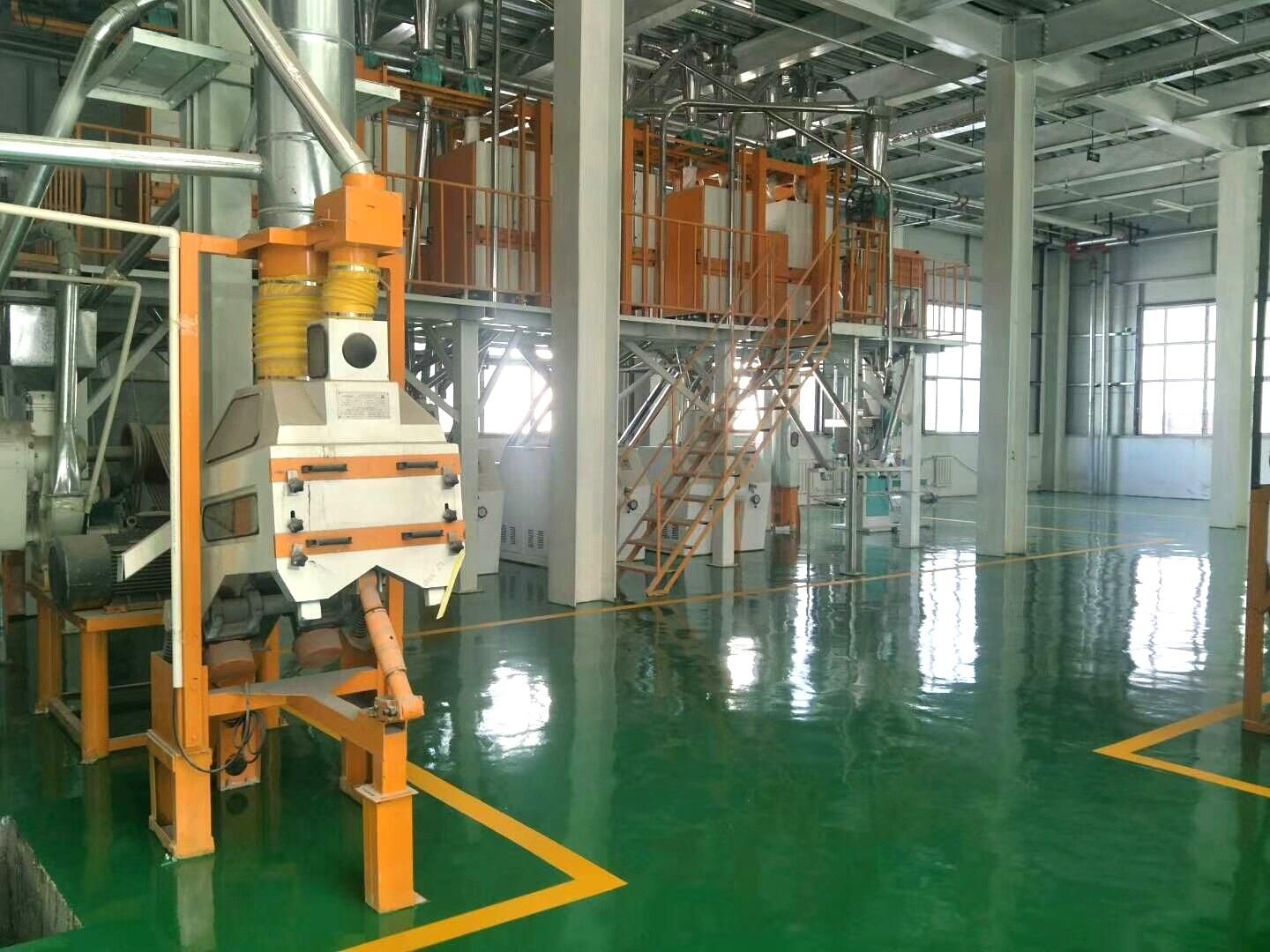
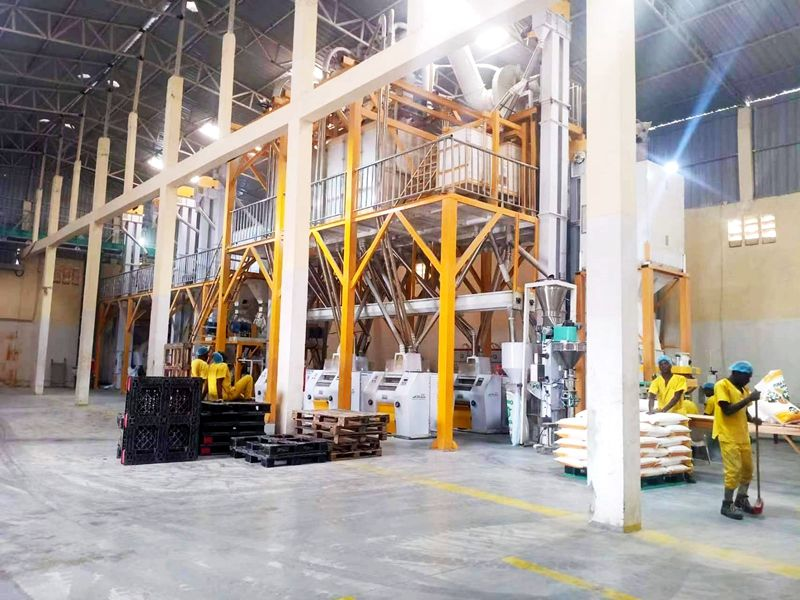
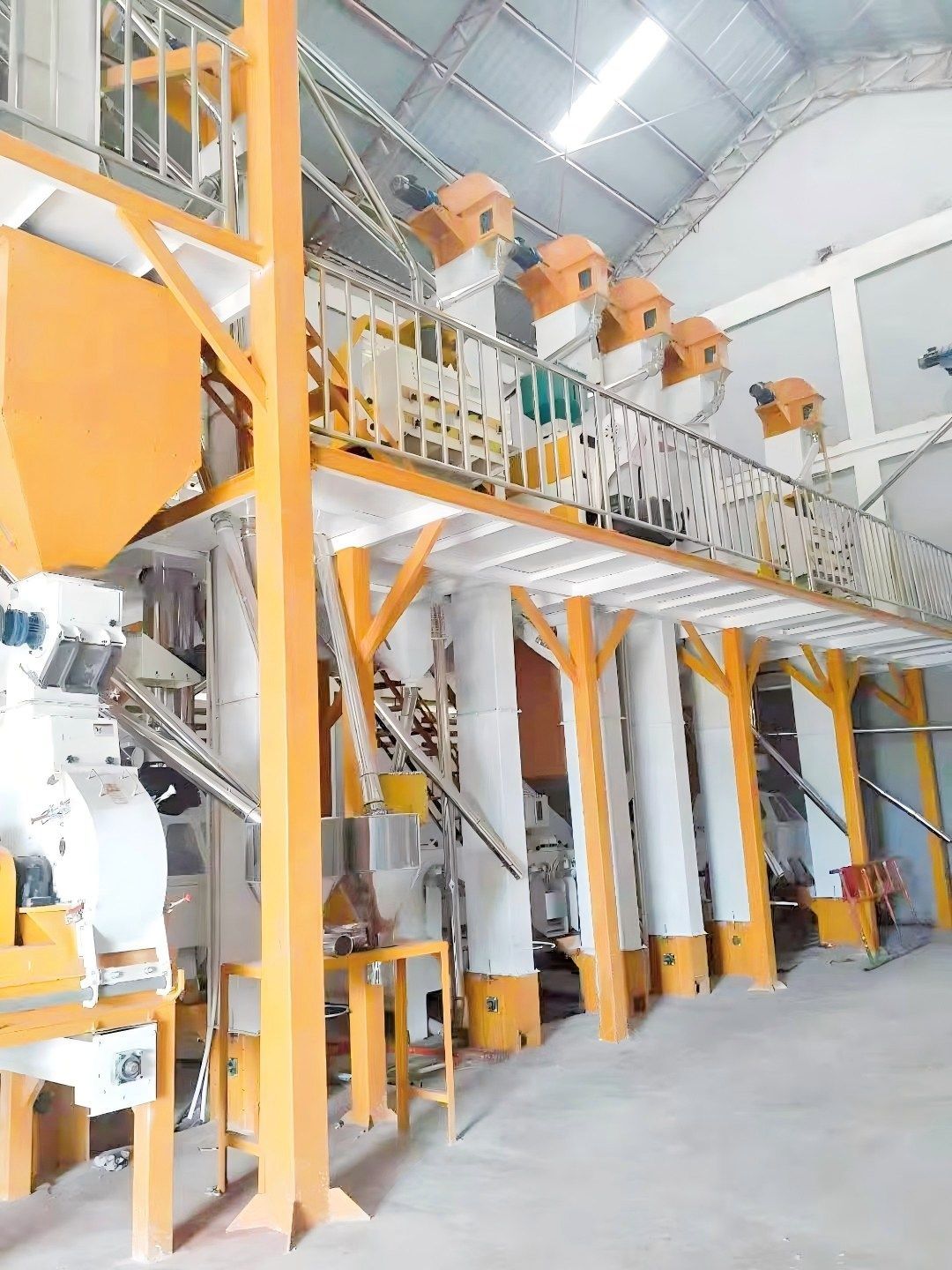
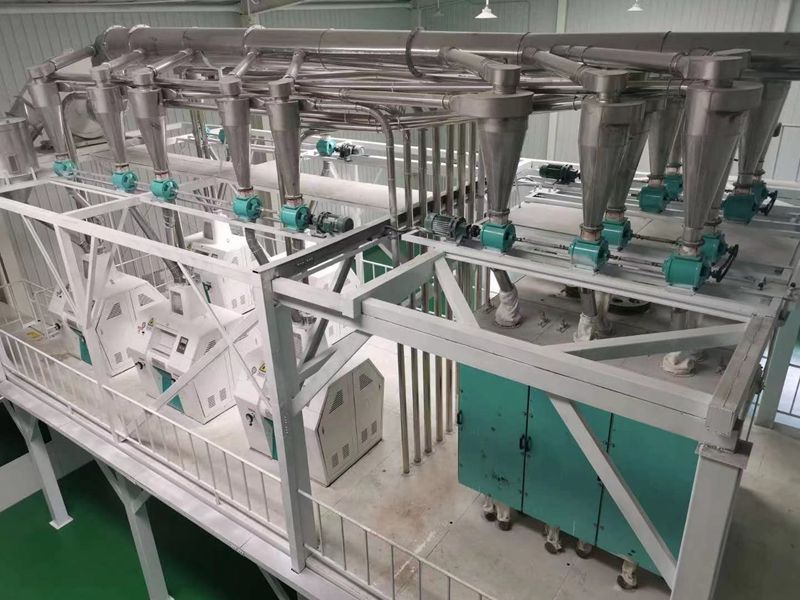
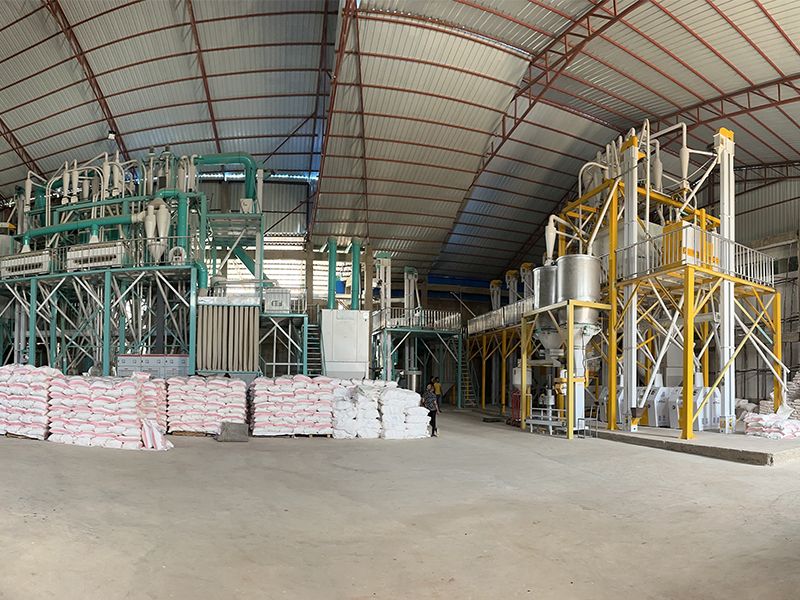
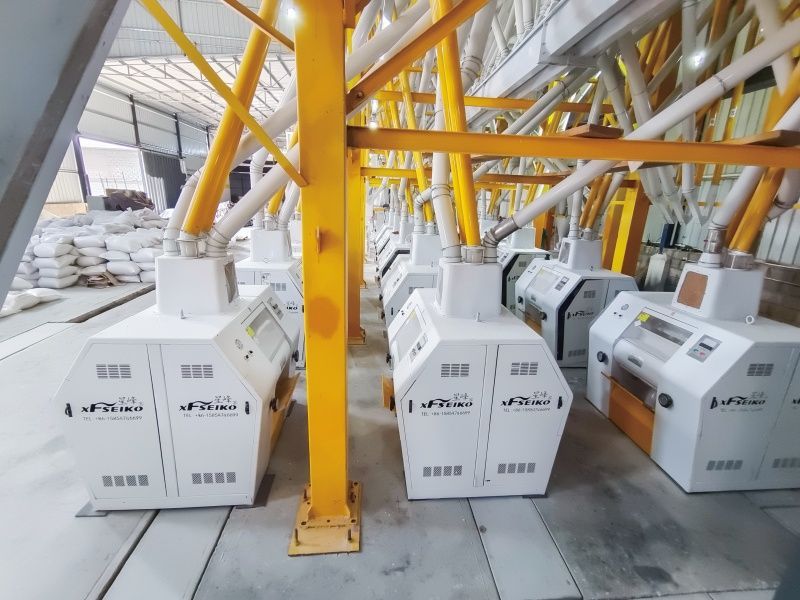
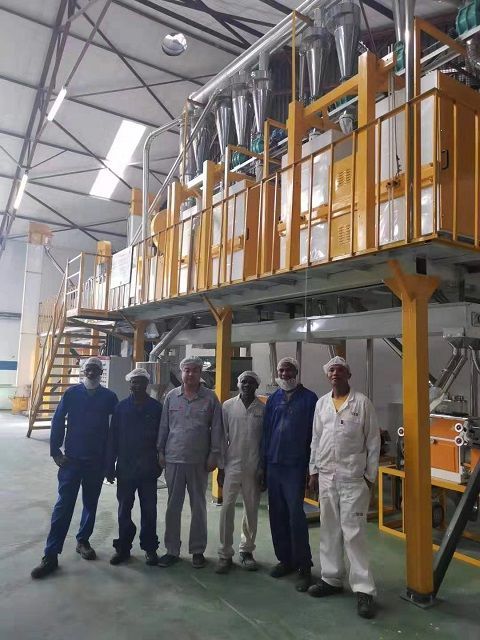
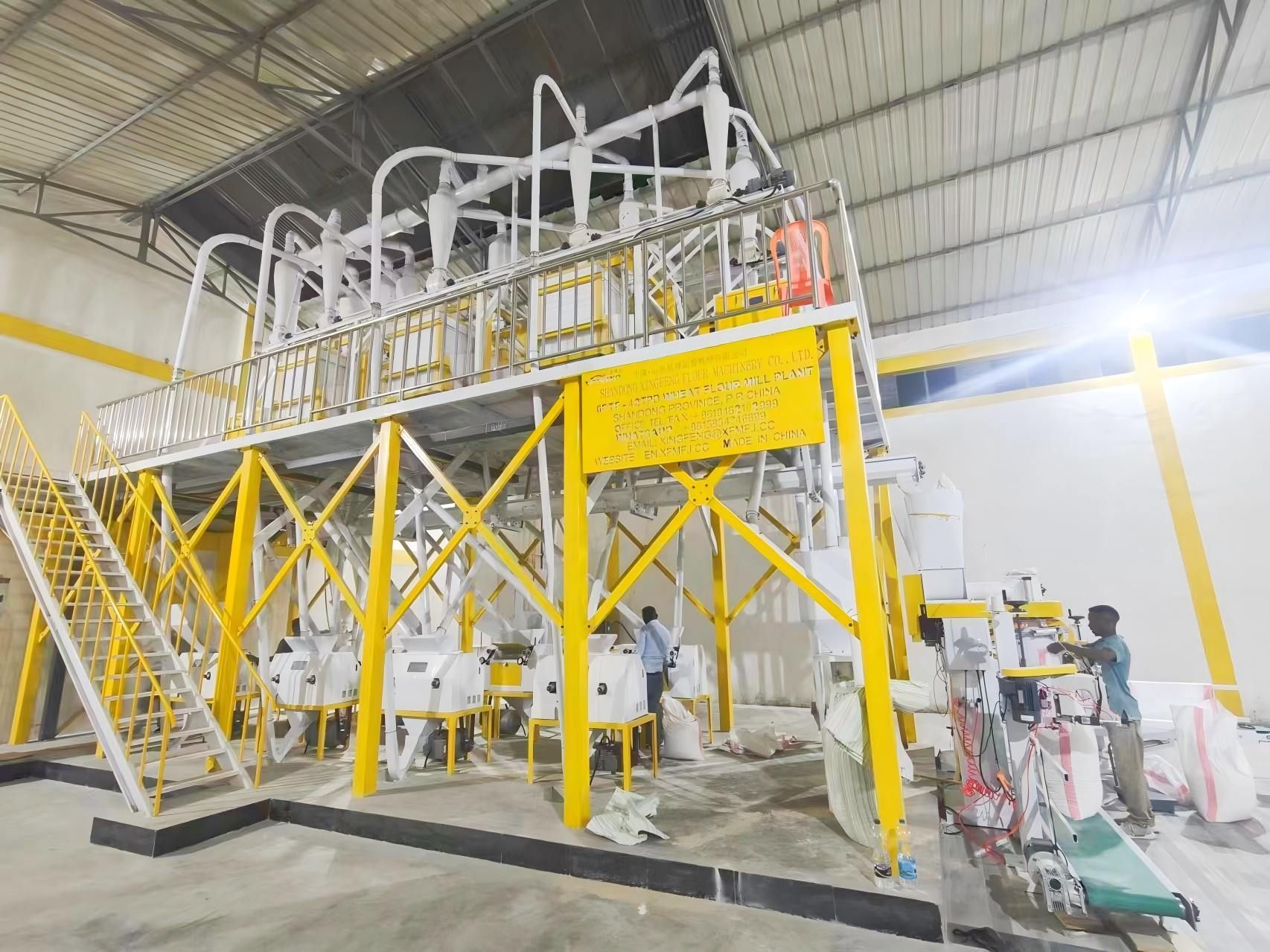
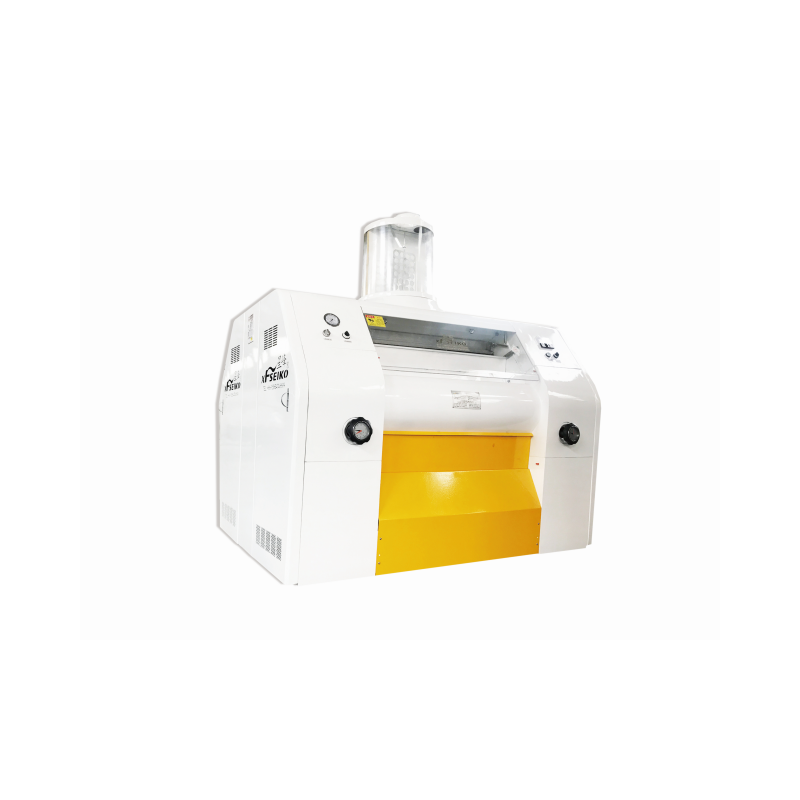
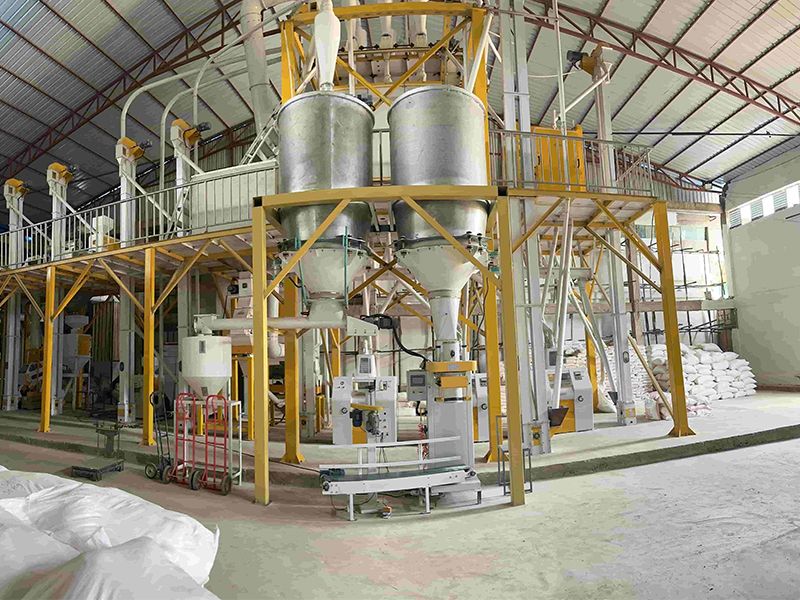
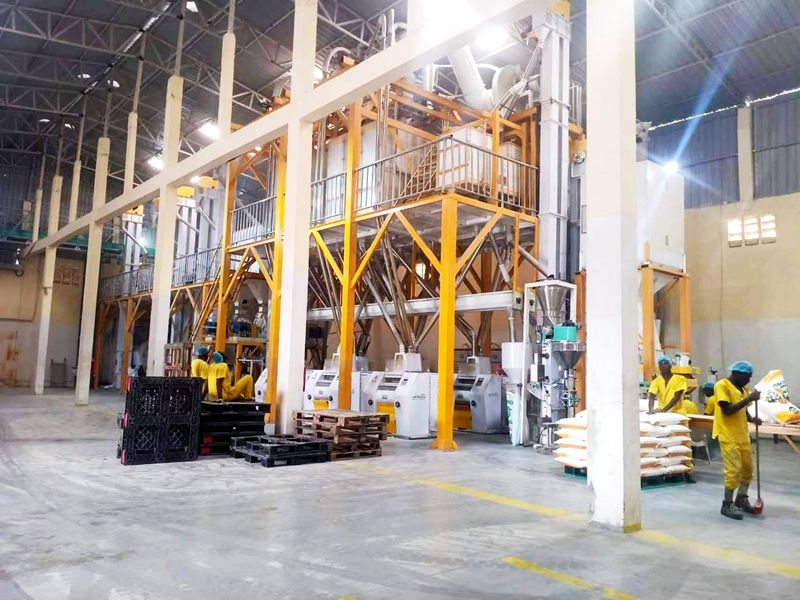
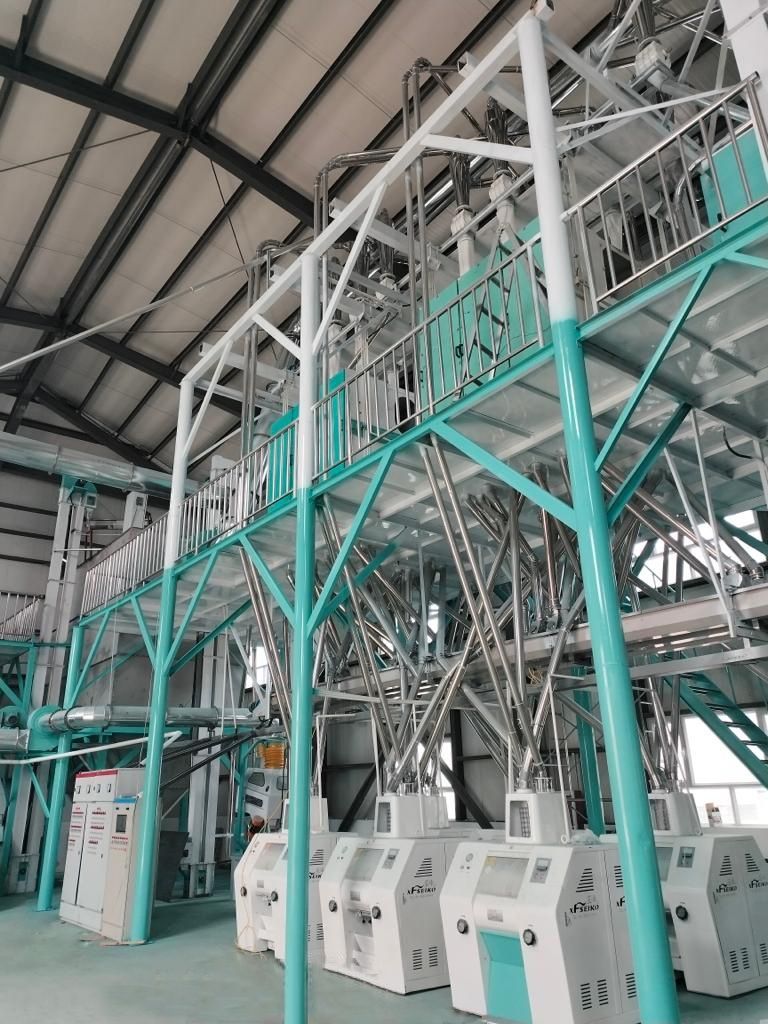
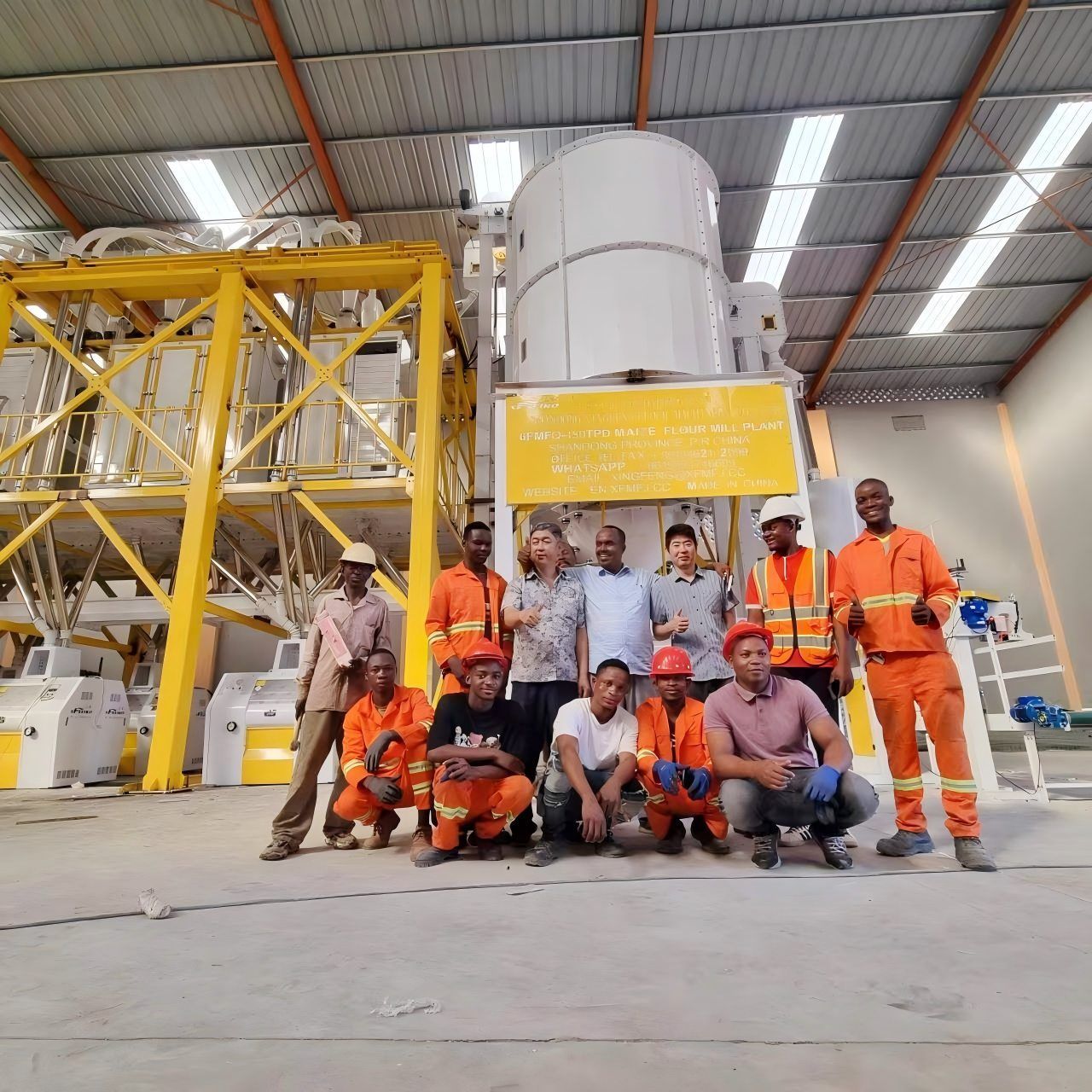
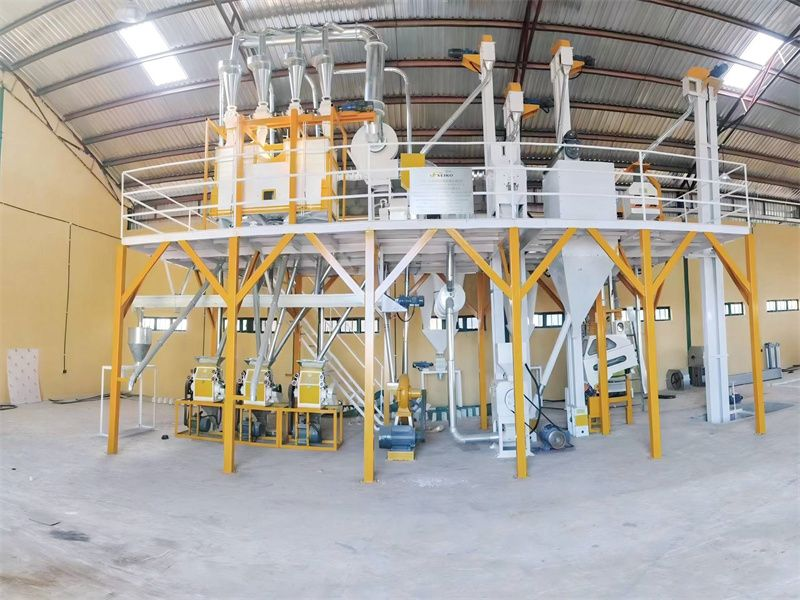
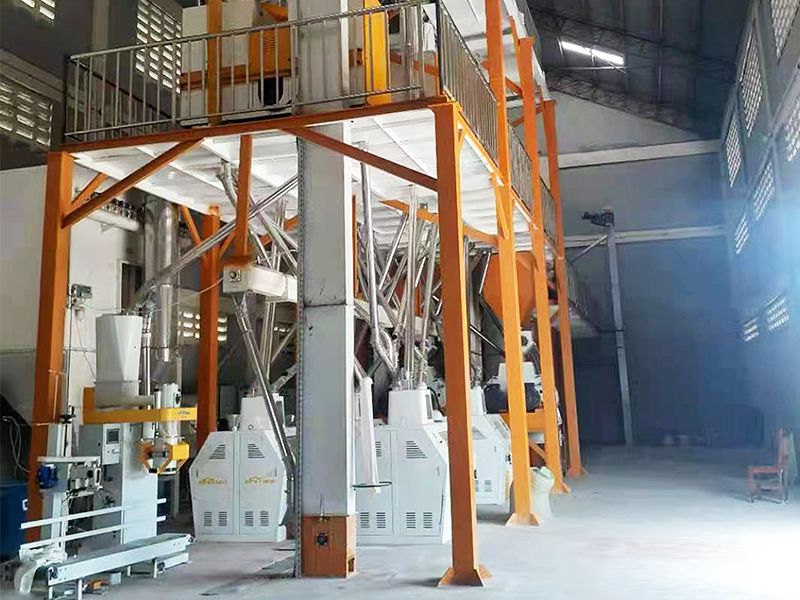
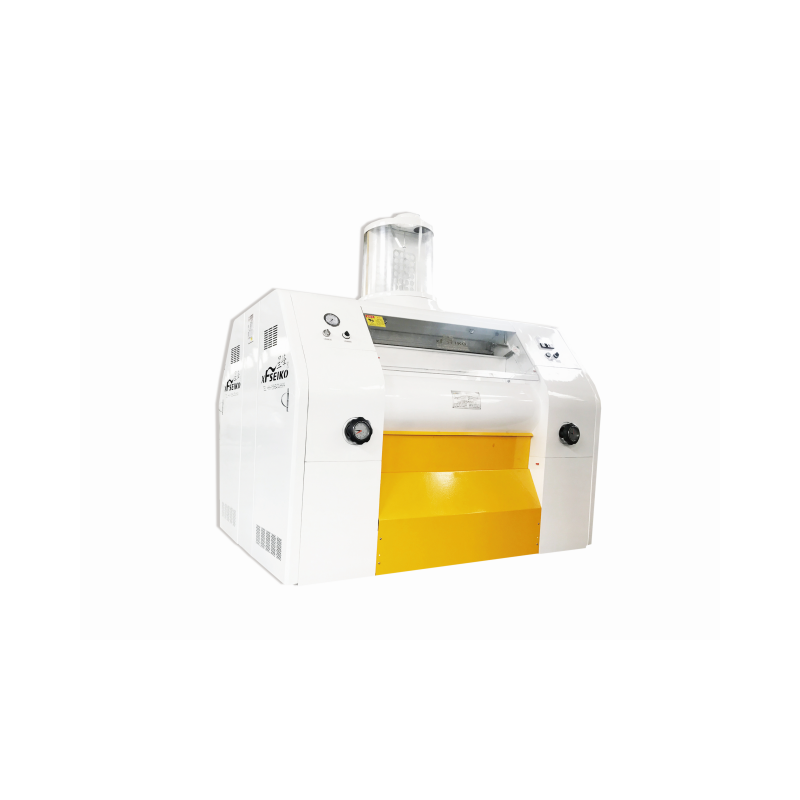
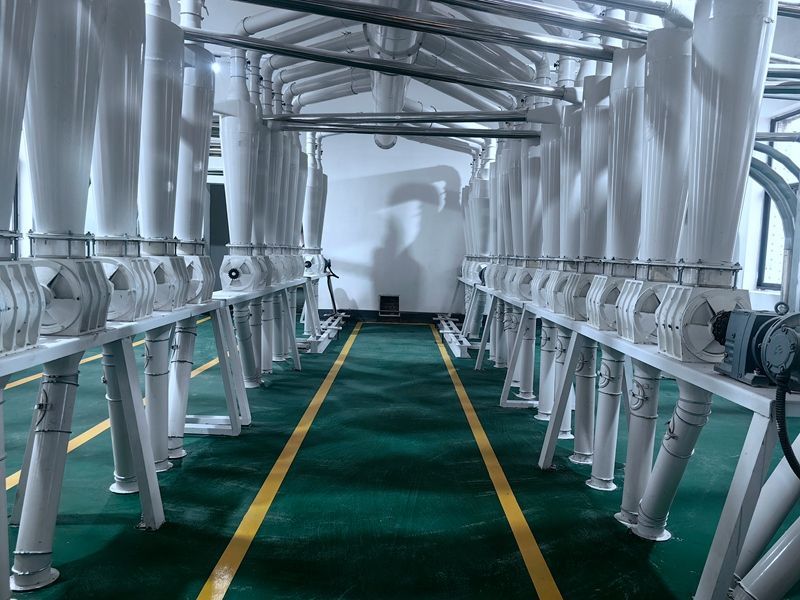
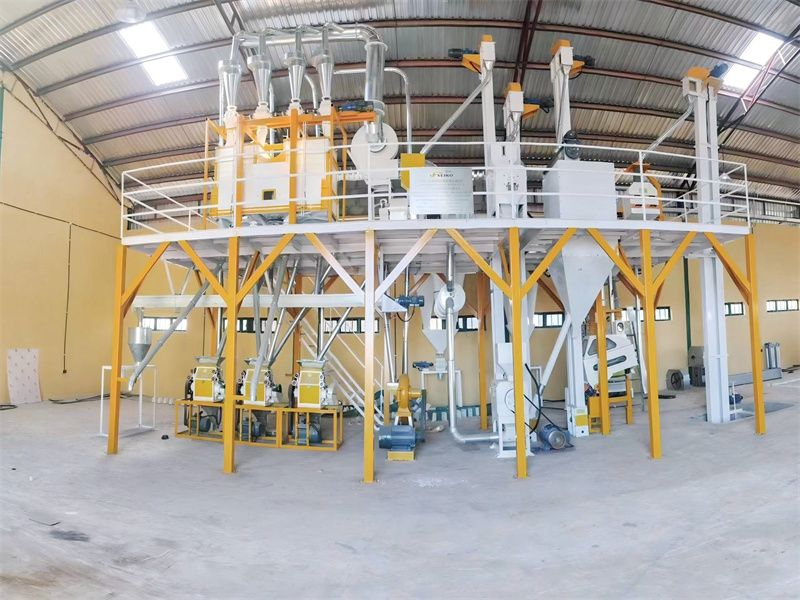
If your maize mill is producing too much bran, inconsistent granulation, or low flour yield, we can solve the problem systematically with the 30-40TPD Maize Flour Mill Plant from Xingfeng. By matching the cleaning section, degermination method, roller settings, sieve plans, and pneumatic conveying system to your target product, you can control particle size, improve extraction rate, reduce reprocessing, and make production more efficient.
Maize Flour, Maize Meal and Grits: How Milling Configuration Changes Output is not only a technical question. It directly affects product quality, energy consumption, packaging performance, and profitability. The same maize kernel can produce fine flour, medium meal, or coarse grits—but only when the milling configuration is designed for the required output.
!
Maize processing begins with the same raw material, but the final product changes according to several engineering variables:
A plant configured for Maize Flour normally uses more reduction passages and finer sieving. A Maize Meal line needs controlled granulation and balanced extraction. A grits line requires effective degermination, precise breakage, and larger sieve openings to preserve coarse particles.
This is why buying a machine only by rated capacity can create operational problems. A 30-ton-per-day system designed for flour may not efficiently produce food-grade grits without changes to the roller arrangement and sieve plan.
Maize flour is a finely ground product used in bakery formulations, porridge, tortillas, snacks, and other staple foods. Its commercial value depends on:
For a fine flour target, Xingfeng typically recommends a multi-stage process:
The roller gap must be narrow enough to achieve the target fineness, but excessive pressure can increase starch damage, heat generation, and power consumption. The correct setting depends on maize hardness and moisture rather than a fixed number for every installation.
Maize meal generally has a coarser and more varied particle distribution than flour. It may be used for porridge, traditional foods, brewing, animal feed, or industrial formulations.
The configuration normally includes:
The objective is not simply to grind the maize finer. Instead, we need to separate the endosperm, germ, and bran efficiently while retaining the required meal fraction.
A poorly adjusted system may produce excessive flour fines, which can reduce the commercial value of meal. Conversely, an overly open roller gap may leave too many large particles in the finished product and increase the load on the recycling circuit.
Maize grits require a different engineering priority: the mill must break the kernel into clean, coarse endosperm particles while minimizing flour and bran.
A grits-oriented system usually uses:
Grits production is especially sensitive to kernel condition. If the maize is too wet, the endosperm may smear or pass through the system in irregular pieces. If it is too dry, excessive fines and powder may be generated during degermination and milling.
| Target product | Main objective | Typical configuration priority | Common quality risk |
|---|---|---|---|
| Maize Flour | Fine, uniform particle size | More reduction passages and fine sieving | Excessive starch damage or bran specks |
| Maize Meal | Balanced medium granulation | Moderate grinding and controlled blending | Too many fines or oversized particles |
| Maize Grits | Clean, coarse endosperm | Degermination, breakage, and coarse grading | High bran content or low grit recovery |
These outcomes explain why Maize Flour, Maize Meal and Grits: How Milling Configuration Changes Output should be considered before equipment selection, not after commissioning.
Before discussing machinery, I recommend writing a product specification sheet. It should include:
For example, a flour plant may need a fine powder with a high passing rate through a selected sieve, while a grits plant may need three grades such as coarse, medium, and fine grits.
A 30-40TPD Maize Flour Mill Plant can be configured for one primary product or designed with fraction blending to produce multiple products. However, changing between flour and grits should be planned in advance because it affects sieve modules, roller settings, storage bins, and cleaning procedures.
Raw-material testing prevents many commissioning failures. We should examine:
Moisture is especially important. The conditioning target must be determined through trials because maize varieties respond differently. A laboratory moisture analyzer and representative sampling plan are more reliable than judging grain by appearance.
For quality control, the plant laboratory can use sieve analysis, moisture testing, bulk density measurement, and ash testing. Where applicable, laboratories may use ASTM or ISO methods for moisture and particle-size evaluation, while equipment dimensions and mechanical tolerances can be verified against relevant DIN or ISO documentation. The exact standard should be selected according to the importing country and product category.
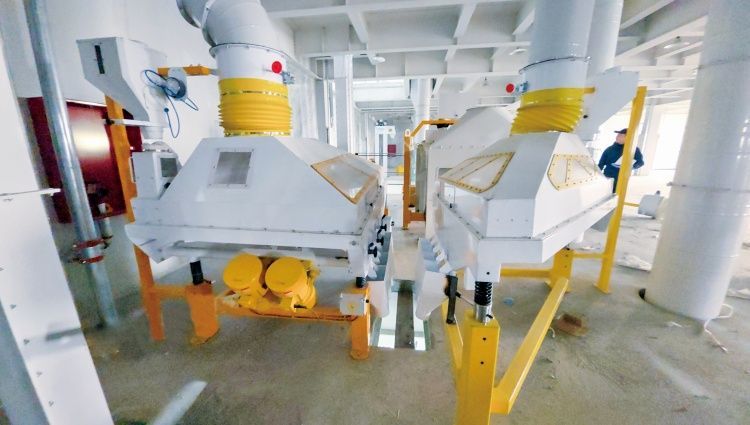
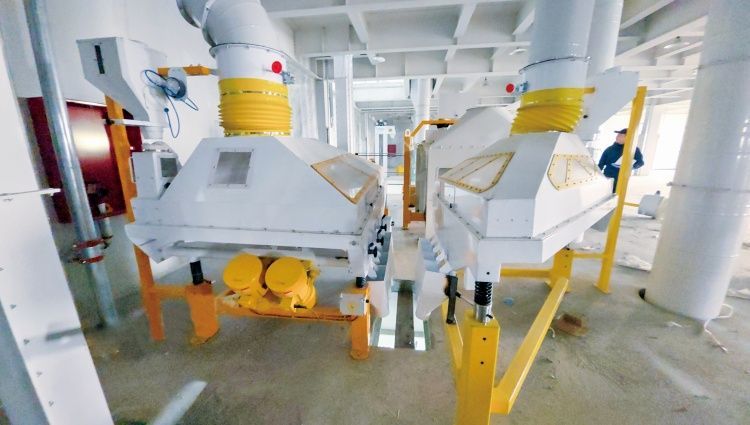
Cleaning performance affects both food safety and milling yield. A suitable system may include:
For flour production, removing bran and germ before final reduction helps improve color and shelf stability. For grits, degermination is even more important because residual germ can increase oil content and reduce storage life.
We should avoid excessive degermination when the market requires whole-maize meal. Removing too much germ can change the nutritional profile and reduce total recovery.
The roller mill determines how the cleaned maize is opened and reduced. Important technical variables include:
A 30-40TPD Maize Flour Mill Plant intended for high flour extraction normally needs a more detailed break-and-reduction system than a simple meal line. A grits-focused plant may need stronger degermination and fewer fine reduction passages.
Xingfeng equipment specifications should be confirmed through project drawings and a final technical proposal. Dimensional control can be manufactured and inspected to tolerances as fine as 0.01 mm for applicable components, while critical parts should undergo documented inspection before dispatch.
Pneumatic conveying is not only a transport method. It also influences separation efficiency, dust control, and product temperature.
An unstable airflow may cause:
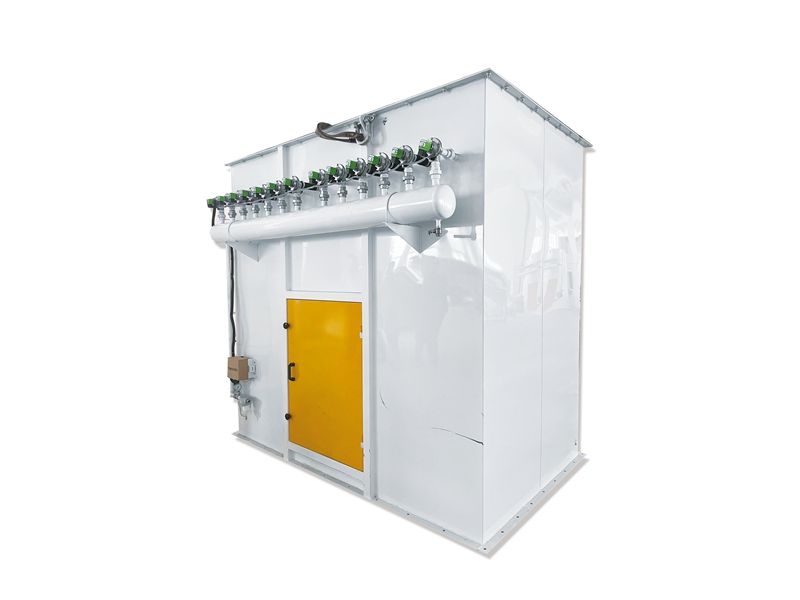
The aspiration system should be balanced after installation. Operators should inspect fan pressure, duct leakage, filter condition, and cyclone performance. Dust-collection filters must also be maintained according to the supplier’s operating instructions and local occupational safety requirements.
A reliable milling plant needs process control at several points, not only at the packing machine.
We recommend checking:
Particle size should be measured using calibrated laboratory sieves. For example, a flour specification may define a percentage passing through a specific mesh, while grits may require upper and lower size limits. The target should be documented in the purchase contract and verified during commissioning.
Xingfeng can support a documented inspection process, including 100% inspection of critical manufactured components where required by the project quality plan and a typical 24-hour response for technical communication during service coordination. Buyers should request inspection records, electrical drawings, spare-parts lists, and commissioning procedures before shipment.
Choose:
This configuration suits bakeries, staple-food producers, and packaged flour brands that need consistent fine powder.
Choose:
This option can reduce unnecessary energy consumption when the market does not require very fine flour.
Choose:
This is suitable for breweries, snack manufacturers, breakfast-food processors, and regional staple-food markets.
Possible causes include poor cleaning, excessive bran loss, incorrect roller gaps, or excessive moisture.
Corrective actions:
This often results from weak aspiration, worn sieve cloth, excessive grinding pressure, or poor degermination.
The operator should inspect the aspiration duct, replace damaged sieve cloth, verify fan performance, and examine the bran fraction under magnification if necessary.
Do not immediately tighten every roller. First check whether the correct sieve cloth is installed and whether the plansifter is overloaded. Then adjust the reduction passage in small increments while monitoring temperature and power draw.
Review the degermination intensity, break-roll setting, maize moisture, and sieve selection. Excessive impact force often creates fines even when the final screen appears correct.
Batch variation is commonly caused by inconsistent maize moisture or different kernel hardness. The solution is to separate raw material by type, use a defined conditioning protocol, and record operating parameters for each batch.
A practical maize milling operation should maintain the following tools and resources:
For larger installations, a basic SCADA or PLC monitoring system can record motor load, feed rate, fan status, temperature, and alarm history. This data helps identify gradual performance loss before it becomes a production stoppage.
When we evaluate a maize milling project, we look beyond machine capacity. The complete solution should include process design, layout planning, equipment matching, installation guidance, operator training, and after-sales support.
Xingfeng’s 30-40TPD Maize Flour Mill Plant can be adapted according to:
The final configuration should be approved through a technical drawing, product specification, utility list, and commissioning plan. Buyers should also confirm the warranty scope, installation responsibilities, spare-parts availability, and service response procedure before placing the order.
To move from a general idea to a workable maize milling project, complete these actions:
The central lesson of Maize Flour, Maize Meal and Grits: How Milling Configuration Changes Output is clear: output quality is determined by the complete process configuration, not by the mill body alone. Cleaning, conditioning, degermination, roller adjustment, sieve selection, aspiration, and quality control must work as one system.
With a properly designed 30-40TPD Maize Flour Mill Plant from Xingfeng, businesses can produce stable maize flour, consistent maize meal, or clean grits while reducing waste and avoiding repeated trial-and-error adjustments. Start with raw-material testing, define the target product, verify the process design, and use documented commissioning data to take control of your milling operation from the first day.
< Previous: None
> Next: How Wheat Cleaning and Conditioning Affect Flour Extraction Rate

February. 02, 2024

March. 03, 2026

July. 07, 2024

January. 01, 2024

August. 08, 2024
How to Use Wheat Flour Mill Plant Correctly?
This article provides a comprehensive guide on how to use a wheat flour mill plant correctly.

June. 06, 2025