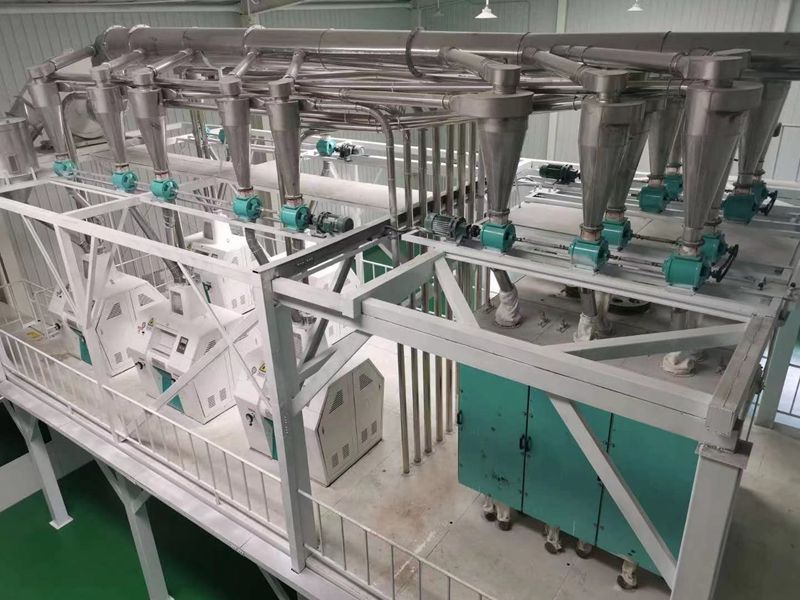
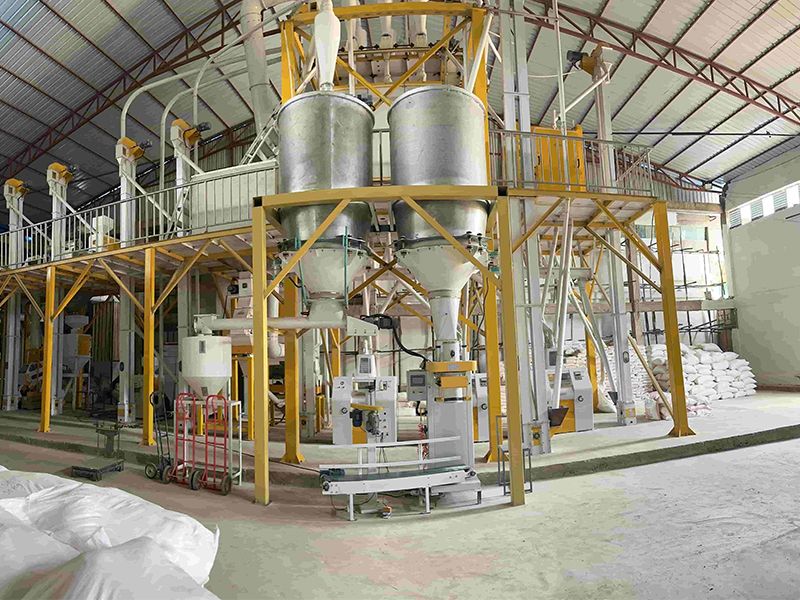
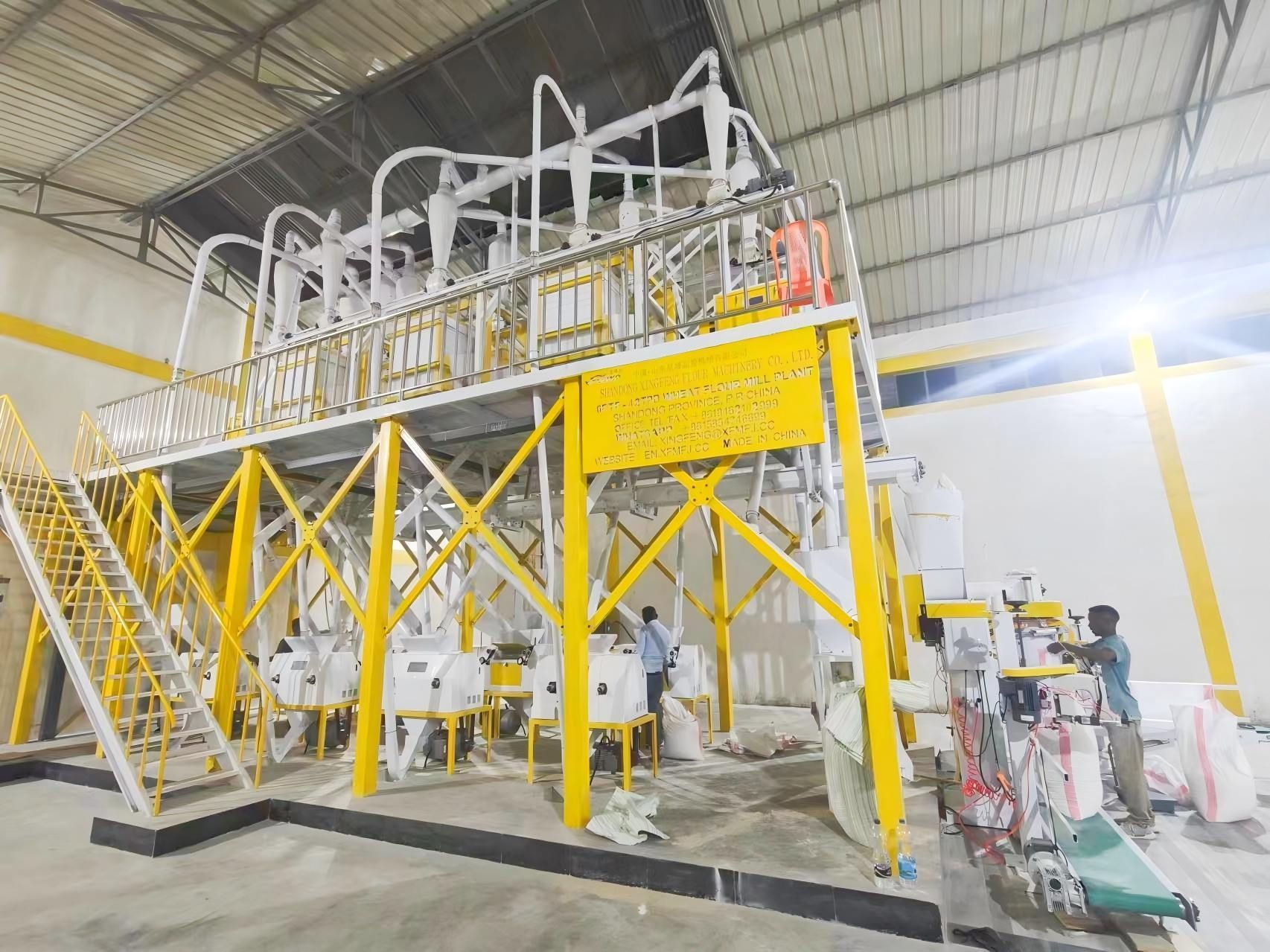
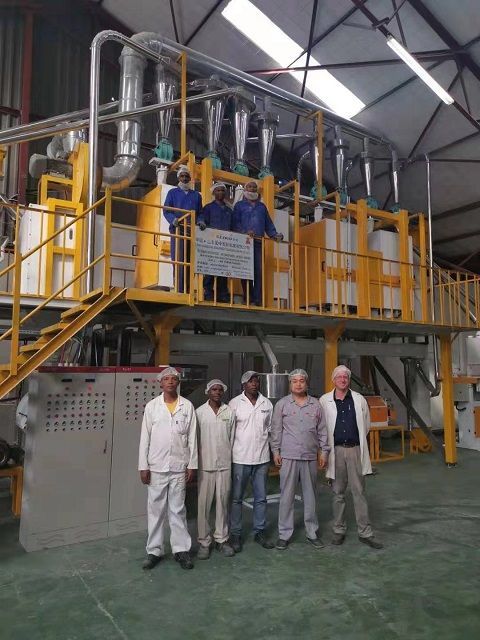
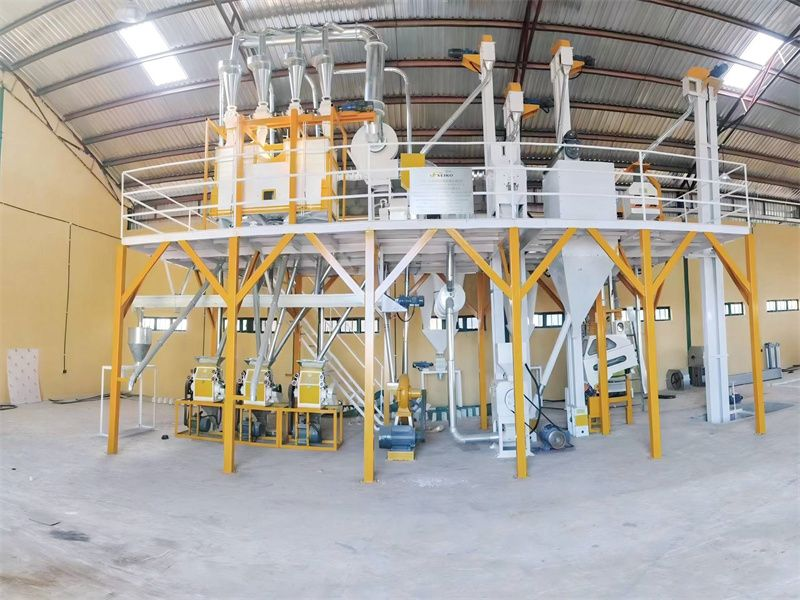
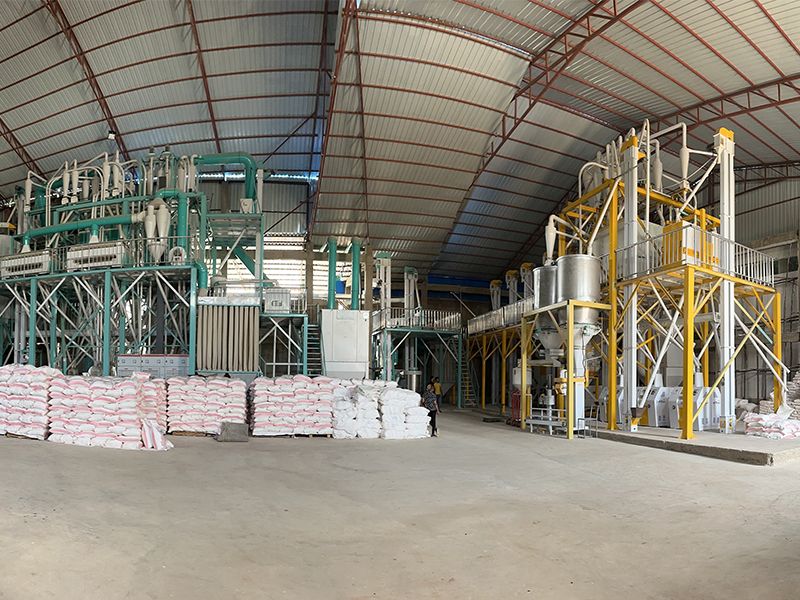
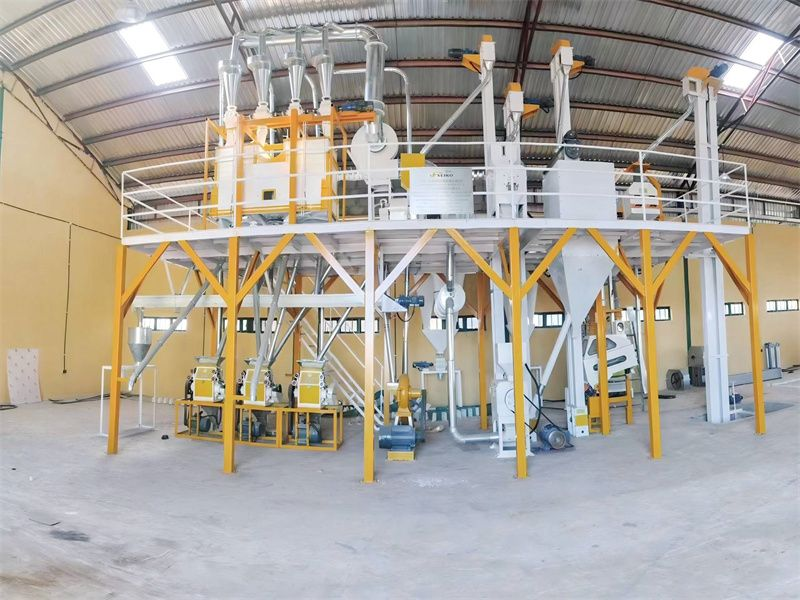
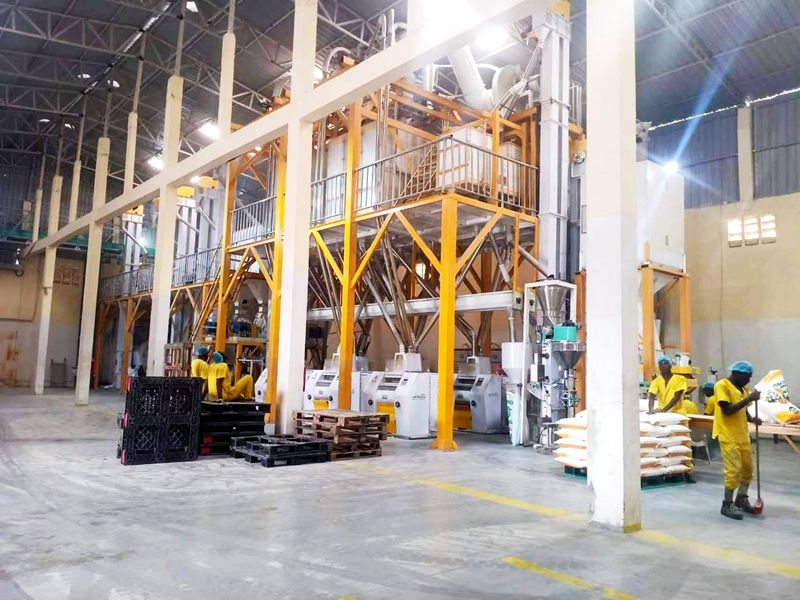
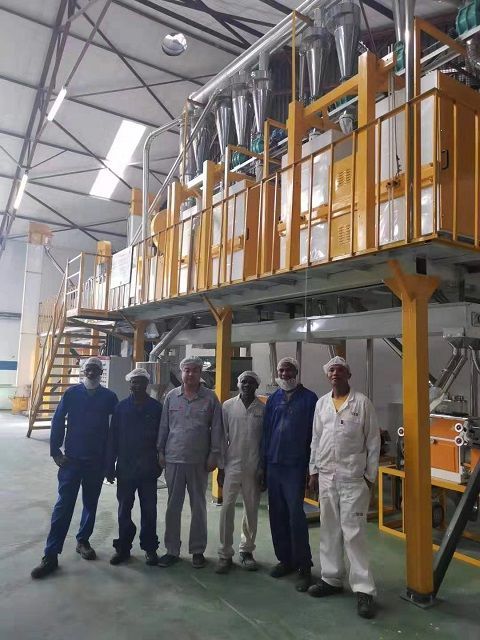
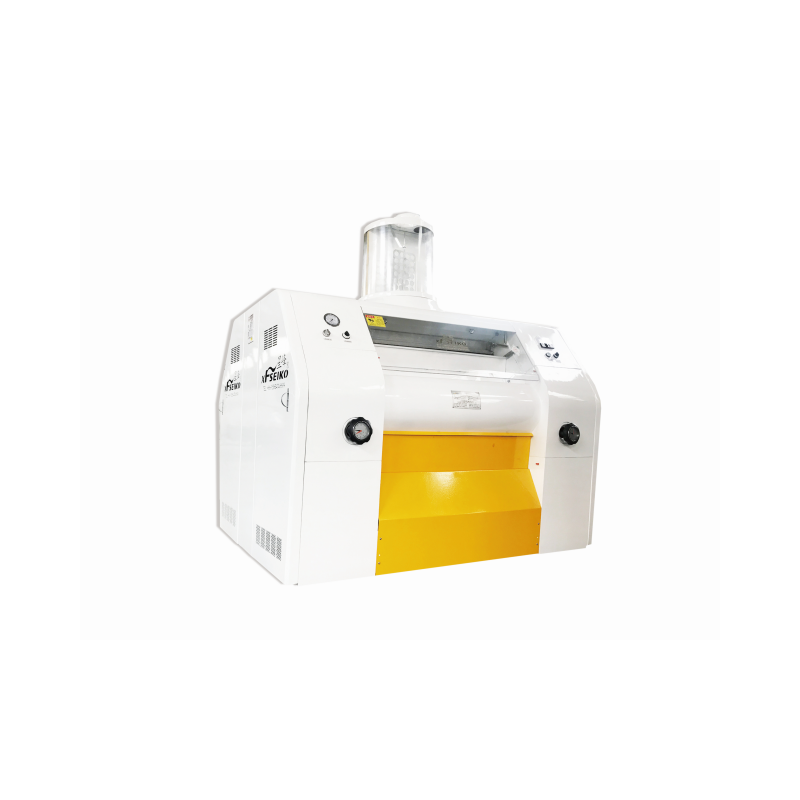
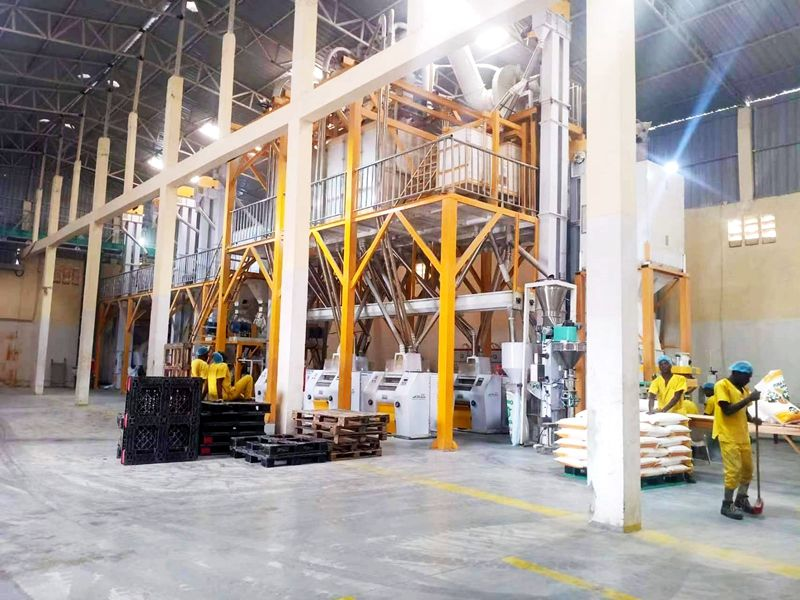
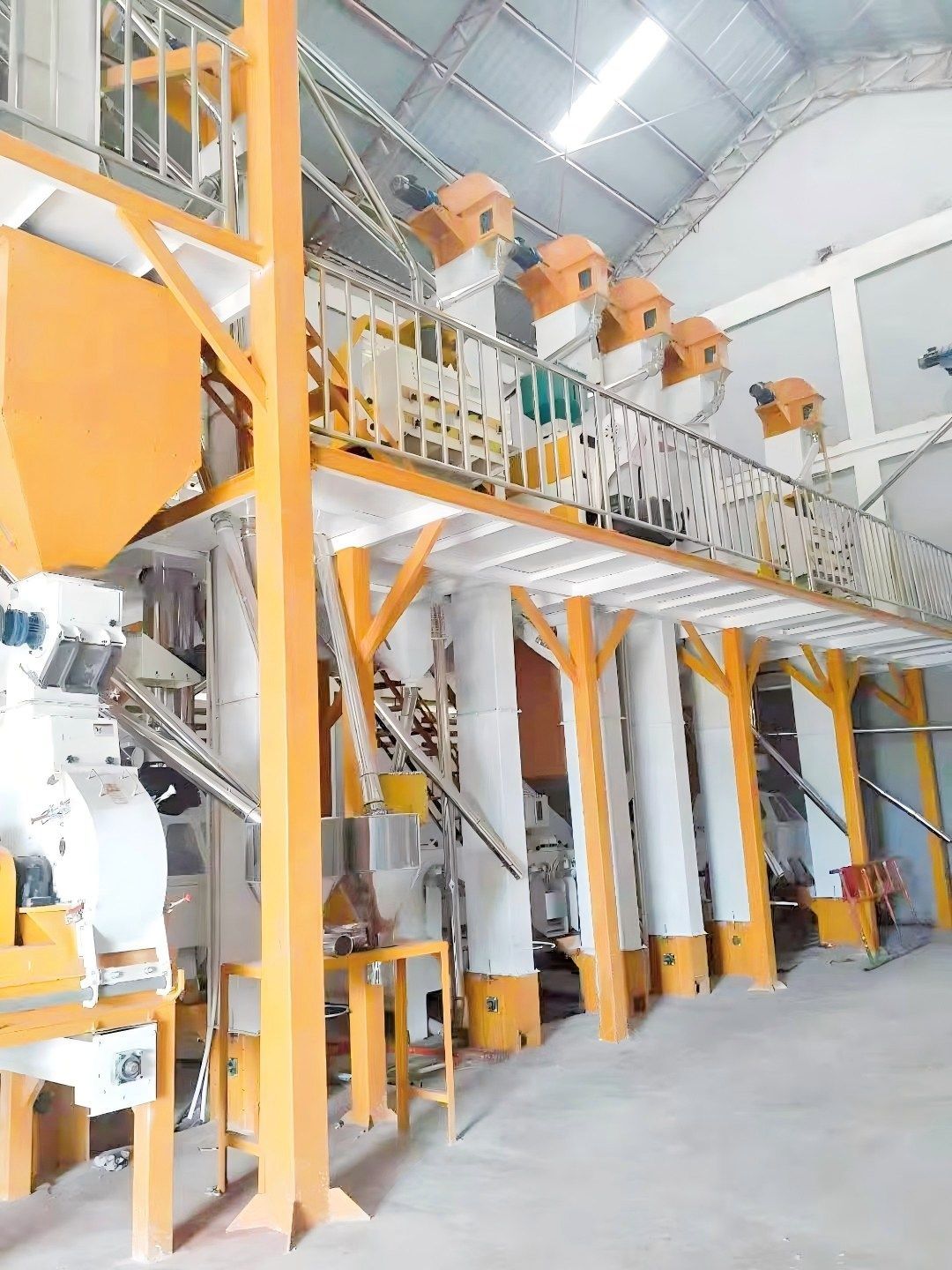
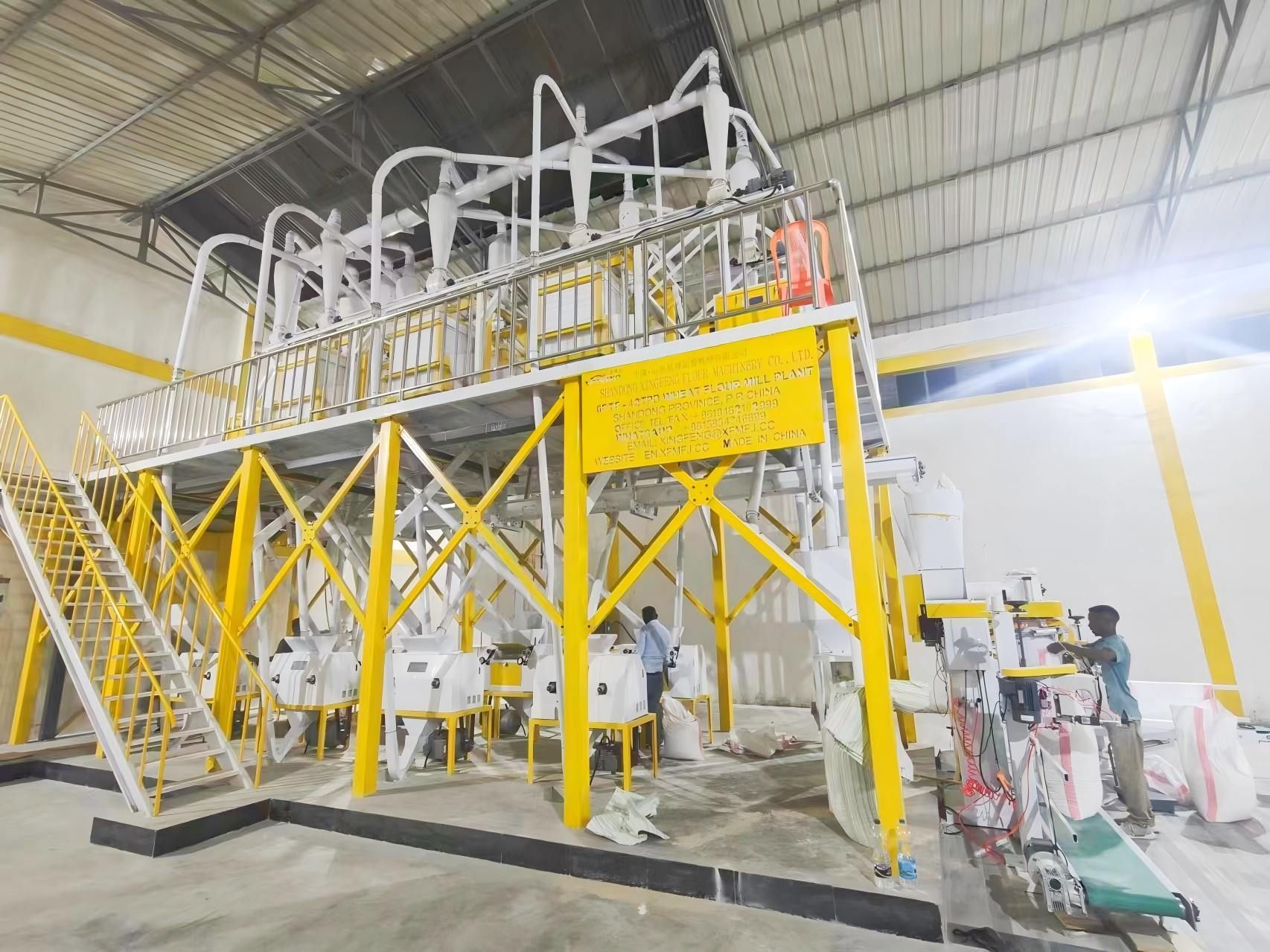
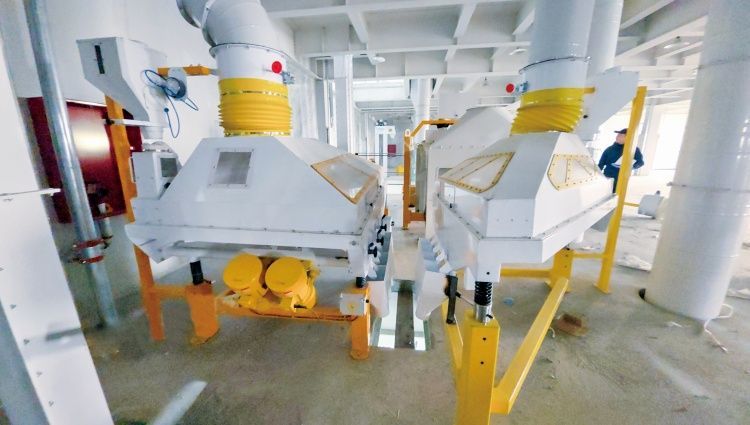
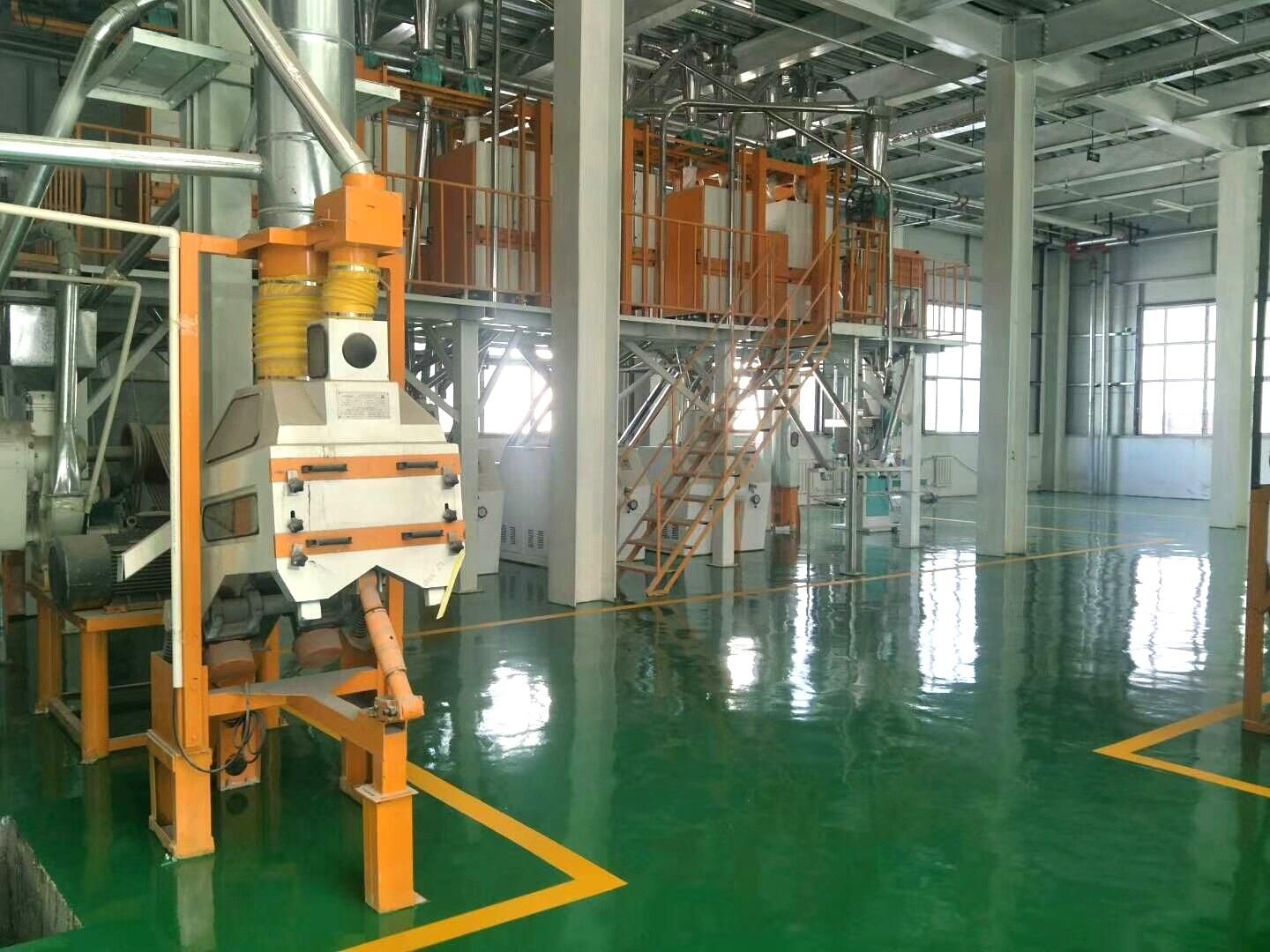
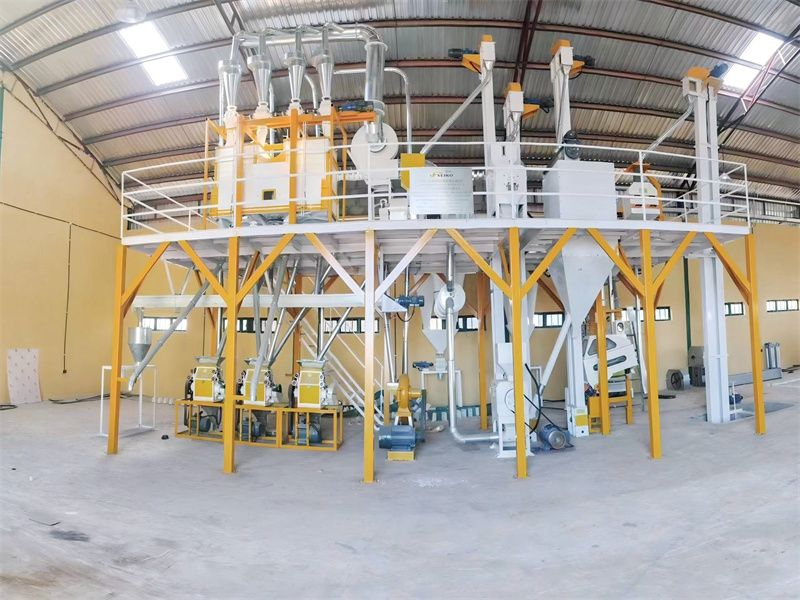
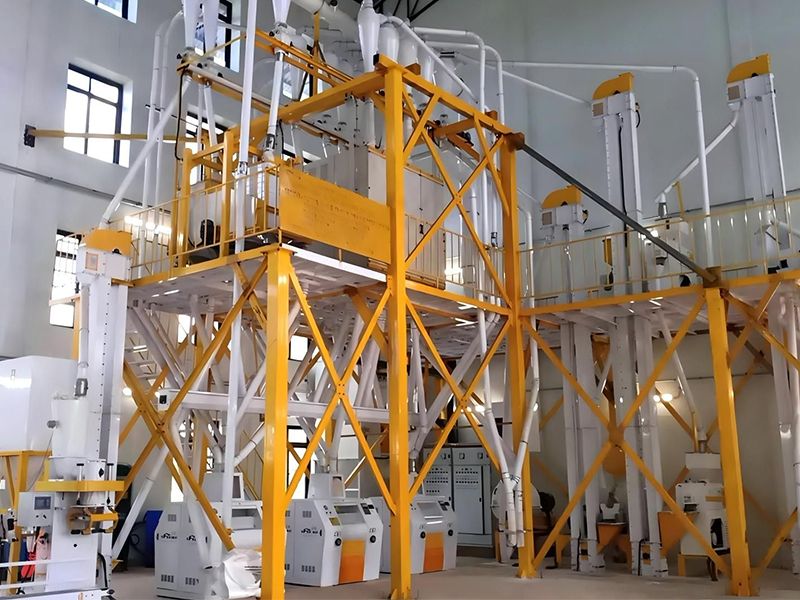
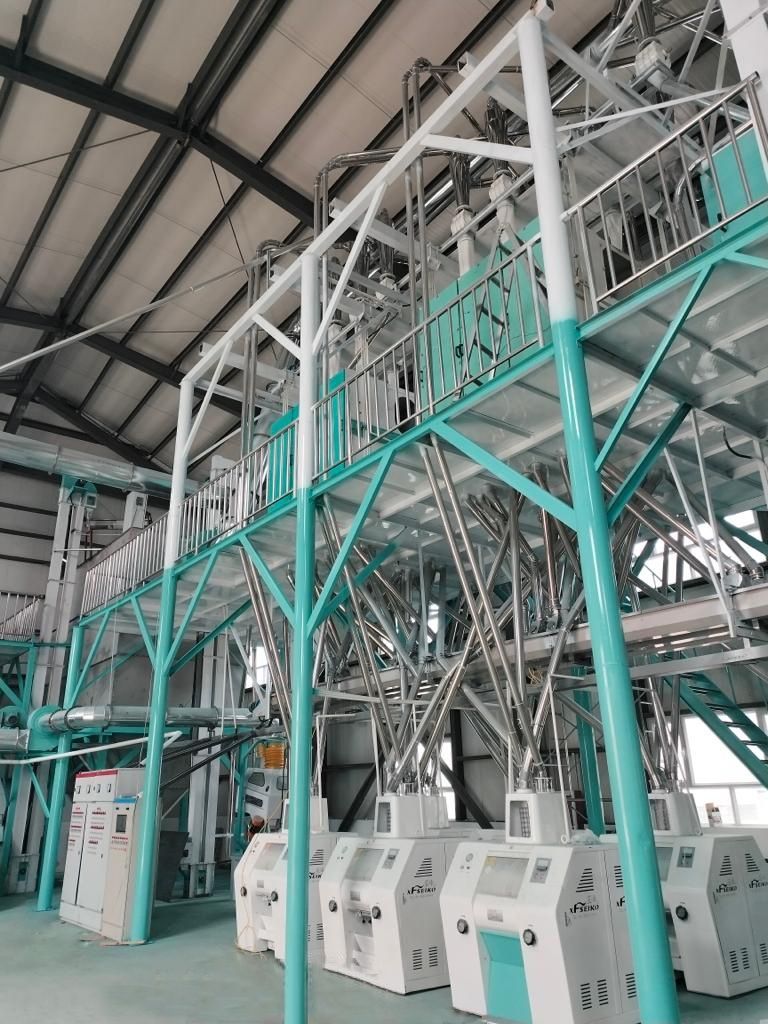
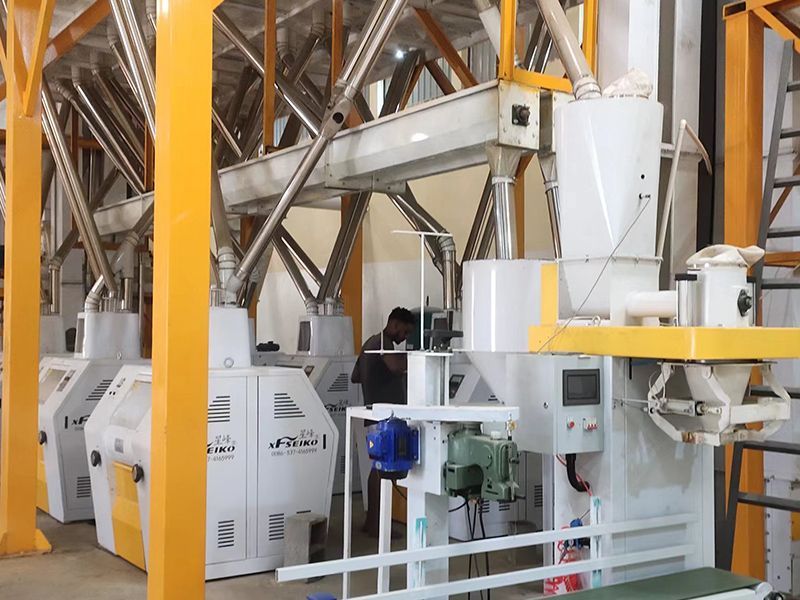
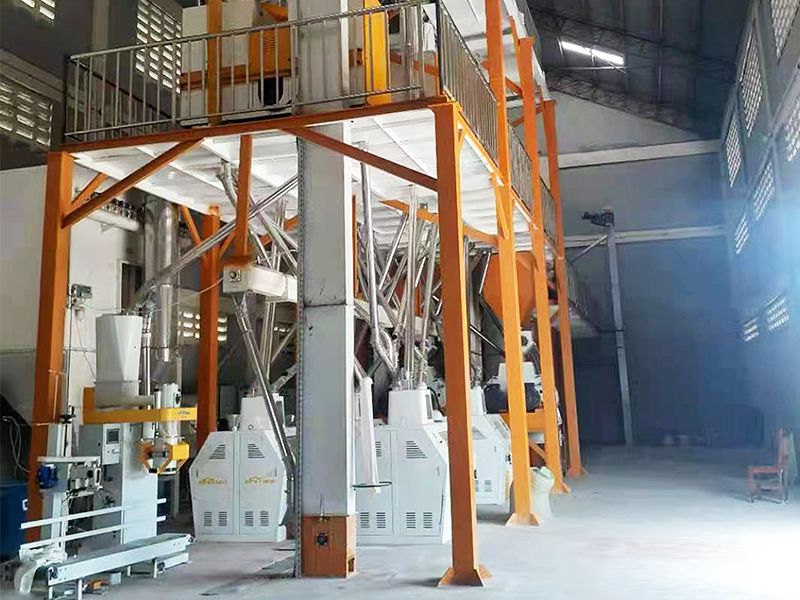
A 30TPD Wheat Flour Mill Plant is usually suitable for a new commercial mill that has a clear local market, reliable wheat supply, and enough working capital. This wheat flour milling solution is larger than a small farm unit but easier to manage than a 50TPD commercial flour mill. It uses integrated wheat processing equipment to produce flour, bran, and other by-products for wholesalers, bakeries, retailers, and food factories.
In this article, Xingfeng explains the capacity, investment factors, production process, space, labor, product quality, and break-even questions that new mill owners often ask before buying a flour mill plant.


For many new commercial mills, 30TPD is a practical starting capacity. The plant can process about 30 tons of wheat per day when operated for 24 hours. With a common flour extraction rate of 72 to 75 percent, it may produce about 21.6 to 22.5 tons of flour daily. The remaining output mainly includes bran and other milling by-products.
However, installed capacity is not the same as sales volume. A new owner should confirm that local customers can buy at least 15 to 20 tons of flour per day before running at full capacity. If the market is uncertain, the plant can operate one shift at first and increase production as orders grow.

- New investors entering a growing local flour market
- Wheat traders adding flour production to their business
- Distributors supplying bakeries, shops, and food processors
- Regional mills serving a town, province, or nearby export market
- Existing small mills that need higher output and better automation
1. Quick Answer: Is 30TPD the Right Starting Capacity?
A 30TPD plant may be too large if the buyer has no sales network, limited wheat storage, unstable electricity, or less than one month of working capital. It is also not the best choice for a farm that only needs flour for its own household or livestock operation. In those cases, a smaller 5TPD or 10TPD line may reduce financial risk.
Best fit for a 30TPD plant
The term 30TPD means 30 tons of wheat processing capacity per day. The exact flour output depends on wheat quality, moisture, extraction rate, product grade, machine settings, and operating hours. A well-designed plant can make different flour grades for bread, noodles, biscuits, household cooking, or industrial food production.
| Item | Typical figure for a 30TPD plant | Why it matters |
|---|---|---|
| Wheat input | 30 tons per 24 hours | Defines the rated plant capacity |
| Flour extraction | 72 to 75 percent | Creates about 21.6 to 22.5 tons of flour |
| Bran and by-products | 25 to 28 percent | Can be sold to feed producers and farms |
| Operating pattern | One to three shifts | Allows production to match market demand |
| Product grades | One or more grades | Supports different customer groups |
For a new mill, it is important to ask whether the supplier measures capacity by wheat input or finished flour output. Xingfeng normally recommends confirming this point in the technical proposal. Two plants both described as 30TPD may have different layouts, extraction rates, power use, and final product quality.
When 30TPD may be too large
The machine price is only one part of the project budget. A complete commercial flour mill also needs civil construction, electrical installation, transport, storage, packaging, laboratory tools, spare parts, licenses, and working capital. The total cost changes by country, automation level, steel structure, cleaning standard, brand of motor, and shipping distance.
2. Production Capacity and Flour Output
- Wheat cleaning and conditioning equipment
- Grinding, sifting, and flour purification equipment
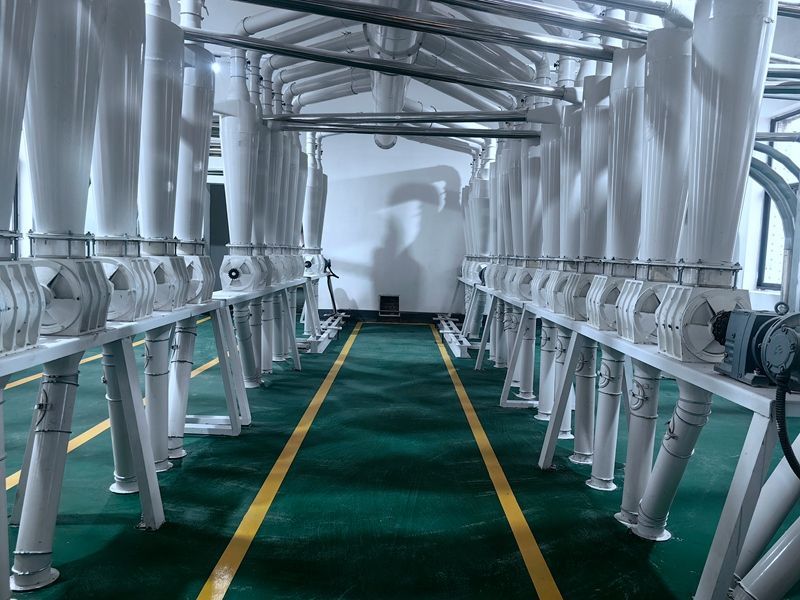
- Elevators, conveyors, pipes, and control cabinets
- Building, foundation, warehouse, and finished product area
- Packaging machines, weighing systems, and sewing machines
- Installation, commissioning, training, and spare parts
- Wheat stock, packaging bags, labor, power, and transport funds
A safe financial plan should separate fixed investment from operating cash. The mill must buy wheat before it receives payment from customers. For this reason, the buyer should calculate the cost of at least one production cycle and consider delayed payments from distributors and bakeries.
3. Investment: What Should a New Owner Budget For?
Use this basic calculation before ordering equipment: monthly profit equals flour sales plus by-product sales, minus wheat cost, packaging, labor, electricity, transport, maintenance, rent, taxes, and loan payments. Divide the total fixed investment by expected monthly profit to estimate the payback period. This result is a planning estimate, not a guaranteed return.
For example, a mill processing 20 tons of wheat per day for 26 days handles about 520 tons per month. At a 73 percent extraction rate, it may produce about 379.6 tons of flour. The owner should use local wheat and flour prices in this calculation rather than relying on general online estimates.
Main cost groups
A reliable plant must protect flour quality from receiving to packing. The equipment should remove stones, dust, metal, immature grains, and other foreign material before grinding. It should also control wheat moisture and rest time so the bran becomes easier to separate from the endosperm.
Simple break-even method
- Wheat intake hopper and pre-cleaner
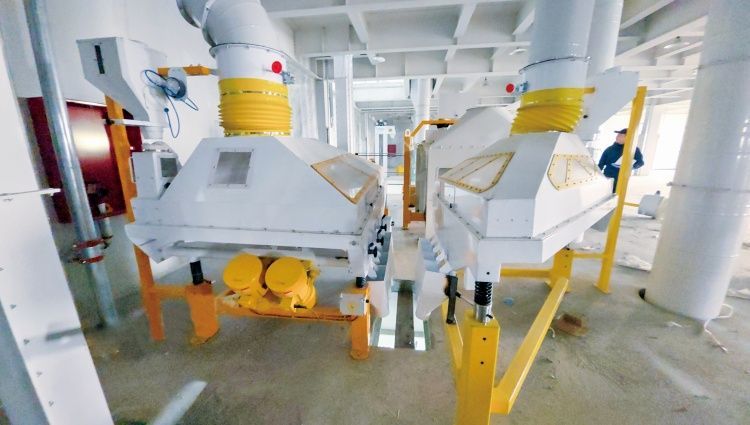
- Vibrating screen and aspiration channel
- Destoner and magnetic separator
- Wheat washer or intensive dampener, when required
- Conditioning bins and moisture control system
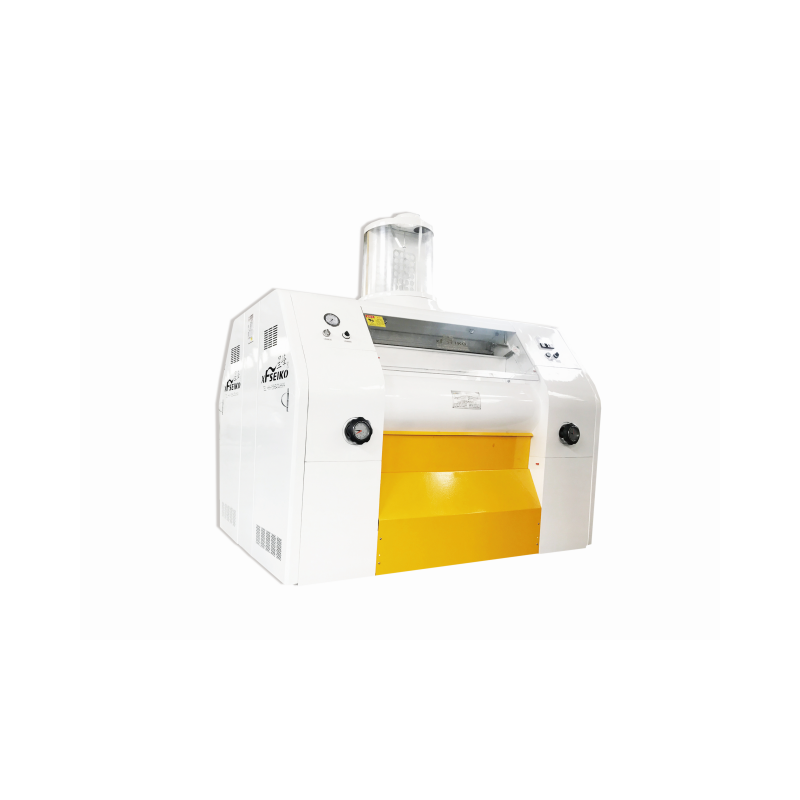
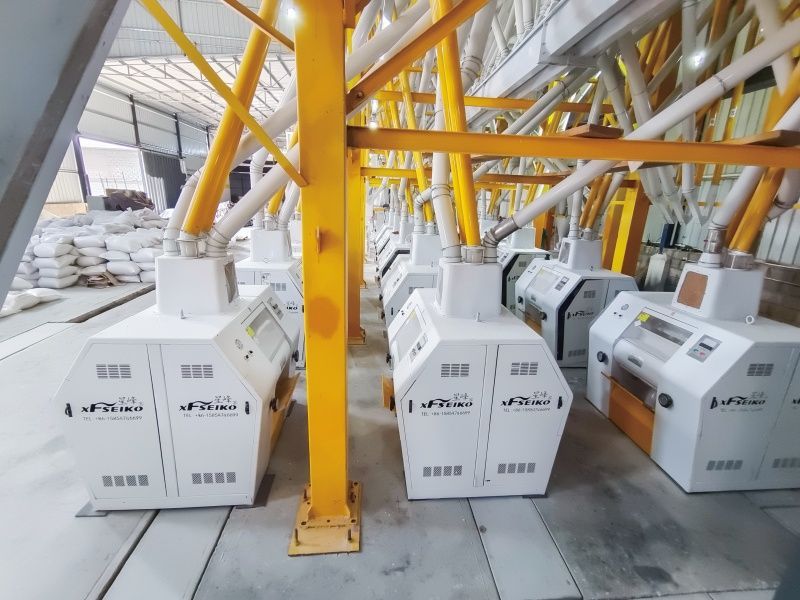
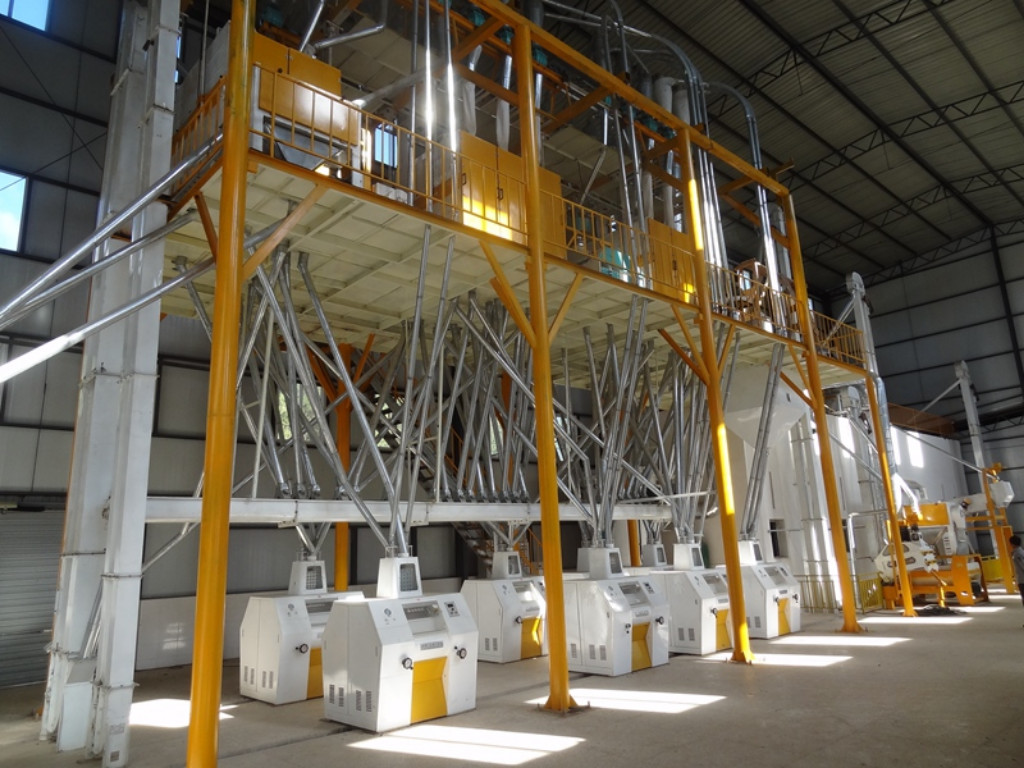
- Roller mills for first break, reduction, and fine grinding
- Plansifter for separating flour streams
- Purifier for improving flour grade and extraction
- Bran finisher and by-product collection system
- Flour blender, storage bins, and packing machine
The final design should match the local wheat variety. Hard wheat, soft wheat, and mixed wheat may need different roller settings and conditioning time. A technical supplier such as Xingfeng should review the wheat test report before confirming the roller mill, sieve area, and cleaning section.
4. Equipment Needed for a 30TPD Commercial Flour Mill
Typical equipment list
The following flow gives a simple view of how wheat becomes packed flour. The exact number of grinding passages depends on the required flour grade and the wheat type.
Step 1: Wheat receiving
Down arrow
Step 2: Preliminary cleaning and magnetic separation
Down arrow
Step 3: Destoning, brushing, and fine cleaning
Down arrow
Step 4: Moisture adjustment and wheat conditioning
Down arrow
Step 5: Break grinding with roller mills
Down arrow
Step 6: Sifting and purification
Down arrow
Step 7: Reduction grinding and repeated sifting
Down arrow
Step 8: Flour blending and quality checking
Down arrow
Step 9: Packing, storage, and distribution
Good process control reduces bran contamination and helps keep flour color, ash level, moisture, and particle size stable. A new operator should record wheat moisture, flour yield, machine load, sieve condition, and packing weight every shift.
5. Step-by-Step Flow Chart of the Milling Process
Capacity should match the market, not only the available land. The table below shows general differences between three common plant sizes. Actual performance depends on the equipment design and working schedule.
| Factor | 10TPD plant | 30TPD plant | 50TPD plant |
|---|---|---|---|
| Daily wheat input | 10 tons | 30 tons | 50 tons |
| Estimated flour at 73 percent | 7.3 tons | 21.9 tons | 36.5 tons |
| Market requirement | Small local area | Town or regional market | Large regional or industrial market |
| Management difficulty | Lower | Medium | Higher |
| Storage and working capital | Lower | Medium to high | High |
| Expansion potential | Limited | Good | Strong, with higher risk |
The 30TPD option often provides the best balance for a first commercial project. It offers enough volume to serve regular wholesale customers while keeping the equipment, building, and management requirements below those of a 50TPD plant.
6. Comparison With 10TPD and 50TPD Flour Mills
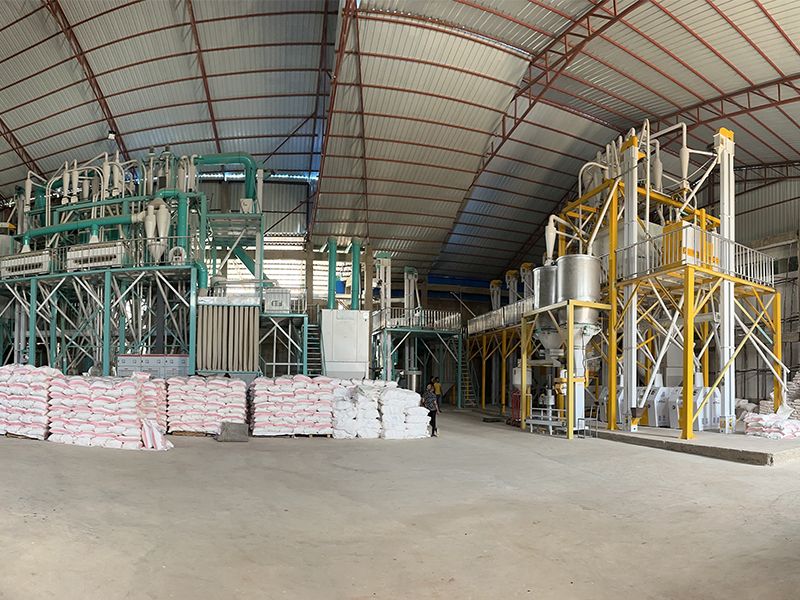
Space depends on whether the plant uses a compact single-floor layout, a multi-floor tower, or a steel structure. A new owner may need about 500 to 1,000 square meters for the milling building, wheat warehouse, finished flour storage, packing area, office, and maintenance space. Local fire, food safety, and building rules must be checked before construction.
Power demand varies with the machine list and automation level. Many 30TPD projects use an installed motor capacity in the approximate range of 150 to 250 kilowatts, but the supplier must provide the final electrical load list. A stable power supply and backup plan are important because sudden stops can interrupt cleaning, grinding, and packing.
A basic plant may operate with 4 to 8 workers per shift, including machine operators, packing workers, a quality checker, and a maintenance worker. More automation can reduce manual handling but may require better technical training. At least one person should understand sieve replacement, roller adjustment, lubrication, and electrical safety.
7. Space, Power, Labor, and Storage Requirements
At full capacity, the plant uses 30 tons of wheat per day. Seven days of wheat storage therefore requires about 210 tons, before allowing space for safe handling and stock rotation. Finished flour storage should also match customer delivery schedules. Separate areas are needed for raw wheat, finished flour, bran, packaging materials, and rejected or returned products.
Recommended storage planning
A new commercial mill competes through stable quality, not only low price. Buyers may check flour moisture, color, ash, gluten, protein, particle size, odor, and package weight. Product specifications should be agreed with bakeries and distributors before the plant is designed.
The mill should use food-grade contact materials, dust control, closed conveying where practical, pest prevention, and regular cleaning. A basic laboratory can test moisture and other key properties. The operator should keep batch records so a quality problem can be traced to a wheat lot, machine setting, or storage condition.
8. Product Quality and Food Safety Questions
- Is the capacity based on wheat input or flour output?
- What flour extraction rate is expected for my wheat?
- How many flour grades can the plant produce?
- What is the estimated power load and air requirement?
- Which spare parts should be kept for the first year?
- Does the quotation include installation and operator training?
- Can the layout be expanded to 50TPD later?
Questions to ask the supplier
The largest risk is often weak sales, not machine performance. A buyer may purchase a 30TPD line but sell only 8 tons per day. This raises the cost per ton and slows the return on investment. Before construction, the owner should collect written interest from distributors, bakeries, restaurants, retailers, and institutional buyers.
Wheat price changes can also affect profit. The business should compare several suppliers, plan seasonal purchasing, and avoid depending on one wheat variety. Poor maintenance, low-quality packaging, unstable electricity, and delayed customer payments are other common risks.
9. Main Risks for a New Commercial Mill
- Survey local flour demand by customer type.
- Test local wheat before finalizing the process design.
- Start with confirmed products and package sizes.
- Keep working capital for wheat and operating expenses.
- Train operators before commercial production begins.
- Plan preventive maintenance and spare part storage.
- Build a sales network before the plant is commissioned.
Risk reduction checklist
A 30TPD wheat flour mill plant is a suitable choice for a new commercial mill when the owner can sell at least 15 to 20 tons of flour per day, secure regular wheat supply, provide stable electricity, and manage working capital. It gives a new business a useful production scale without the higher market pressure of a 50TPD plant.
It may not be suitable when demand is below 10 tons per day, the project has no experienced operator, or the owner cannot fund wheat inventory and customer credit. In that situation, a smaller plant or a phased expansion plan may be safer.
Xingfeng can help buyers compare the 10TPD, 30TPD, and 50TPD options, review wheat conditions, prepare a process flow, and select cleaning, milling, sifting, and packing equipment. The best plant is not simply the largest one. It is the plant that converts available wheat into saleable flour at a volume the market can absorb every day.