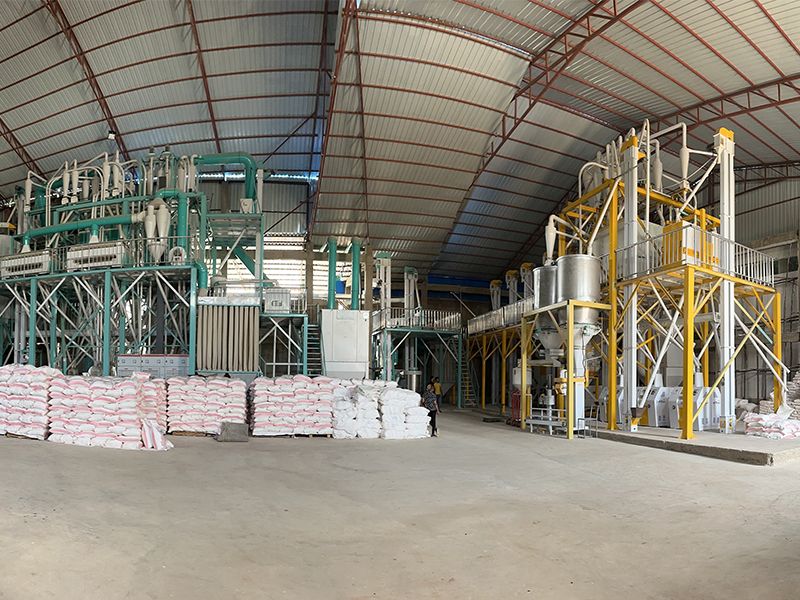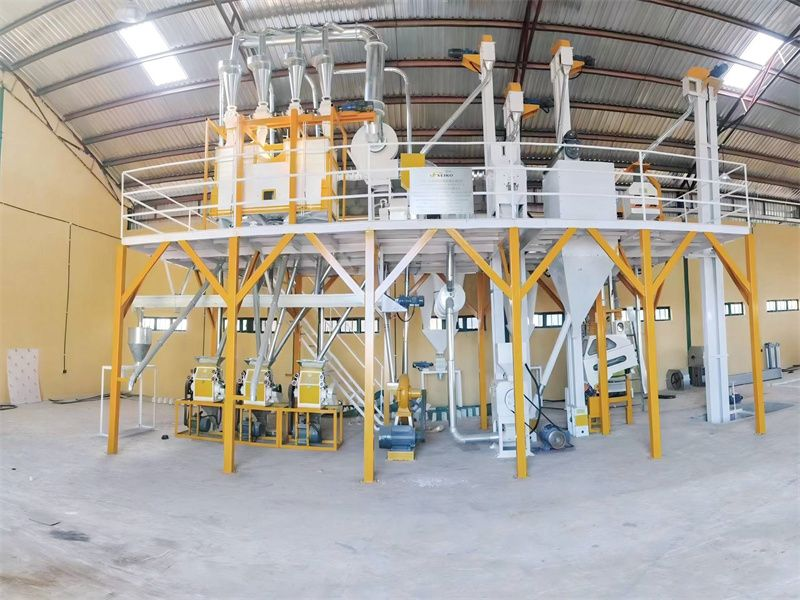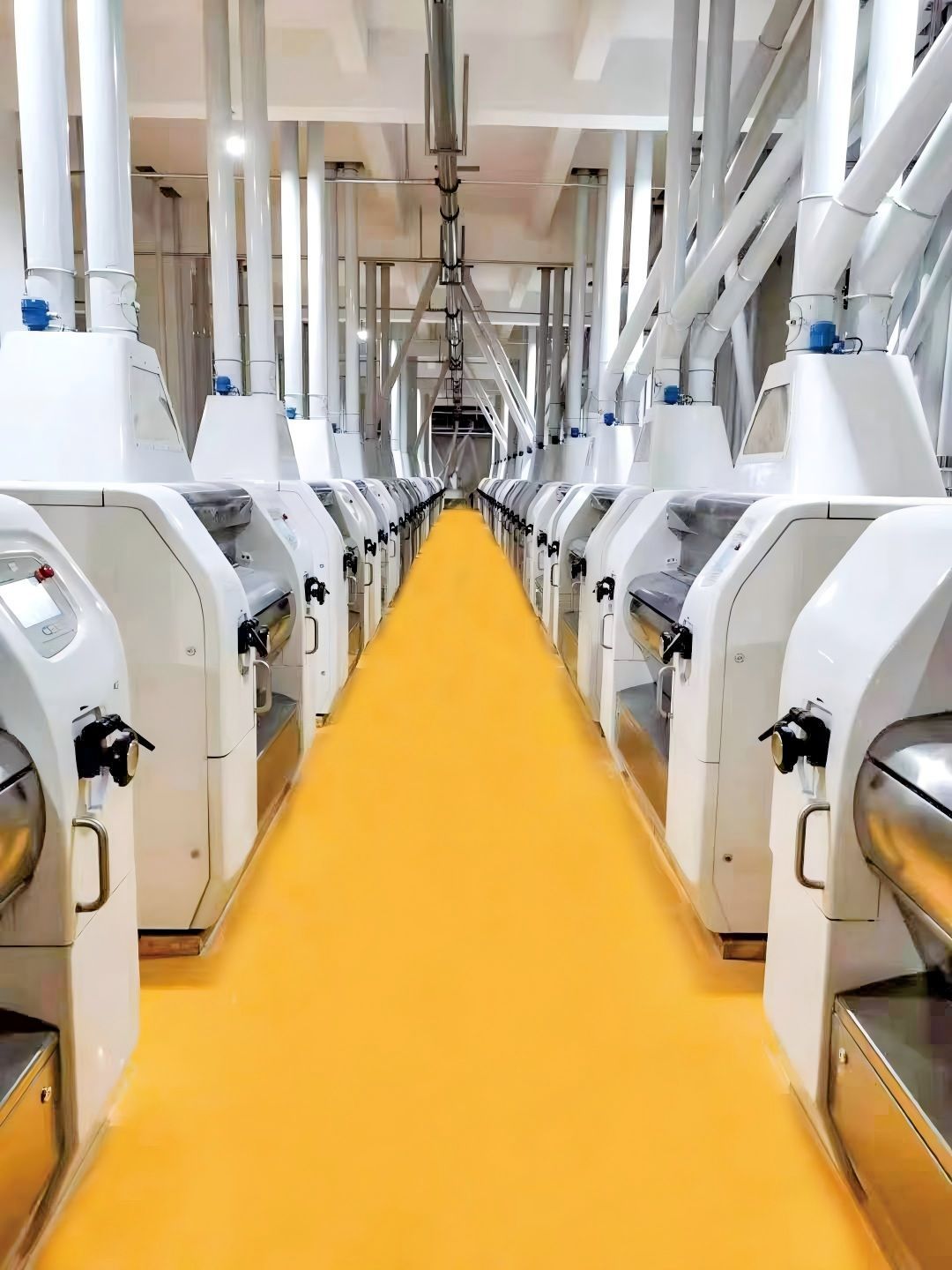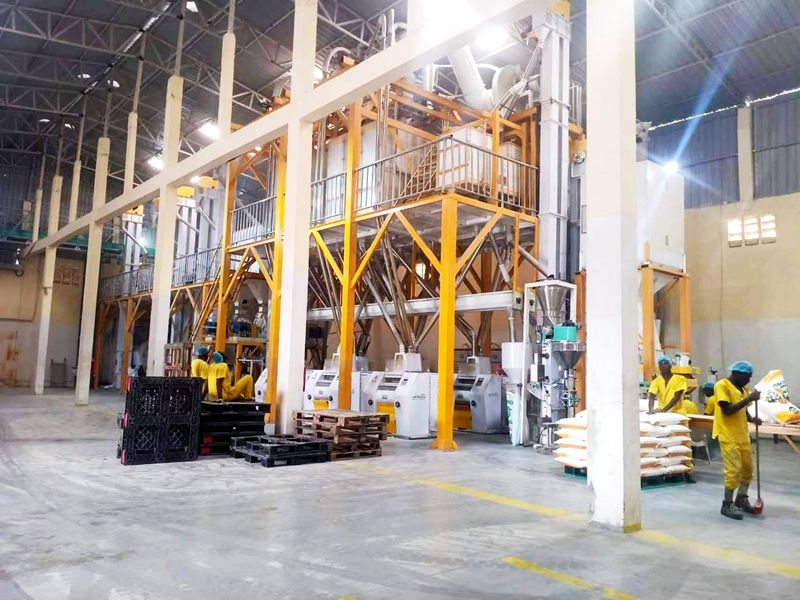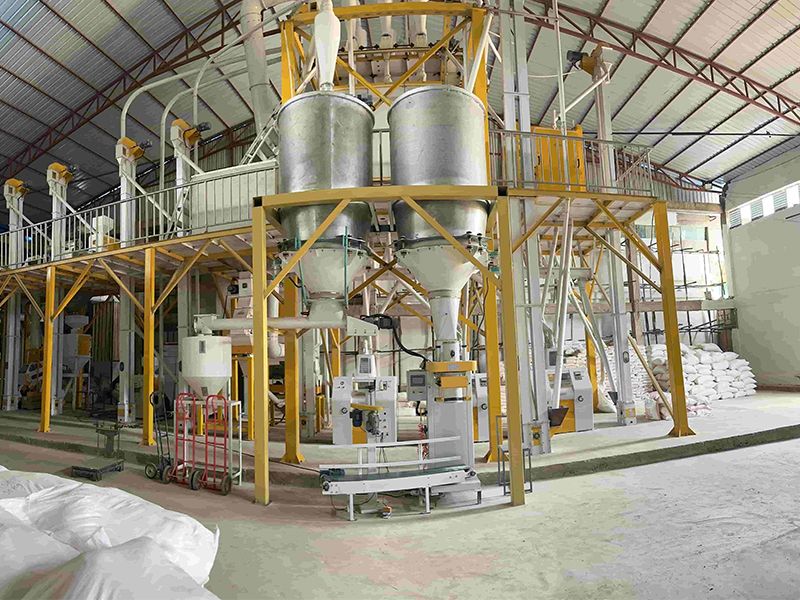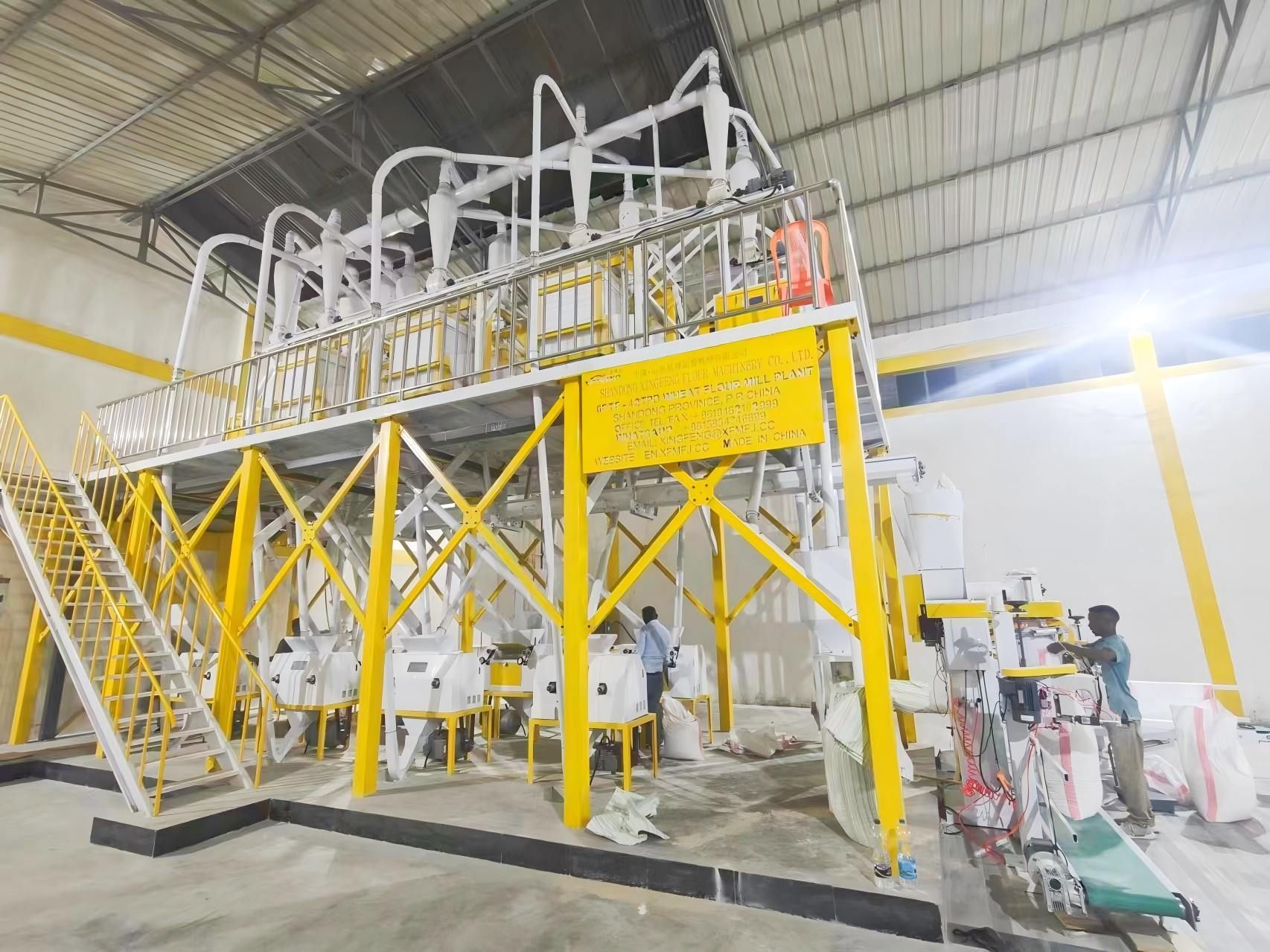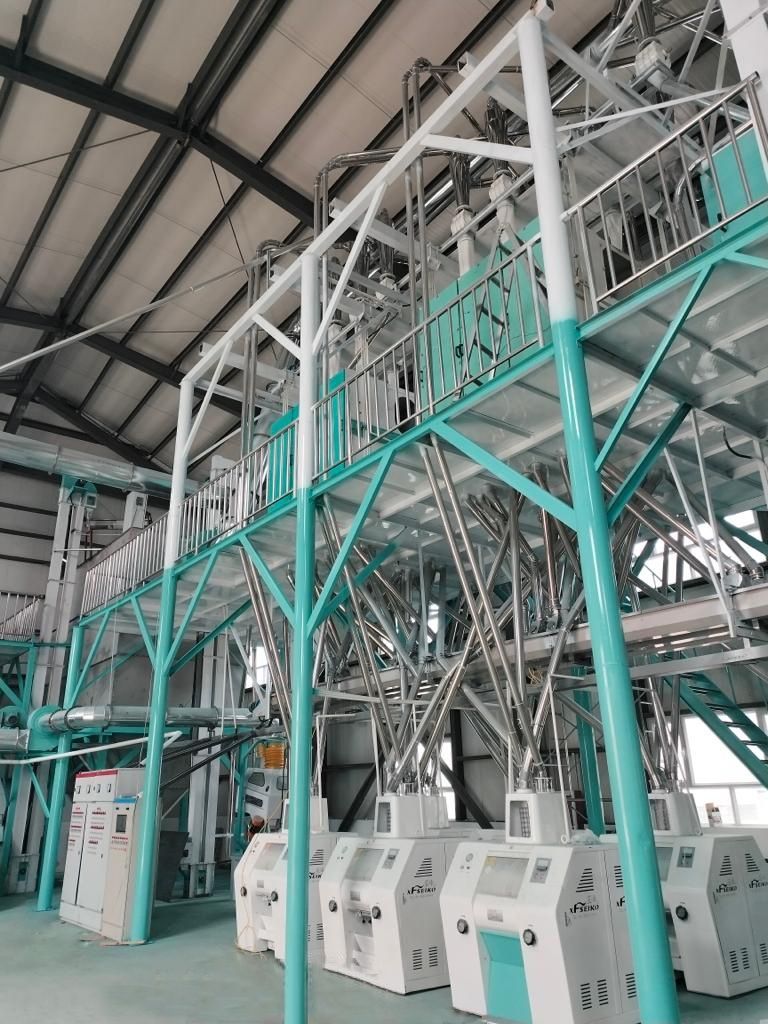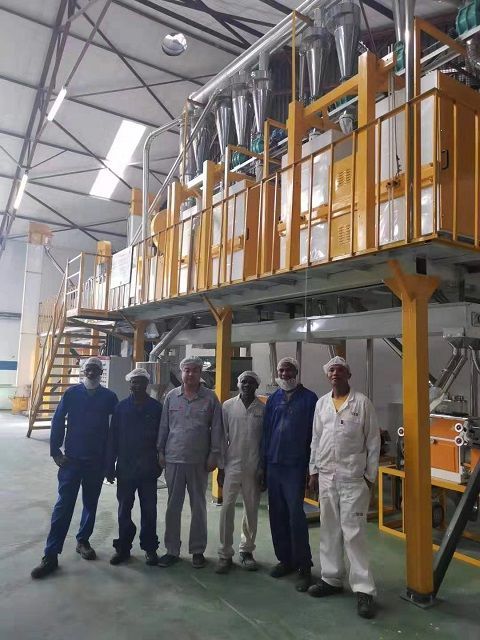
A 20TPD Maize Flour Mill Plant can be a practical starting point for a new milling business, but its value depends on local demand, raw maize supply, product quality, and working capital. A small maize processing plant must match its daily capacity with the amount of grain that the owner can buy and sell. The term 20TPD means about 20 metric tons of raw maize input per day in many plant specifications. A maize flour production line also needs reliable grain cleaning equipment, power, storage, packaging, and trained operators. The plant may produce about 15 to 17 metric tons of finished flour per day when the extraction rate is between 75 and 85 percent. This article explains the equipment, cost factors, output, labor needs, and business risks before you invest.
Yes. A 20TPD maize flour mill plant is usually enough for a start-up milling business if the target market can absorb 15 to 17 tons of finished maize flour per day and the owner has enough cash for maize, packaging, utilities, labor, and distribution. It is not enough for a large industrial market or a business that already needs more than 20 tons of raw maize input each day. The best choice is to confirm local demand, test the maize quality, calculate the expected extraction rate, and compare the complete project cost before ordering the plant.
20TPD means 20 metric tons per day. In most maize flour mill quotations, this figure refers to the raw maize input capacity. The actual flour output is lower because the process removes the husk, germ, bran, screenings, and other by-products.
| Item | Typical value for a 20TPD plant | Business meaning |
|---|---|---|
| Raw maize input | 20 metric tons per day | Daily grain purchasing requirement |
| Finished maize flour | 15 to 17 metric tons per day | Main product available for sale |
| Maize bran and germ | 2 to 4 metric tons per day | Possible animal feed or oil industry revenue |
| Screenings and process loss | 0.5 to 2 metric tons per day | Depends on raw maize quality and cleaning efficiency |
| Monthly raw maize use | About 520 tons at 26 operating days | Requires a stable supply contract or storage plan |
The output depends on maize variety, moisture content, kernel size, cleaning performance, degermination level, sieve settings, and the product specification. A supplier should state whether the quoted capacity is based on raw input or final flour output.
A 20TPD maize flour mill plant normally requires less building space, power, storage, and labor than a 50TPD or 100TPD plant. This can reduce the financial pressure during the first stage of operation.
A daily flour output of 15 to 17 tons can supply retailers, wholesalers, schools, restaurants, bakeries, and food distributors. It may also support several package sizes, such as 1 kilogram, 2 kilograms, 5 kilograms, 10 kilograms, and 25 kilograms.
A new owner can test different flour grades, packaging designs, and sales areas before installing a larger maize milling machine. This reduces the risk of building excess capacity before customer demand is proven.
Maize bran and germ can be sold to livestock farms, feed manufacturers, or other processors. By-product sales can improve the total plant margin. They should be included in the maize milling business plan.
If existing customers require 25 tons of flour each day, a 20TPD plant will not meet demand. The business may lose sales because of delayed deliveries or low stock.
Large supermarket chains and national distributors often require higher volume, regular delivery, and backup production. A 50TPD or larger commercial maize milling equipment system may be more suitable for this model.
A 20TPD rating may assume 8 to 10 hours of operation. If the factory runs for only 4 hours per day, the actual daily output will be much lower. Maintenance time, power cuts, cleaning, and changeovers also reduce usable capacity.
Even a correctly sized plant can fail if it cannot obtain clean maize during the off-season. The owner may need storage for 100 to 300 tons or a supply contract with farmers, traders, or grain warehouses.
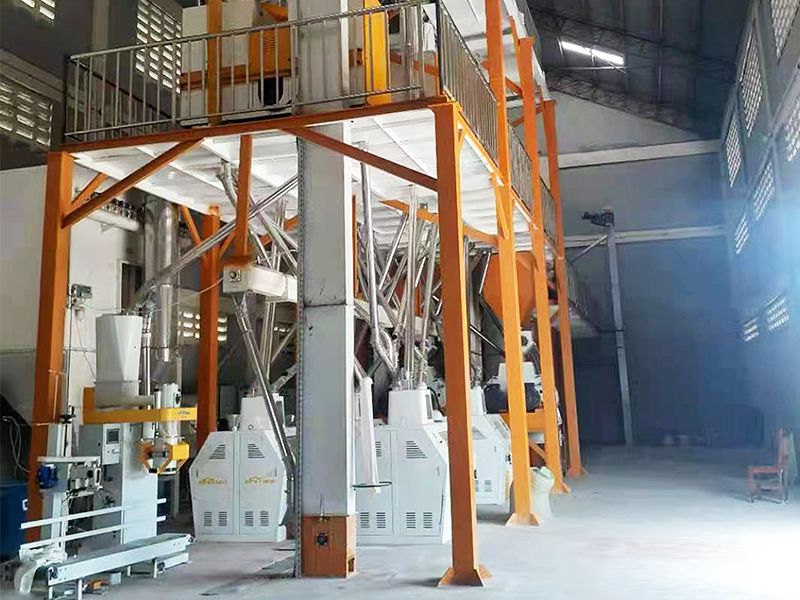
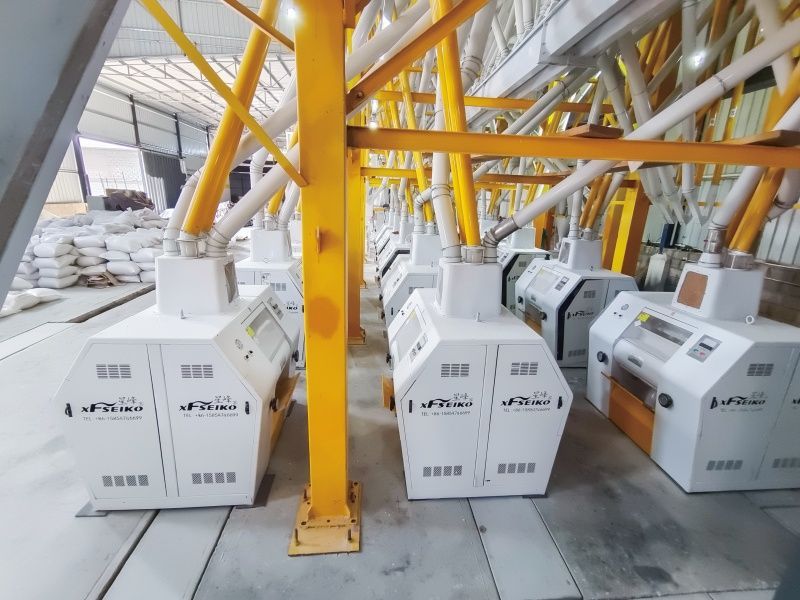
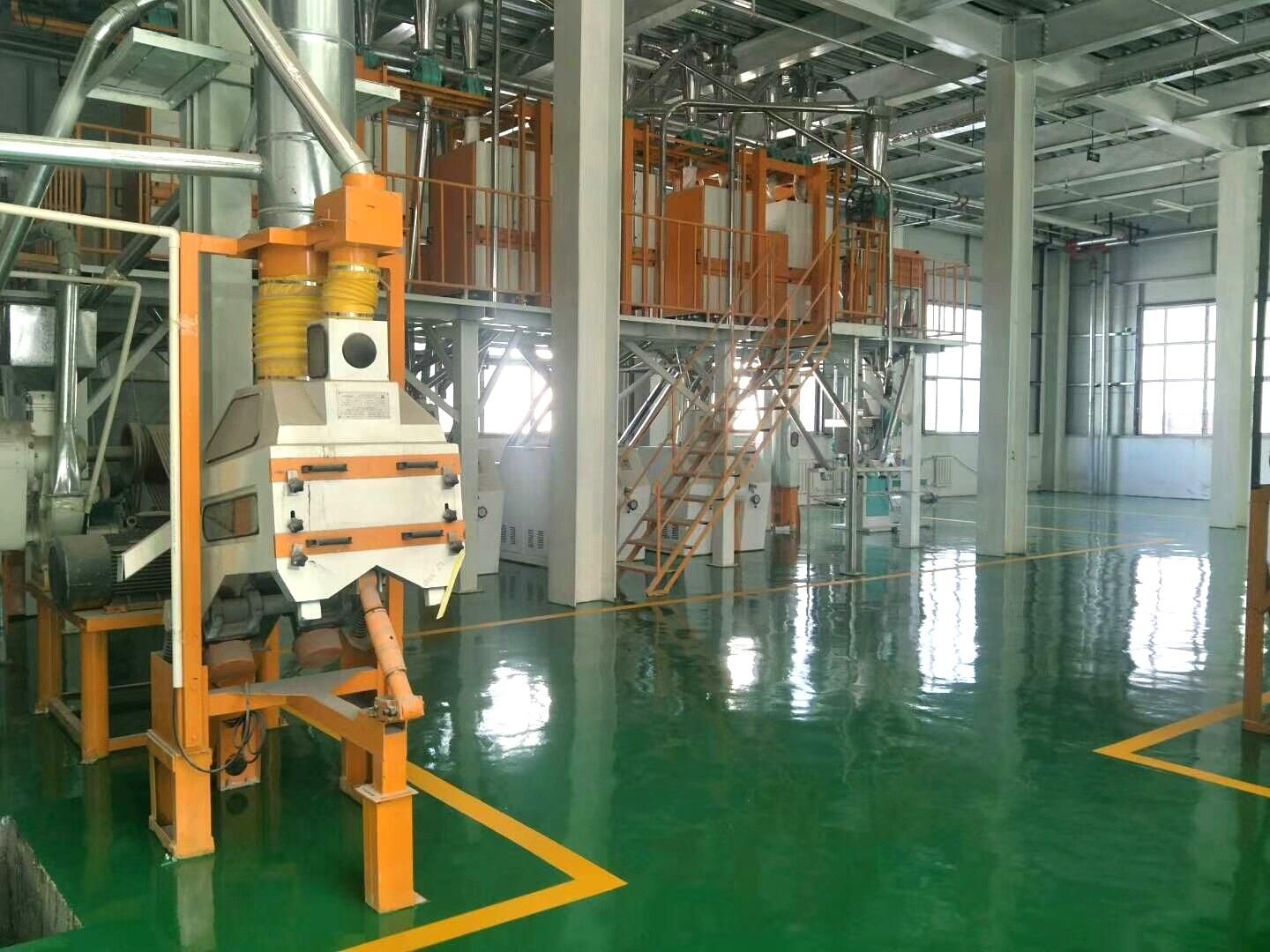
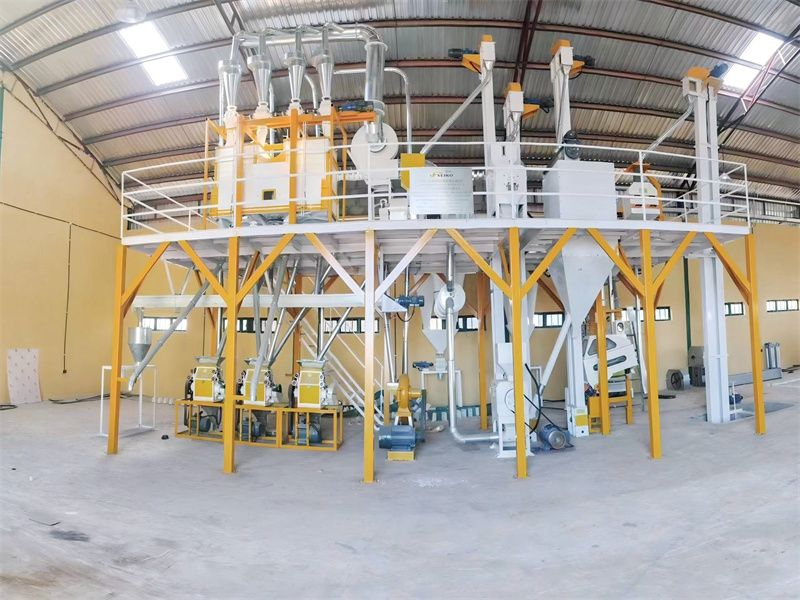
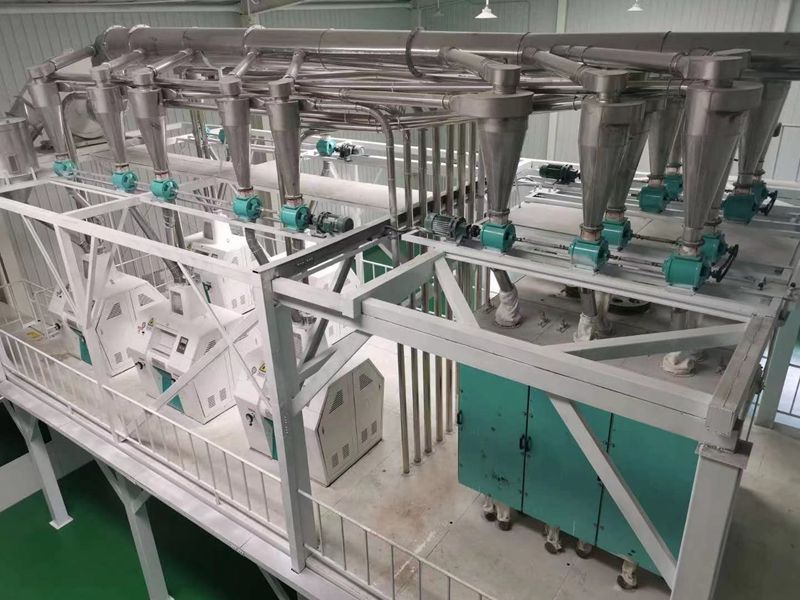
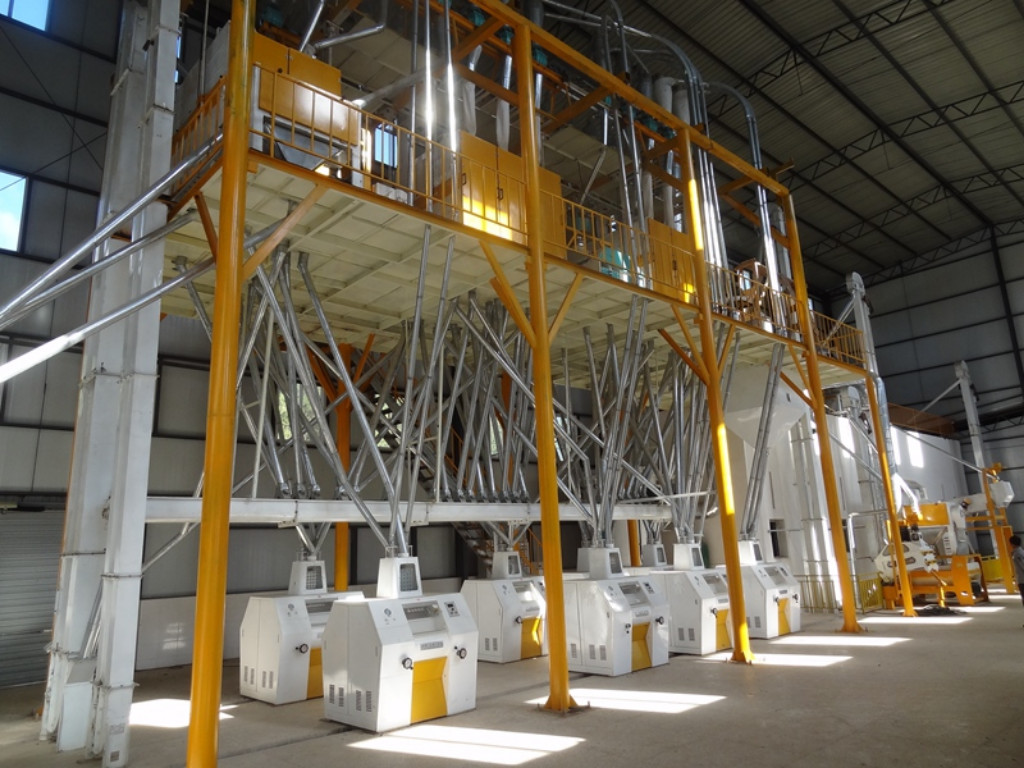
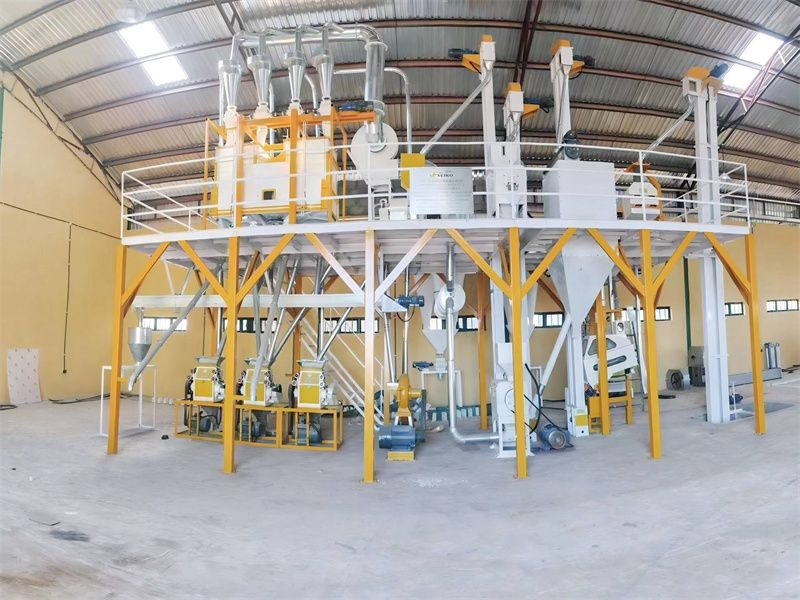
A complete plant should include more than the milling machine. Each stage affects flour yield, food safety, and operating cost.
| Equipment | Typical function | Important inspection point |
|---|---|---|
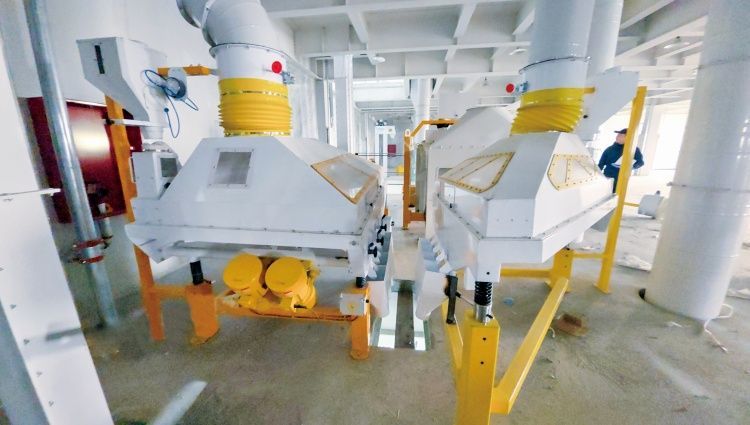
| Vibrating pre-cleaner | Removes large and small impurities | Screen size, cleaning efficiency, and easy access for maintenance |
| Magnetic separator | Removes ferrous metal from the grain stream | Magnet strength and safe inspection design |
| Destoner | Separates stones and heavy particles | Stone removal rate and grain loss |
| Conditioning system | Adjusts moisture before degermination and milling | Water distribution, holding time, and moisture measurement |
| Degerminator | Removes part of the germ and outer layer | Germ separation, kernel breakage, and product yield |
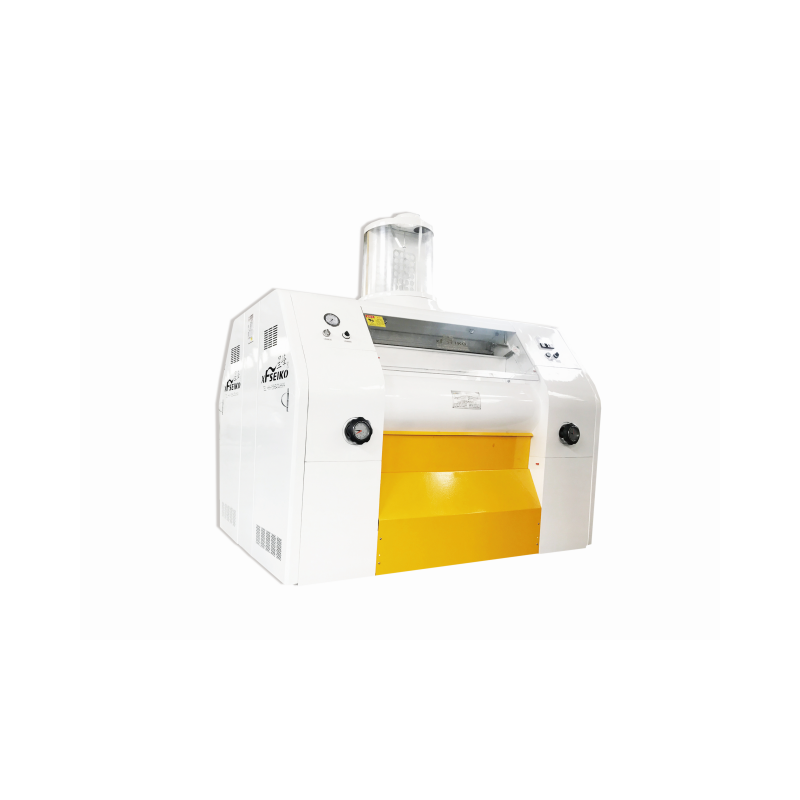
| Roller mill or hammer mill | Reduces cleaned maize into meal and flour | Roller gap, screen condition, motor load, and particle size |
| Plansifter | Classifies flour by particle size | Sieve condition, air leakage, and screen cleaning |
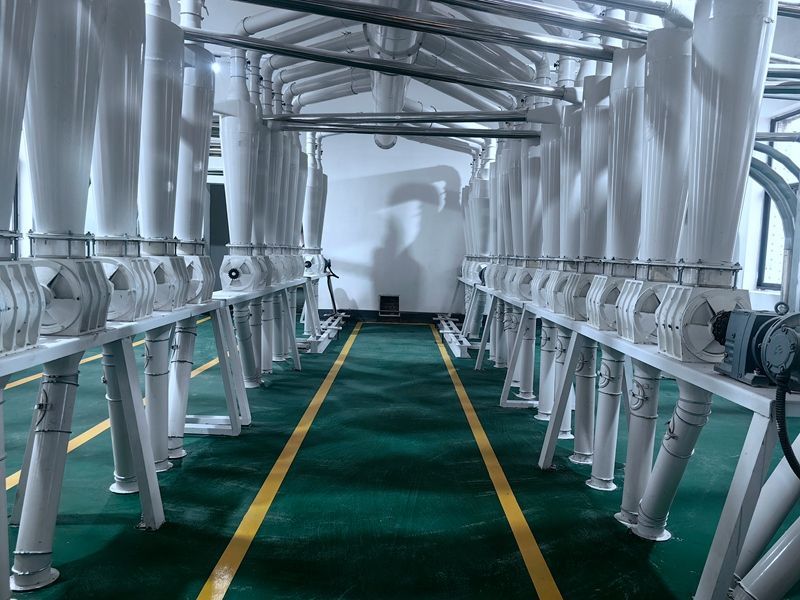
| Pneumatic conveying system | Moves material between processing machines | Air volume, dust control, and energy use |
| Weighing and packaging machine | Fills bags at the selected weight | Weight accuracy, sealing quality, and bag compatibility |
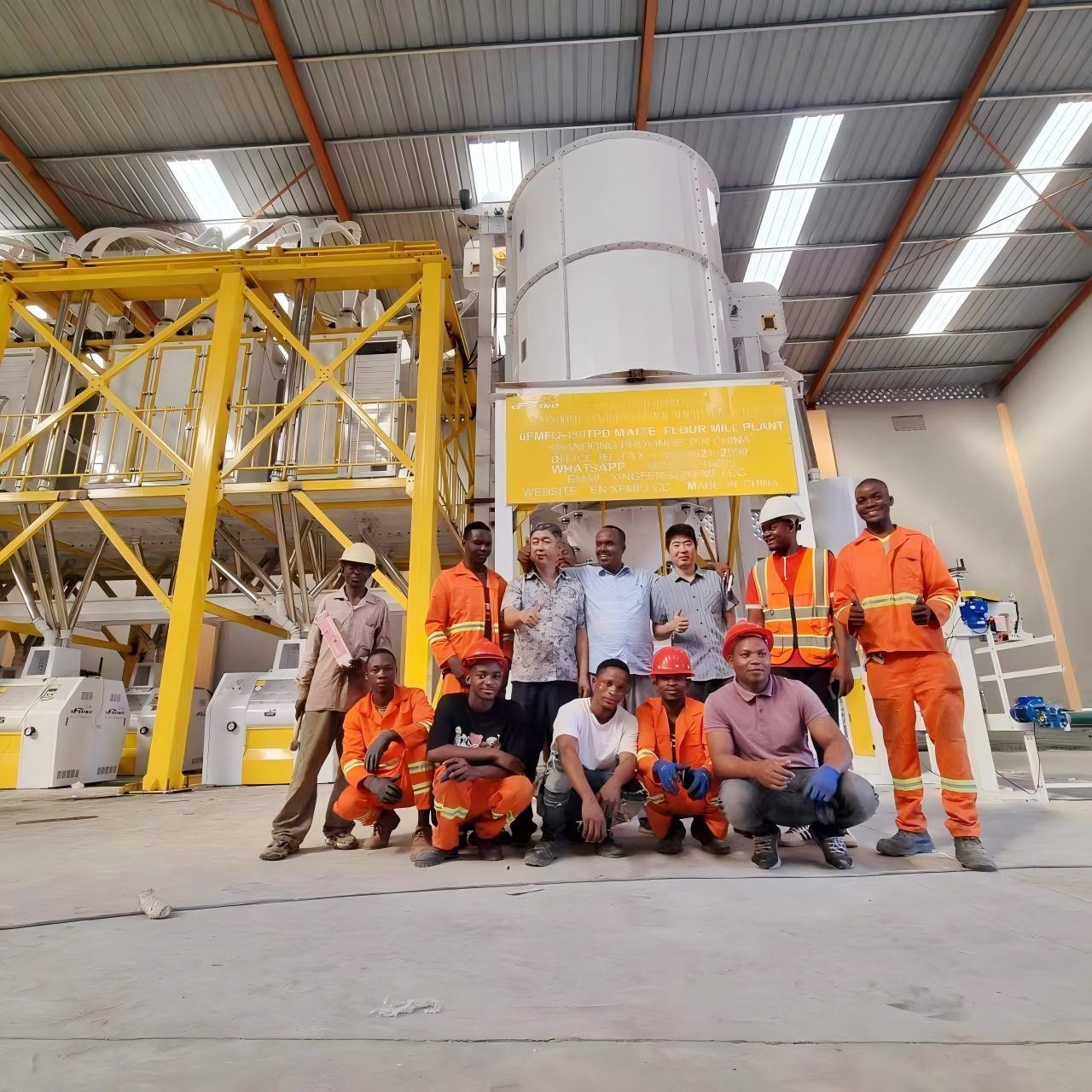
Xingfeng can configure the equipment according to the required flour grade, raw maize quality, local power supply, available building space, and packaging method. The final layout should be confirmed after a technical review and a raw material test.
Ask whether the capacity is 20 tons of raw maize input or 20 tons of finished flour. Request a written production test using the same maize type that will be used in the factory.
A plant of this size may use about 50 to 80 kilowatts of connected motor power, depending on the process design, conveying system, aspiration system, and packaging equipment. The real electricity use should be checked in kilowatt-hours per ton during a trial run.
A practical project may need about 200 to 400 square meters for processing, packing, storage, offices, and service space. The exact area depends on the number of floors and the amount of raw maize and finished flour stored on site.
A semi-automatic line may need about 4 to 8 workers per shift. Staff duties can include receiving, cleaning, milling, packing, quality control, loading, and maintenance.
Maize should be sampled before purchase. A moisture level near 12 to 14 percent is commonly preferred for safe storage, but the correct level depends on the storage period and local standard. The plant should include a moisture meter, sampling tools, and a clear acceptance procedure.
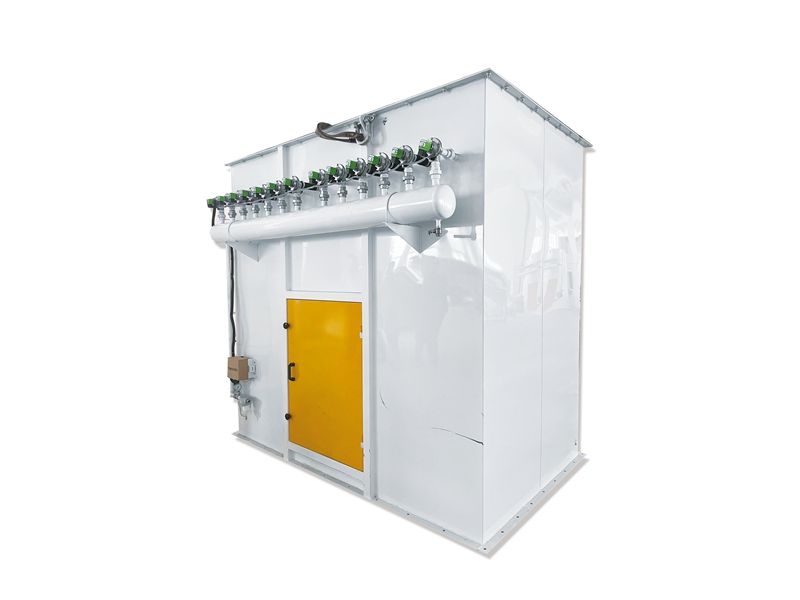
Maize flour creates fine dust. The factory needs aspiration ducts, filters, sealed transfer points, and routine housekeeping. Dust control protects workers and reduces product contamination.
Quality control should begin when maize enters the factory. It should continue until the sealed flour bag leaves the warehouse.
| Quality check | Suggested control point | Why it matters |
|---|---|---|
| Moisture content | Test every incoming lot and finished product batch | Controls storage life, milling performance, and weight stability |
| Foreign material | Inspect before and after cleaning | Reduces stones, metal, glass, and other contamination |
| Particle size | Check flour with test sieves | Maintains consistent cooking and consumer quality |
| Flour color and odor | Inspect each production batch | Detects mold, overheating, or mixing errors |
| Package weight | Check samples from each packing run | Prevents underweight products and customer complaints |
| Microbiological safety | Test according to local food regulations | Supports safe food production and market approval |
| Mycotoxins and aflatoxin | Test maize from high-risk suppliers or regions | Helps control risks linked to mold-damaged grain |
The final limits must follow the laws of the target country and the buyer's specification. The factory should keep records for raw material lots, process settings, cleaning, maintenance, laboratory tests, and product release.
Use a simple demand calculation before selecting a plant:
For example, assume the business plans to sell 390 tons of flour each month and operates 26 days per month.
This example shows why a 20TPD maize flour mill plant may be enough for a start-up. It can produce around 15 tons of flour per day at an 80 percent extraction rate. However, the owner should keep some capacity for maintenance, raw material changes, and unexpected orders.
| Plant size | Approximate raw maize input | Approximate flour output at 80 percent extraction | Best fit |
|---|---|---|---|
| 5TPD | 5 tons per day | 4 tons per day | Village market and small retail sales |
| 10TPD | 10 tons per day | 8 tons per day | Small regional distributor |
| 20TPD | 20 tons per day | 16 tons per day | Start-up factory with established local demand |
| 50TPD | 50 tons per day | 40 tons per day | Large regional or multi-city distribution |
| 100TPD | 100 tons per day | 80 tons per day | Industrial production and national supply |
These figures are planning values, not guaranteed results. Product type, maize quality, extraction target, operating hours, and machine configuration can change the final output.
The total 20TPD maize flour mill plant cost includes more than the equipment price. A complete budget should include the following items:
A plant can process 20 tons of maize per day, but it cannot operate without grain and packaging materials. At 26 operating days, the factory may need about 520 tons of maize each month. The owner should also plan for delayed customer payments and seasonal grain price changes.
Record the monthly demand from retailers, wholesalers, food processors, schools, and restaurants. Check the preferred flour texture, package size, price, and delivery distance.
Check moisture, impurities, damaged kernels, mold, kernel hardness, and expected flour yield. Send samples for laboratory testing when required.
Decide whether the plant will produce fine maize flour, medium maize meal, sifted meal, whole meal, or several grades. Each product affects the degermination and sifting design.
Separate raw grain, processing, packaging, finished goods, waste, and staff areas. Keep enough space for safe inspection and maintenance.
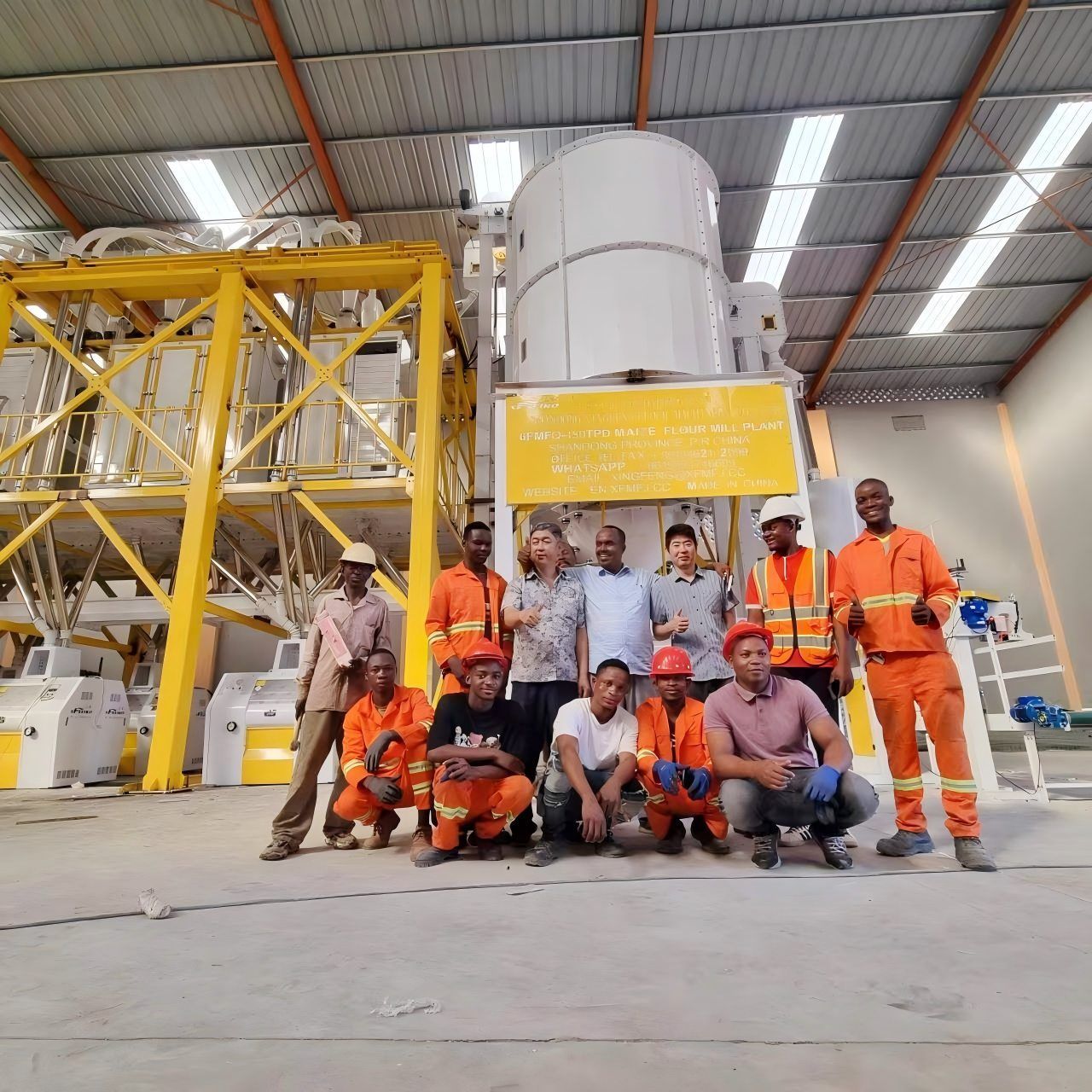
Ask for capacity data, motor power, material specifications, spare parts lists, installation support, warranty terms, and references from operating plants.
Use representative maize. Measure input weight, flour output, bran output, power consumption, moisture, particle size, and packing accuracy.
Operators should learn cleaning, machine adjustment, safe start-up and shutdown, lubrication, sieve replacement, and emergency procedures.
Begin with confirmed customers. Increase production after the business reaches stable sales and has reliable grain supply.
| Test item | Target or record |
|---|---|
| Raw maize input | Record total kilograms processed during the test |
| Finished flour output | Record kilograms and calculate extraction rate |
| Bran and germ output | Record quantity and check separation quality |
| Flour moisture | Measure with a calibrated moisture meter |
| Particle size | Check with standard test sieves selected for the product |
| Package weight | Weigh sample bags and compare with the label weight |
| Power consumption | Record kilowatt-hours per ton of raw maize |
| Noise, vibration, and temperature | Inspect during continuous operation |
| Dust leakage | Inspect ducts, seals, filters, and transfer points |
| Emergency protection | Test overload protection, guards, and emergency stops |
Reduce this risk by stating raw input, flour output, operating hours, and extraction rate in the purchase agreement.
Use supplier approval, incoming sampling, moisture testing, proper storage, and regular inspection for mold and insects.
Production does not create sales by itself. Plan delivery vehicles, warehouse space, package design, labels, and retailer margins.
Keep spare screens, belts, bearings, electrical protection parts, roller components, and sealing machine parts in stock.
Different customers may need different particle sizes and extraction rates. A plansifter with separate outlets can support more than one flour grade.
A 20TPD Maize Flour Mill Plant is enough for many start-up milling businesses that serve a local or regional market. It can process about 20 tons of raw maize per day and produce about 15 to 17 tons of flour, depending on the process design. It also offers a manageable scale for testing products, building a customer base, and controlling operating risk.
The plant is not automatically the correct choice. The owner must confirm daily demand, maize supply, factory space, electrical capacity, product standards, labor, packaging, and working capital. A proper production test and a complete cost calculation are essential. With accurate market research and suitable equipment from a supplier such as Xingfeng, a 20TPD maize flour mill plant can provide a practical foundation for long-term maize milling business growth.

January. 01, 2024

March. 03, 2026

February. 02, 2024

August. 08, 2024
How to Use Wheat Flour Mill Plant Correctly?
This article provides a comprehensive guide on how to use a wheat flour mill plant correctly.

June. 06, 2025

July. 07, 2024