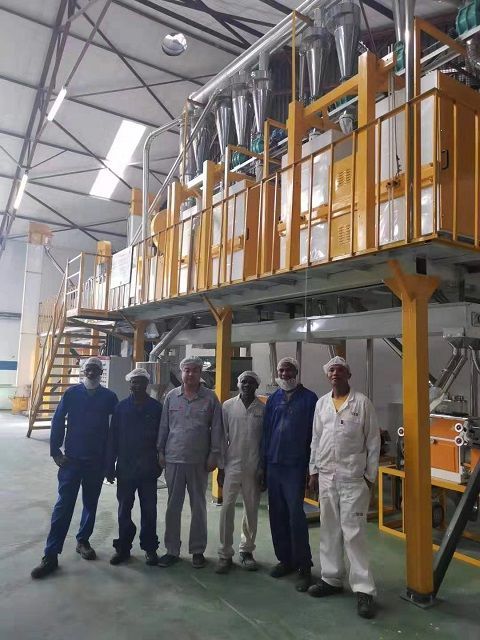
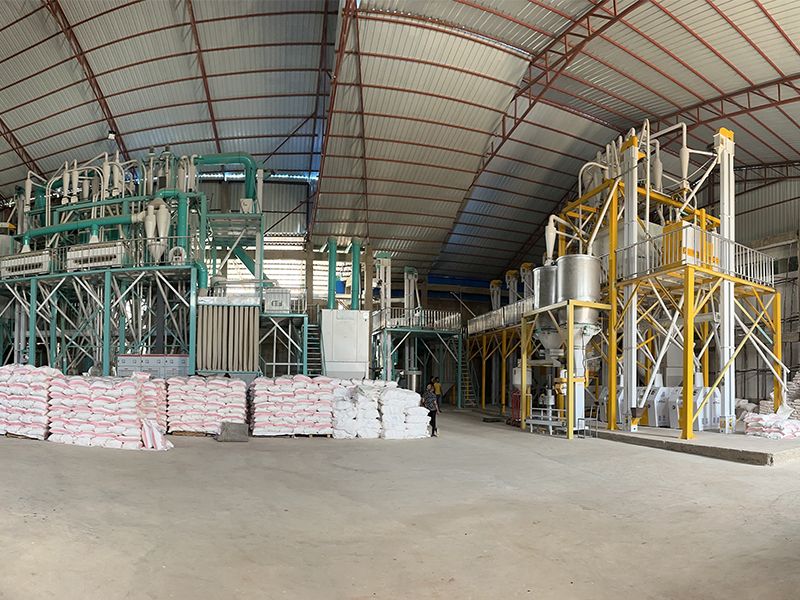
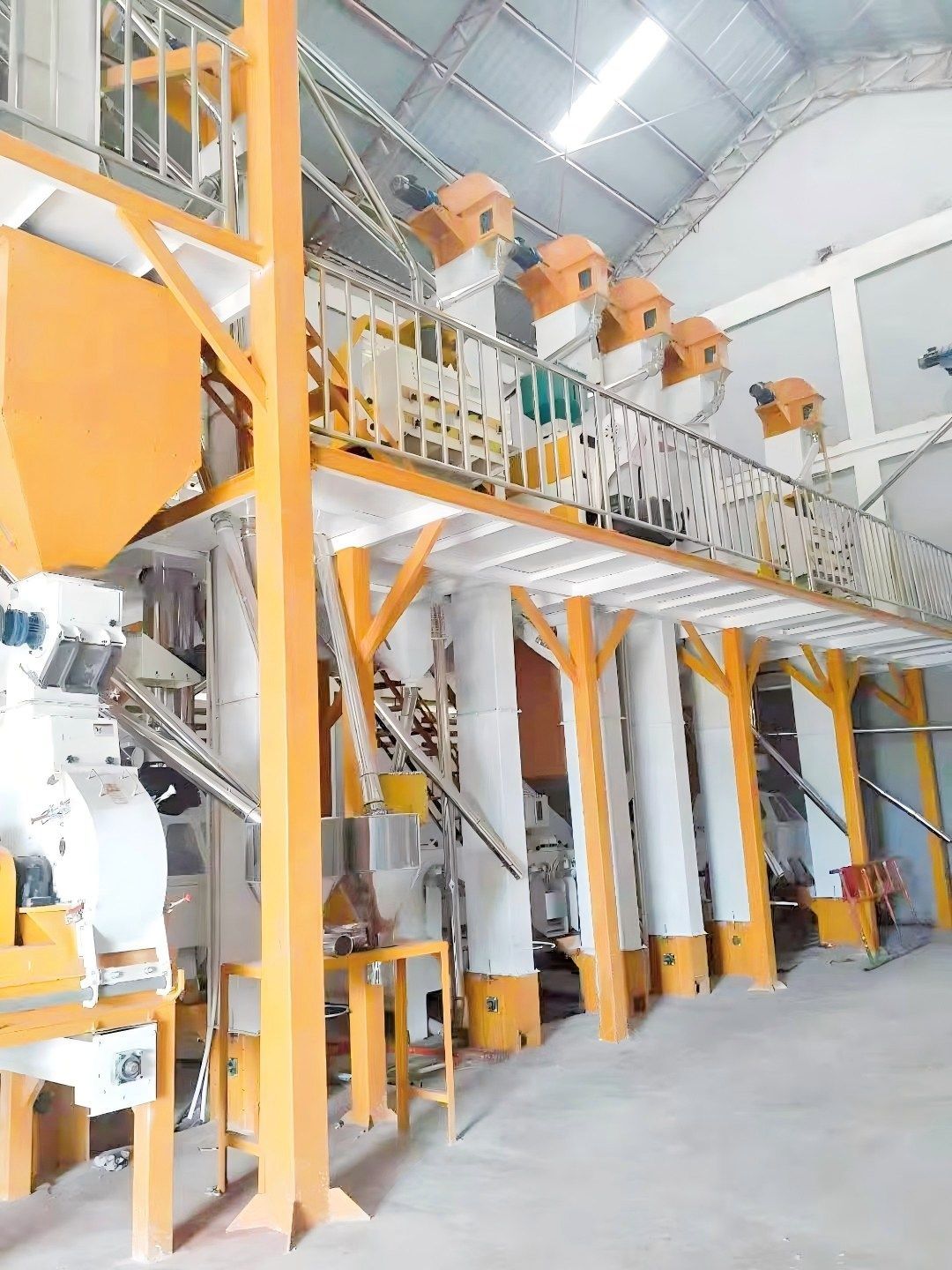
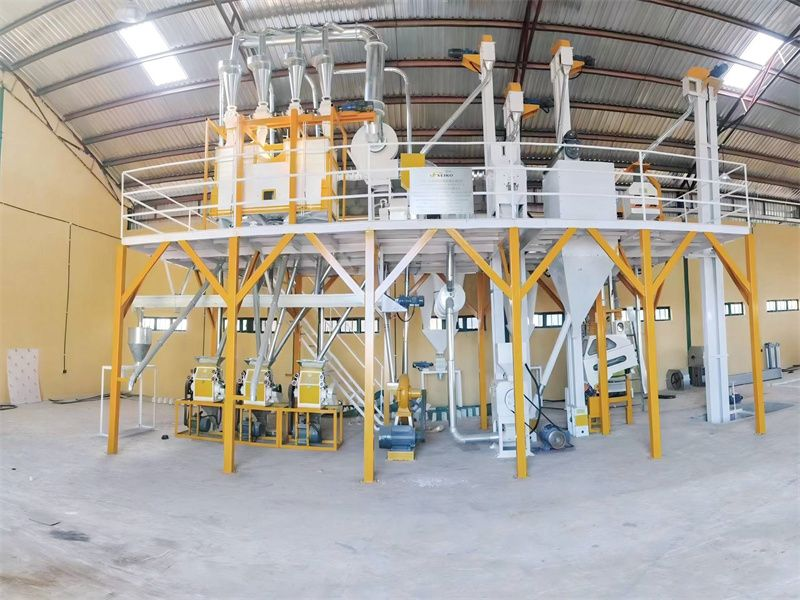
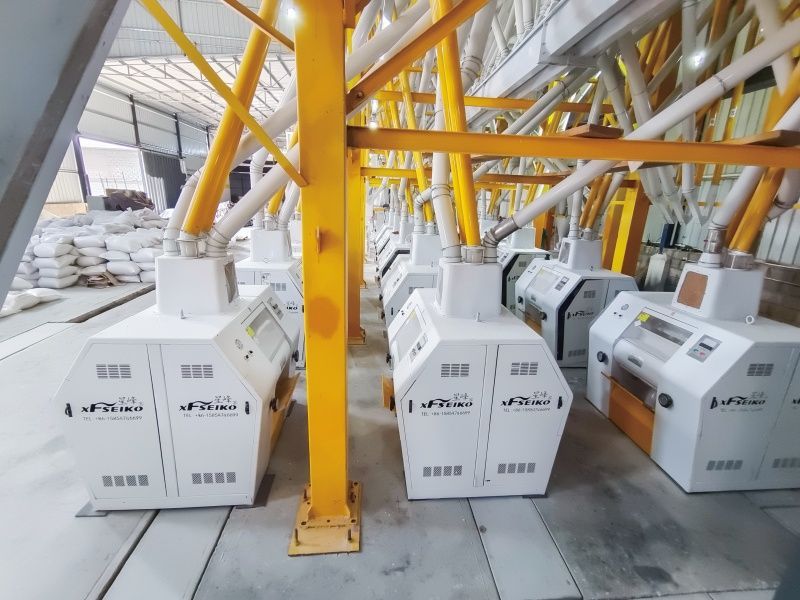
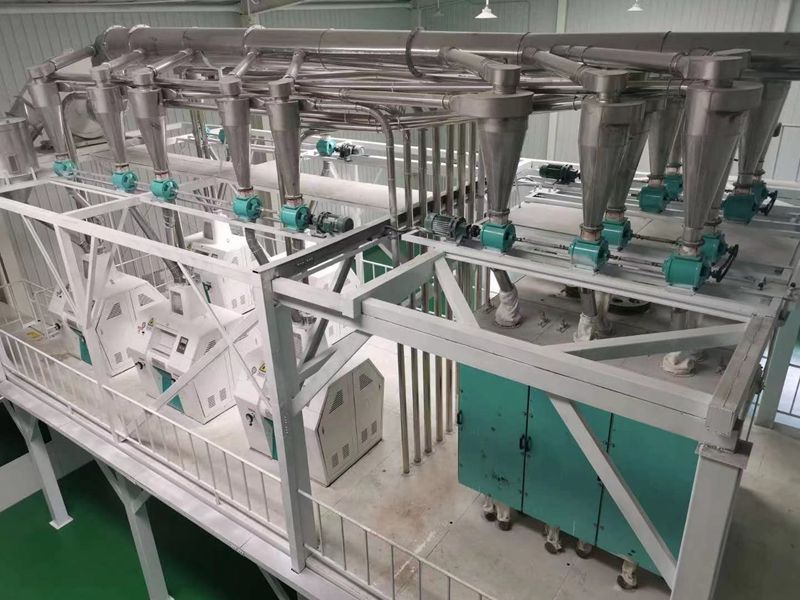
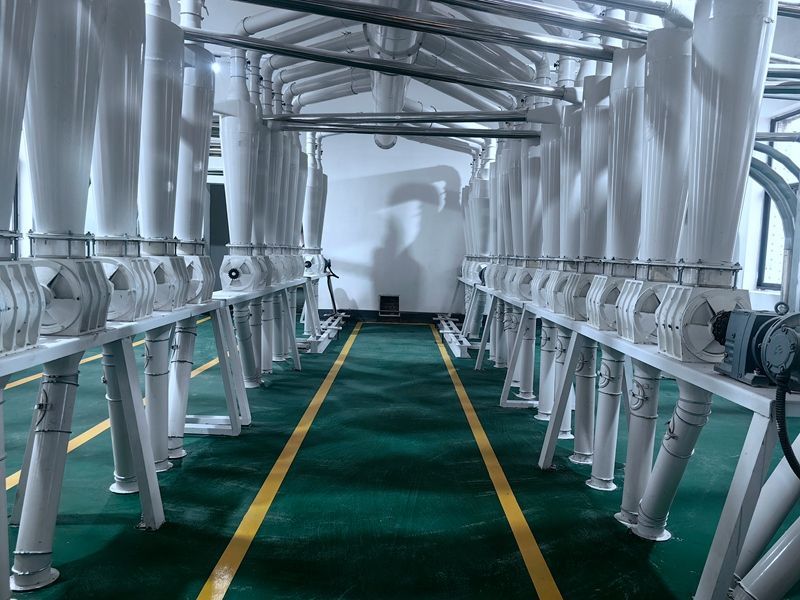
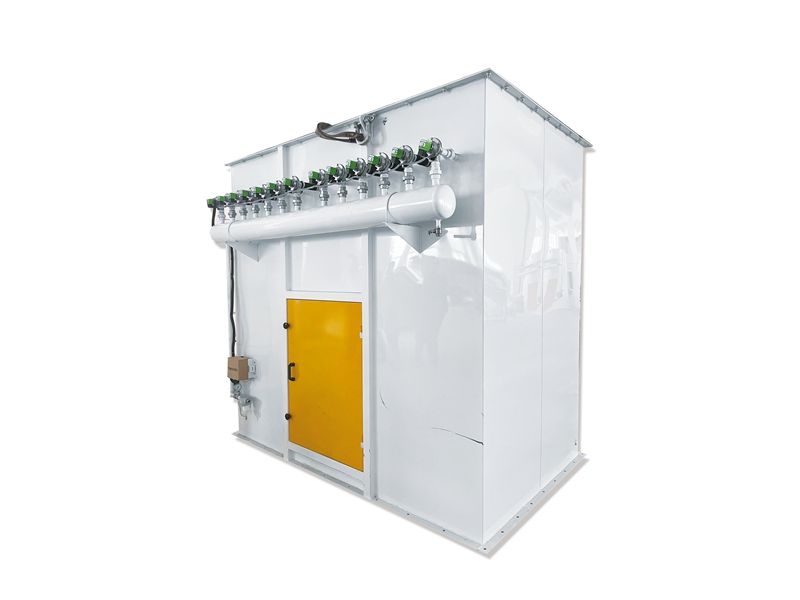
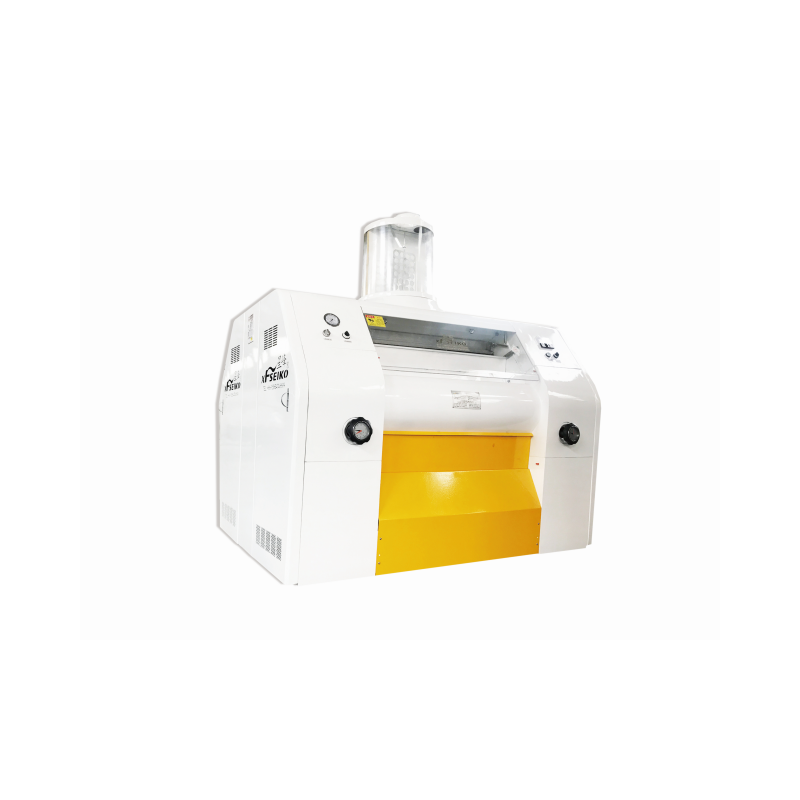
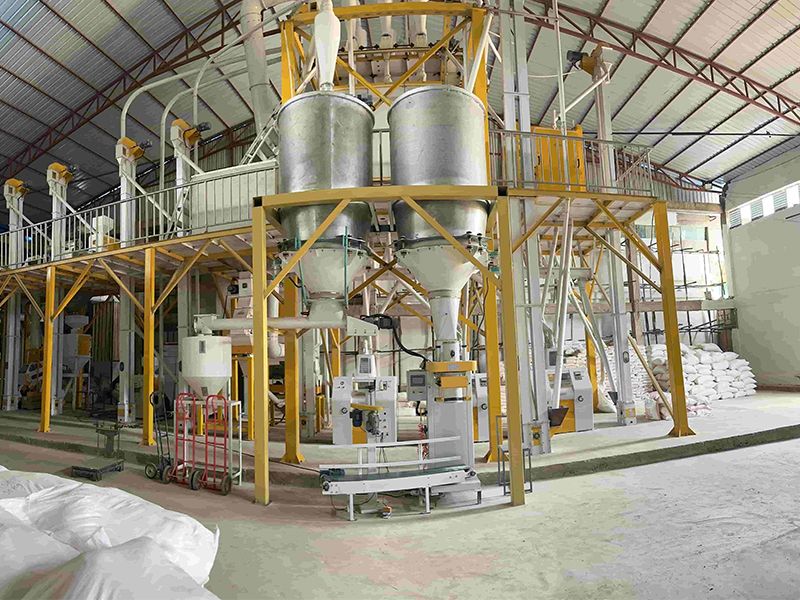
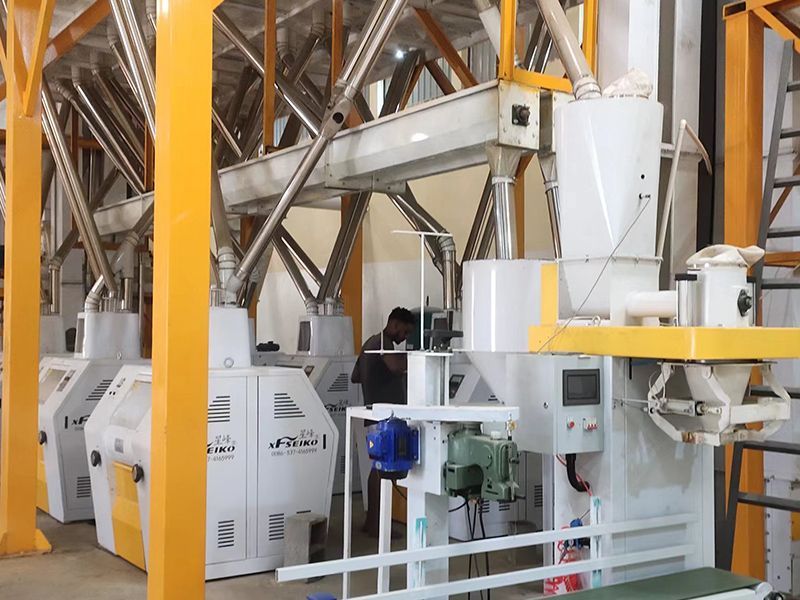
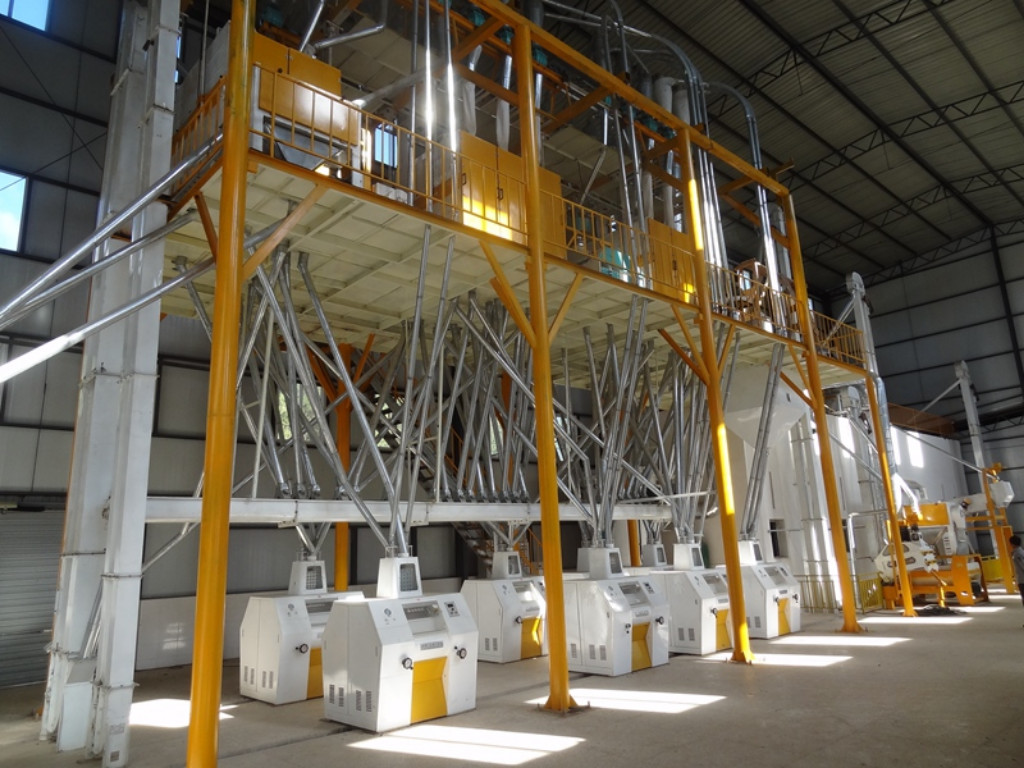
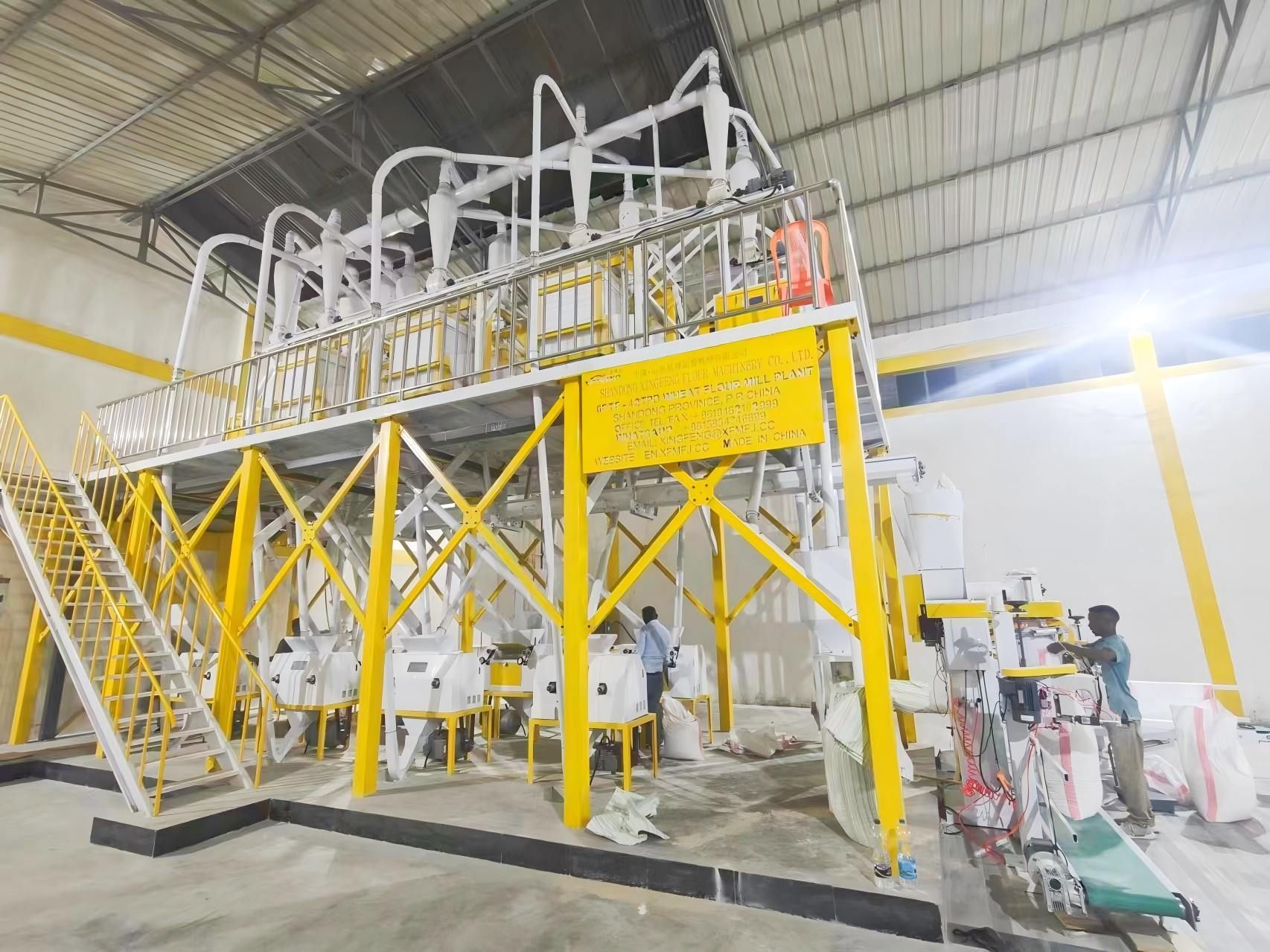
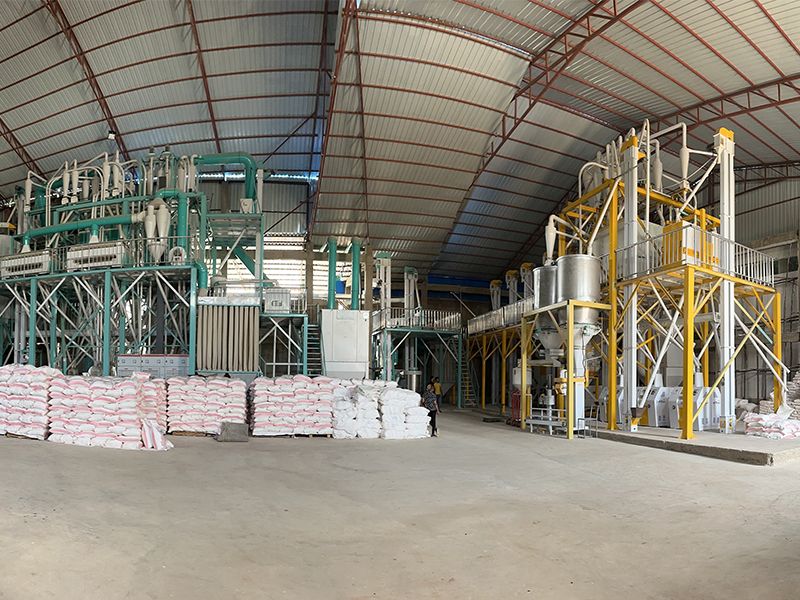
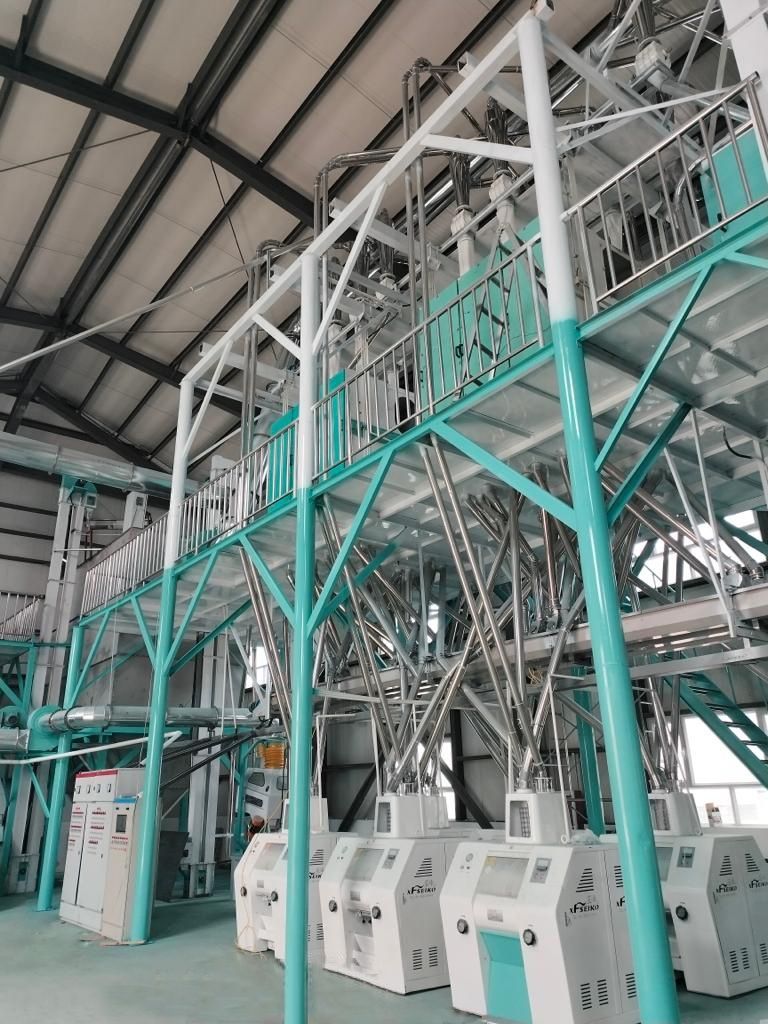
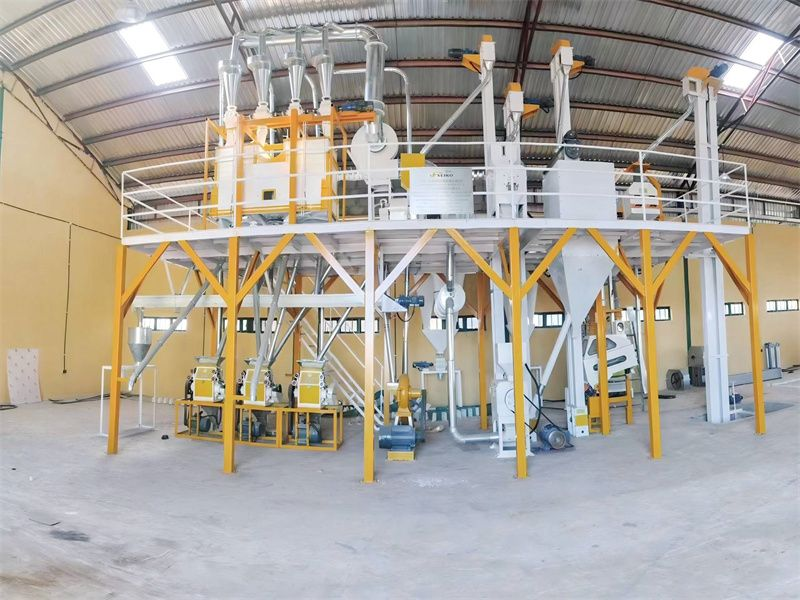
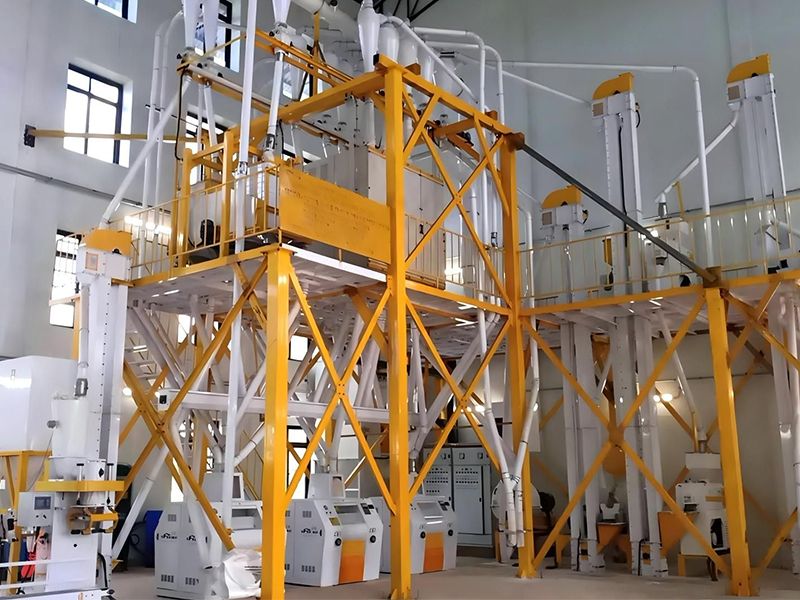
For operators planning or optimizing a 42TPD Wheat Flour Mill Plant, wheat cleaning and conditioning are two of the most important controls for improving flour extraction rate. A well-designed process removes impurities, protects the equipment, separates sound wheat from low-quality kernels, and prepares the bran for clean peeling during milling. This guide explains the practical steps, equipment, calculations, operating controls, and common mistakes that help a mill produce more saleable flour from every ton of wheat.

Flour extraction rate is usually calculated by comparing the weight of finished flour with the weight of wheat entering the mill after an agreed basis of measurement has been established.
Basic formula:
Flour extraction rate = Finished flour weight / Wheat input weight x 100
For example, if a mill produces 780 kilograms of flour from 1,000 kilograms of clean wheat, the flour extraction rate is 78 percent. The remaining material may include bran, shorts, germ, screenings, moisture loss, and process waste.
A higher extraction rate does not automatically mean a better milling result. Excessive extraction can increase flour ash, bran specks, color variation, microbial risk, and customer complaints. The practical target is the highest extraction rate that still meets the required flour grade and food safety specification.
Mill operators should monitor several results together:
Cleaning mainly improves the quality and consistency of the wheat entering the grinding system. Conditioning mainly changes the physical behavior of the wheat kernel and bran during grinding and separation.
Foreign materials occupy space in the process, interfere with roll settings, and can reduce the effective capacity of the mill. Stones and metal can damage expensive equipment. Dust and light impurities can overload aspiration systems. Weed seeds and damaged kernels can affect flour color, odor, taste, and food safety.
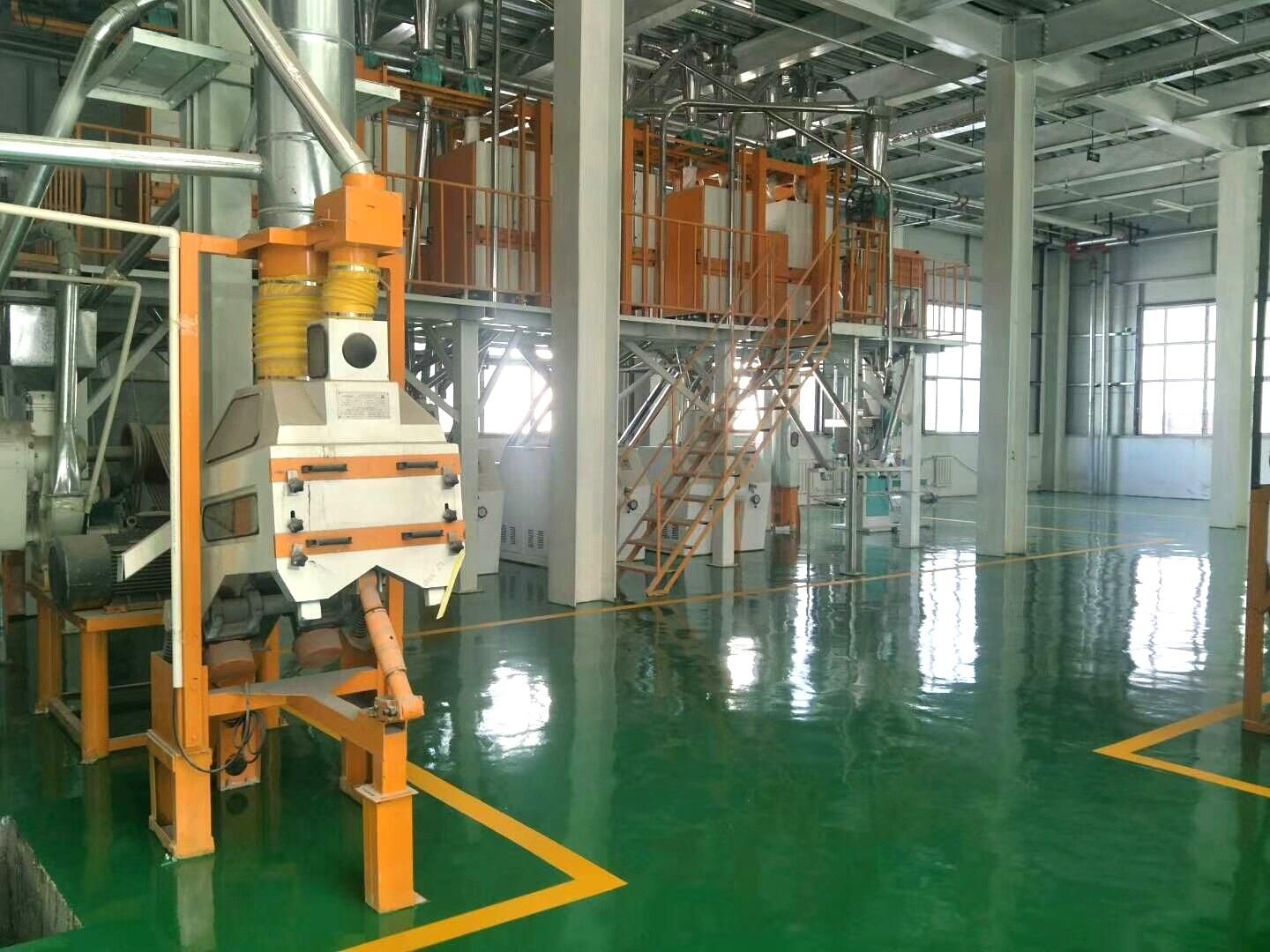
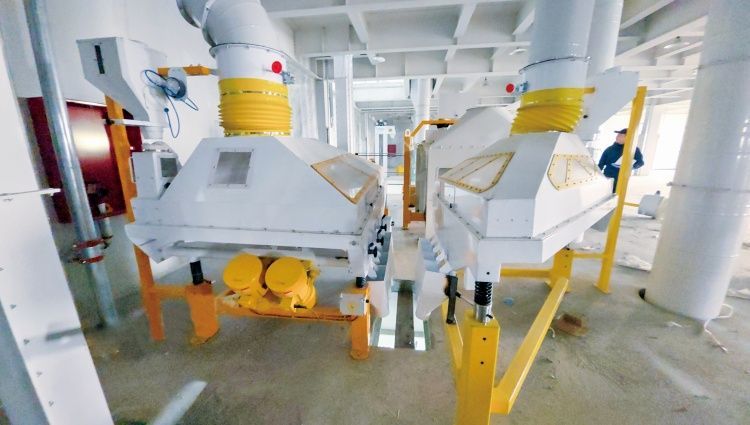
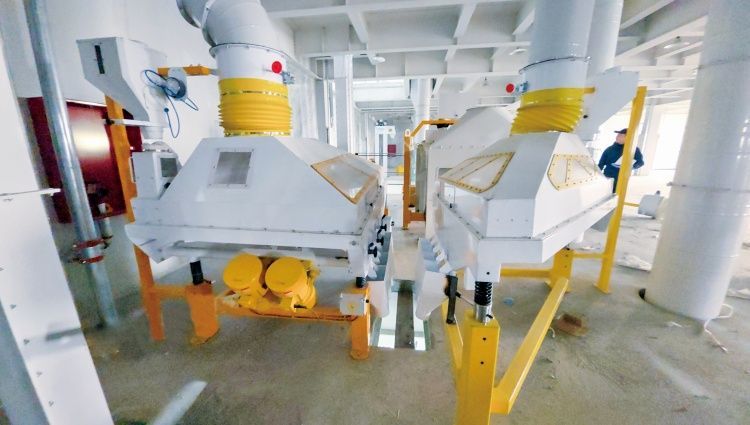
A typical wheat cleaning system may include the following equipment:
A destoner separates heavy materials from wheat by using vibration, airflow, and a sloped deck. The objective is not simply to remove stones. It is also to prevent good wheat from being discharged with the stone fraction.
Check the destoner by inspecting both outlets:
Scouring removes loose dirt, dust, outer skin particles, insect fragments, and some surface microorganisms. This step can improve flour color and reduce contamination. However, excessive scouring can break kernels, increase fine bran, and create unnecessary losses.
Use a moderate setting based on wheat hardness, moisture, and surface condition. A high scouring intensity may appear to improve cleaning but can reduce extraction by producing more screenings and bran powder before the main grinding process begins.
Aspiration separates light particles from heavier wheat. If airflow is too low, dust and husk remain in the product. If airflow is too high, small wheat kernels and useful endosperm may be removed with the waste stream.
Operators should inspect the aspiration waste every shift. Excessive wheat in the waste indicates that the fan, air gate, product feed, or separator setting requires adjustment.
Clean wheat flows more consistently through the first break rolls, sifters, and purifiers. Stable feed allows the operator to maintain a closer roll setting and more accurate product distribution. This improves the recovery of flour from the endosperm while limiting bran contamination.
During conditioning, water moves into the wheat kernel. The bran absorbs moisture and becomes more flexible. The endosperm becomes easier to separate and reduce into flour. This difference in physical behavior is essential for high extraction milling.
Without adequate conditioning, bran can shatter into small particles that are difficult to remove from flour. With excessive conditioning, the wheat may become sticky, flow poorly, or require more energy to grind.
Use a calibrated moisture meter to measure representative samples from the wheat intake. Do not rely on a single sample taken from the surface of a truck or storage bin. Collect samples from several points and mix them before testing.
Record the following information:
The target moisture depends on wheat type, hardness, product specification, equipment design, and conditioning time. Hard wheat generally requires more time for moisture migration than soft wheat. A mill should establish its target through trials rather than applying one fixed setting to every wheat lot.
A common water addition calculation is:
Water to add in kilograms = Wheat weight x Target moisture increase / (100 - Target moisture increase)
For example, if 1,000 kilograms of wheat at 12.5 percent moisture must be increased to 15.5 percent moisture, the approximate water addition is:
Water to add = 1,000 x 3.0 / 97.0 = 30.9 kilograms
This calculation is a starting point. Actual settings must be verified through laboratory testing and production results.
Use a controlled water dosing system, spray nozzle, or intensive dampener that distributes water over the full product flow. Uneven water distribution creates a mixture of over-conditioned and under-conditioned kernels. This produces unstable break release and inconsistent flour quality.
Check the following points:
After water addition, wheat must rest in conditioning bins or flow-through chambers. Resting time allows moisture to move from the surface toward the center of the kernel. The required time varies according to wheat hardness, initial moisture, water addition, temperature, and mill design.
Typical operating practice may include:
The operator should not judge conditioning only by the clock. Examine the kernel after resting and compare break behavior, bran flexibility, flour ash, and extraction rate.
Take samples from the conditioned wheat outlet and inspect them before the first break passage. The wheat should have reasonably uniform moisture. It should not show wet clumps, dry centers, excessive surface water, or a large number of broken kernels.
A properly conditioned kernel usually produces:
Write down the required flour grade, ash limit, moisture range, color target, protein specification, and expected extraction rate. A mill cannot optimize extraction accurately if the product requirements are unclear.
Separate the target into:
Collect a representative sample from each incoming lot. Test moisture, test weight, foreign material, damaged kernels, kernel hardness, protein, gluten, and falling number when applicable.
Do not combine wheat lots with significantly different properties until the blend has been tested. A change in hardness or moisture can affect cleaning efficiency, water absorption, break release, and final flour quality.
Adjust the cleaning machines from the intake toward the dampening section. Begin with large-particle removal, then light-particle removal, metal separation, heavy-particle separation, size separation, and surface cleaning.
At each machine:
Run the water pump for a measured period and collect the discharge in a container. Weigh the water and compare the result with the displayed setting. Repeat the test at low, medium, and high flow rates if the equipment allows variable production.
Calibrate the wheat flow meter at the same time. Water dosage errors often occur because the system is dosing for a theoretical capacity rather than the actual wheat flow.
For each wheat type or blend, record the initial moisture, target moisture, water addition, temperature, and resting time. Start with a moderate recipe and change only one variable at a time.
Use a production trial such as:
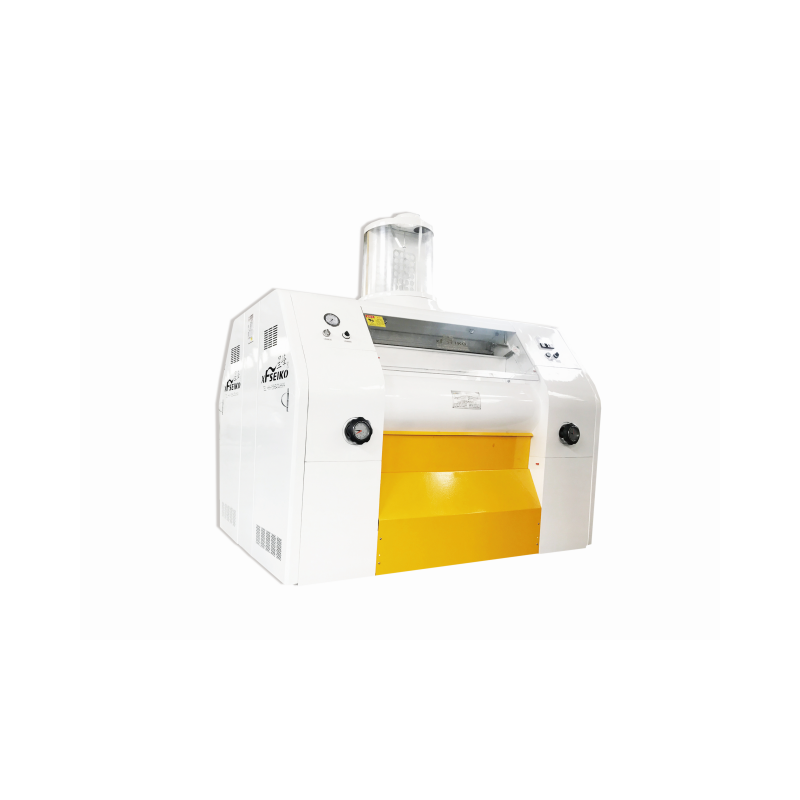
The first break system should open the kernel and release endosperm without pulverizing the bran. If the roll gap is too tight, bran becomes fragmented and flour ash rises. If the gap is too wide, too much endosperm remains attached to bran and extraction falls.
Check:
Sifters and purifiers separate flour, semolina, middlings, and bran. If the sieve cloth is blocked, damaged, or incorrectly selected, valuable flour may remain in the reject stream. If the purifier airflow is too high, fine endosperm may be lost with bran. If airflow is too low, bran particles may enter the flour stream.
Inspect the following:
Do not change settings based only on visual impressions. Weigh the input and output streams over a defined time period. Record the flour, bran, shorts, screenings, and process loss.
Use a production record that includes:
Reliable sampling is essential because a poor sample can lead to incorrect process decisions. Keep the following tools available:
A basic mill laboratory should be able to compare process changes objectively. Useful tools include:
A simple production spreadsheet or paper log can reveal patterns that are not visible during a single shift. Record extraction and flour quality by wheat lot, operator, machine setting, and season. This information helps the purchasing group compare wheat suppliers and helps maintenance teams identify equipment-related losses.
Wheat moisture changes from lot to lot. Applying the same water addition to every batch can produce under-conditioned or over-conditioned wheat. Always measure incoming moisture and calculate the required addition.
The correct total amount of water will not produce the correct result if it is not evenly distributed. Blocked nozzles, poor mixing, unstable water pressure, and inconsistent wheat flow can all create uneven conditioning.
Over-scouring can damage kernels and create fine bran. The process may look cleaner, but the mill may lose usable endosperm before grinding. Inspect the waste for sound wheat and adjust the machine according to wheat condition.
High airflow can remove small wheat kernels, light endosperm particles, and valuable product. Compare the aspiration waste with the incoming wheat and reduce airflow if excessive wheat is being discharged.
If the operator changes water addition, resting time, roll gap, sieve cloth, and purifier airflow at once, it becomes impossible to identify which change produced the result. Adjust one main variable at a time and record the outcome.
Total output can increase while flour quality becomes unacceptable. Check extraction together with ash, moisture, color, bran specks, and customer requirements.
Bridging causes some wheat to remain in the bin too long while other wheat passes through too quickly. Segregation can also create differences in moisture and hardness. Keep bin levels stable and inspect discharge points for uneven flow.
Blocked screens, broken sieve cloth, worn purifier parts, and dirty aspiration channels reduce separation efficiency. A small opening or airflow problem can send valuable flour into bran or return bran to the flour stream.
An inaccurate moisture meter or scale can cause incorrect water addition and misleading extraction calculations. Check calibration at a planned frequency and verify unusual readings with a second method.
A sudden drop usually indicates a machine, flow, or measurement problem rather than a slow change in wheat behavior.
Check these points in order:
This condition often indicates poor endosperm release or inadequate reduction of middlings. The wheat may be under-conditioned, the break rolls may be too open, or the purifier and reduction system may not be recovering the available endosperm.
Possible corrective actions include:
This usually means that too much outer kernel material is entering the flour. Possible causes include excessive roll pressure, insufficient conditioning, excessive bran breakage, incorrect sieve selection, or excessive extraction beyond the required flour grade.
Corrective actions may include:
The cleaning section must handle the actual wheat intake without creating a bottleneck. A nominal 42TPD Wheat Flour Mill Plant should be evaluated according to operating hours, daily feed rate, cleaning loss, conditioning bin capacity, and expected wheat variation.
Ask the supplier for the following information:
Different suppliers may calculate extraction using different bases. One quotation may use incoming wheat weight, while another may use cleaned wheat weight. Some may exclude screenings or moisture loss. Request a clear mass balance showing:
Only compare extraction rates when the wheat quality, moisture basis, product specification, and measurement method are the same.
Purchasing groups often need a plant that can operate reliably with local labor, variable wheat supply, limited maintenance resources, and changing customer demand. A slightly lower theoretical extraction rate may deliver better annual profit if the plant has fewer stoppages, easier cleaning, better spare part availability, and more stable flour quality.
Important purchasing questions include:
The most reliable way to improve flour extraction is to control the complete chain: representative wheat sampling, effective cleaning, accurate water addition, adequate resting time, gentle bran handling, correct roll settings, efficient sifting, and regular laboratory verification.
The key actions are:
For buyers and operators of a 42TPD Wheat Flour Mill Plant, the best investment is not simply the machine with the highest advertised output. It is a complete cleaning, conditioning, milling, and quality control system that delivers stable extraction from the wheat available in the local market. Xingfeng can help mills evaluate the wheat process, select suitable equipment, and build a practical operating plan for consistent flour production.
< Previous: None
> Next: Structural Planning for a 150–200TPD Maize Flour Mill Plant

February. 02, 2024

June. 06, 2025

January. 01, 2024

March. 03, 2026

July. 07, 2024