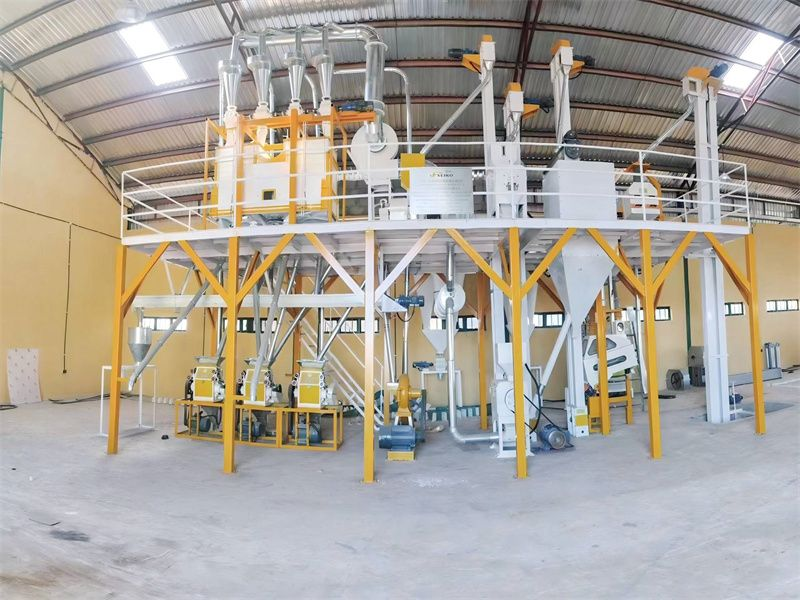
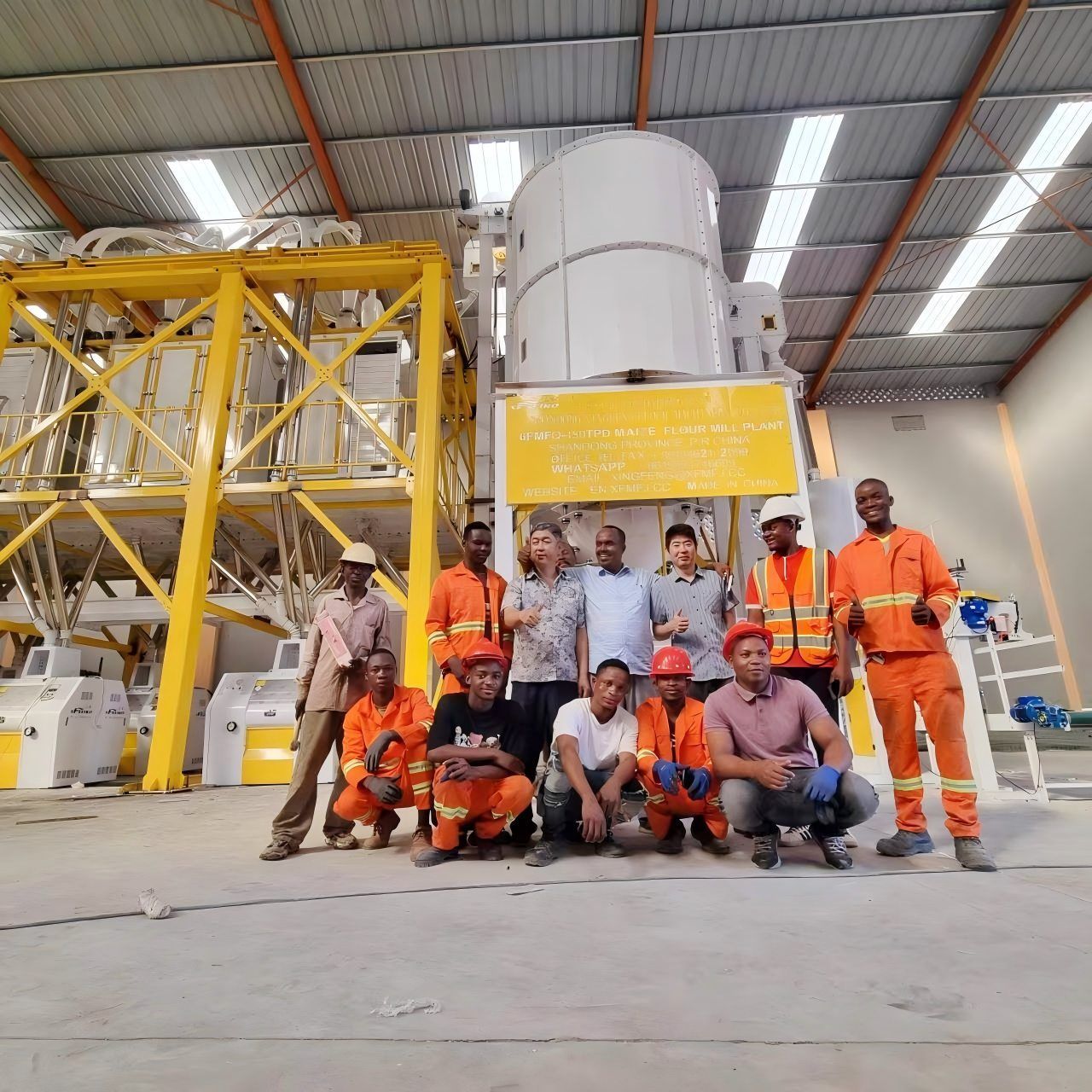
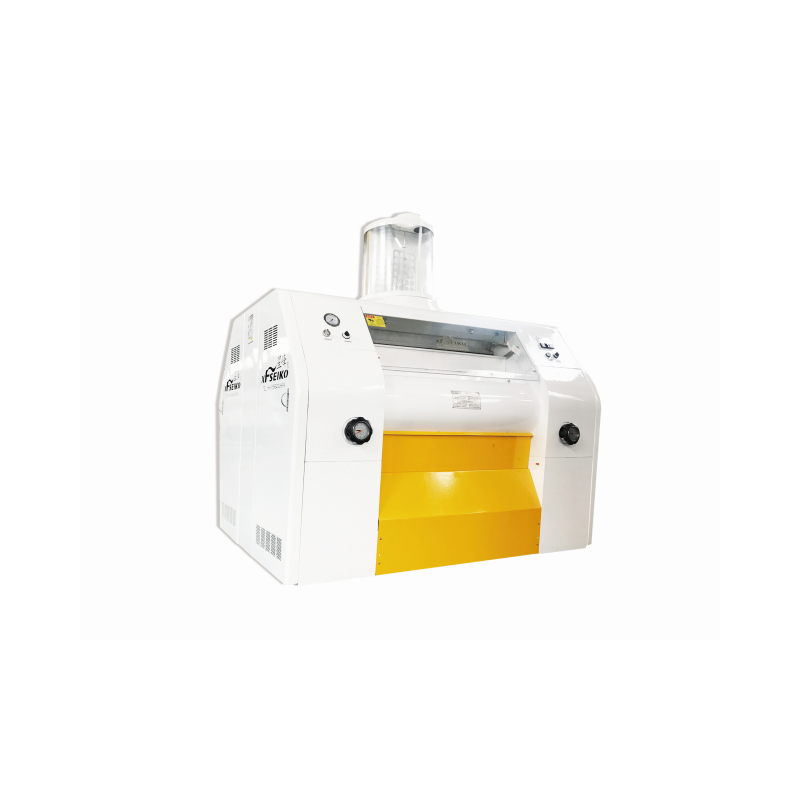
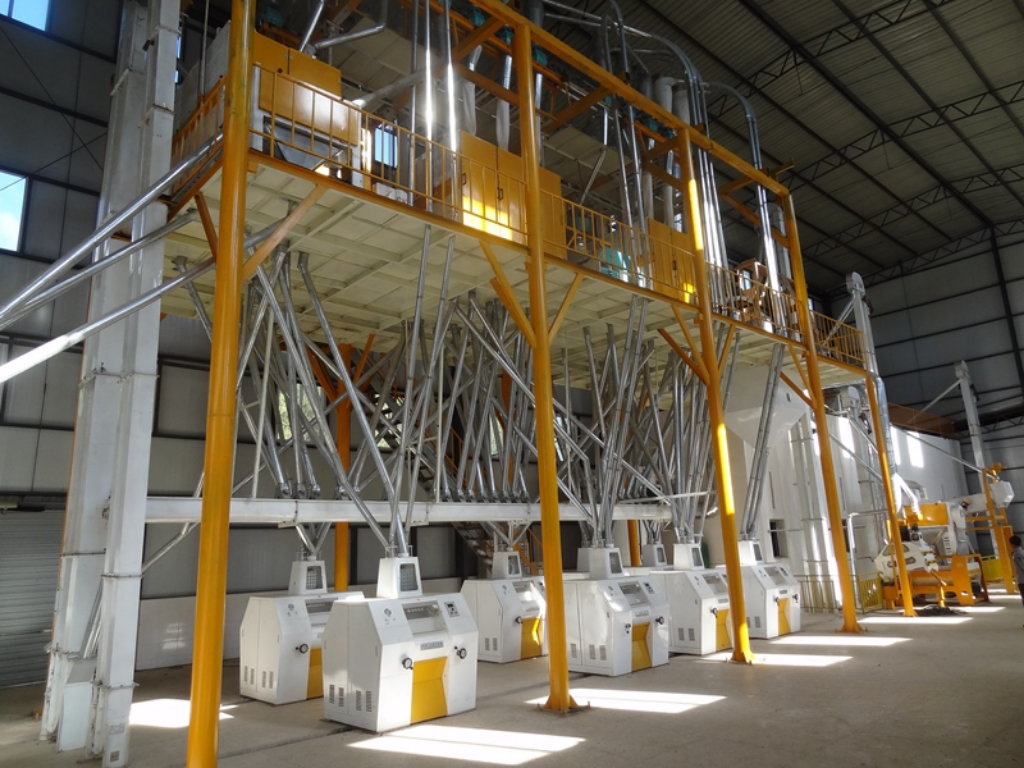
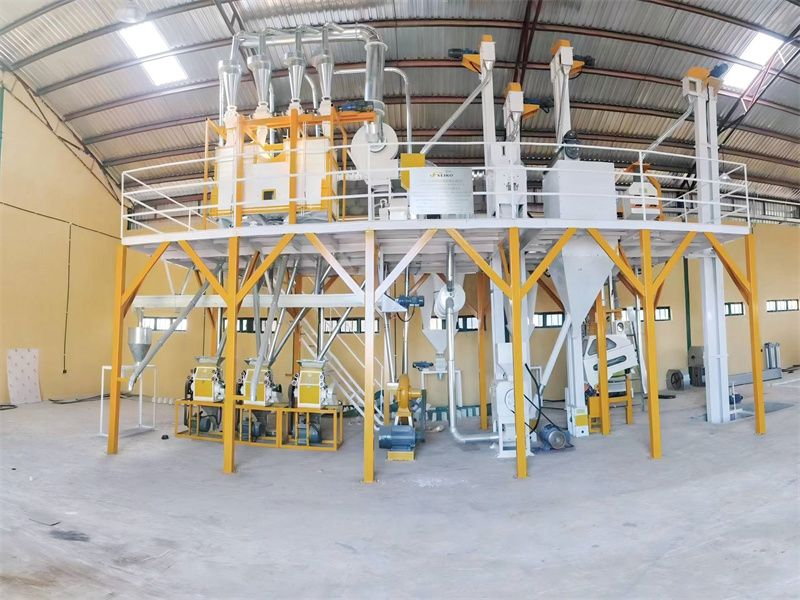
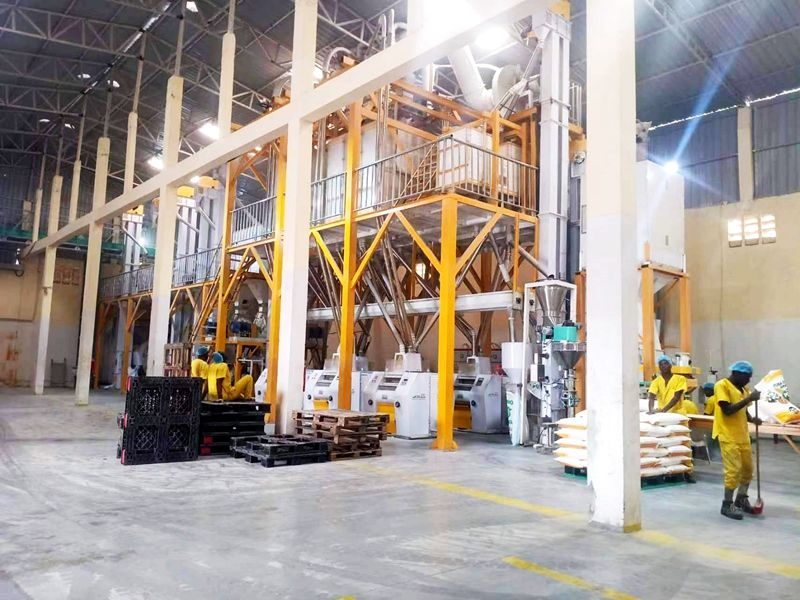
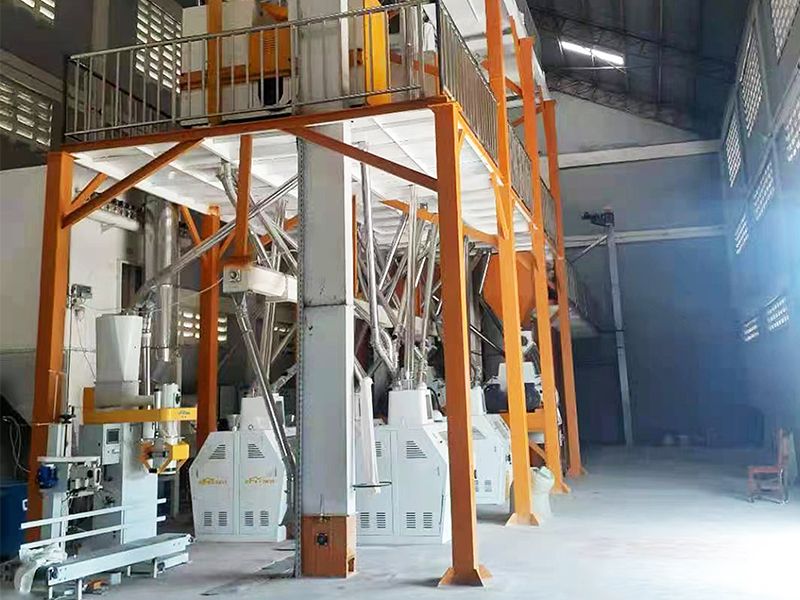
With a properly configured 62TPD Wheat Flour Mill Plant, we can control flour grade and ash content by coordinating wheat conditioning, roller gap, roll differential, sieve selection, and stock-flow management. In this practical guide, I will show how Xingfeng milling systems can be adjusted step by step to produce stable low-ash flour, higher-extraction flour, or specialized bakery grades while reducing bran contamination, energy waste, and quality complaints.
Flour grade is not determined by the roller mill alone. It is the result of the complete milling balance:
The central principle is simple: roller settings open the wheat kernel progressively, while sifters separate the released endosperm from bran, germ, and oversized particles.
If the roll gap is too narrow, bran can be over-ground and mixed into flour. This commonly increases ash content, darkens flour color, and raises bran speck levels. If the gap is too wide, the endosperm remains attached to bran, reducing extraction rate and leaving excessive stock for later passages.
In a modern 62TPD Wheat Flour Mill Plant, the target is not simply maximum flour output. The objective is controlled separation, stable flour quality, and commercially useful extraction.
Ash content represents the mineral residue remaining after flour is incinerated under controlled laboratory conditions. Since minerals are concentrated mainly in the bran and aleurone layers, ash is widely used as an indicator of bran contamination and flour refinement.
Typical commercial targets may include:
| Flour Type | Typical Ash Range* | Common Application |
|---|---|---|
| Premium white flour | 0.45–0.55% | Bread, noodles, premium bakery |
| Standard bread flour | 0.55–0.65% | Bread and general baking |
| High-extraction flour | 0.65–0.90% | Wholemeal-style or strong-flavor products |
| Bran-rich flour | Above 0.90% | Specialty and fiber-rich products |
*Actual specifications vary by wheat class, national regulation, customer requirements, and whether results are reported on a dry-matter basis.
We recommend testing ash according to ISO 2171 or an applicable AACC method, with moisture tested separately so the result can be converted consistently to a dry basis. A change from 0.52% to 0.65% ash may appear small, but for a commercial mill it can indicate significant differences in bran separation, sieve performance, or stream blending.
The first break rolls should open the kernel without excessively pulverizing the bran. The following reduction rolls should gradually reduce purified endosperm into flour.
Poor adjustment can create two opposite problems:
Therefore, we should evaluate the material after every major passage rather than adjusting only the final flour outlet.
Before adjusting the rollers, we first need stable wheat preparation. Dirt, stones, metal, dust, and surface contaminants can distort ash results and damage rolls.
A practical preparation sequence includes:
For many hard wheats, tempering may require approximately 18–24 hours, while softer wheat may require less time. The correct value depends on kernel hardness, initial moisture, ambient conditions, and the desired bran toughness.
Conditioning should make the bran elastic and the endosperm friable. If the wheat is under-tempered, bran breaks easily and contaminates flour. If it is over-tempered, the endosperm may remain too tough and reduce milling efficiency.
We should record:
The break system separates the endosperm from the bran. The first break should open the kernel and release large endosperm pieces rather than produce excessive bran powder.
Important parameters include:
The exact gap depends on wheat and machine design, so we should not use one fixed setting for every crop. Instead, start from the equipment manufacturer’s recommended range and adjust according to product analysis.
A practical inspection method is to examine the break stock after each passage:
On a Xingfeng installation, we can use calibrated adjustment mechanisms and document roller positions. Where the design permits, a roller adjustment resolution of 0.01 mm can help operators reproduce settings, although actual milling performance still depends on wheat properties and feed conditions.
After each break passage, the plansifter separates the material into flour, semolina, middlings, and oversize particles. This classification determines which material goes to purification, reduction, or further break grinding.
A typical break-sifter evaluation should include:
The sifter must be correctly loaded. Overloading reduces separation efficiency and can force high-ash material into the flour stream. Underloading may waste screen area and increase unnecessary recirculation.
We should inspect sieve cloth and frames at least once per shift in demanding production environments. A damaged or incorrectly installed sieve can change flour grade immediately.
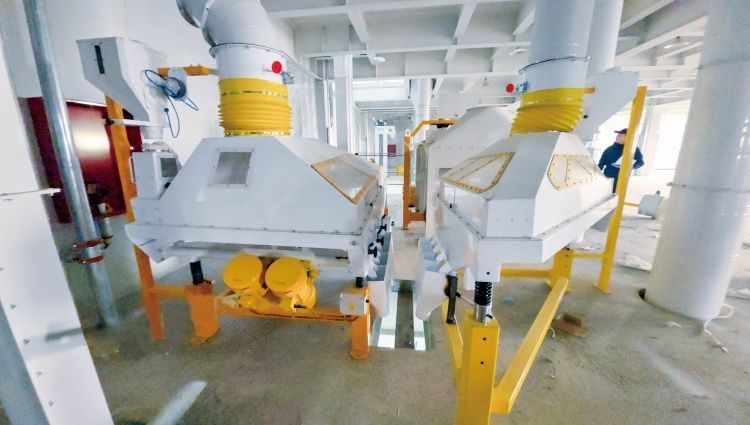
Purifiers use controlled air separation to remove light bran particles from relatively heavy endosperm particles. This is especially important when producing low-ash flour.
Purifier performance depends on:
If airflow is too low, bran remains with the middlings and raises ash in reduction flour. If airflow is too high, valuable endosperm may be carried into the bran stream, reducing yield.
We should inspect the purifier tailings and purified stock. A useful operating target is not the maximum amount of material removed, but the best balance between low ash and acceptable endosperm recovery.
Reduction rolls convert purified semolina and middlings into flour. The rolls should work progressively through several passages rather than forcing all material through one tight gap.
We can use the following adjustment sequence:
A narrow reduction gap may increase flour production temporarily, but it can also create heat, excessive starch damage, and higher ash. Excessive starch damage may affect water absorption, dough handling, and finished-product volume.
For reliable operation, we should adjust one major variable at a time. Changing the roll gap, purifier airflow, sieve cloth, and blending ratio simultaneously makes it difficult to identify the actual cause of a quality change.
Sieve aperture controls which particles enter each flour stream. The correct selection depends on the required flour granulation, extraction target, and product application.
Common controls include:
The same roller setting can produce different commercial grades when the mill uses different stream combinations. For example, a premium low-ash flour may use only the cleanest first and middle reduction streams, while a standard flour may include selected later streams to improve extraction.
Stream blending is one of the most effective methods for maintaining a stable flour specification. Instead of sending every flour stream directly to one outlet, we can analyze and blend streams according to ash, color, moisture, protein, and particle size.
A blending plan may separate:
If one stream shows a sudden ash increase, operators can isolate it temporarily rather than allowing it to raise the ash content of the entire production batch.
For a 62TPD Wheat Flour Mill Plant, I recommend combining process checks with laboratory verification.
| Control Point | Recommended Check | Action if Out of Range |
|---|---|---|
| Wheat intake | Moisture, test weight, impurities | Reclean or adjust blending |
| After tempering | Moisture uniformity | Correct water addition or time |
| First break | Bran opening and endosperm release | Adjust gap or feed |
| Break flour | Ash and particle size | Review roll and sifter settings |
| Purifier stock | Bran separation | Adjust airflow and deck loading |
| Reduction flour | Ash, color, starch damage | Modify reduction sequence |
| Final blend | Ash, moisture, protein, granulation | Change stream ratio |
| Finished product | Batch release testing | Hold, rework, or approve |
Where required by the buyer, we can establish:
Ash testing should be performed using a validated method such as ISO 2171. Moisture measurement should follow the applicable cereal and flour testing procedure used by the customer or national authority. For mechanical components, dimensional inspection can be recorded to 0.01 mm, while surface finish, roll alignment, and bearing condition should be checked according to the equipment maintenance specification.
Likely causes include:
Recommended actions:
Possible causes include:
We should first measure where the material is being lost. Increasing roll pressure without identifying the loss point may reduce ash quality and increase energy consumption.
This usually indicates contamination from bran or aleurone particles. Check:
A colorimeter can support visual inspection, but operators should still examine the product under standardized lighting because speck distribution is not always reflected accurately by a single color value.
Different wheat varieties respond differently to the same settings. When changing wheat, we should avoid transferring the previous recipe without verification.
Use a controlled changeover procedure:
Xingfeng can help mill operators organize the process around repeatable settings rather than trial-and-error adjustments. Useful resources include:
For international projects, it is also useful to prepare a complete technical file containing the process flow diagram, equipment list, electrical load data, foundation drawings, spare-parts list, and commissioning checklist.
A well-managed 62TPD Wheat Flour Mill Plant should have clear responsibility at every stage. Operators control the process, laboratory staff verify results, and maintenance teams protect mechanical accuracy. This division reduces production interruptions and helps identify whether a quality problem is caused by raw material, process settings, equipment wear, or blending.
Before production:
During production:
After production:
The most reliable way to control flour grade and ash content is to manage the complete separation process. We should condition wheat correctly, open the kernel gently, classify stock through the plansifter, purify middlings, reduce endosperm progressively, and blend only the streams that meet the required specification.
For a 62TPD Wheat Flour Mill Plant, small changes in roller gap, roll differential, sieve loading, or purifier airflow can create measurable changes in extraction and ash. By recording settings, testing individual streams, and applying standards such as ISO 2171, we can turn those changes into controlled production decisions instead of unexpected quality problems.
With Xingfeng equipment and a disciplined operating procedure, milling businesses can achieve more consistent flour grade, lower bran contamination, improved extraction control, and faster troubleshooting. Start by sampling every major stream today, review the roller and sifter settings, and create an approved process sheet for each wheat blend and flour grade.

August. 08, 2024
How to Use Wheat Flour Mill Plant Correctly?
This article provides a comprehensive guide on how to use a wheat flour mill plant correctly.

February. 02, 2024

March. 03, 2026

July. 07, 2024

January. 01, 2024

June. 06, 2025