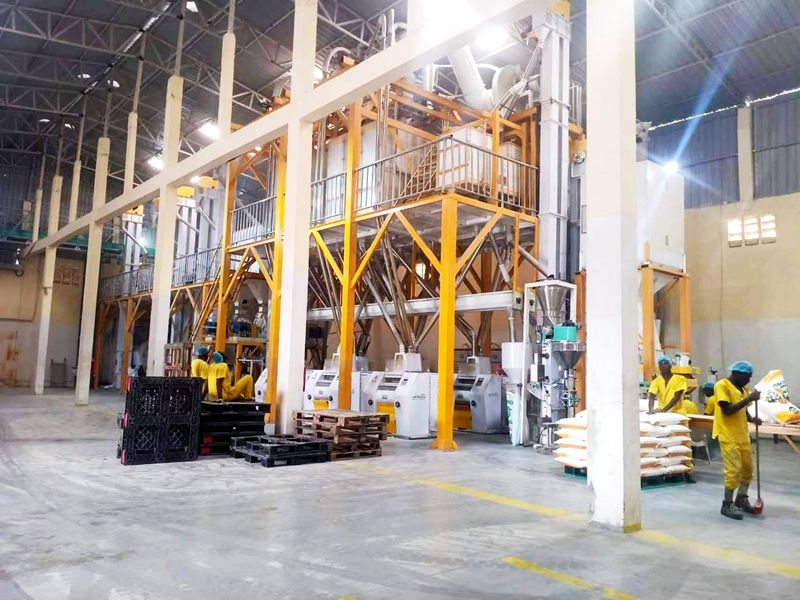
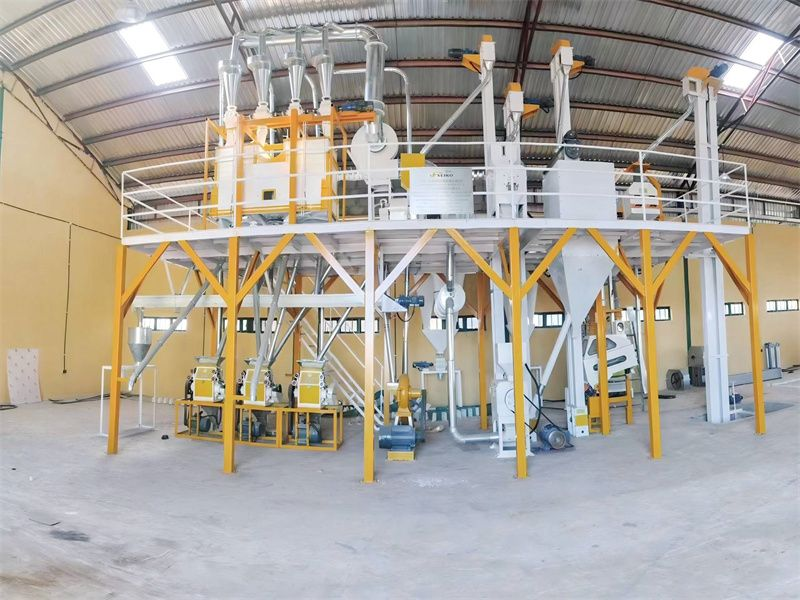
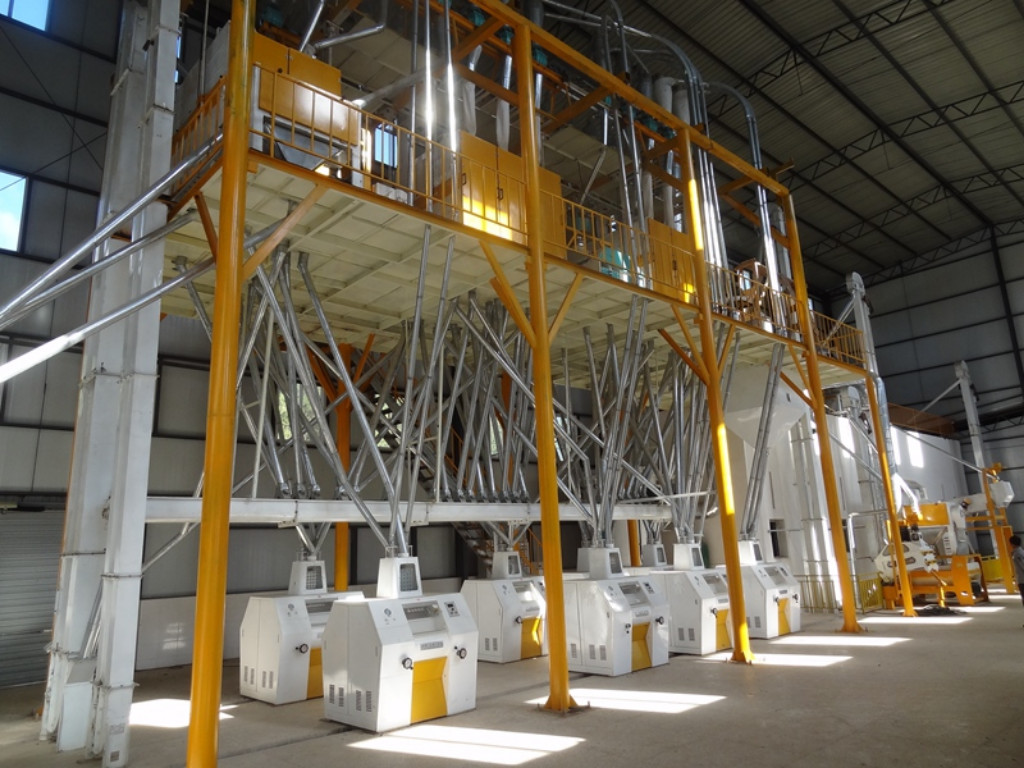
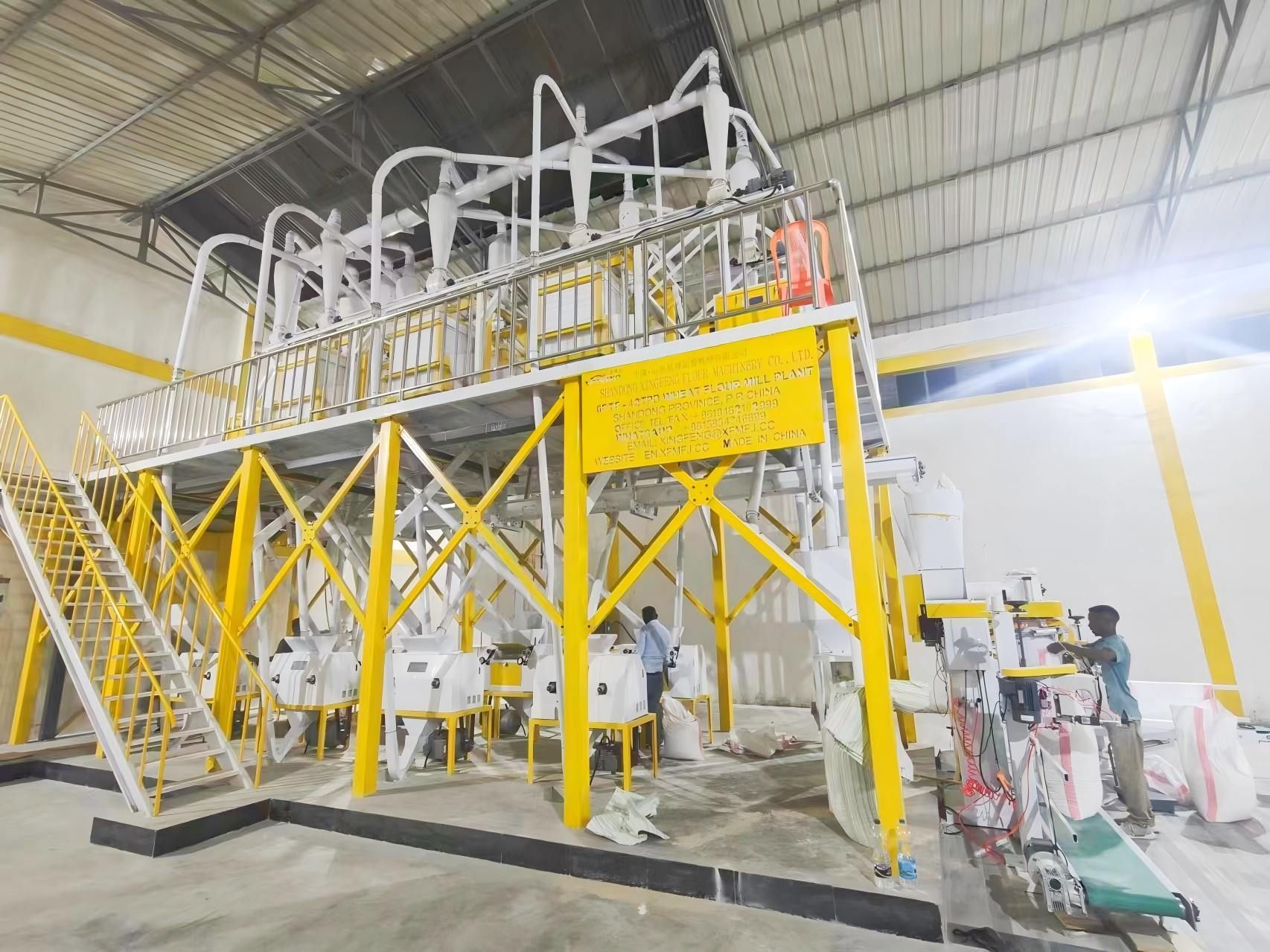
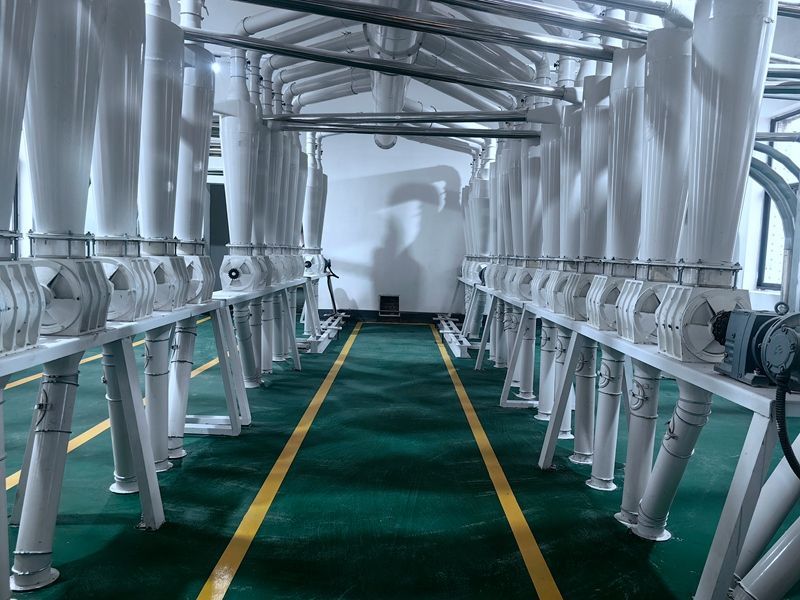
If you are planning a maize milling project, we can help you estimate power consumption, utilization, and cost per ton before purchasing equipment. By measuring actual throughput, calculating kWh per ton, controlling idle running, and selecting the right 100-120TPD Maize Flour Mill Plant configuration from Xingfeng, you can reduce energy waste and build a more predictable production cost model.
Plant capacity affects energy use in two different ways:
A motor, pneumatic conveying system, roller mill, purifier, plansifter, compressor, and dust collection system consume power even when the production line is underloaded. Therefore, a 120TPD line running at 50% utilization can have a higher kWh-per-ton figure than the same line operating at 85% utilization.
This is the central principle behind How Plant Capacity Affects Energy Use and Cost per Ton of Maize Flour: capacity alone does not determine profitability. The relationship between installed capacity, actual throughput, operating hours, and equipment efficiency is more important.
Use this formula to establish a reliable baseline:
Specific energy consumption = Total electrical energy consumed ÷ Finished maize flour output
For example:
To calculate electricity cost:
Electricity cost per ton = Specific energy consumption × Electricity tariff
If the tariff is US$0.12/kWh:
24 kWh/t × US$0.12/kWh = US$2.88 per ton
This calculation should be based on a calibrated energy meter and actual flour output, not only the motor nameplate rating.
A maize flour mill has both variable loads and fixed loads.
These loads increase with production volume:
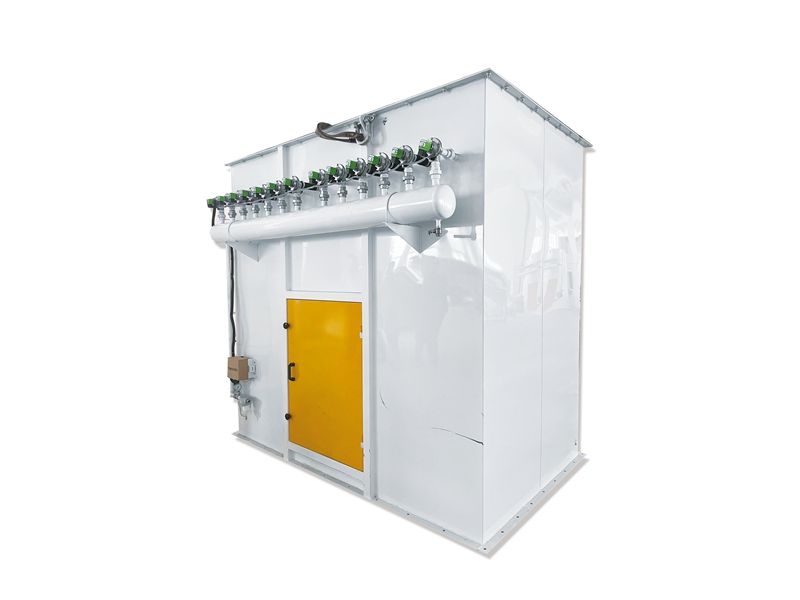
These systems consume energy even when throughput is low:
When a plant operates below its design capacity, fixed energy is distributed across fewer tons of maize flour. This raises the cost per ton.
The following figures are planning benchmarks only. Actual consumption depends on maize moisture, hardness, extraction rate, equipment configuration, product specification, and local power conditions.
| Installed Capacity | Actual Throughput | Indicative Specific Energy | Main Cost Risk |
|---|---|---|---|
| 30TPD plant | 18-22TPD | 30-42 kWh/t | Fixed loads spread over low output |
| 60TPD plant | 42-50TPD | 25-34 kWh/t | Underutilization during weak demand |
| 100-120TPD plant | 85-105TPD | 20-30 kWh/t | Poor scheduling or excessive recirculation |
| 150TPD plant | 120-135TPD | 21-31 kWh/t | High capital and maintenance cost if demand is insufficient |
For this reason, the 100-120TPD Maize Flour Mill Plant is often suitable for medium-sized commercial mills that have dependable maize supply and a stable market for refined flour, meal, bran, and germ.
Xingfeng can configure a maize flour milling line around the customer’s raw material, product grade, power supply, and factory layout rather than treating capacity as a single standard number.
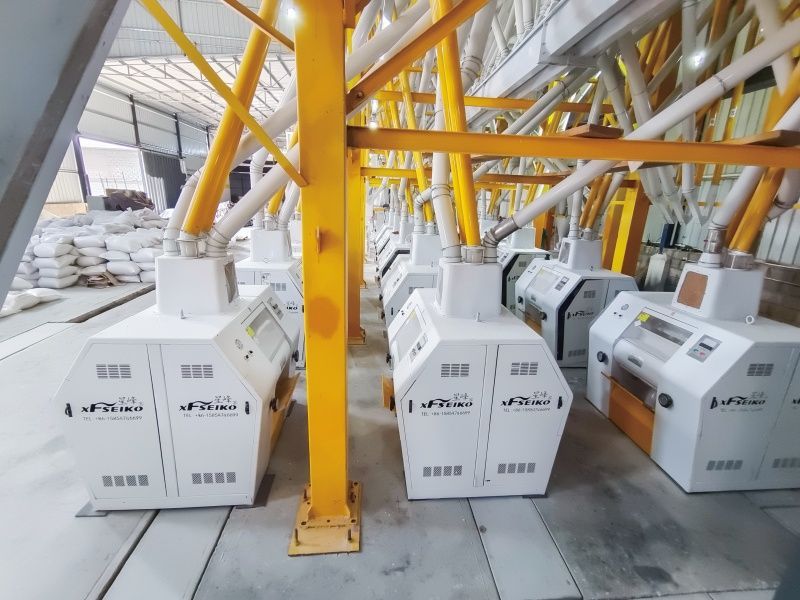
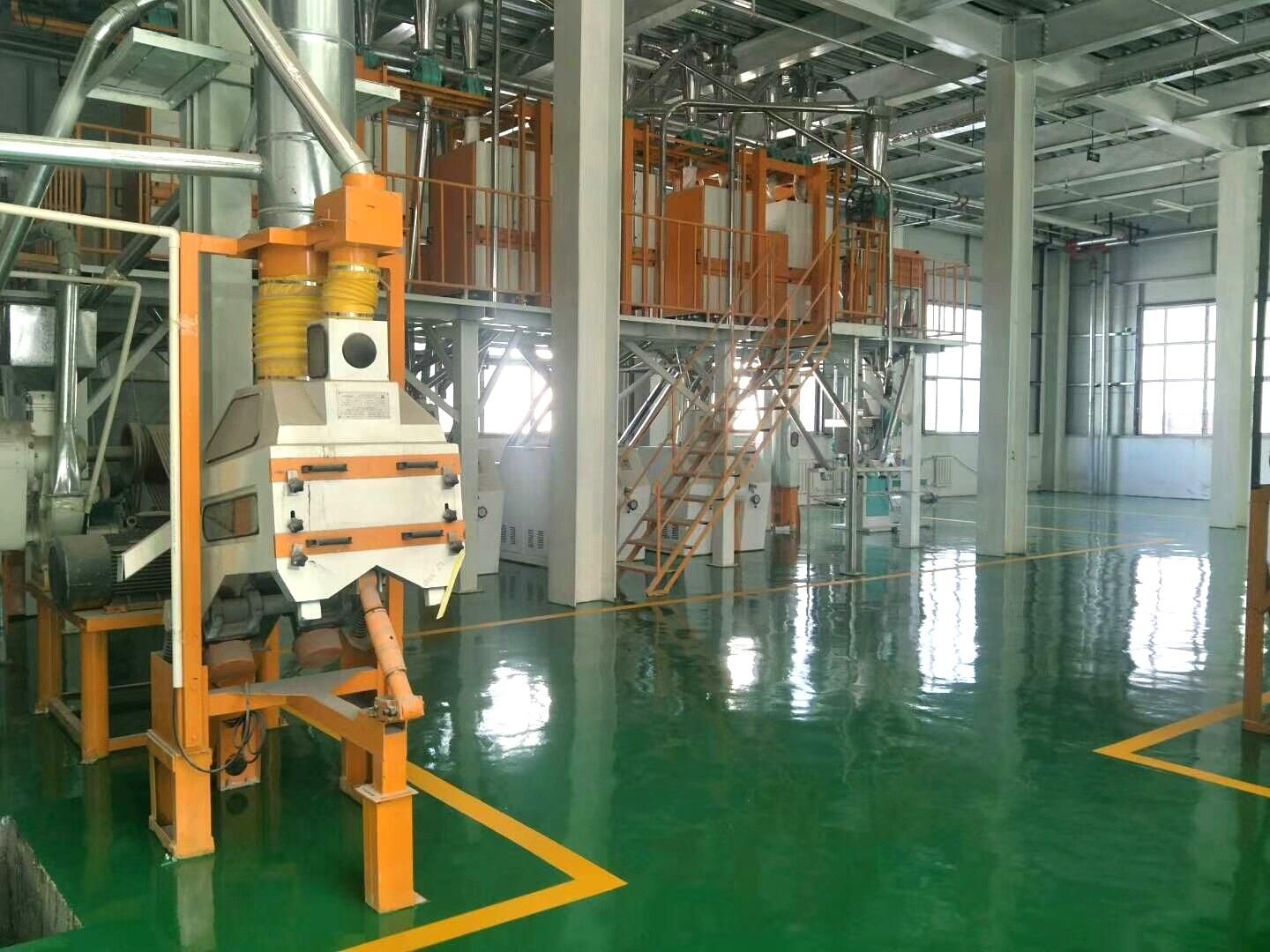
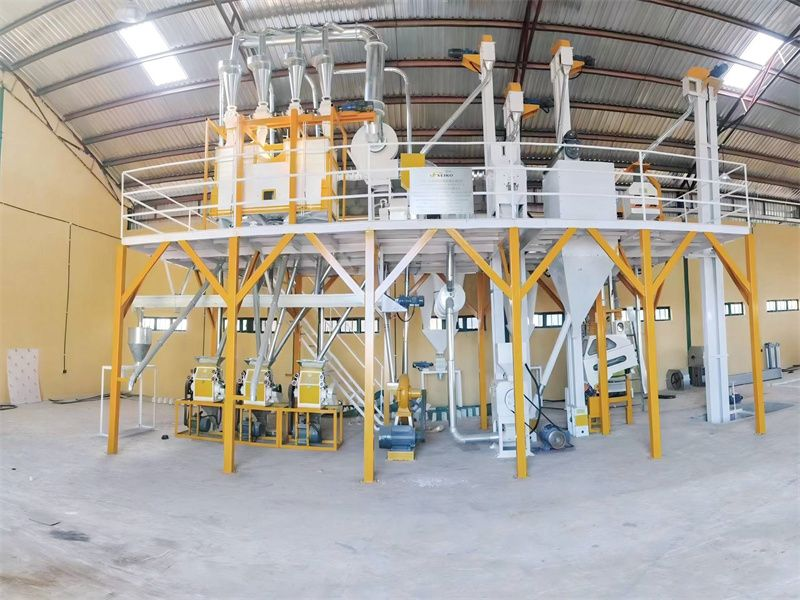
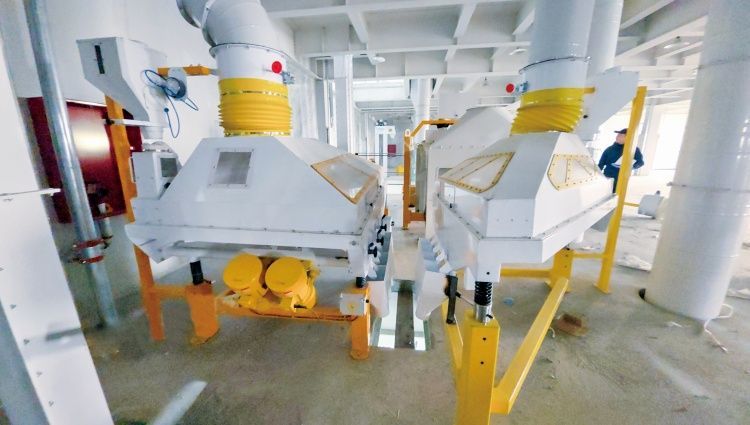
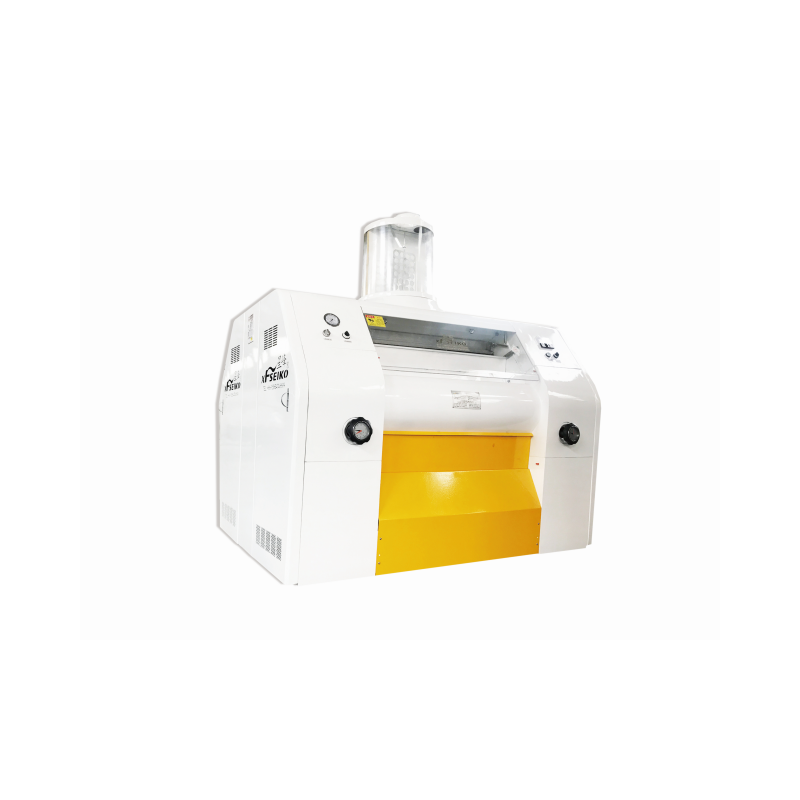
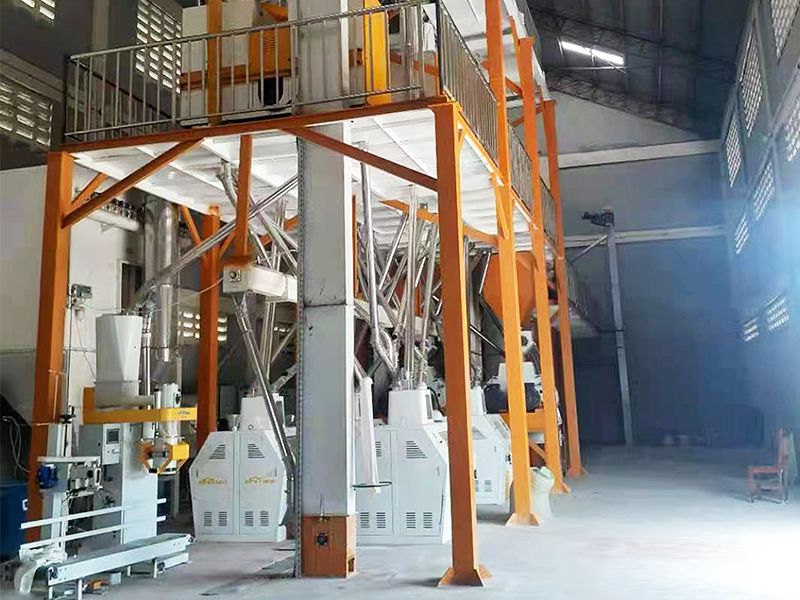
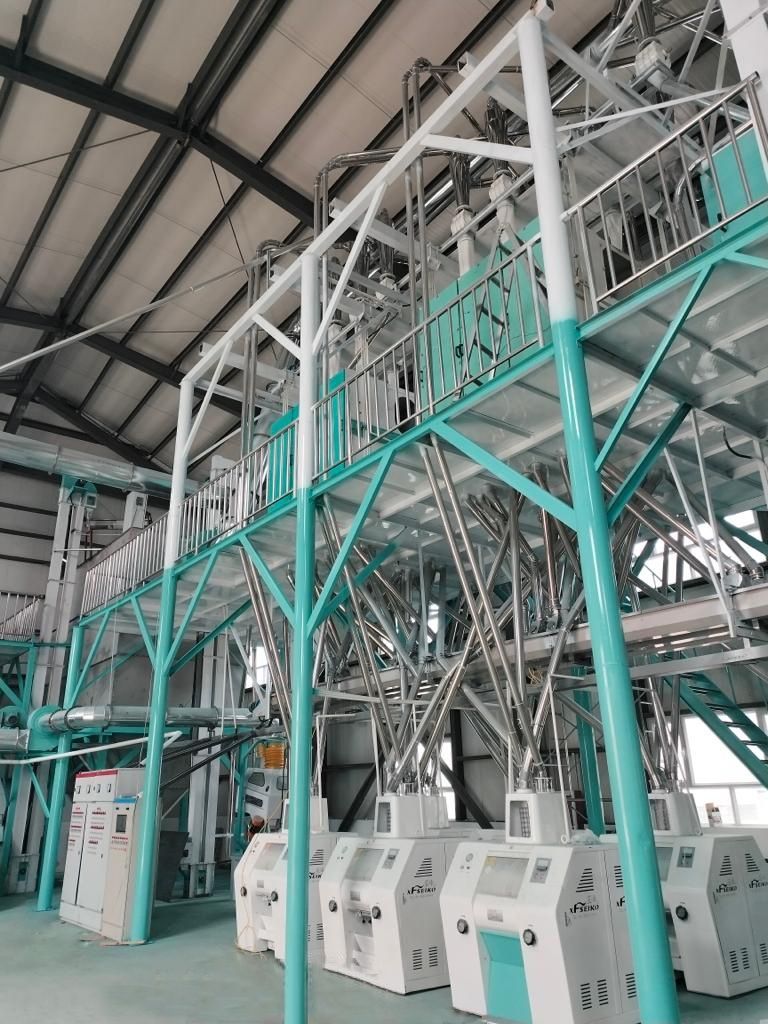
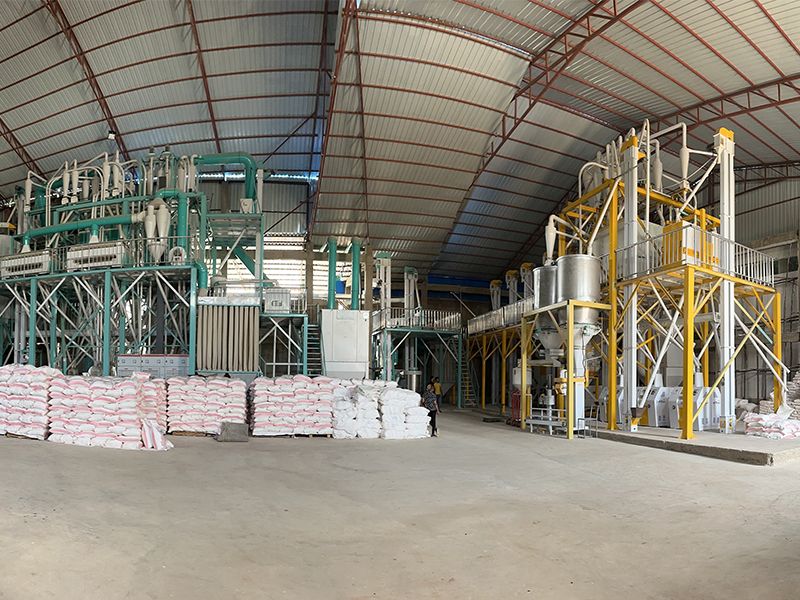
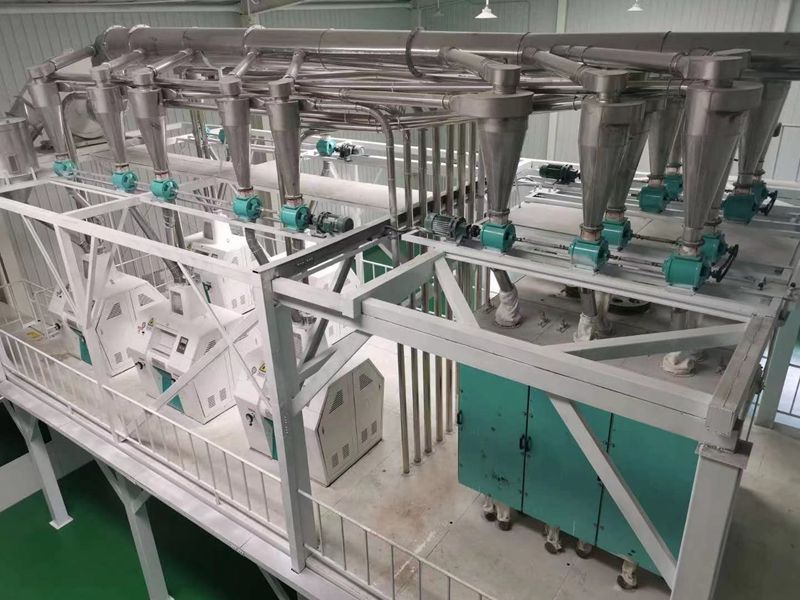
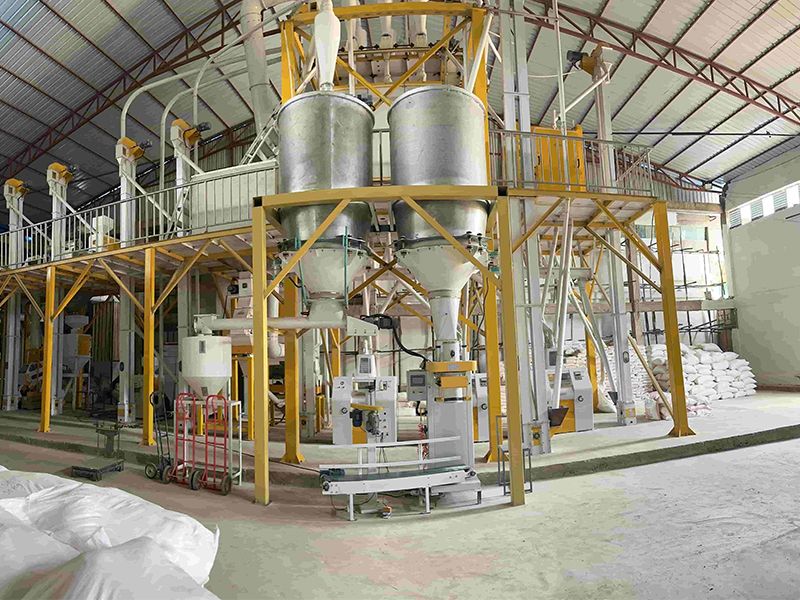
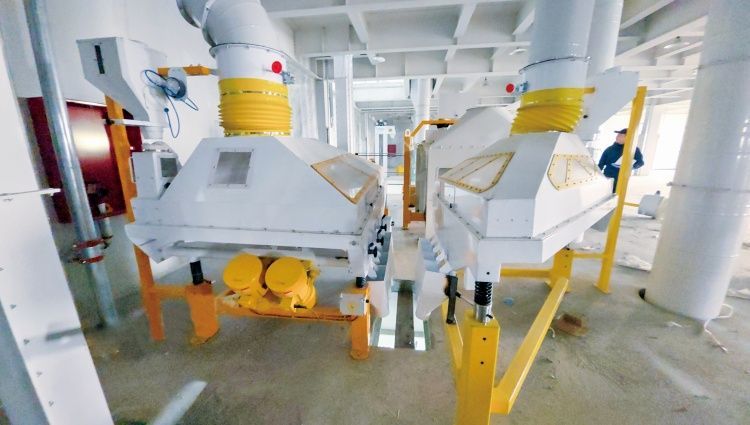
A properly designed 100-120TPD Maize Flour Mill Plant may include:
The objective is not simply to install larger motors. It is to achieve stable throughput with the lowest practical specific energy consumption and acceptable extraction yield.
When evaluating a Xingfeng proposal, we recommend reviewing:
Motor efficiency should be verified from supplier documentation and commissioning data. Large motors with poor load matching can operate inefficiently, especially when the line is repeatedly started, stopped, or run below its design load.
Before estimating energy cost, record:
Moisture affects cleaning, conditioning, degermination, milling resistance, and drying requirements. A high-moisture maize stream may increase motor load and reduce the effective output of a 100-120TPD Maize Flour Mill Plant.
For moisture testing, use a calibrated grain moisture meter and establish a documented method consistent with recognized procedures such as ISO 6540 for maize moisture determination. Flour moisture verification may also be aligned with ISO 712 procedures where applicable.
Install a three-phase power meter at the main incoming panel. For higher accuracy, monitor major sections separately:
An energy meter conforming to the applicable IEC 62053 accuracy class is preferable for commercial monitoring. Record kWh rather than estimating consumption from motor horsepower.
Weigh all saleable maize flour leaving the production line. Do not use maize intake as finished output because the difference includes:
Use certified platform scales or load cells, and check scale repeatability during commissioning. A practical internal target is to verify weighing accuracy to at least 0.1% of scale capacity, subject to local legal metrology requirements.
Record energy and output during a stable production period of at least 8-24 hours.
Example:
| Measurement | Result |
|---|---|
| Total electricity used | 2,160 kWh |
| Finished maize flour | 90 tons |
| Specific energy consumption | 24 kWh/t |
| Electricity tariff | US$0.12/kWh |
| Electricity cost | US$2.88/t |
Repeat the measurement during different utilization levels. This reveals whether the plant is operating efficiently or carrying excessive fixed load.
Energy is only one part of the cost per ton. A complete model should include:
The full calculation is:
Total cost per ton = Raw material cost + Processing cost + Packaging cost + Labor + Maintenance + Depreciation + Other operating costs
This prevents a common purchasing error: selecting a high-capacity plant because its kWh/t appears attractive while ignoring low utilization and excessive capital repayment.
A 100-120TPD Maize Flour Mill Plant should be selected according to expected demand, not maximum theoretical production.
Assume:
If fixed monthly costs are US$75,000:
US$75,000 ÷ 2,652 tons = US$28.28 fixed cost per ton
If utilization falls to 50%:
The energy efficiency of the machinery has not necessarily changed, but the cost allocation has. This is why demand forecasting, raw material availability, and distribution planning must be completed before final capacity selection.
For most commercial projects, we recommend planning for:
Operating continuously at the upper limit may increase bearing temperature, roller wear, screen blockage, vibration, and maintenance frequency. A sustainable operating rate is usually more valuable than a theoretical maximum.
Reducing energy use should never mean reducing flour safety or product consistency. The process must maintain:
For food safety management, the plant can be operated under HACCP principles and ISO 22000 requirements. Maize flour moisture and particle size should be checked according to the buyer’s specification and applicable laboratory methods. Where mechanical components are manufactured to tight tolerances, ask for inspection records with dimensional precision such as 0.01 mm for specified machined parts, together with material certificates and functional testing.
For export-oriented equipment procurement, a disciplined supplier quality process may include:
These measures help prevent alignment problems, air leakage, unstable feeding, and repeated stoppages that can increase energy cost per ton.
This is the most common reason for an unexpectedly high processing cost.
Solution:
Supplier figures may be based on ideal maize, short conveying distances, and nominal operating conditions.
Solution:
Long pipelines, sharp bends, poor duct design, and air leakage can make the aspiration system consume excessive power.
Solution:
Repeatedly sending material through the mill increases motor load and lowers effective output.
Solution:
If flour particle size or moisture varies, operators may increase milling intensity, causing additional energy use.
Solution:
We recommend using a simple digital monitoring system from the first day of operation.
Track these values by shift:
| KPI | Target or Use |
|---|---|
| Maize intake, tons | Confirms feed rate |
| Finished flour, tons | Confirms saleable output |
| kWh consumed | Measures total energy |
| kWh/t | Measures energy efficiency |
| Extraction rate | Measures process yield |
| Flour moisture | Controls quality |
| Downtime, minutes | Identifies reliability loss |
| Motor current | Detects overload |
| Filter differential pressure | Detects aspiration problems |
| Maintenance incidents | Supports preventive maintenance |
A supplier such as Xingfeng should also provide operating manuals, electrical drawings, spare parts lists, commissioning guidance, and a clear service process. For export projects, confirm whether technical support is available with a 24-hour response commitment for urgent commissioning or operating issues.
Follow this sequence when installing and starting a 100-120TPD Maize Flour Mill Plant:
Inspect the factory layout
Confirm foundation dimensions, equipment clearance, raw material flow, finished-product flow, ventilation, and access for maintenance.
Verify utilities
Check transformer capacity, voltage stability, compressed air, lighting, dust control, and fire-safety provisions.
Inspect equipment before installation
Review packing lists, motor ratings, bearings, screens, rollers, electrical panels, and spare parts. Keep records for every item.
Complete no-load testing
Run conveyors, fans, elevators, sifters, and motors without maize. Check rotation direction, vibration, abnormal noise, and current.
Complete load testing
Introduce maize gradually. Record motor current, feed rate, product temperature, flour moisture, extraction rate, and kWh consumption.
Optimize at 70%, 85%, and 100% feed rate
This shows how energy performance changes with capacity utilization.
Set operating standards
Document roll gap, conditioning time, airflow, sieve configuration, and acceptable flour specifications.
Run a 24-hour stability test
Use representative maize and record output, downtime, kWh/t, and product quality.
Train operators and maintenance staff
Training should cover lockout/tagout, bearing lubrication, screen replacement, roller adjustment, dust control, and emergency shutdown.
Review performance after 30 days
Compare actual values with the original business model and correct bottlenecks before expanding production.
When comparing suppliers for How Plant Capacity Affects Energy Use and Cost per Ton of Maize Flour, do not select equipment only because it has a larger installed motor rating.
Ask each supplier to provide:
A reliable technical offer should distinguish between:
This distinction is essential when evaluating a 100-120TPD Maize Flour Mill Plant for a foreign trade project.
!
Before approving the Xingfeng project, we recommend confirming:
The key lesson in How Plant Capacity Affects Energy Use and Cost per Ton of Maize Flour is that the lowest cost does not always come from the largest plant. It comes from matching capacity with demand, keeping the line close to its efficient operating range, monitoring kWh per ton, controlling pneumatic and recirculation losses, and protecting flour quality.
For buyers with stable maize supply and a growing commercial market, the Xingfeng 100-120TPD Maize Flour Mill Plant can provide a practical balance between production scale, energy efficiency, automation, and cost control. We recommend starting with a documented energy model, testing actual performance at multiple load levels, and reviewing the first 30 days of operation before making expansion decisions.
< Previous: None
> Next: Steel-Frame vs Concrete Maize Flour Mill Plants: Key Project Trade-Offs

February. 02, 2024

July. 07, 2024

June. 06, 2025

March. 03, 2026

January. 01, 2024

August. 08, 2024
How to Use Wheat Flour Mill Plant Correctly?
This article provides a comprehensive guide on how to use a wheat flour mill plant correctly.