How Degermination Influences Maize Flour Color, Shelf Life and Yield
October. 10, 2026
Share:
For a 30-50TPD Maize Flour Mill Plant, degermination is the main control point for the maize flour degermination process: removing more germ normally produces a lighter, less oily flour with better oxidation resistance, but it can also reduce extraction rate and carry edible endosperm into the by-product. The practical target is not “maximum degermination”; it is a measured balance between maize flour color, rancidity risk, moisture, ash, particle size and yield. In a properly adjusted line, operators can compare germ removal, flour extraction and quality using CIELAB color, peroxide value, free fatty acids, moisture and mass-balance data rather than relying on appearance alone.
A maize kernel contains three important anatomical fractions:
Endosperm: approximately 80–85% of kernel mass in commonly cited compositional descriptions; it supplies most of the starch used for flour.
Germ: commonly about 10–12% of kernel mass and comparatively rich in oil. Maize germ often contains roughly 30–35% oil, while whole maize commonly contains about 3–5% total fat, depending on variety and analytical method.
Pericarp and tip cap: the outer protective layers, often together accounting for approximately 5–7%, although actual values vary with cultivar and cleaning efficiency.
These are reference ranges, not guaranteed yields. The variety, test weight, moisture, kernel hardness, broken-kernel percentage and separation efficiency can shift the result. For that reason, a Xingfeng 30-50TPD maize flour mill plant should establish its own mass balance from a representative production run.
Why Degermination Matters in a 30-50TPD Maize Flour Mill Plant
The endosperm is generally lighter than the germ and outer bran layers. Germ particles contain oil, pigments and enzymes; pericarp particles can introduce darker specks and increase ash. When these fractions are broken into fine flour, visual contamination becomes more noticeable.
Color should be measured with a calibrated colorimeter using the CIELAB system:
L*: lightness; higher values indicate a lighter sample.
a*: red-green axis.
b*: yellow-blue axis.
ΔE: total color difference between a production sample and a reference specification.
Do not publish a universal “correct” L* value without defining the maize variety, instrument, sample thickness, moisture and lighting conditions. A practical mill specification may set an internal L* minimum and ΔE maximum after testing customer-approved samples. The same sample preparation must be used every time; otherwise, color differences may reflect the test method instead of the milling process.
Maize flour color: why germ and bran darken the product
Degermination removes a substantial source of oil and lipase activity. This can reduce the rate at which flour develops rancid odors, especially when flour is stored warm or exposed to oxygen. However, degermination does not make flour oxidation-proof. Residual germ, damaged starch, high moisture, metal contamination, light and poor packaging can still shorten shelf life.
Useful quality indicators include:
Moisture: measure by a validated oven method or calibrated moisture analyzer. A common commercial control target for shelf-stable maize flour is around 12–14% moisture, but the legally applicable limit and customer specification must control.
Free fatty acids: indicate hydrolytic rancidity and should be tested using an approved food-oil or cereal method.
Peroxide value: indicates primary lipid oxidation. It should be reported in the applicable units and method, not simply described as “low.”
Water activity: useful for predicting microbial and chemical stability. It should be measured when the product is intended for extended storage.
Odor and sensory score: trained panel checks can detect rancid notes before a consumer complaint occurs.
Codex CXS 153-1985, the Codex Standard for Maize, and national food regulations should be checked for moisture, contaminants, mycotoxins and hygiene requirements. Degermination reduces oil-related deterioration but does not remove aflatoxin risk. Aflatoxin control still depends on field management, drying, sorting, hygienic storage and validated laboratory testing.
Maize flour shelf life: the role of oil and oxidation
Extraction rate is calculated as:
Flour extraction (%) = flour mass ÷ cleaned maize feed mass × 100
For example, if a shift feeds 1,000 kg of cleaned maize and collects 750 kg of finished flour, the flour extraction is 75%. This is a calculation example, not a guaranteed performance value.
Removing the germ and bran can improve flour color and storage stability, but aggressive separation may send valuable endosperm to germ meal, bran or hominy. A useful production dashboard therefore records:
clean maize entering the degerminator;
germ and bran discharge mass;
flour and meal mass;
unrecovered dust and process loss;
moisture of every major stream;
starch or ash content of the by-products.
The mass balance should close within a defined tolerance. If the input is 10,000 kg and recovered streams total only 9,300 kg after moisture correction, the unexplained 700 kg is too large to dismiss as normal dust without investigation.
Maize flour yield: the extraction-rate trade-off
Preparation for a 30-50TPD Maize Flour Mill Plant Degermination Trial
Tools: sampling spear, sealed sample bags, calibrated scale, moisture meter, sieve set, colorimeter, thermometer and laboratory labels. Action: take incremental samples from different points of the incoming lot and combine them into a composite sample. Parameter: record variety, supplier, lot number, test weight, moisture, broken kernels and visible mold. Check: compare the composite sample with the supplier certificate. Failure fix: quarantine the lot if moisture, odor, insects or mycotoxin screening is outside specification.
Tools: cleaner, magnet, aspirator and destoner. Action: remove stones, metal, dust, cobs and lightweight impurities before degermination. Parameter: inspect cleaner tailings and magnet deposits at least once per shift during commissioning. Check: no stones or ferrous particles should enter the degerminator. Failure fix: stop the line if metal is found downstream and inspect magnet retention, chute sealing and cleaning screens.
Tools: tempering tank, water meter and mixer. Action: adjust kernel moisture only if the selected degerminator requires tempering. Parameter: use the machine supplier’s validated moisture and resting-time range; do not copy a setting from another maize variety. Check: measure moisture at the surface and after the tempering rest. Failure fix: extend mixing or resting if moisture is uneven; reduce added water if the outer layer becomes soft and sticky.
Raw material and laboratory prerequisites
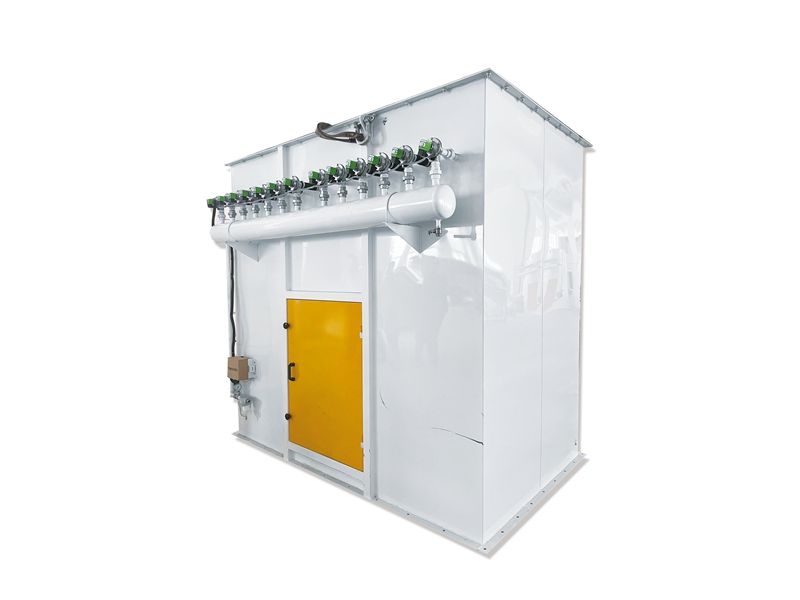
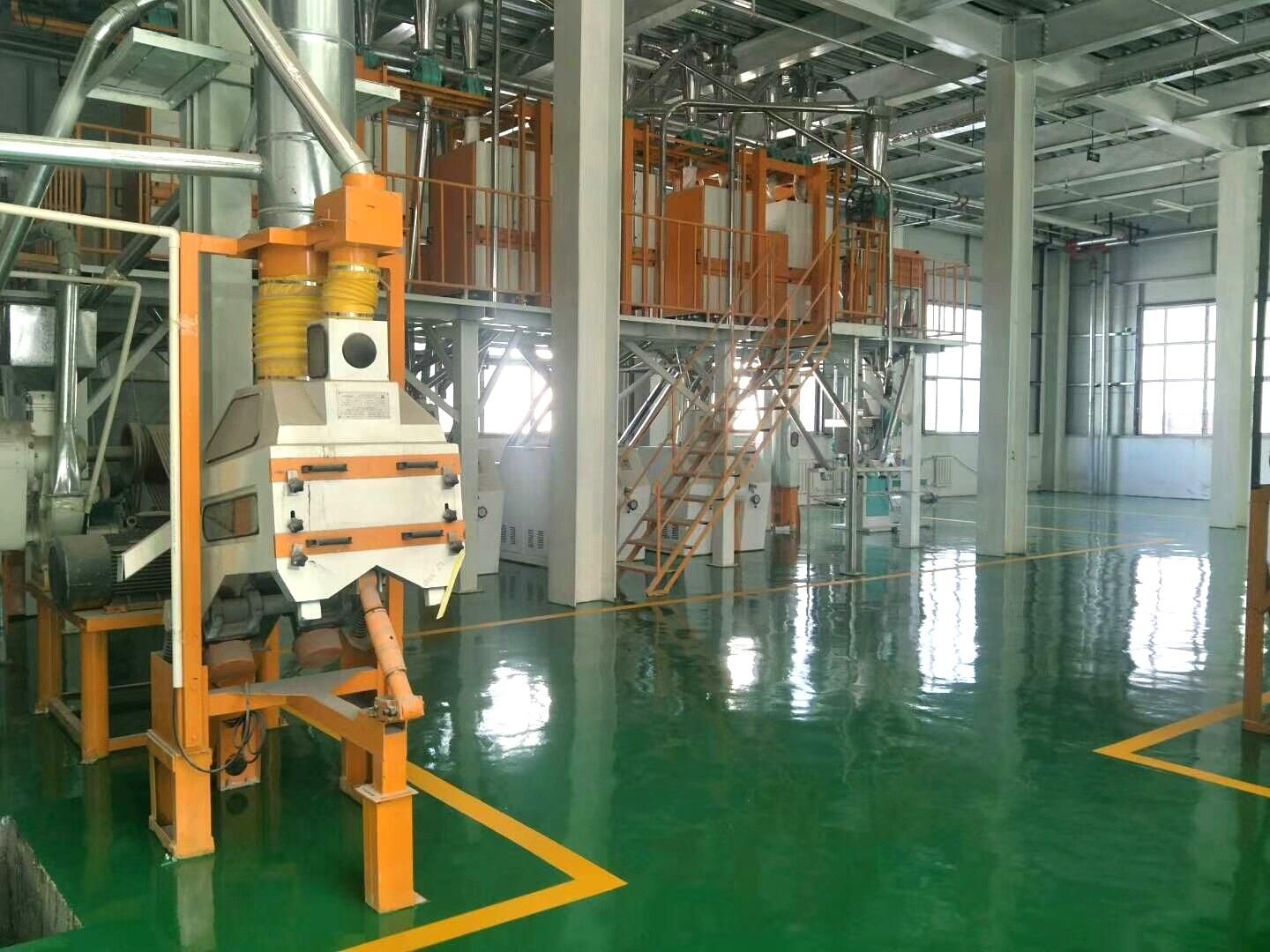
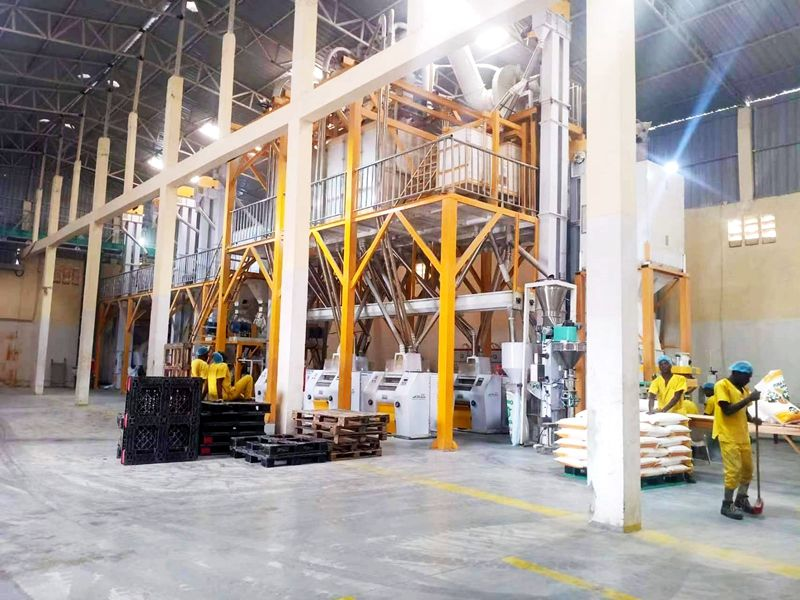
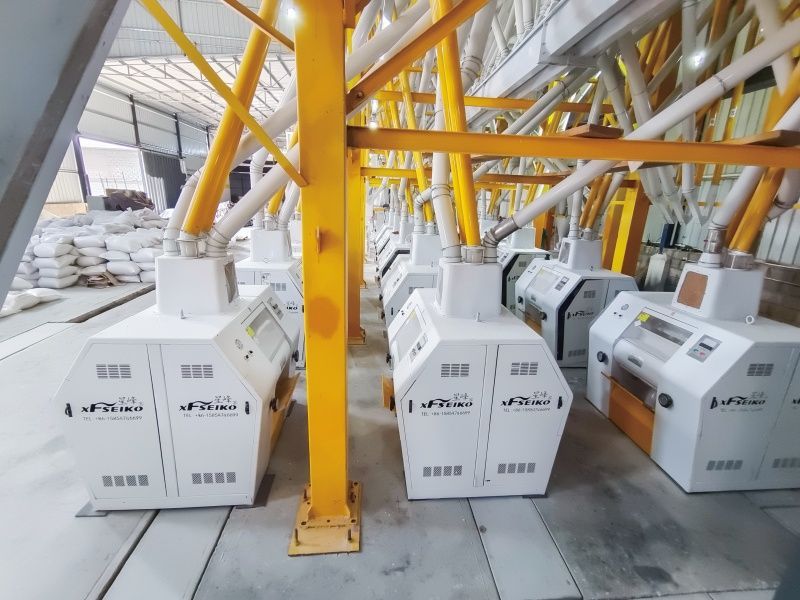
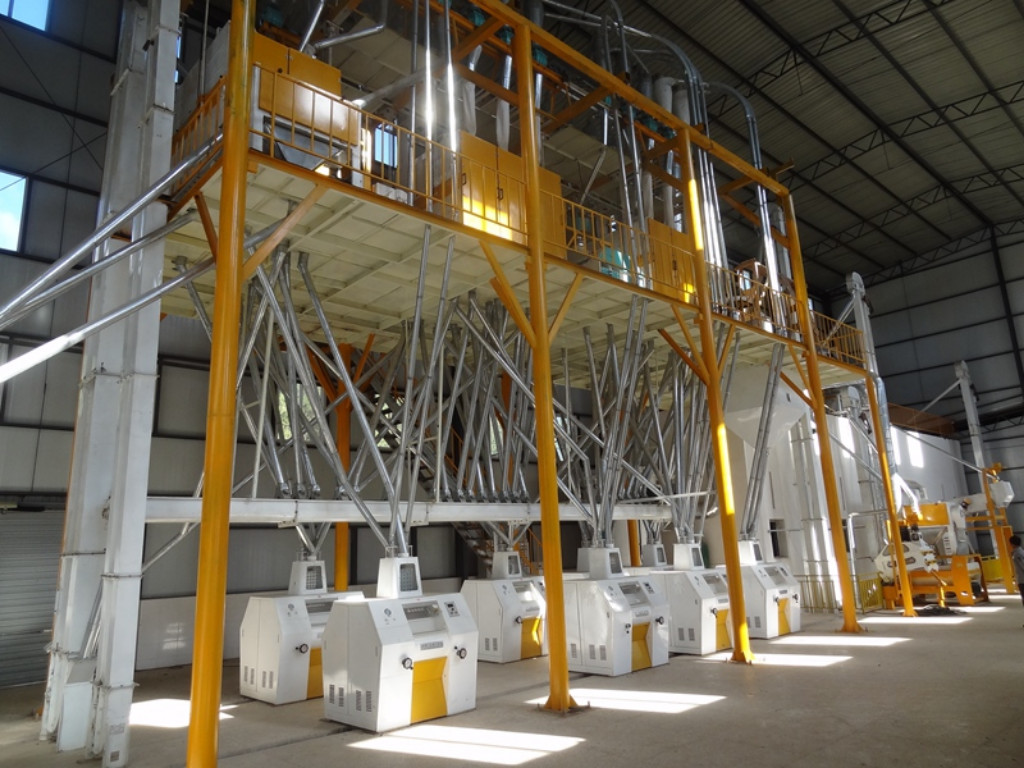
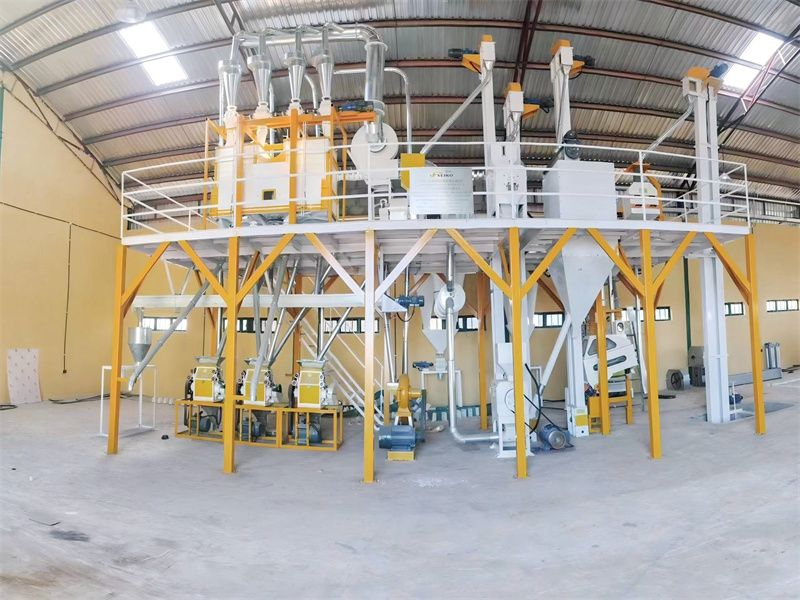
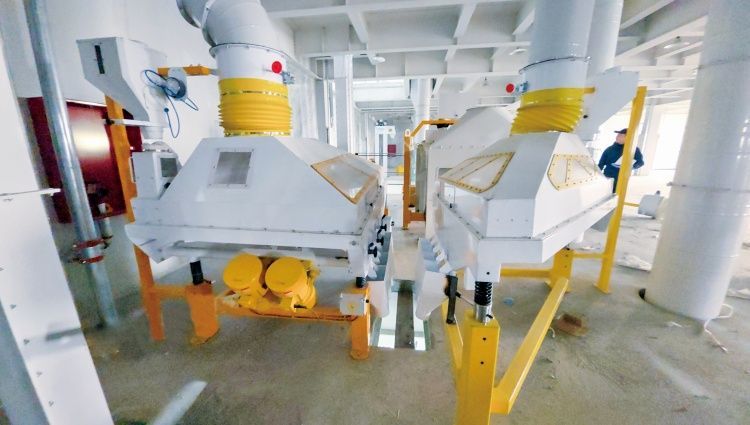
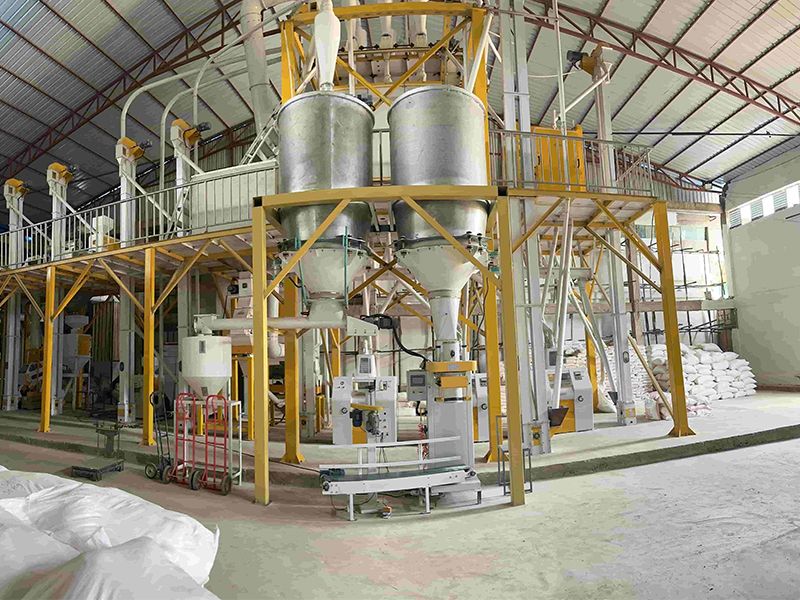
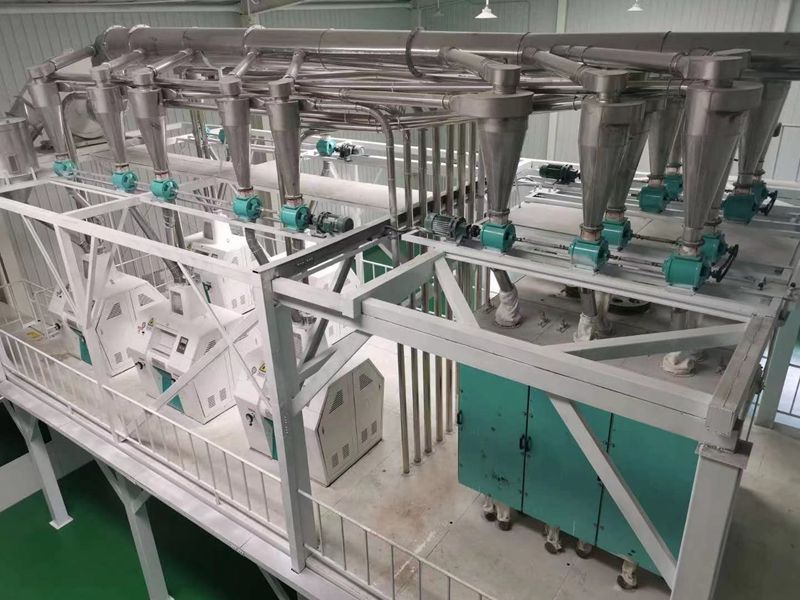
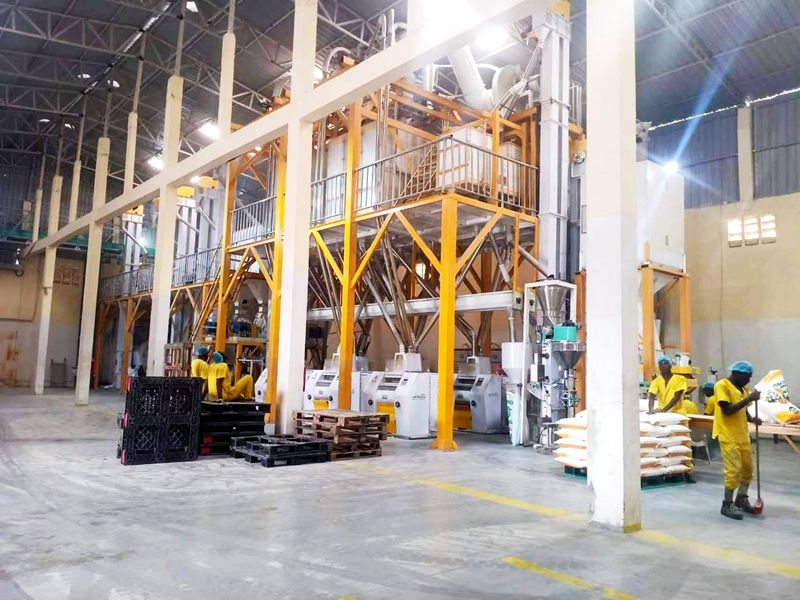
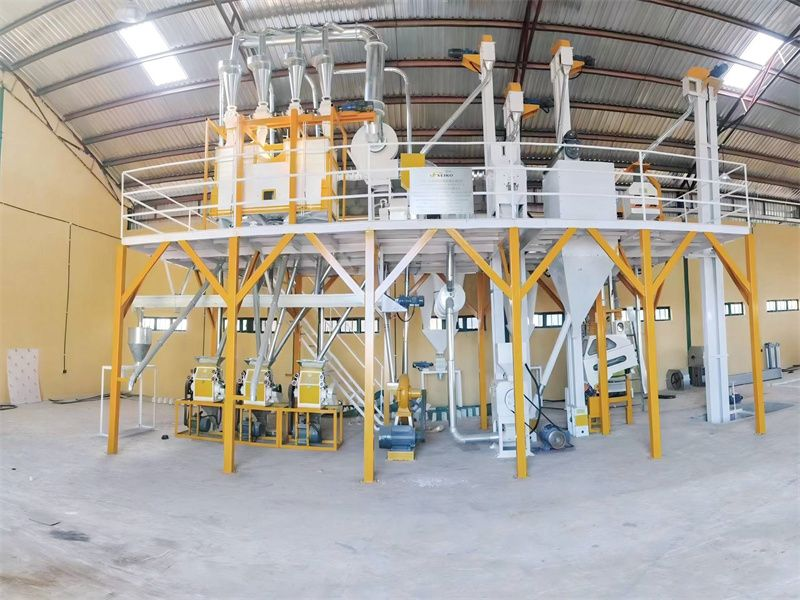
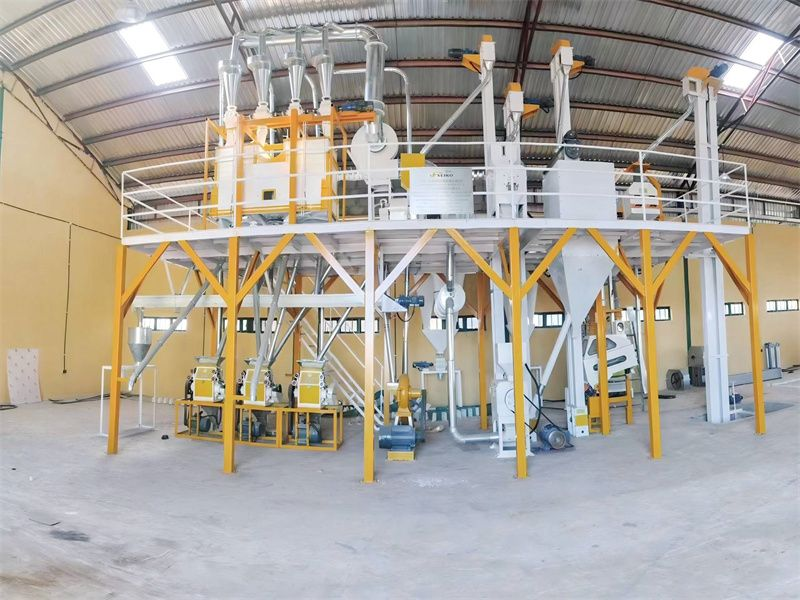
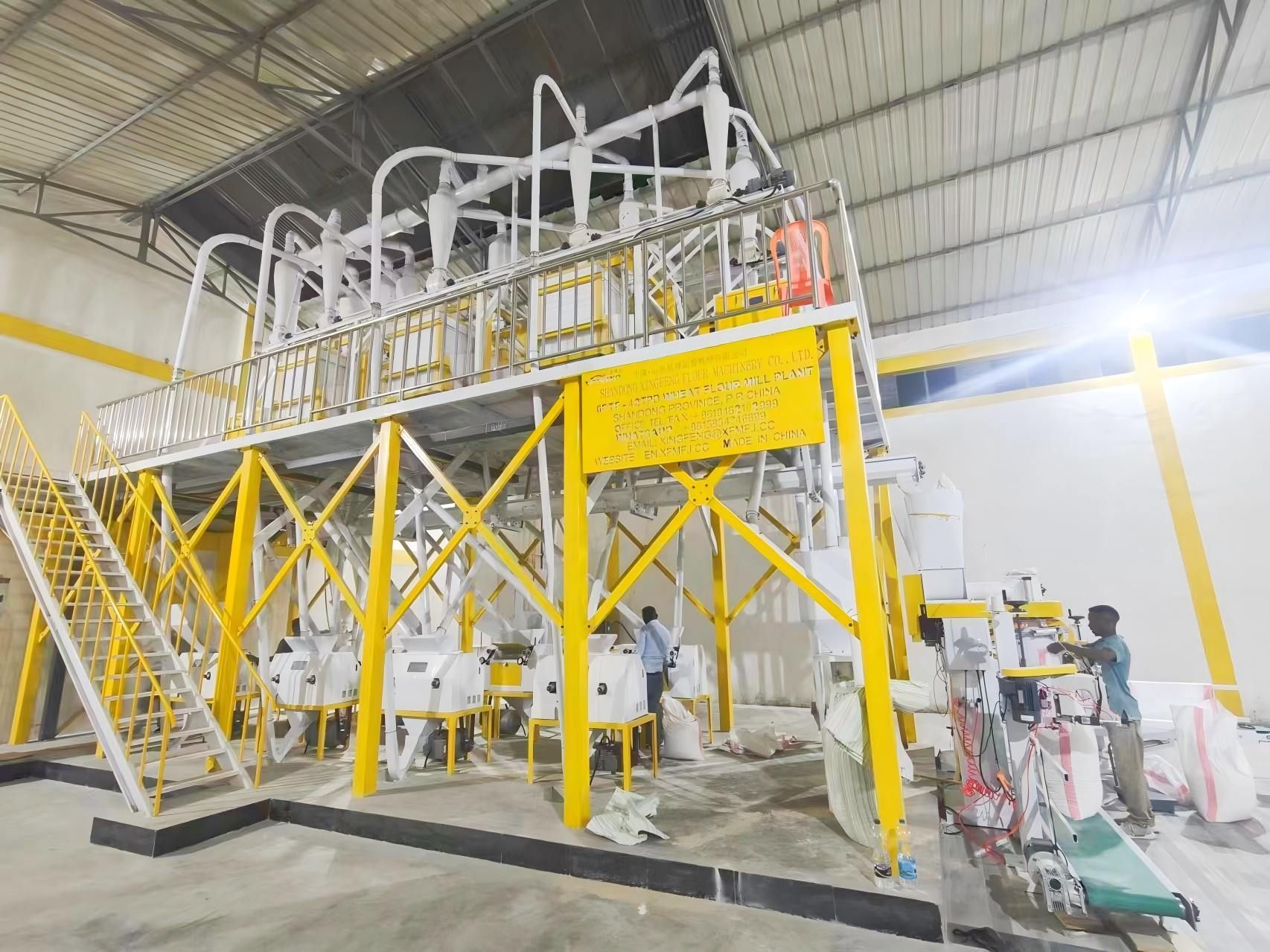
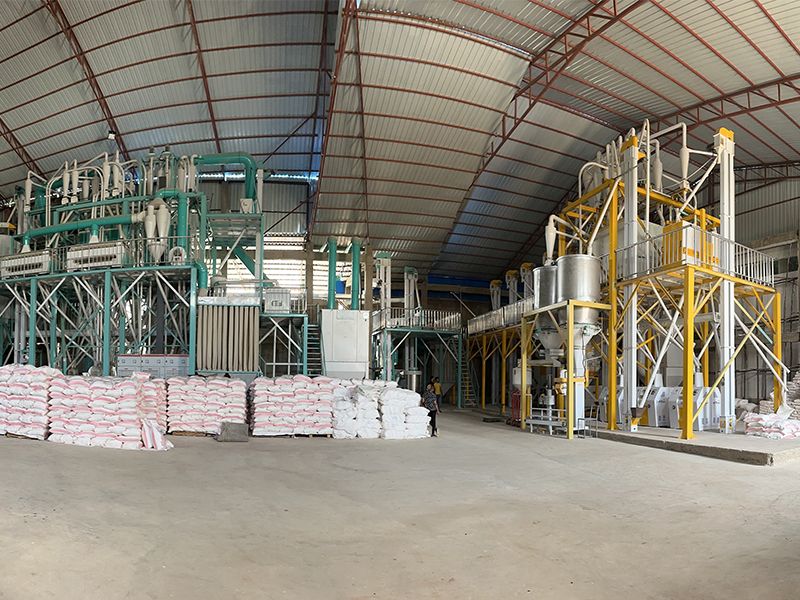
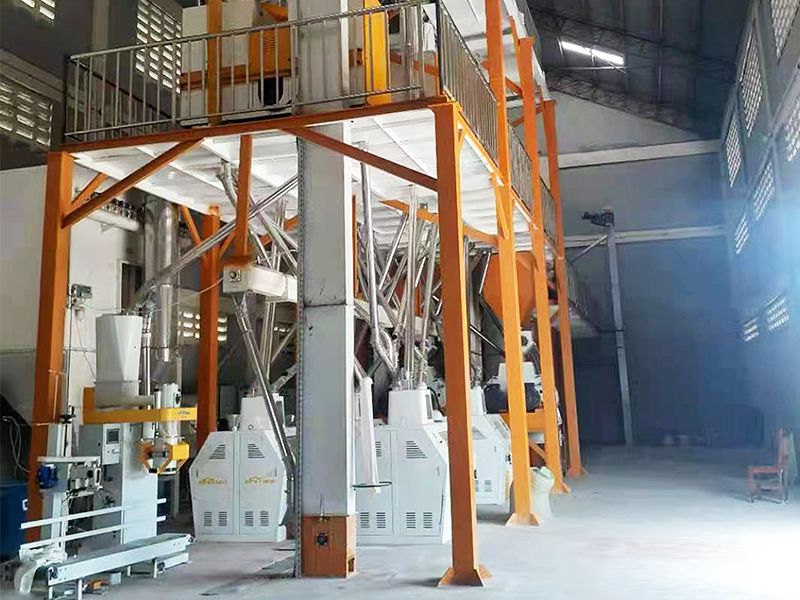
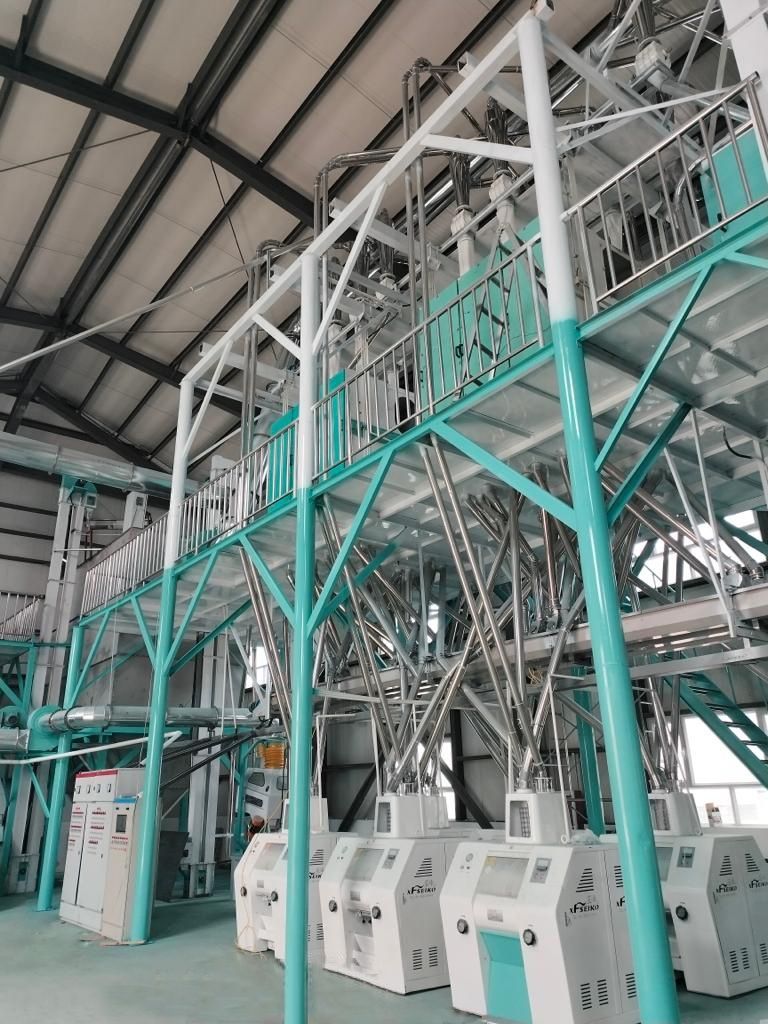
Typical process equipment should be inspected as a connected system: cleaning, conditioning, degermination, sifting, aspiration and weighing.
Step-by-Step Maize Flour Degermination Process for 30-50TPD Capacity
Step 1: Establish the baseline before changing the degerminator
Tools: production log, sample divider, scales and laboratory forms. Action: operate with the current settings long enough to collect stable samples from feed, flour, germ and bran streams. Parameter: record throughput in tonnes per hour, motor current, feed moisture, product moisture and screen configuration. Check: collect time-stamped samples rather than one scoop from the discharge. Failure fix: repeat the baseline if the line was still filling or emptying during sampling.
Tools: sieve shaker and analytical balance. Action: measure particle-size distribution in the finished flour. Parameter: use the customer’s specified sieve sizes and a documented shaking time. Check: report retained percentages for each sieve. Failure fix: inspect purifier settings, roll gap and sieve cloth if coarse particles exceed the limit.
Tools: colorimeter and moisture analyzer. Action: test flour color and moisture using duplicate or triplicate readings. Parameter: use the same sample cup, packing method and instrument calibration standard. Check: calculate average L*, a*, b* and moisture. Failure fix: clean the optical window and recalibrate if duplicate readings differ beyond the laboratory repeatability limit.
Step 2: Adjust feed rate and degerminator load
Tools: variable-speed feeder, motor-current meter and tachometer. Action: change only one operating variable at a time. Parameter: keep the plant within its tested 30–50 tonnes/day production range and avoid overloading the chamber. Check: monitor amperage, vibration, discharge temperature and sound. Failure fix: reduce feed immediately if current, vibration or temperature rises abnormally.
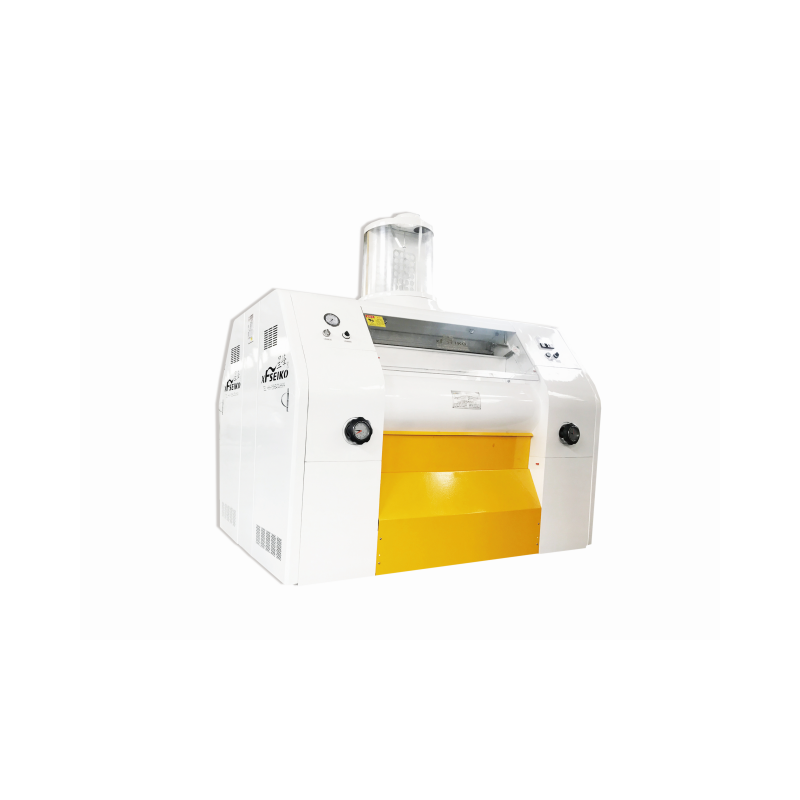
Tools: degerminator adjustment mechanism and feeler gauge where applicable. Action: change rotor, impact, pressure or clearance settings according to the equipment manual. Parameter: document every adjustment in millimetres, rpm or control percentage; never describe a setting only as “tight.” Check: inspect the germ discharge for intact germ pieces and the flour stream for excessive oily fines. Failure fix: open the setting or reduce intensity if endosperm recovery falls; increase separation intensity only when germ carryover remains above the specification.
Tools: infrared thermometer and sample trays. Action: check product temperature at the degerminator outlet and before packing. Parameter: establish an internal maximum based on the product specification and equipment supplier guidance. Check: compare temperature with oxidation and moisture results. Failure fix: investigate friction, blocked aspiration, worn screens or excessive residence time if temperature increases.
Step 3: Separate germ, bran and endosperm accurately
Tools: aspiration system, cyclone or filter, purifier and sieve plans. Action: tune air separation so light bran and dust are removed without lifting excessive endosperm. Parameter: record fan frequency or airflow and inspect the pressure differential across the filter. Check: test ash and starch in the bran stream where facilities permit. Failure fix: reduce air or repair leaks if flour is being carried into the bran line.
Tools: germ-sorting tray, balance and visual inspection light. Action: examine the germ fraction for clean germ pieces and attached endosperm. Parameter: weigh a defined sample, such as 100 g, and classify attached endosperm using a written method. Check: compare the result between shifts. Failure fix: adjust degerminator intensity or purifier air if the germ fraction contains excessive saleable endosperm.
Tools: sample divider and laboratory mill. Action: test flour ash, fat and moisture. Parameter: use recognized cereal methods, such as applicable ISO, AACC or national standard methods. Check: higher ash or fat than the approved product range usually indicates bran or germ carryover. Failure fix: inspect sieve integrity, aspiration balance and roll alignment before increasing mechanical intensity.
Step 4: Sift, blend and verify the finished maize flour
Tools: plansifter, sieve brushes, sample thief and batch blender. Action: sift the endosperm stream and blend only approved fractions. Parameter: use a documented sieve aperture and avoid mixing high-fat rework into a low-fat product without authorization. Check: test particle size, moisture, color and fat. Failure fix: isolate off-spec fractions; do not correct a dark batch by uncontrolled dilution.
Tools: metal detector, magnet, checkweigher and packaging sealer. Action: pass flour through final safety and weight checks before sealing. Parameter: set the metal detector and checkweigher using validated challenge and calibration procedures. Check: record rejected packs and seal integrity. Failure fix: stop packing if repeated seal failures, weight drift or detector faults occur.
Tools: retain-sample cabinet and data logger. Action: retain samples from each production lot in clean, labeled packaging. Parameter: record lot, date, moisture, packaging type and storage temperature. Check: perform periodic odor, moisture, peroxide value and free-fatty-acid checks during shelf-life studies. Failure fix: trace the affected lot back to germ carryover, drying, packaging oxygen, storage heat or raw-material quality.
Documented Evidence and a Practical Mill Case
Published cereal-processing research consistently reports the same mechanism: removing germ and outer layers lowers the lipid and ash contribution to refined maize products, while more intensive separation can reduce total flour recovery. The result depends on the degerminator design, maize hardness and separation settings; therefore, research values should not be copied as a guaranteed plant yield.
A responsible operator case record should look like this: “Lot M-042, cleaned maize feed 2,000 kg, feed moisture measured by the plant method, degerminator setting recorded, flour mass and by-product mass weighed, L* measured after calibration, fat and ash tested by the laboratory method, and samples retained.” This is a verifiable production record because every number can be checked against a scale, instrument file and laboratory report. Anonymous claims such as “our customer increased shelf life by 50%” should not be accepted without the original test protocol, storage temperature, packaging conditions and statistical results.
For a new Xingfeng installation, the strongest implementation evidence is a controlled comparison: use the same maize lot, run the same throughput, change only the degermination setting, and compare at least three separately collected samples for extraction, L*, moisture, fat, ash, peroxide value and sensory odor. The preferred setting is the one that meets the customer specification with the smallest verified loss of endosperm—not necessarily the setting that produces the whitest flour.
Common Degermination Errors in a 30-50TPD Maize Flour Mill Plant
Error 1: Chasing white color by over-degerminating
Symptom: L* improves, but flour extraction drops and the bran or germ stream contains excessive starch.
Cause: excessive impact, pressure, aspiration or residence time.
Solution: quantify starch or endosperm in the by-product, then open the setting or reduce intensity in small documented increments. Accept the change only if color remains within specification and extraction improves.
Error 2: Assuming moisture alone controls shelf life
Symptom: flour meets moisture specification but develops a stale or paint-like odor during storage.
Cause: residual germ, high fat, oxygen-permeable packaging, warm storage or contaminated equipment.
Solution: test free fatty acids, peroxide value, water activity and packaging oxygen exposure. Inspect dead zones in conveyors and bins, and separate high-fat fractions from refined flour.
Error 3: Using one setting for every maize variety
Symptom: the same machine setting produces different color and yield on different lots.
Cause: kernel hardness, moisture, size distribution and germ attachment vary.
Solution: classify incoming maize by moisture, test weight and hardness where possible. Create a setting sheet for each raw-material category and verify it with production samples.
Error 4: Ignoring mass-balance losses
Symptom: reported flour yield appears high, but inventory or customer output does not reconcile.
Cause: unweighed dust, moisture changes, leakage, rework or inaccurate scales.
Solution: calibrate scales, weigh every major stream, correct for moisture basis and close the balance over a complete shift.
Error 5: Treating color as a food-safety test
Symptom: visually bright flour is released without contaminant testing.
Cause: color is being used as a substitute for laboratory control.
Solution: maintain separate testing for mycotoxins, pesticide residues where required, microbial quality, foreign matter and metal contamination. Degermination is a milling operation, not a validated decontamination process.
Recommended Quality-Control Plan for Maize Flour
Control point
Measurement
Purpose
Typical frequency
Incoming maize
Moisture, test weight, broken kernels, insects, odor, mycotoxin risk
Prevent unstable or unsafe material entering the line
Each lot
Degerminator discharge
Temperature, motor current, germ appearance, attached endosperm
Control mechanical intensity and loading
Start-up and each shift
Finished flour
Moisture, L*, a*, b*, particle size, ash, fat
Verify appearance, composition and customer specification
Each lot or validated sampling plan
Storage study
Odor, peroxide value, free fatty acids, water activity
Confirm shelf-life performance under stated conditions
Scheduled intervals
Packaging
Net weight, seal integrity, metal-detector challenge
Protect the product after milling
Start-up and routine checks
Summary: How to Choose the Best Degermination Setting
Degermination affects three connected outcomes:
Color: lower germ and bran carryover generally gives a lighter flour, which should be confirmed by CIELAB measurement.
Shelf life: lower residual oil can reduce oxidation pressure, but packaging, moisture, temperature and raw-material safety remain decisive.
Yield: stronger separation can reduce flour extraction when endosperm is lost with germ or bran.
For a 30-50TPD maize flour mill plant, use a controlled trial and select the operating point that meets the defined color, moisture, fat, ash, particle-size and shelf-life requirements while preserving measurable endosperm recovery. The essential long-tail targets—maize flour degermination process, improve maize flour shelf life and maize flour yield optimization—are achieved through sampling and mass balance, not through a single machine setting. The key semantic indicators are color, rancidity and extraction rate; the key professional controls are CIELAB, peroxide value and free fatty acids.
Recommended next step: prepare a one-lot trial sheet, record every machine parameter, collect matched samples from all streams and obtain laboratory confirmation before changing commercial specifications. Ask Xingfeng or another qualified equipment supplier to validate the degerminator capacity, aspiration load, sieve plan, electrical load and cleaning access against the actual maize varieties and product grades you intend to process.
Reference Standards and Technical Sources
, including CXS 153-1985, Standard for Maize.
, cereal and grain sampling, moisture and composition methods applicable to the product specification.
, approved methods for cereal moisture, fat, ash, particle size and related quality measurements.
, for maize composition, handling and storage principles.