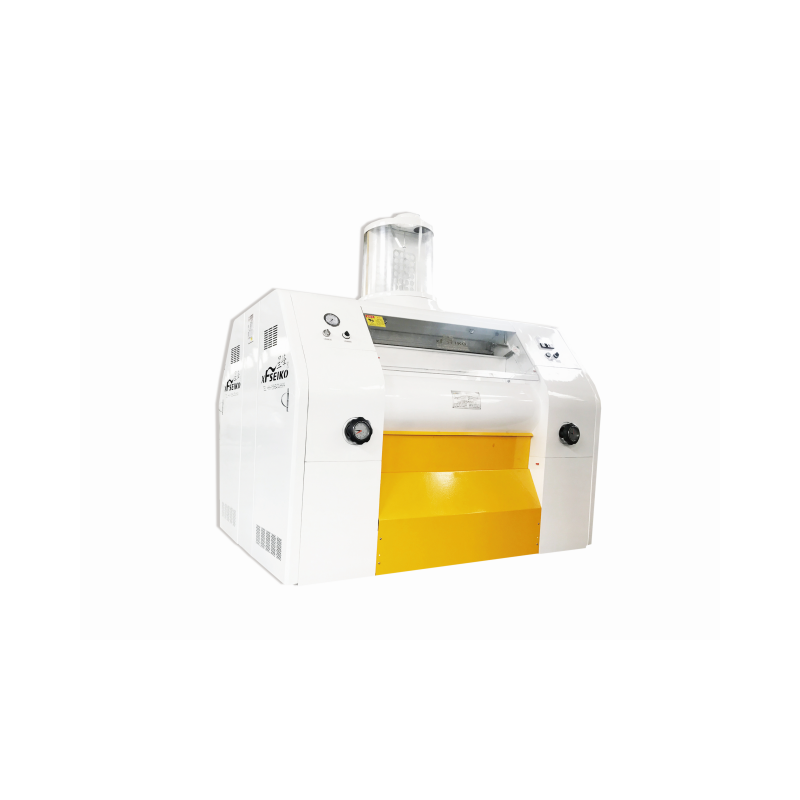
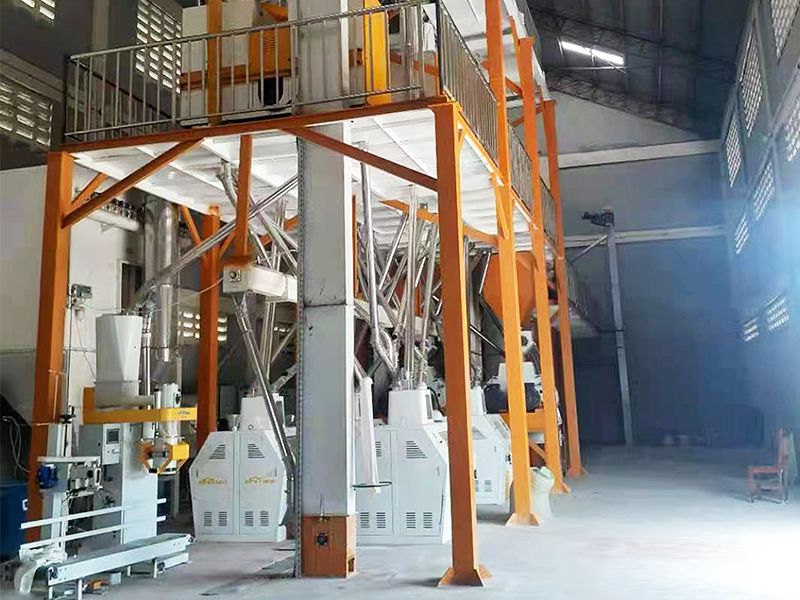
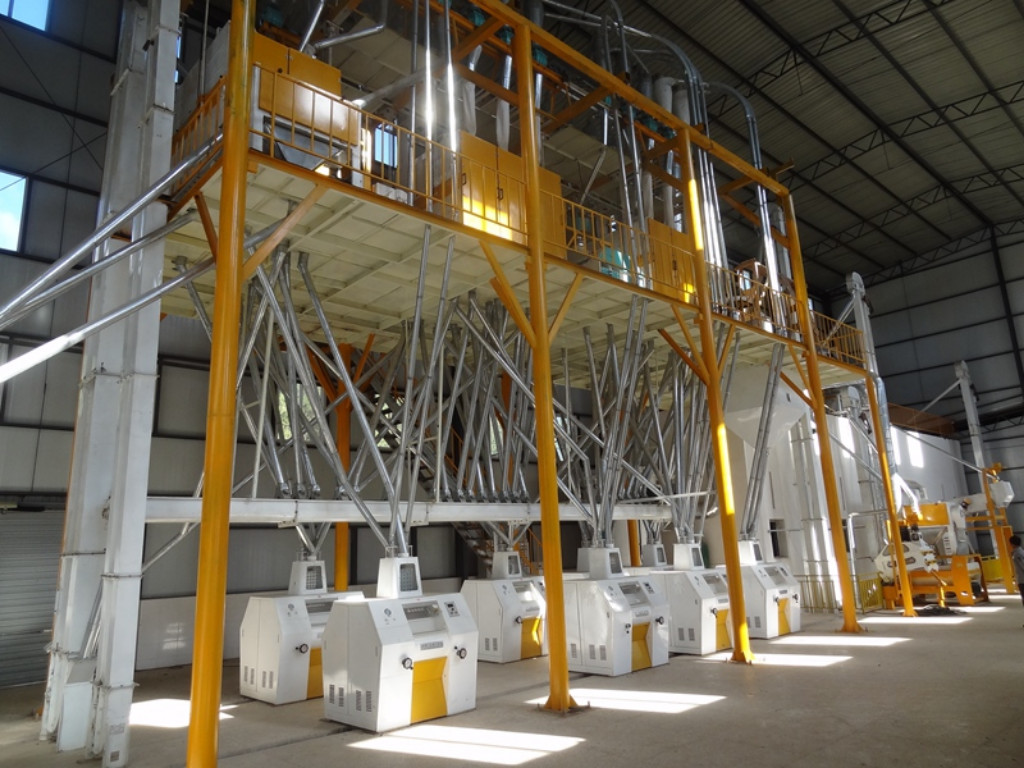
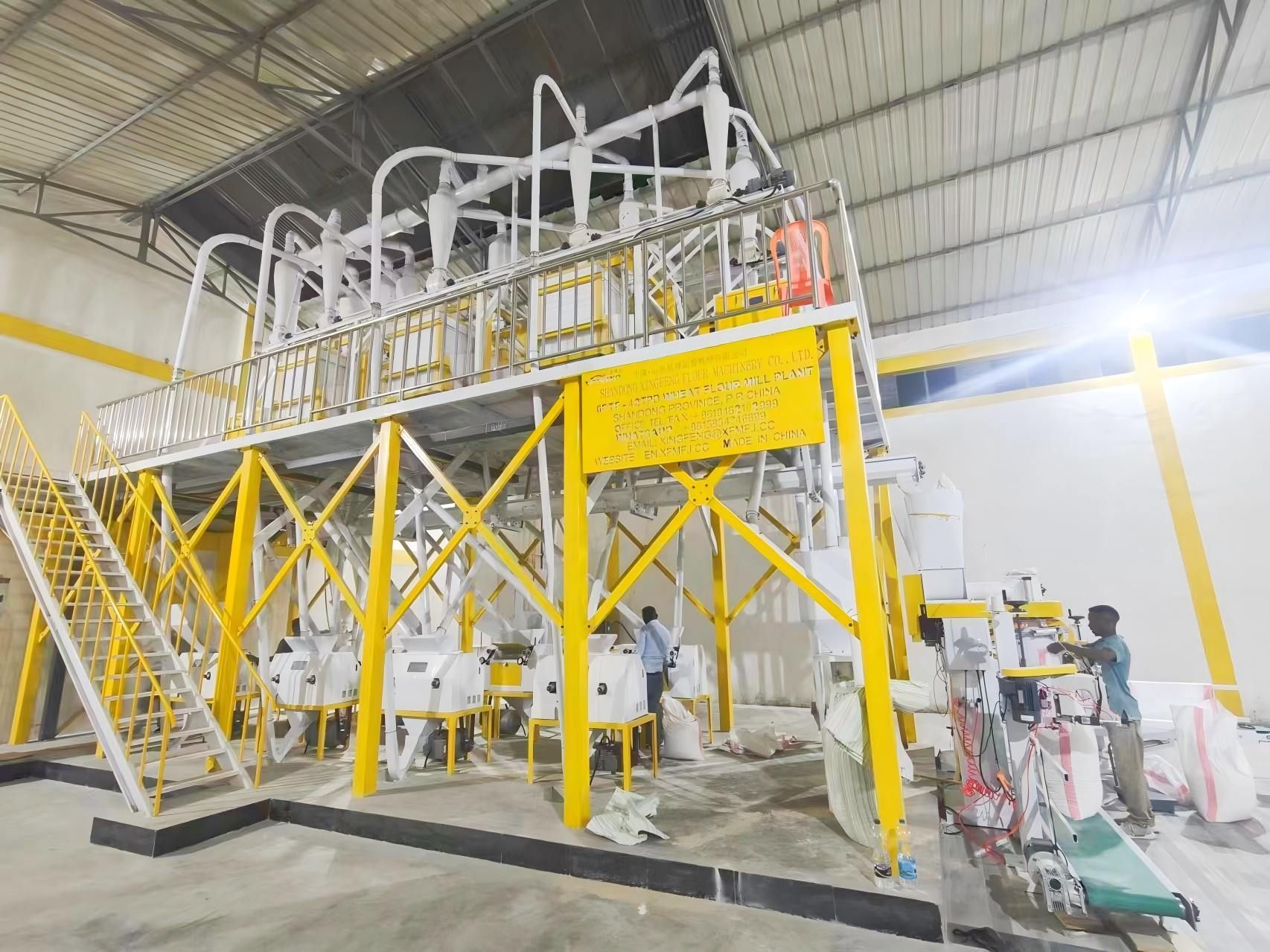
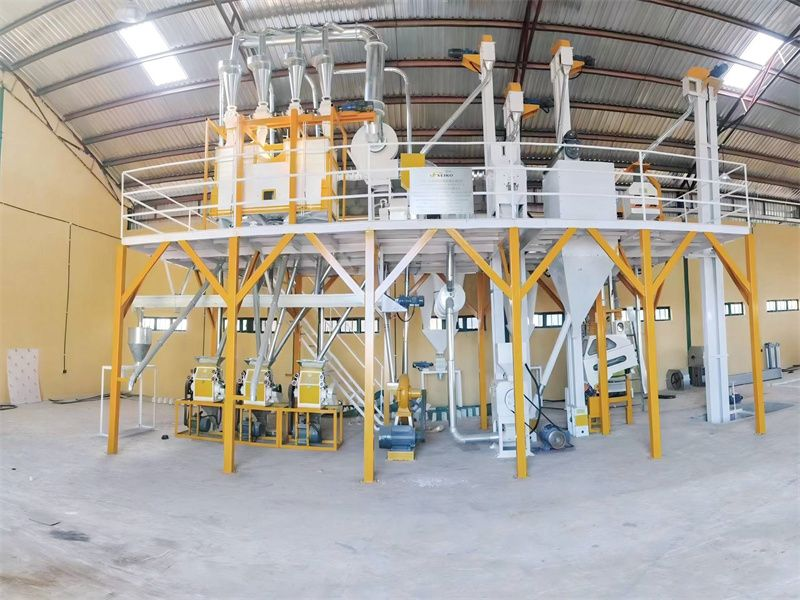
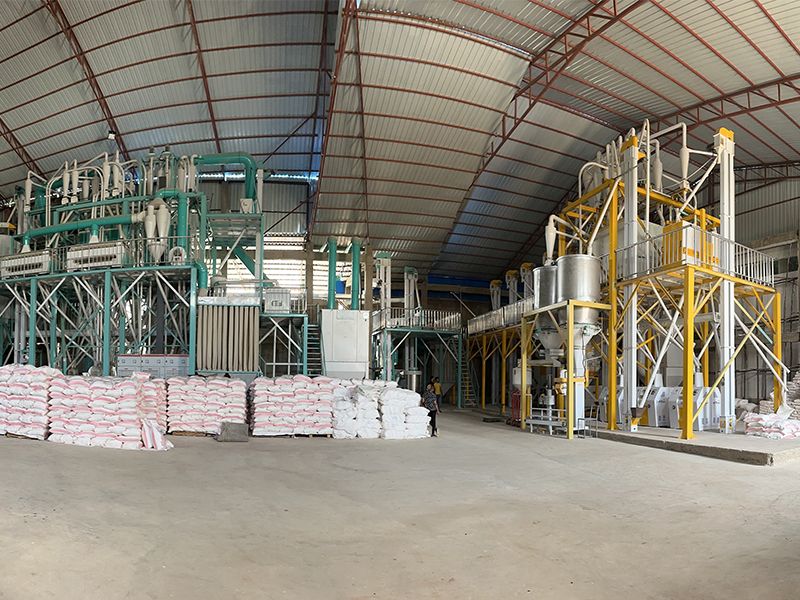
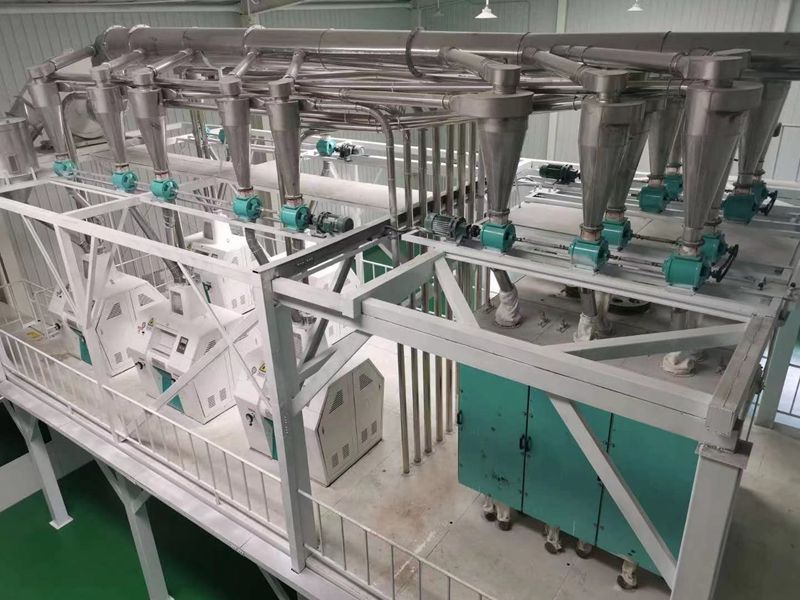
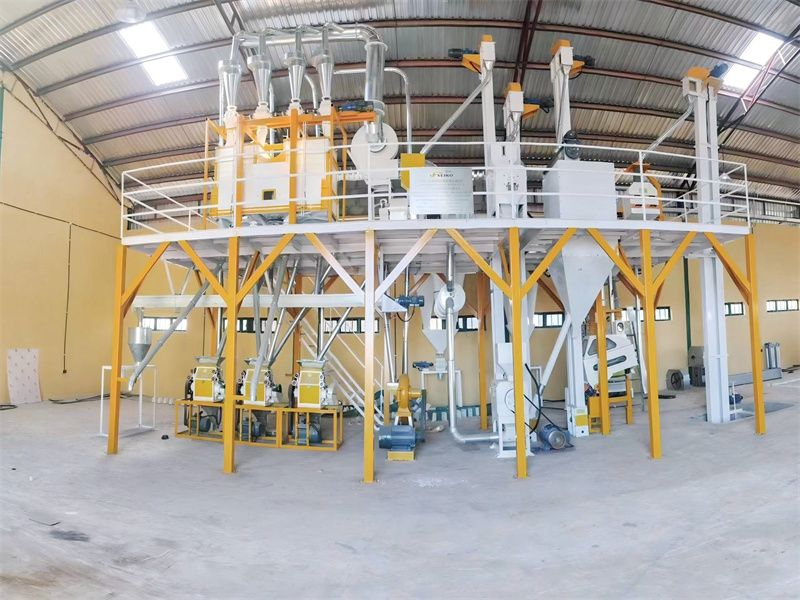
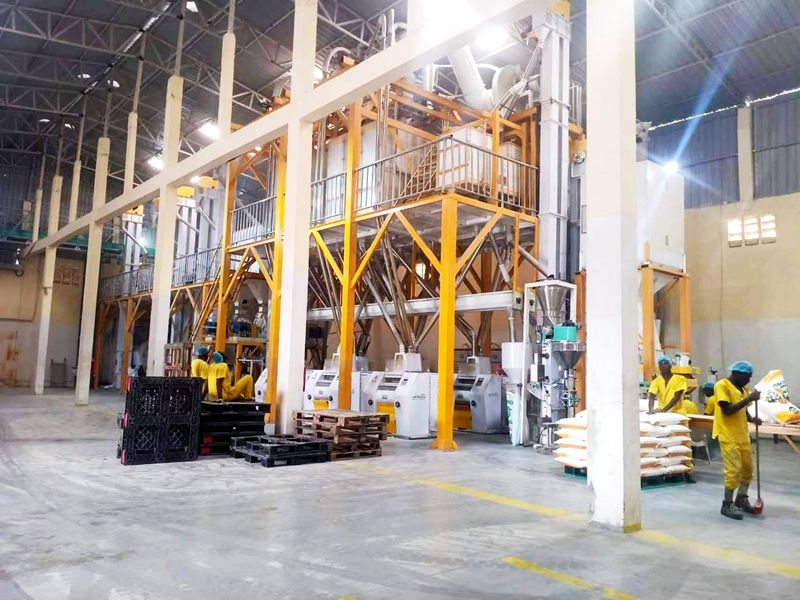
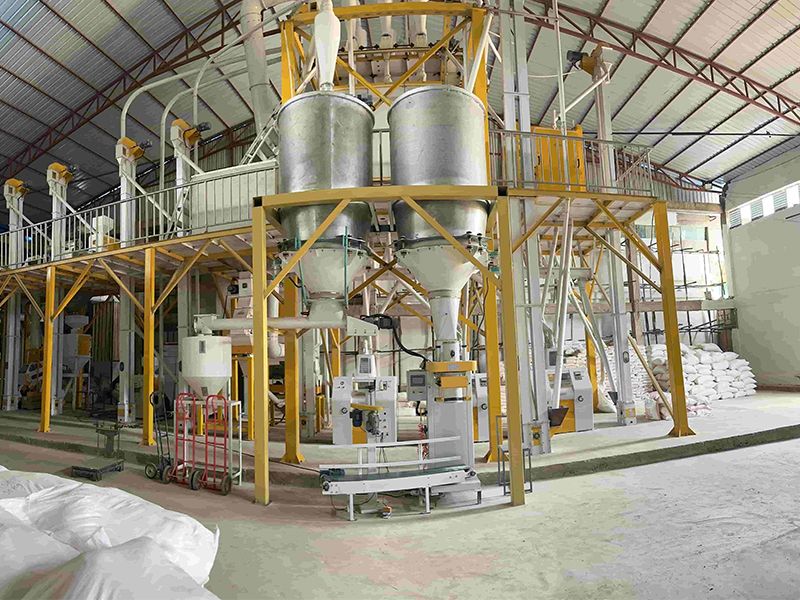
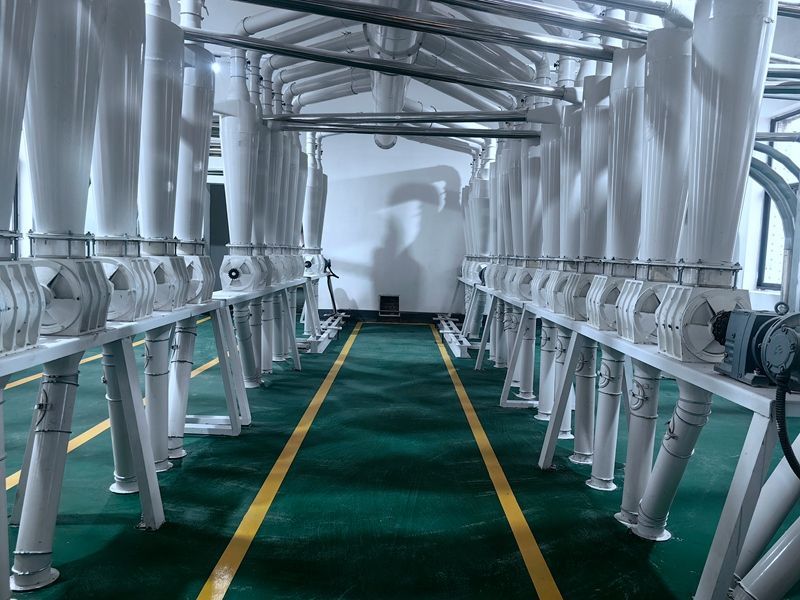
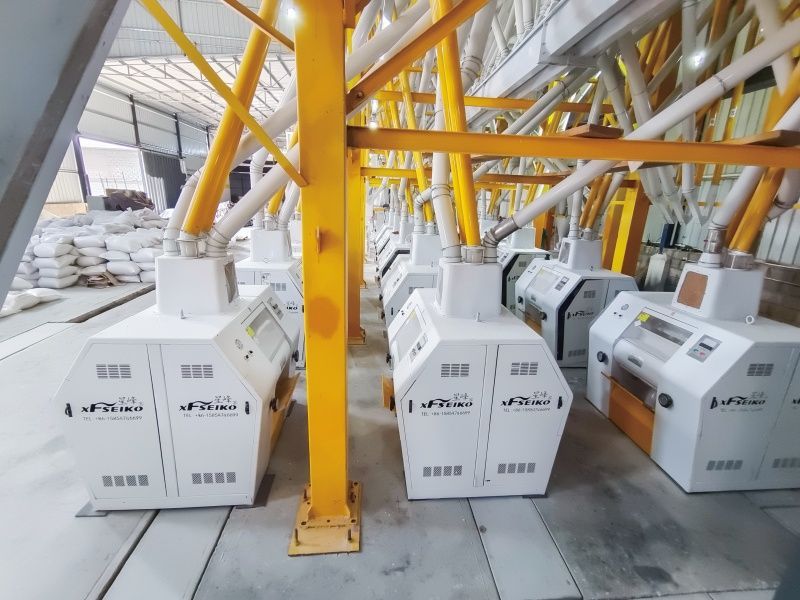
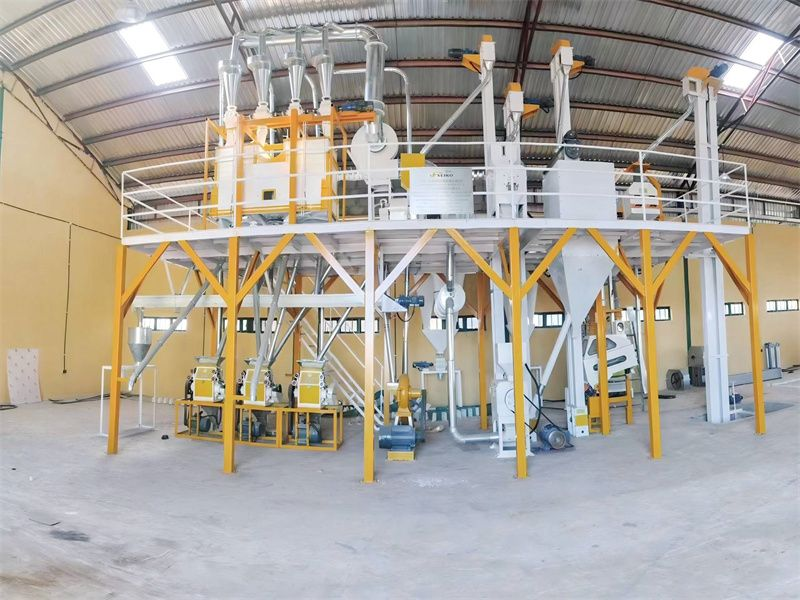
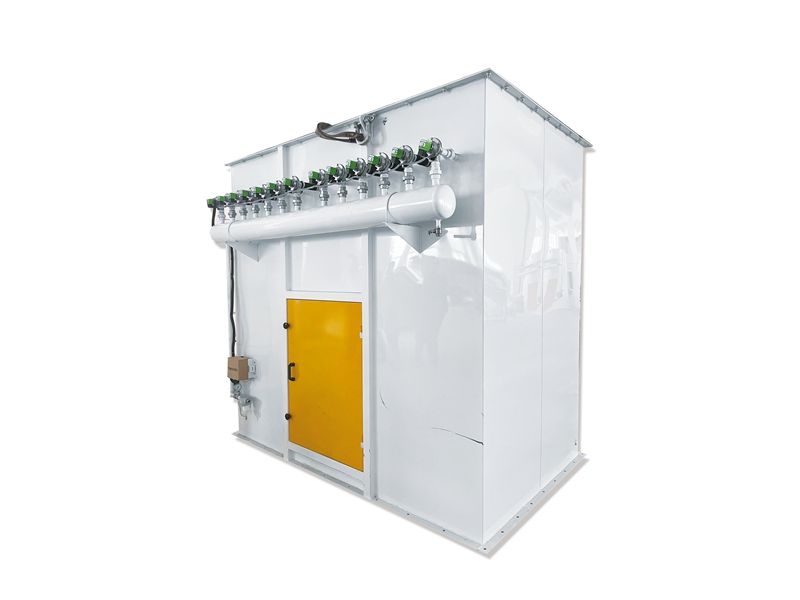
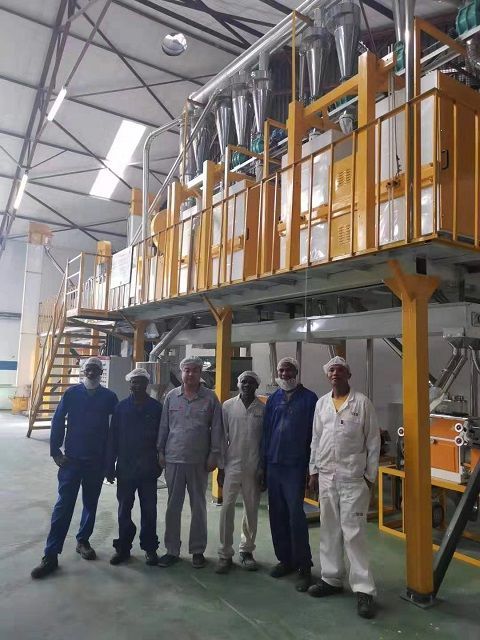
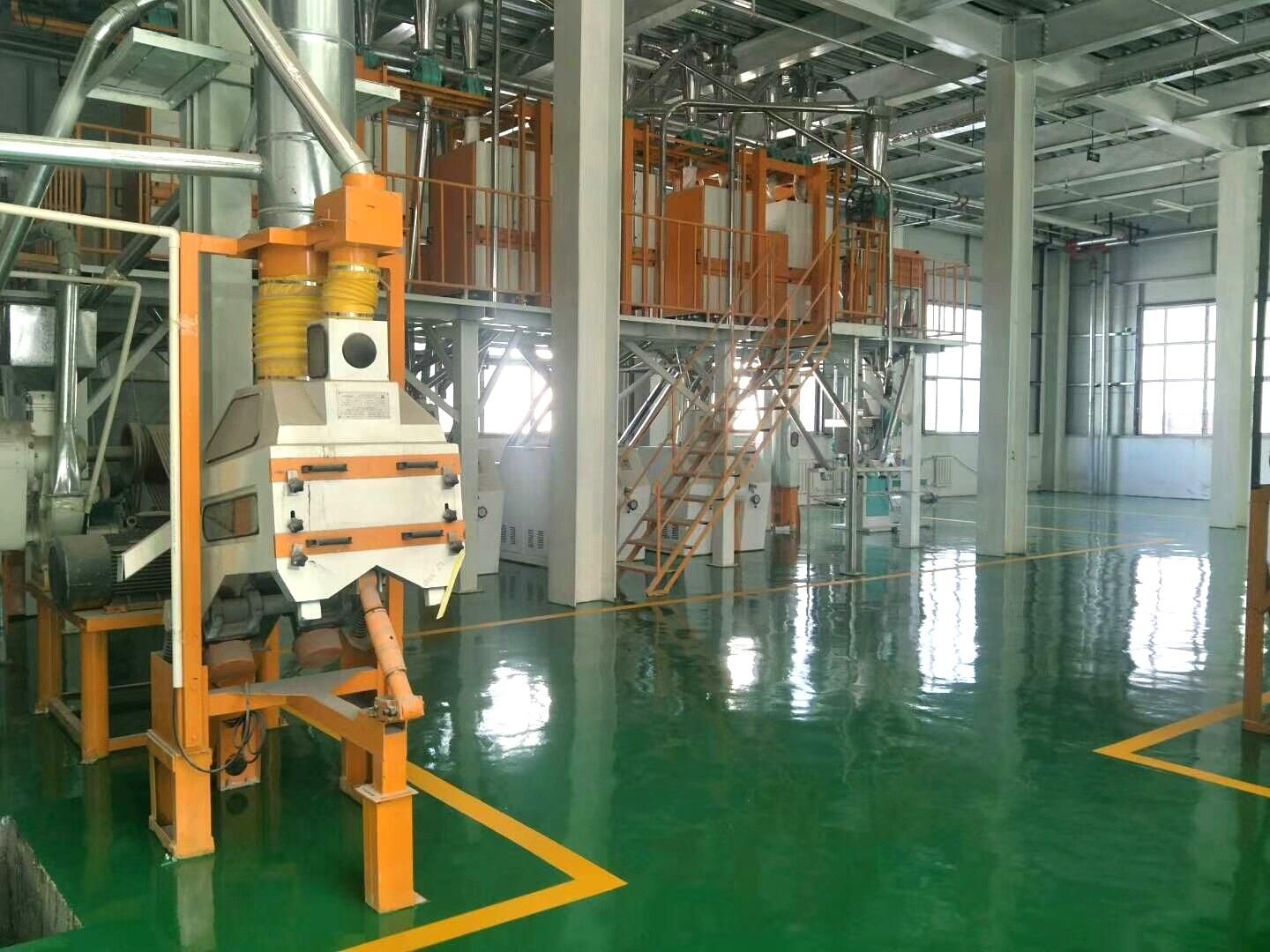
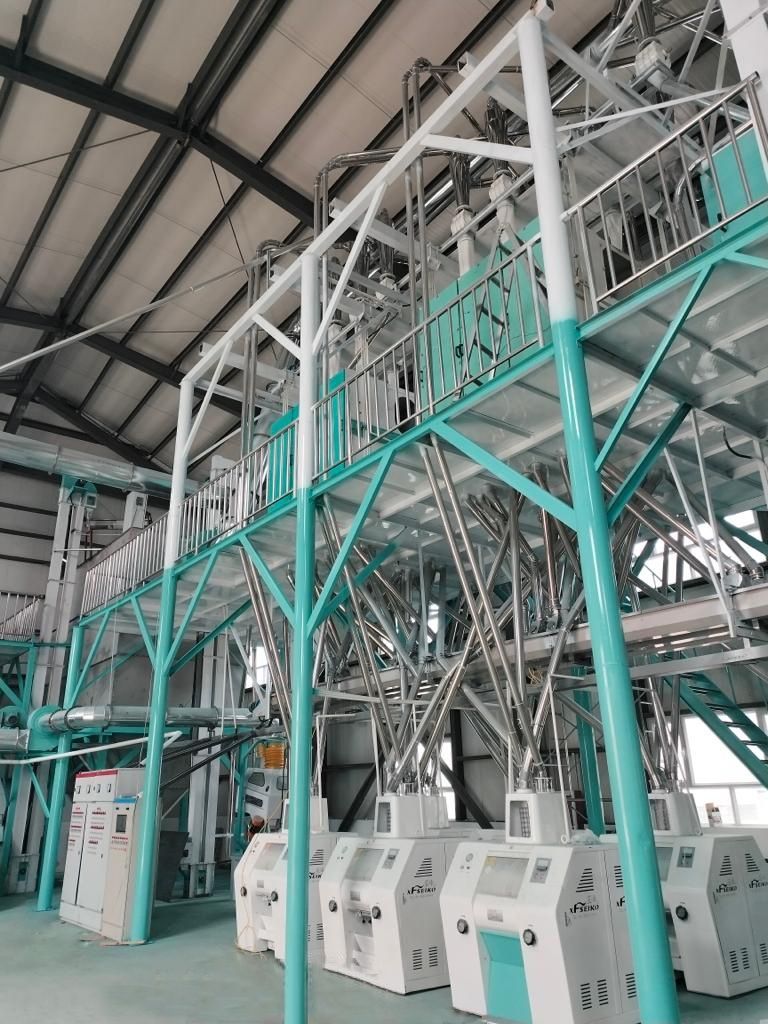
A 50TPD Maize Flour Mill Plant does not automatically produce 50 tonnes every day, and this difference determines the cost per ton. When a mill runs at 70% utilization, its fixed costs are spread over fewer tonnes; when it runs near its validated throughput, the fixed cost per ton usually falls. The practical calculation combines capacity utilization, maize milling efficiency, fixed-cost absorption, maize flour extraction rate, energy consumption, and downtime control. The formulas and worked example below show how a medium maize mill can identify its break-even output without confusing rated capacity with saleable flour.

Capacity utilization is the relationship between actual accepted output and the mill’s validated available capacity:
Capacity utilization (%) = actual saleable output ÷ validated available capacity × 100
For a mill described as 50 tonnes per day, the 50-tonne figure must be defined. It may refer to:
These are not interchangeable. If a plant receives 50 tonnes of maize but produces 36 tonnes of flour, the cost per tonne of flour must use 36 tonnes as the denominator. By contrast, a raw-material conversion calculation may use the 50 tonnes of cleaned maize entering the process.
| Capacity term | Meaning | Required record |
|---|---|---|
| Nameplate capacity | Manufacturer’s stated design rate | Quotation, test certificate, and operating conditions |
| Validated throughput | Rate confirmed during a controlled production test | Start and end weights, moisture, product specification, and test duration |
| Available capacity | Validated rate adjusted for scheduled operating hours | Production calendar and planned maintenance hours |
| Actual throughput | Material that passed through the process during the period | Calibrated weighbridge, hopper scale, or batch records |
| Saleable output | Product released after quality inspection | Finished-product weights, sieve results, moisture, and release records |
For example, if the validated rate is 50 tonnes of cleaned maize per 24-hour day and the mill operates 26 days per month, theoretical monthly available capacity is 1,300 tonnes of cleaned maize. If only 910 tonnes are processed, utilization is 70%. This calculation does not prove that the flour department is operating at 70% unless flour yield and rejected batches are also recorded.
The cost structure normally contains fixed, semi-variable, and variable components.
Fixed costs do not change in direct proportion to tonnes produced during a normal operating range. They may include:
The fixed-cost allocation is:
Fixed cost per ton = monthly fixed cost ÷ saleable tonnes per month
If monthly fixed cost remains unchanged while production falls, the denominator becomes smaller. This is the main reason a plant can have acceptable margins at 90% utilization and lose money at 40% utilization even when the maize purchase price is unchanged.
Variable costs generally include raw maize, packaging, process losses, electricity linked to running hours, consumables, and transport-related handling. Semi-variable costs include maintenance labor, compressed-air use, cleaning labor, and generator fuel where a minimum runtime is required.
Use separate cost centers for:
This separation helps identify whether the high cost comes from idle equipment, excessive reprocessing, poor extraction, high power demand, or low sales volume.
The following is a transparent calculation model, not a claim about a particular factory. Replace the assumptions with your invoices, payroll, meter readings, and production records.
Assumptions:
| Utilization | Monthly output | Fixed cost per ton | Variable cost per ton | Calculated processing cost per ton |
|---|---|---|---|---|
| 100% | 1,300 tonnes | US$13.85 | US$42.00 | US$55.85 |
| 70% | 910 tonnes | US$19.78 | US$42.00 | US$61.78 |
| 40% | 520 tonnes | US$34.62 | US$42.00 | US$76.62 |
The processing cost rises from US$55.85 to US$76.62 per ton when utilization falls from 100% to 40% in this model. That is a US$20.77 increase per ton before considering extra generator fuel, overtime, startup losses, or additional storage.
Raw maize should then be added separately. If a product requires 1.40 tonnes of cleaned maize for one tonne of released flour, the maize cost must be multiplied by 1.40. The actual factor must come from a weighed mass-balance test rather than a generic brochure yield.
A reliable utilization figure requires consistent measurement boundaries. Prepare the following before changing the production schedule.
Sampling should follow a documented plan. ISO 24333 addresses sampling of cereals and cereal products, while ISO 712-1 is used for moisture determination in cereals and cereal products. The laboratory must confirm that its selected method is suitable for maize flour and recognized by the buyer or regulator.
Tools: product specification, process-flow diagram, production ledger, and accounting chart of accounts.
Action: Decide whether the calculation is per tonne of cleaned maize, total milled product, or released maize flour. Record whether bran and germ revenue will be treated as by-product income or as separate products.
Parameters: Use one declared period, such as a calendar month, and one product grade at a time. Record moisture basis, sieve requirement, packaging size, and acceptable quality limits.
Check: The intake total minus process inventory changes, finished product, by-products, and measured losses should reconcile within the plant’s approved tolerance.
Failure fix: If the balance does not reconcile, check wet-basis versus dry-basis weights, unrecorded stock, scale calibration, spillage, and flour trapped in filters or conveyors.
Tools: calibrated scale, timer, sample labels, moisture meter, and batch sheet.
Action: Run a controlled test using the intended maize variety, moisture range, screen configuration, and product specification. Weigh material entering and leaving the process at regular intervals.
Parameters: Document feed rate in tonnes per hour, operating hours, stoppages, motor load, product moisture, sieve results, and rejected material. Do not describe the result as 50TPD unless the test conditions support that rate.
Check: Repeat the test on more than one production shift or lot where practical. Confirm that the output meets the buyer’s flour specification while the mill is running at the stated rate.
Failure fix: If the line reaches the target tonnage but flour fails sieve, moisture, color, or contamination requirements, classify the rate as non-saleable throughput rather than usable capacity.
Tools: downtime form, programmable logic controller records where available, maintenance log, and operator interview sheet.
Action: Record every stop longer than the site’s chosen threshold. Use separate codes for cleaning, maize shortage, packaging shortage, electrical failure, mechanical failure, changeover, quality hold, and labor shortage.
Parameters: Record start time, end time, affected equipment, lost tonnes, and corrective action. A 30-minute stop on a 50TPD line is not equivalent to a 30-minute stop on a 10TPD line, so convert time into lost production using the validated hourly rate.
Check: Reconcile the downtime log with production-control timestamps and electricity demand records.
Failure fix: If operators report “no production” without a cause, introduce a short list of mandatory downtime codes and require supervisor approval at shift end.
Tools: kWh meter, generator fuel log, production scale, and equipment running-hour meter.
Action: Record electricity or fuel consumed during the same period as the weighed output. Separate base-load consumption from process-load consumption if the meter permits.
Parameters: Calculate:
Energy intensity = total kWh used ÷ released tonnes
Where generator fuel is used, record liters, operating hours, and the generator’s measured fuel rate rather than converting from a generic estimate.
Check: Compare energy per ton at high and low utilization. Startup, shutdown, lighting, aspiration, and compressors can consume energy even when the mill is not producing.
Failure fix: If energy per ton increases sharply at low utilization, reduce unnecessary idle running, coordinate cleaning and changeovers, and check for blocked filters, belt slip, bearing friction, or poor motor loading.
Tools: calibrated scales at intake and discharge, product sample bags, laboratory balance, and moisture-testing equipment.
Action: Weigh cleaned maize, flour, grits, germ, bran, screenings, and waste for each test lot.
Parameters: Calculate each stream on the same moisture basis. A useful mass-balance expression is:
Recovery (%) = total weighed output ÷ total weighed input × 100
Separate saleable flour recovery from total product recovery. A high total recovery is not necessarily profitable if too much material is downgraded or sold as a low-value by-product.
Check: Test moisture, particle-size distribution, ash where required, and visible contamination. For maize flour, Codex Standard CXS 153-1985 provides an international reference for maize and maize products; local legal limits and customer specifications take precedence. Codex commonly lists a maximum moisture level of 15.5% for relevant maize products, but the exact product category and national adoption must be verified before release.
Failure fix: If flour recovery falls, inspect degerminator settings, aspiration losses, sieve cloth condition, feed uniformity, maize moisture, and excessive removal of endosperm with bran.
Tools: general ledger, payroll report, utility invoices, maintenance invoices, inventory report, and production ledger.
Action: Classify each expense as fixed, variable, or semi-variable. Divide fixed cost by released tonnes, then add variable cost per ton and any product-specific packaging or quality cost.
Parameters:
Total cost per ton = raw-material cost per ton + processing cost per ton + packaging cost per ton + quality and logistics cost per ton − by-product credit per ton
Check: Compare the calculated result with the income statement and inventory valuation. Differences often arise because accounting uses purchased maize while operations use processed maize.
Failure fix: Reconcile opening inventory, purchases, closing inventory, moisture adjustments, stock transfers, and unsold finished goods before changing the production plan.
Increasing utilization is not beneficial if it increases rejected flour, rework, customer returns, or unsafe product.
Quality holds should be included in utilization reporting. If the line produces 50 tonnes but 4 tonnes remain on hold, the plant has not achieved 50 tonnes of saleable output for cost accounting.
Problem: Management divides monthly fixed costs by 1,300 tonnes even though the line processed only 910 tonnes.
Solution: Use verified released tonnes and report nameplate, validated, and actual capacities separately.
Problem: The mill is powered for 16 hours, but operators spend two hours cleaning, one hour waiting for maize, and one hour clearing a blocked aspiration line.
Solution: Record productive hours and nonproductive hours with reason codes. Measure output during productive time.
Problem: Intake weight is compared directly with finished flour weight without adjusting for moisture, screenings, bran, germ, and waste.
Solution: Conduct a lot-based mass balance and report both wet-basis and dry-basis calculations where required.
Problem: A higher feed rate increases flour output but produces oversized particles, excessive bran contamination, or failed moisture results.
Solution: Define the maximum rate at which the product still meets specification. This is the commercial capacity, not merely the mechanical capacity.
Problem: The milling section can process 50 tonnes per day, but the packing machine, bag supply, or warehouse can handle only a lower rate.
Solution: Calculate the bottleneck capacity for cleaning, milling, sifting, packing, and dispatch. The lowest validated rate controls practical plant utilization.
Problem: A quotation promises a fixed output, extraction rate, or energy figure without test conditions.
Solution: Ask Xingfeng or any equipment supplier to state the maize variety, feed moisture, product grade, screen configuration, operating hours, power measurement point, acceptable product limits, and guaranteed test method in writing. Acceptance should be based on a witnessed performance test and signed production records.
A named personal operator story should be linked to an auditable production record, published report, or independently verified interview. No such source was supplied for a specific Xingfeng installation, so this article does not invent a customer name, location, investment amount, or claimed cost reduction. The worked figures above are explicitly a calculation model. For a real plant review, request at least three months of weighbridge records, utility bills, downtime logs, laboratory results, maintenance invoices, and dispatch records. That evidence can support a genuine case study without turning a supplier estimate into a fact.
Capacity utilization affects cost per ton mainly by changing how many saleable tonnes absorb fixed costs. In the transparent model above, the calculated processing cost increases from US$55.85 per ton at full utilization to US$76.62 per ton at 40% utilization, before raw maize and other commercial costs are added. The result will differ by country, energy tariff, labor structure, extraction rate, financing, and product specification.
For a 50TPD maize flour mill plant, the most reliable management routine is to validate throughput, weigh every significant material stream, record downtime by cause, test quality using approved methods, and calculate cost against released flour rather than nameplate capacity. This approach links capacity utilization, maize flour extraction rate, energy intensity, mass balance, and fixed-cost absorption to decisions that can be checked in the plant and in the accounts. A supplier such as Xingfeng should be evaluated against documented test conditions and measurable acceptance criteria, not adjectives such as “high efficiency” or “low cost.”
< Previous: None
> Next: Product Flexibility in a 150–180TPD Maize Flour Mill Plant

July. 07, 2024

August. 08, 2024
How to Use Wheat Flour Mill Plant Correctly?
This article provides a comprehensive guide on how to use a wheat flour mill plant correctly.

June. 06, 2025

March. 03, 2026

January. 01, 2024

February. 02, 2024