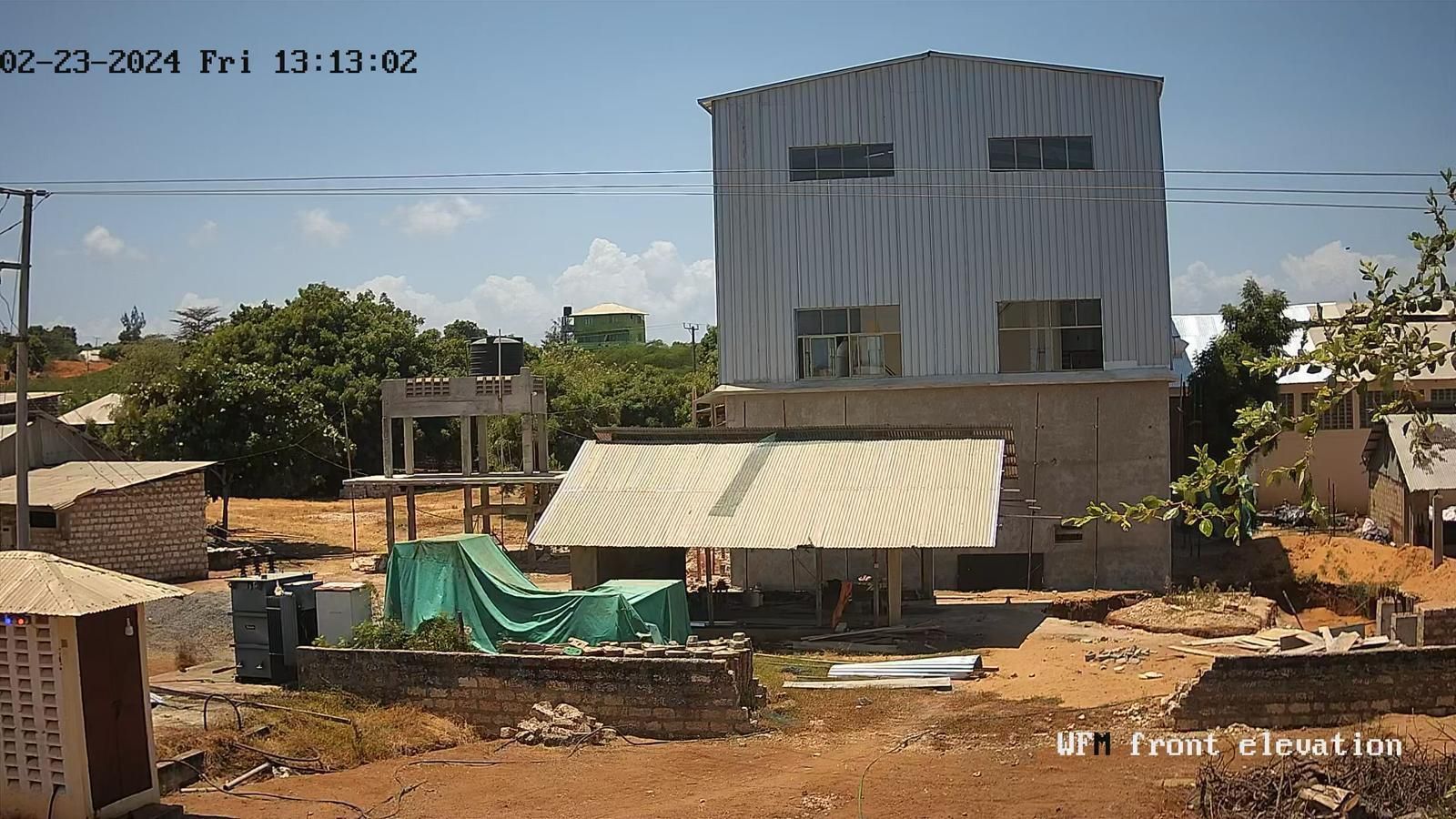
Corn (maize) milling projects play a crucial role in global food processing, transforming raw kernels into flour, grits, and meal used in everyday food products. A successful milling plant depends on two core factors: proper equipment selection and a well-structured layout design that ensures efficiency, safety, and scalability.
Based on industrial practices and turnkey engineering approaches used by grain processing providers such as Seiko Grain Mill, modern corn milling systems are designed as fully integrated production lines—from raw grain intake to finished product packaging.
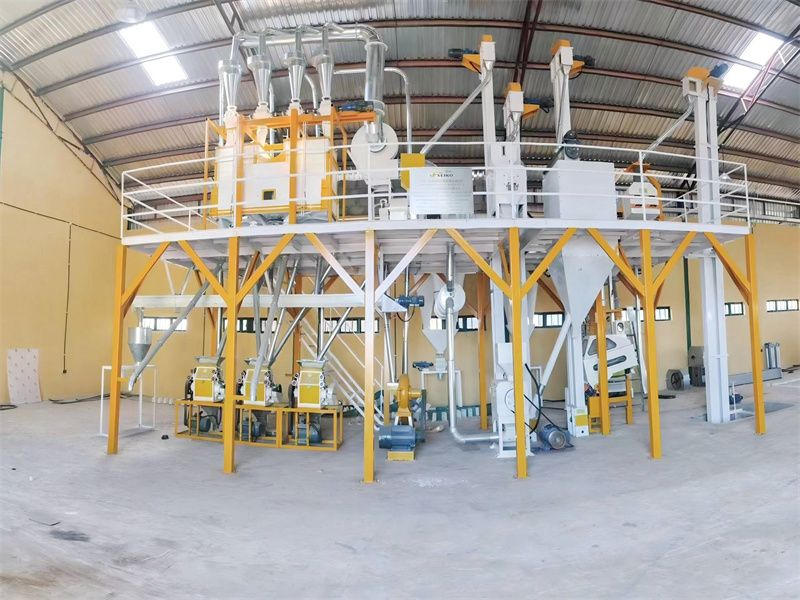
A complete corn milling system is not a single machine but a chain of interconnected processing units. Each stage plays a specific role in ensuring quality and efficiency.
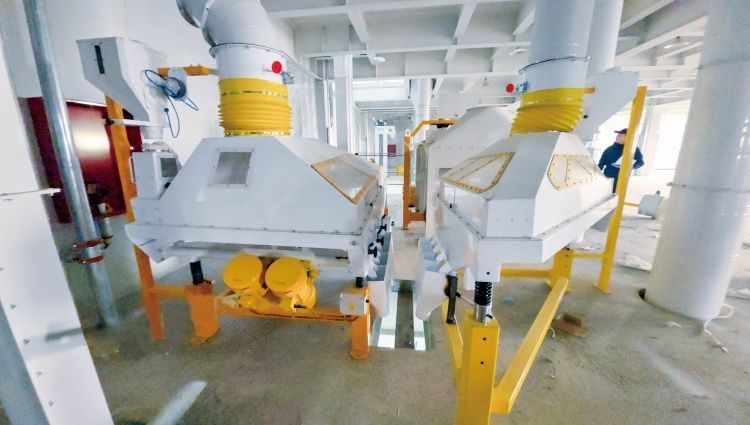
This is the first and most critical stage. It removes impurities such as dust, stones, metal, and husks.
Typical equipment includes:
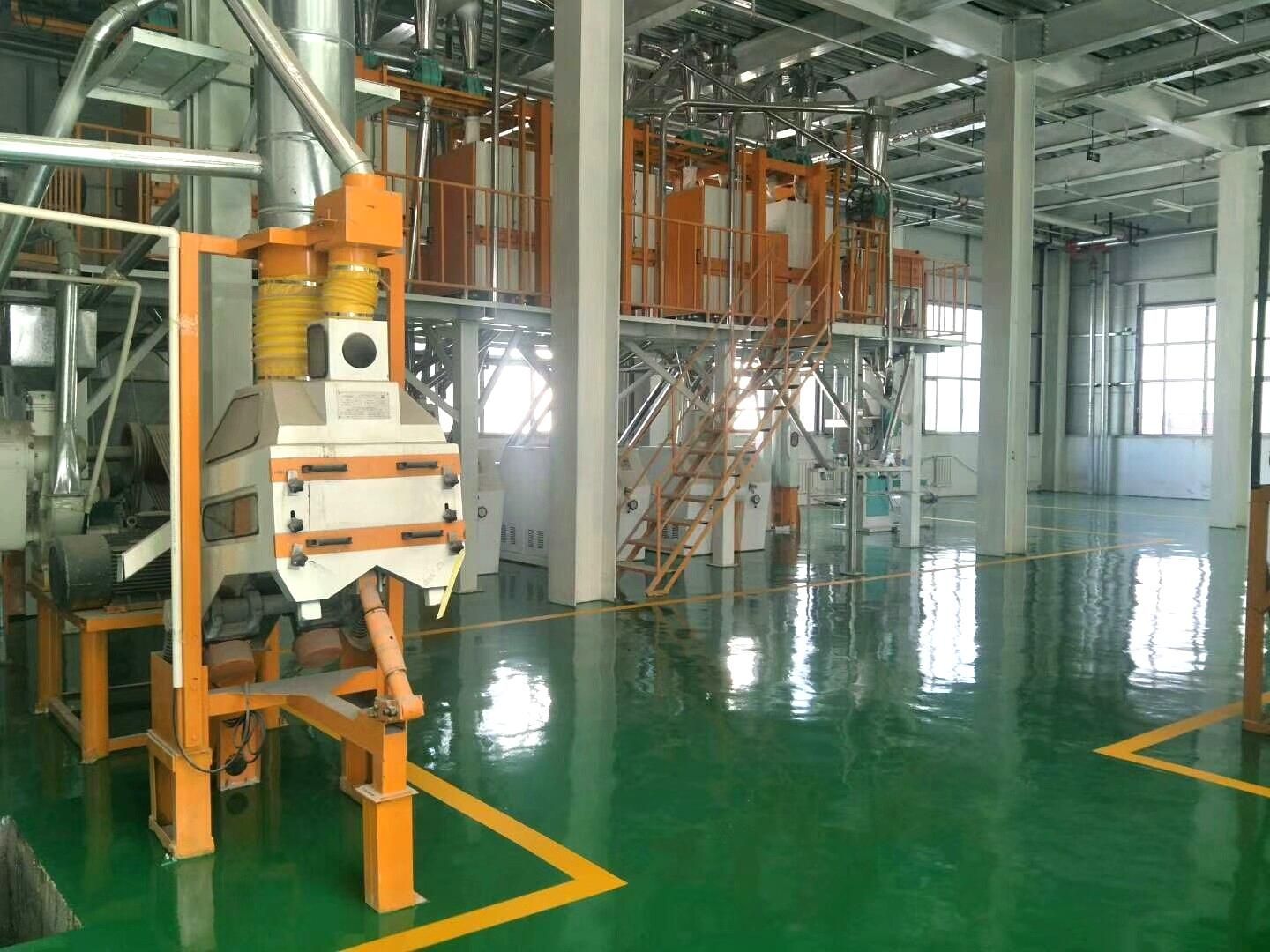
Vibrating cleaning screen
Destoner
Magnetic separator
Aspirator / air classifier
Purpose:
Protect downstream machinery
Improve flour quality
Ensure food safety
Before milling, corn kernels are often conditioned (moistened or tempered) to improve grinding efficiency.
Equipment:
Water dosing system
Tempering bins
Degerminator (removes germ and bran layers)
Purpose:
Improve flour extraction rate
Reduce energy consumption during grinding
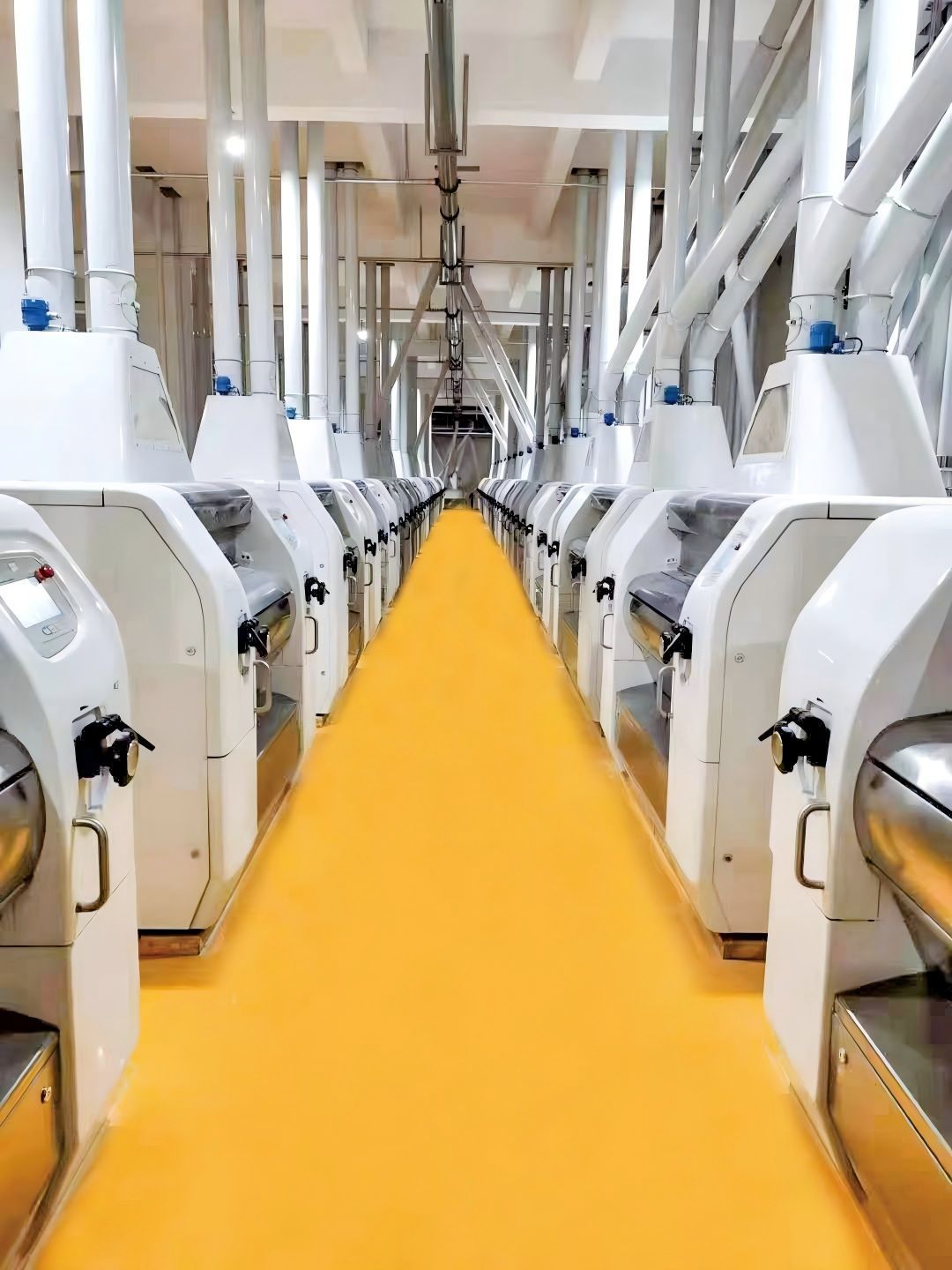
This is the heart of the entire system.
Main equipment:
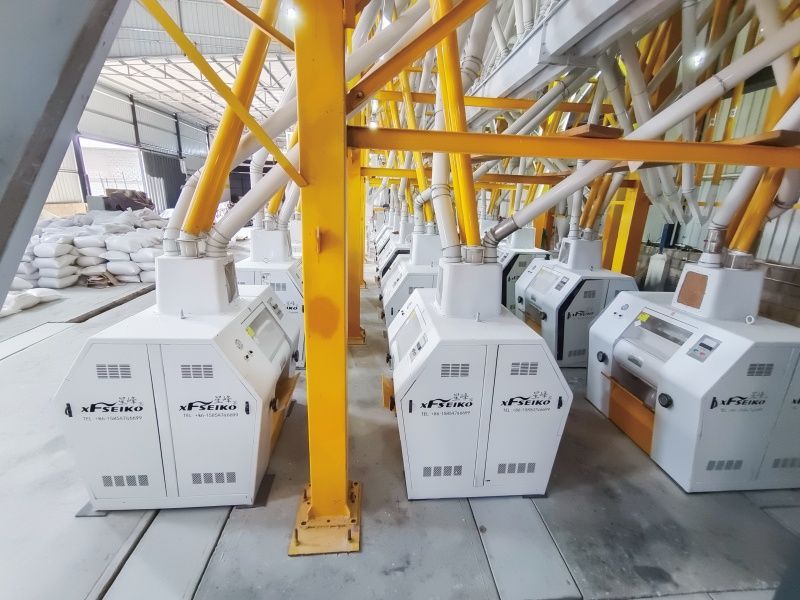
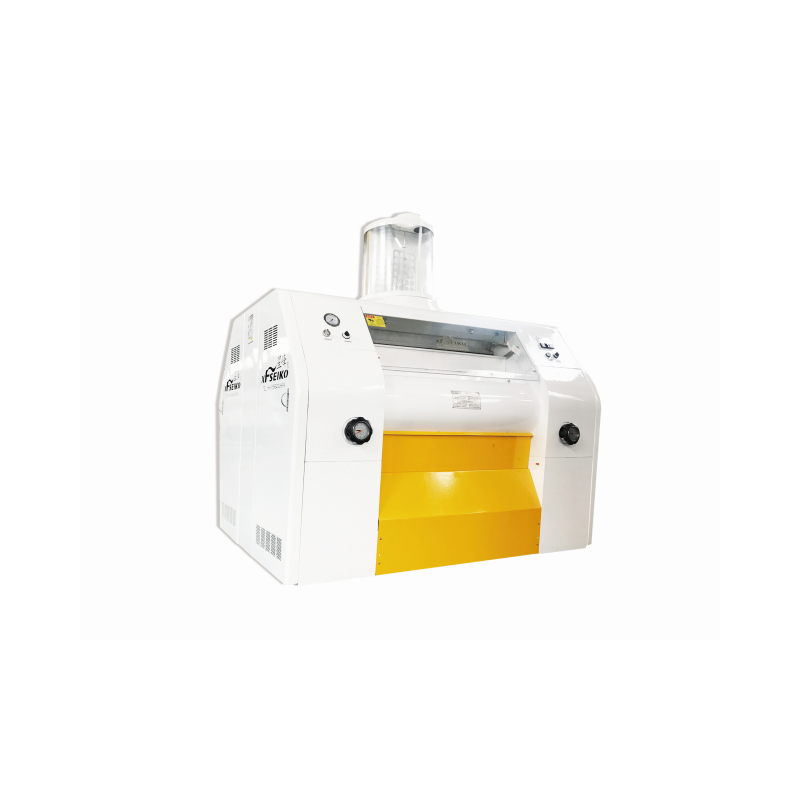
Roller mills (multiple stages)
Hammer mills (for coarse grinding or special products)
Grinding rollers with adjustable gaps
Function:
Break corn kernels step by step
Separate endosperm from bran and germ
Control particle size (flour vs grits)
After grinding, the material is separated into different particle sizes.
Equipment:
Plansifter
Vibrating sieves
Purifiers
Purpose:
Ensure uniform flour texture
Separate fine flour, coarse grits, and bran
Final products are weighed and packed for storage or sale.
Equipment:
Automatic weighing scale
Packaging machine
Conveyor system
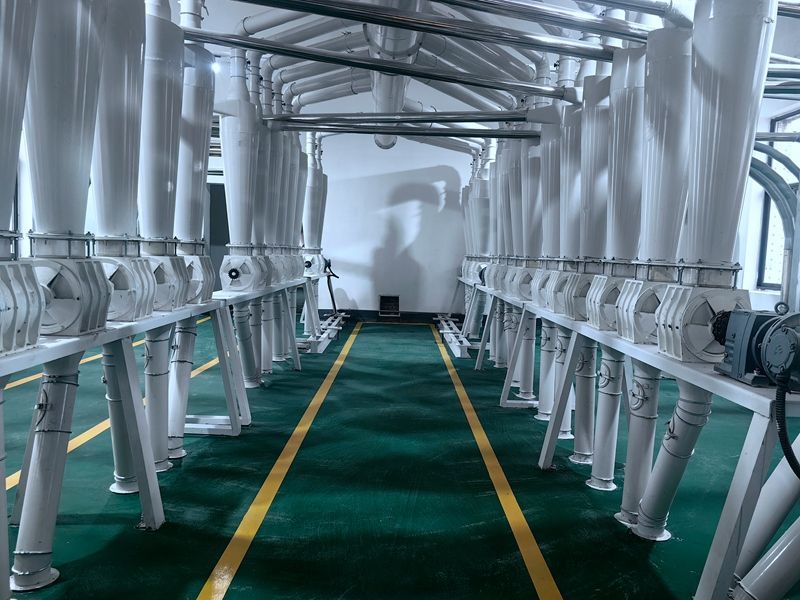
A good layout determines how smoothly materials move through the plant. Modern engineering focuses on a linear, flow-based design.
The most important principle is arranging equipment in production order:
Raw corn → Cleaning → Conditioning → Milling → Sifting → Packaging
This avoids backtracking and reduces handling time.
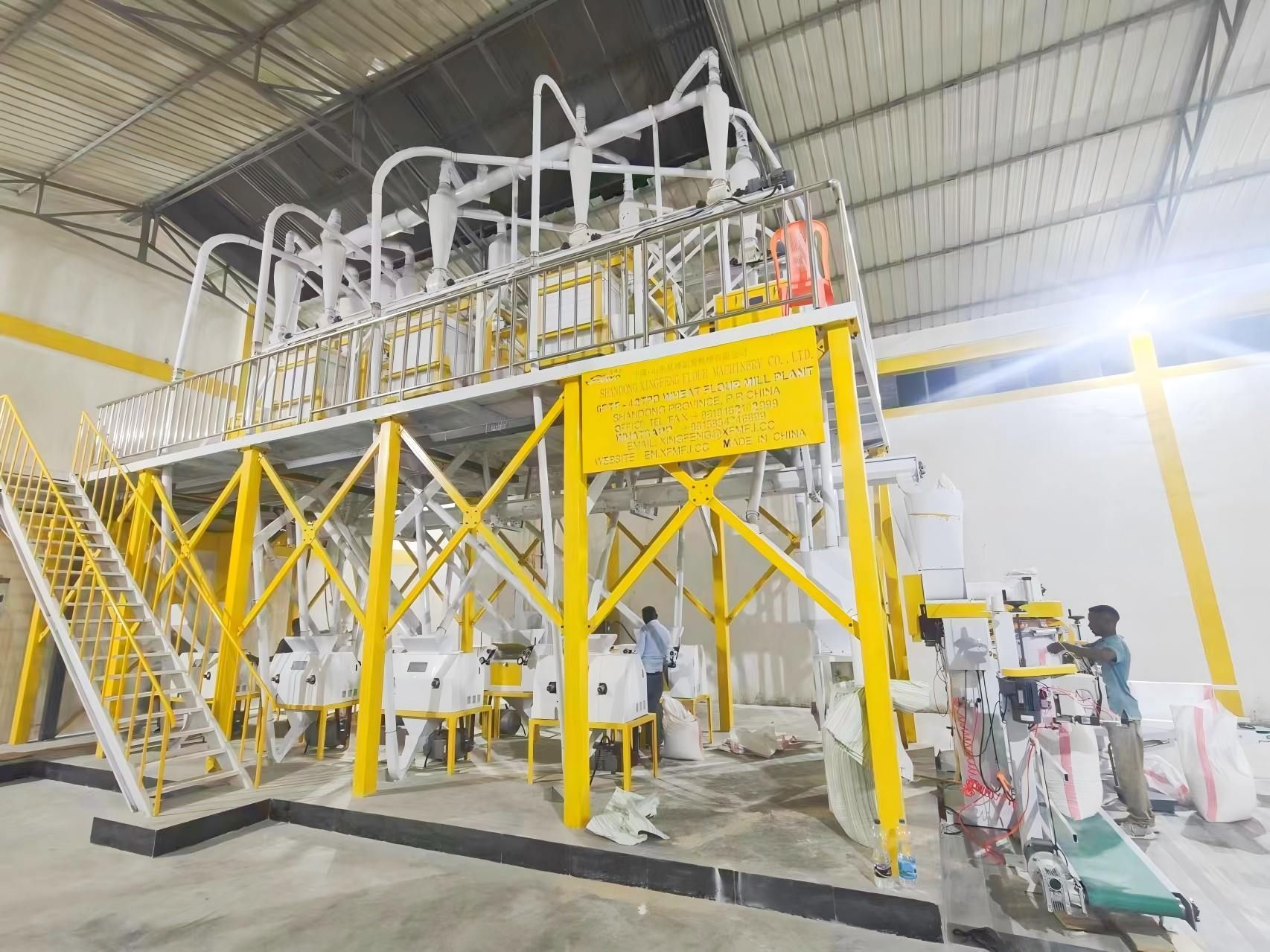
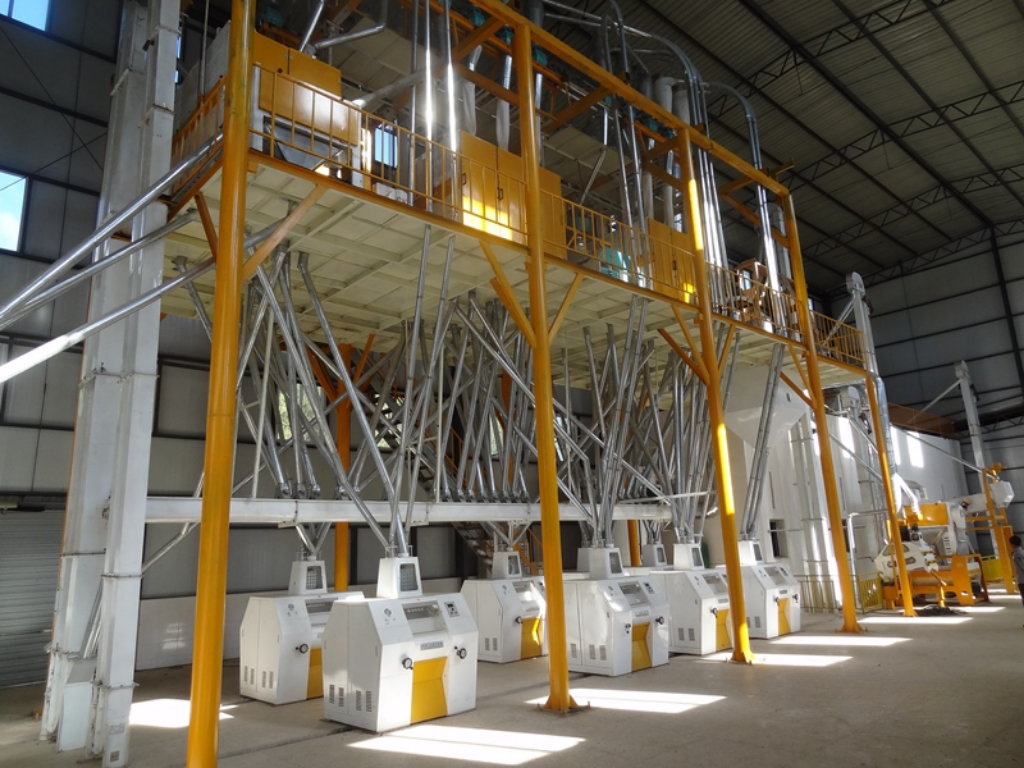
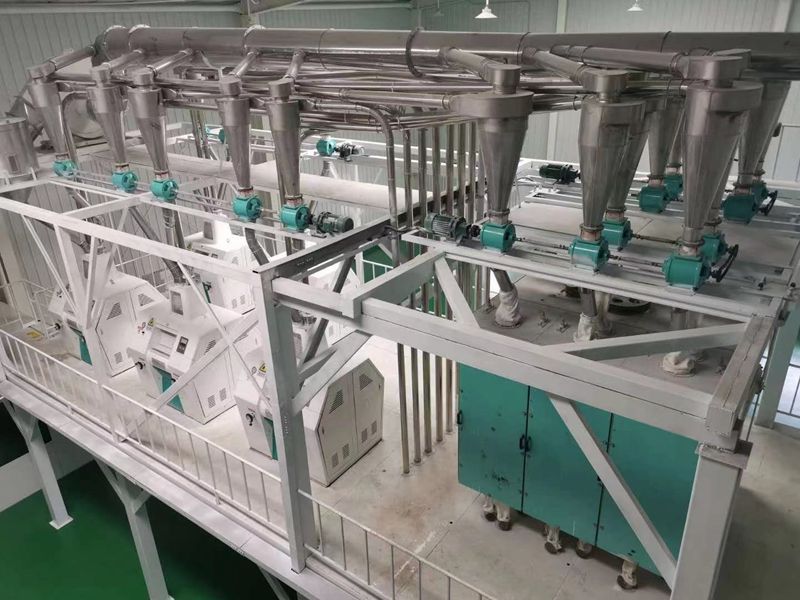
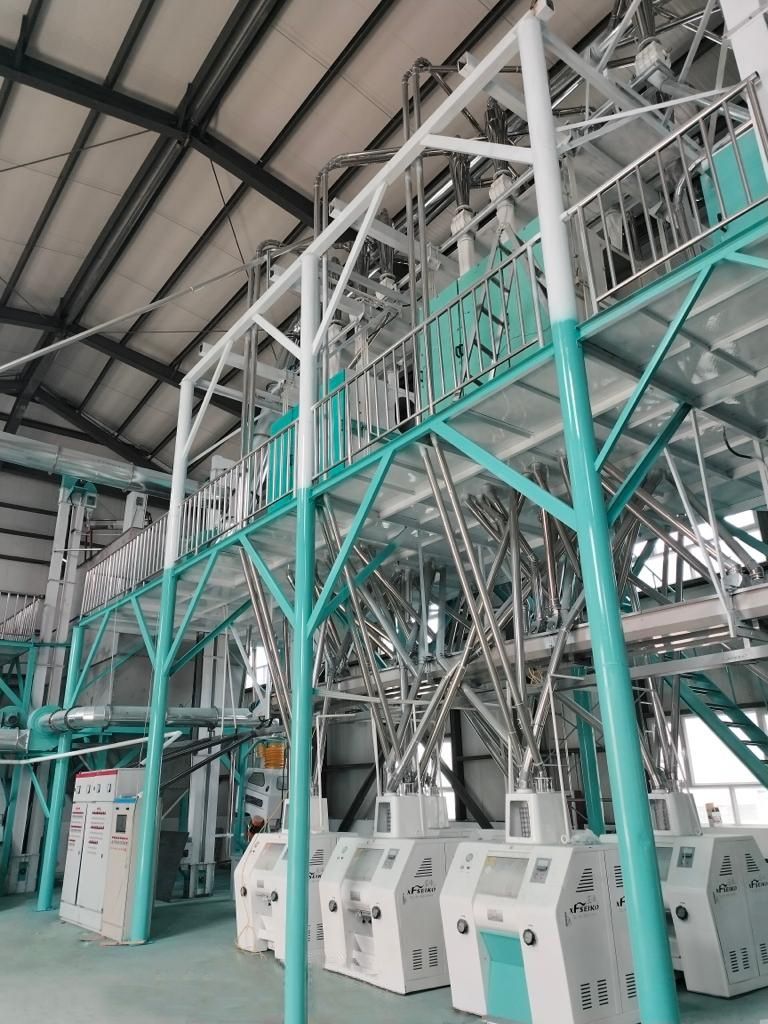
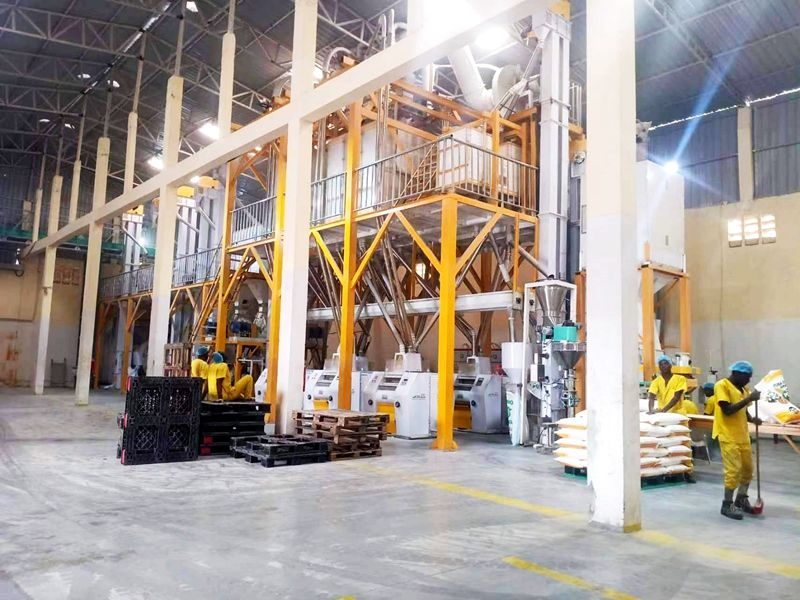
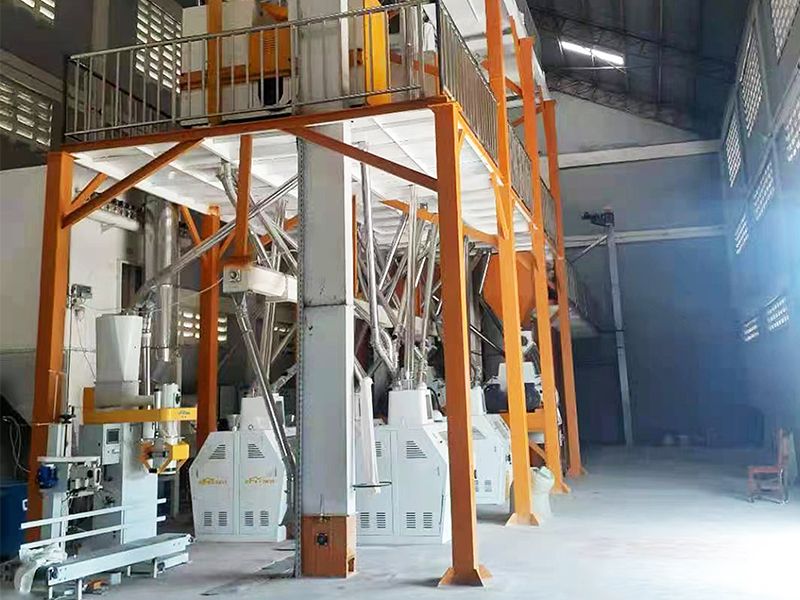
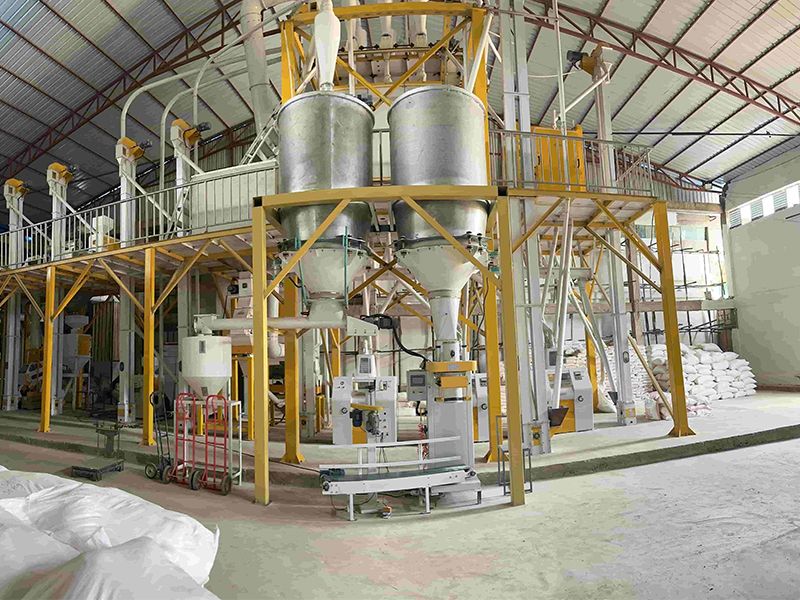
Many modern plants use multi-floor structures where gravity helps move materials downward between stages.
Benefits:
Lower energy consumption
Reduced mechanical conveying cost
Faster processing flow
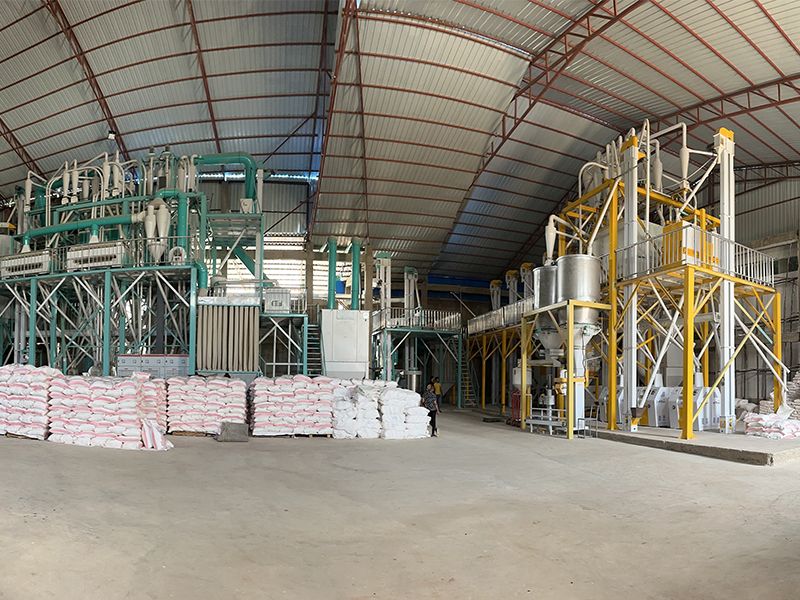
Large milling facilities are divided into functional zones:
Raw material storage zone
Processing zone
Finished product warehouse
Auxiliary systems (power, dust collection)
This improves safety and reduces cross-contamination.
Efficient layout must balance density and accessibility:
Minimum aisle width: ~1.0–1.5 m
Maintenance clearance around machines
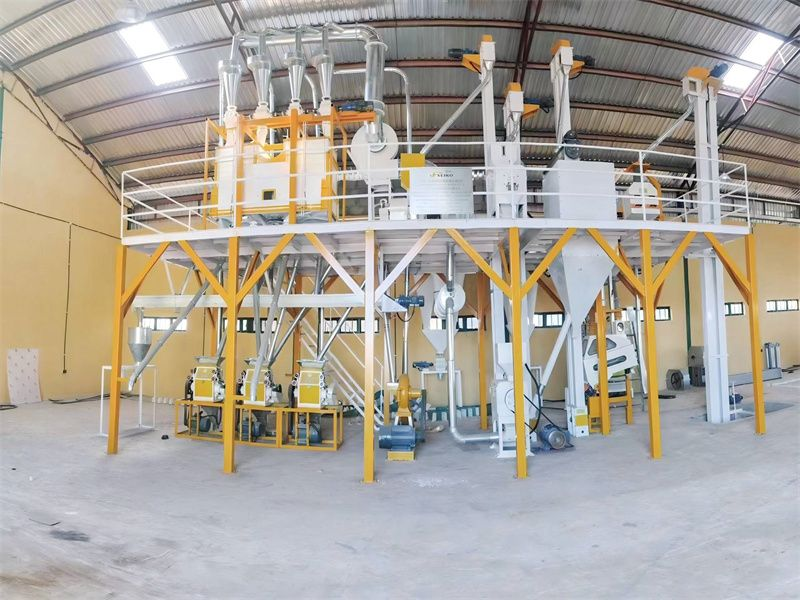
Compact arrangement for small plants, zoned layout for large ones
Corn milling produces significant dust, so layout must include:
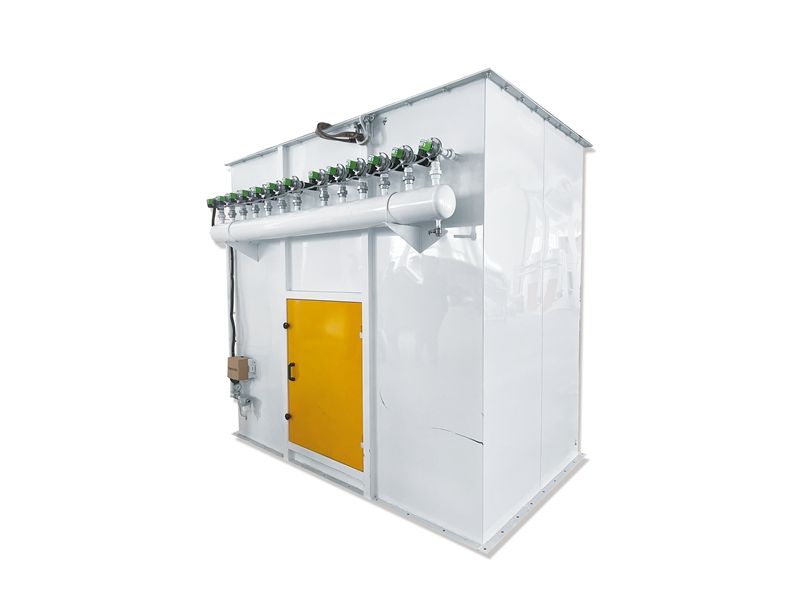
Dust collection ducts
Explosion-proof ventilation
Emergency exits near high-risk zones
Electrical isolation areas
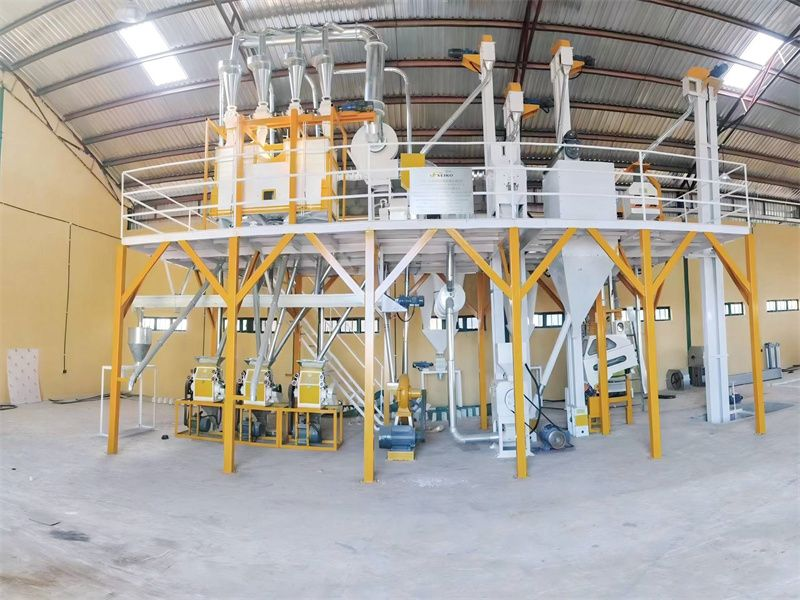
Simple straight-line layout
Compact equipment arrangement
Often single-floor operation
Suitable for local supply businesses
Semi-automated production line
Separate zones for cleaning and milling
Partial vertical transport systems
Fully automated system
Multi-floor gravity-fed layout
PLC control systems
High efficiency and low labor requirement
When planning a corn milling project, engineers typically evaluate:
Raw material quality and variety
Target products (flour, grits, meal)
Daily production capacity
Energy efficiency requirements
Expansion potential
Local environmental conditions
Corn milling project success depends on integrating the right processing equipment with an efficient flow-oriented plant layout. Modern systems prioritize automation, energy savings, and scalability, allowing mills to operate continuously with minimal labor while producing consistent high-quality output.
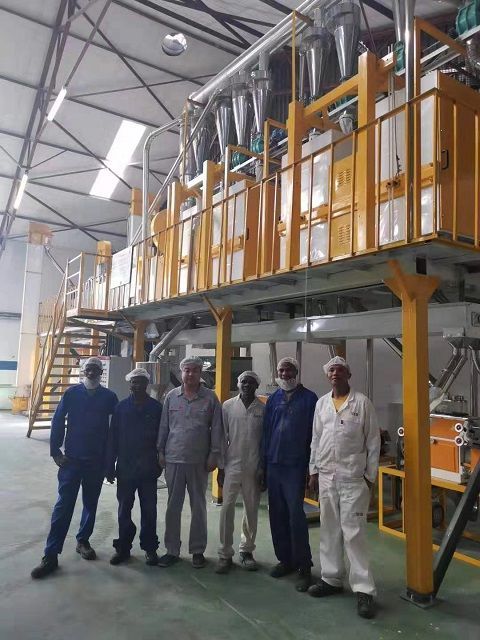
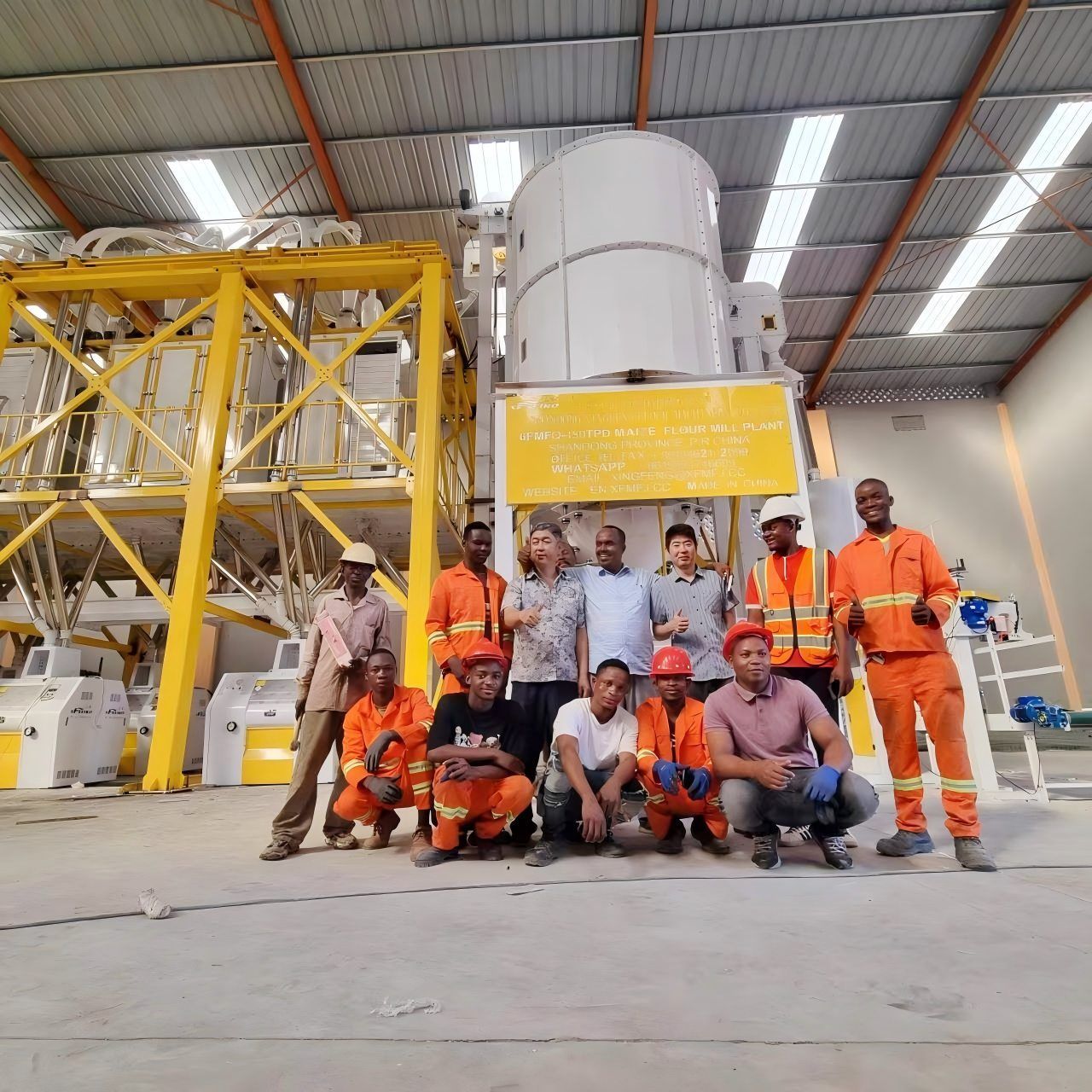
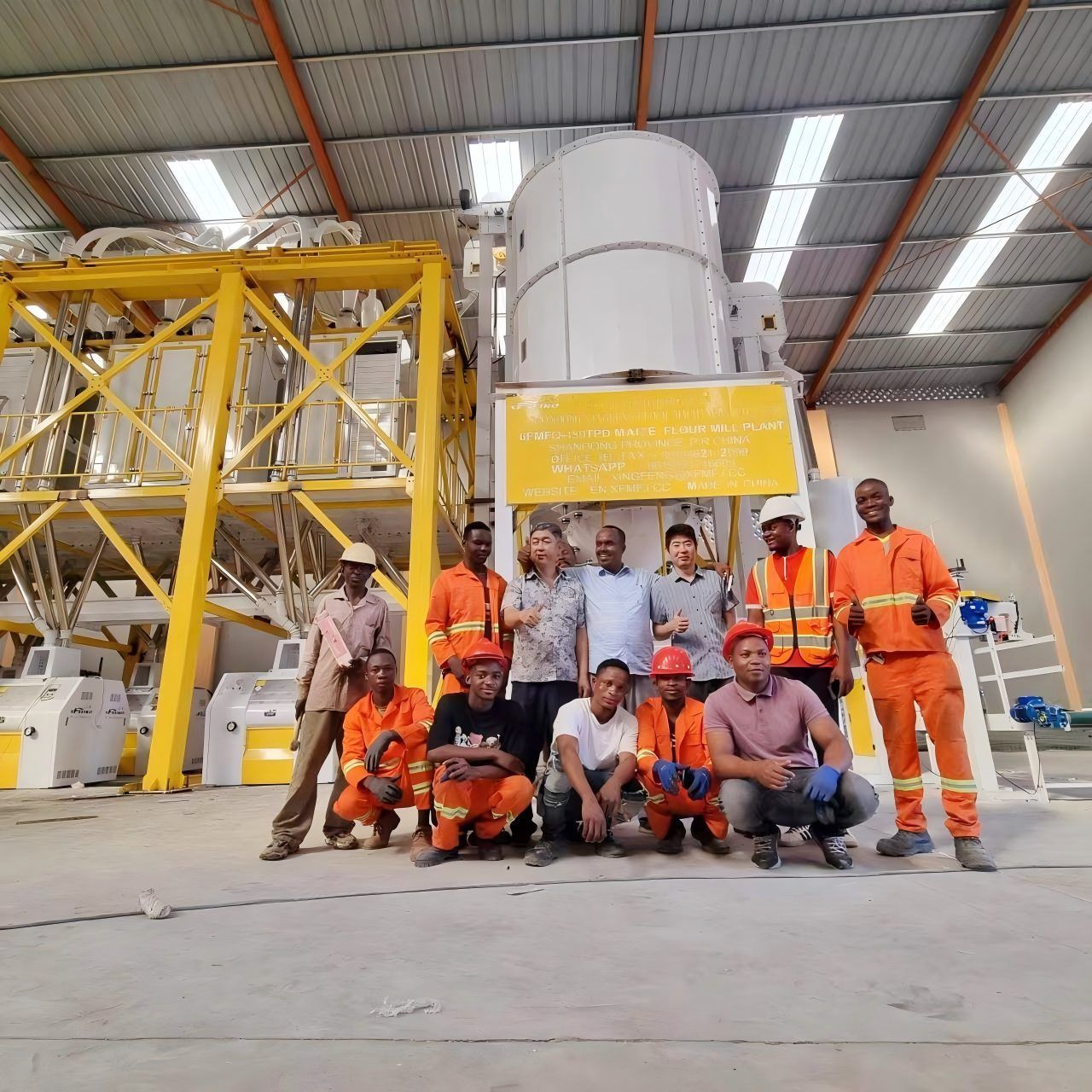
Companies like Seiko Grain Mill emphasize turnkey solutions that combine equipment supply, factory planning, installation, and training—ensuring that both small and large milling projects can be implemented efficiently and profitably.
< Previous: Maize Flour Processing Plant Cost
> Next: Exhibition preview

July. 07, 2024

February. 02, 2024

January. 01, 2024

June. 06, 2025

March. 03, 2026

August. 08, 2024
How to Use Wheat Flour Mill Plant Correctly?
This article provides a comprehensive guide on how to use a wheat flour mill plant correctly.