Choosing between a 60TPD vs 80TPD wheat flour mill plant is not simply a question of buying the larger machine. Buyers usually want to know the 60TPD Wheat Flour Mill Plant cost, the wheat flour mill plant space and staffing requirement, and the realistic daily flour yield. This comparison examines TPD capacity, wheat milling line design, roller mill configuration, flour extraction rate, tempering, plansifter performance, energy consumption, labor, price, and expansion risk so investors can select a plant that matches wheat supply, warehouse capacity, and local flour demand.

In flour milling, TPD normally means tonnes of wheat processed in 24 hours, not tonnes of finished flour packed for sale. A 60TPD plant is designed to process approximately 60 tonnes of cleaned wheat per day, while an 80TPD plant processes about 80 tonnes under the specified operating schedule.
Commercial flour yield depends on wheat variety, moisture, kernel hardness, ash target, bran separation and the number of flour grades produced. A realistic extraction range for standard bread flour is approximately 72% to 78%. Therefore:
These figures are planning estimates rather than guarantees. For example, high-extraction whole-wheat production can increase saleable output, while low-ash patent flour production may reduce total flour recovery. A supplier should calculate the mass balance after receiving wheat samples, laboratory data and the required flour specifications.
The table below compares typical ranges for an automated or semi-automated commercial installation. Actual values vary according to wheat cleaning intensity, flour grades, silo arrangement, pneumatic conveying, packing automation and local electrical standards.
| Parameter | 60TPD Wheat Flour Mill Plant | 80TPD Wheat Flour Mill Plant | Practical implication |
|---|---|---|---|
| Nominal wheat intake | 60 tonnes per 24 hours | 80 tonnes per 24 hours | The 80TPD line processes 33.3% more wheat. |
| Typical flour output at 72%–78% extraction | 43.2–46.8 tonnes/day | 57.6–62.4 tonnes/day | Actual output depends on flour grade and wheat quality. |
| Recommended operating schedule | 20–24 hours/day | 20–24 hours/day | Continuous operation normally improves equipment utilization. |
| Approximate installed motor power | 250–350 kW | 320–450 kW | Confirm transformer capacity, starting current and backup power. |
| Typical processing building area | 1,200–1,800 m² | 1,500–2,200 m² | Figures generally exclude large external grain silos and offices. |
| Recommended clear building height | 8–12 m, depending on layout | 8–14 m, depending on layout | Plansifter levels and pneumatic pipes affect height. |
| Typical production staff per shift | 8–12 people | 10–15 people | Automatic packing and centralized control can reduce staffing. |
| Indicative turnkey equipment budget | US$450,000–US$800,000 | US$550,000–US$950,000 | Usually excludes land, civil works, taxes, silos and working capital. |
| Raw wheat storage for 15 days | Approximately 900 tonnes | Approximately 1,200 tonnes | Storage planning should include safety stock and seasonal purchasing. |
The most important detail is that capacity should be defined at the plant inlet. Some quotations use “60 tonnes of flour per day” to describe a system that actually requires 75–85 tonnes of wheat input. A serious technical offer should state wheat intake, flour extraction, bran output, moisture loss, operating hours and product specifications separately.
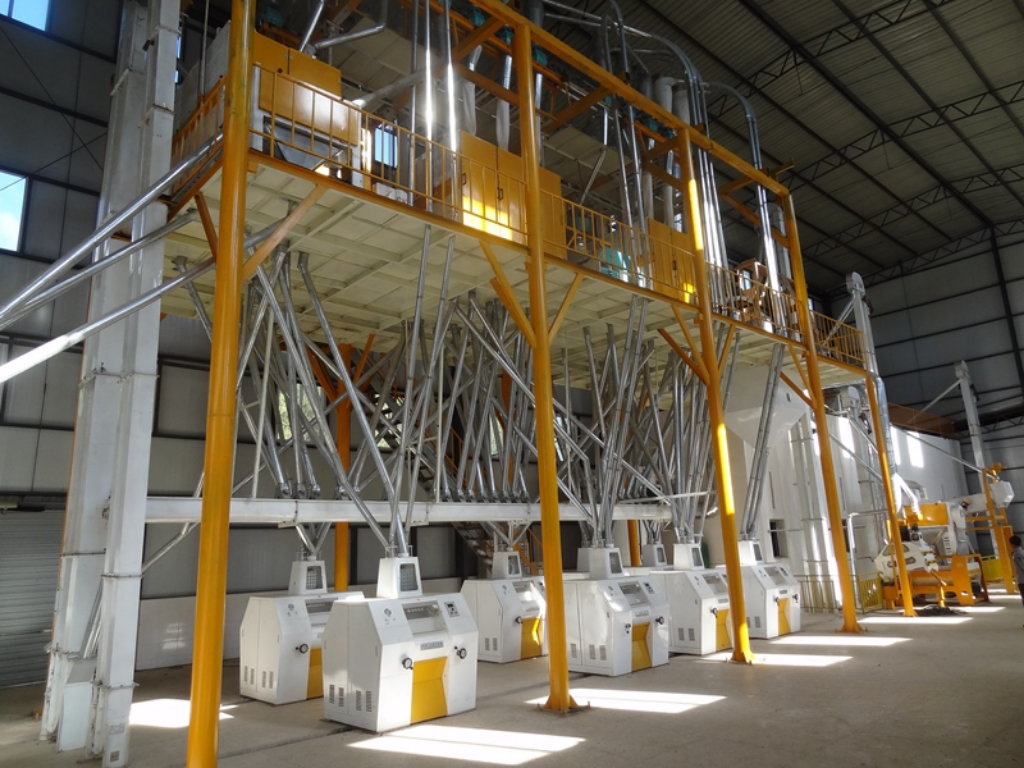
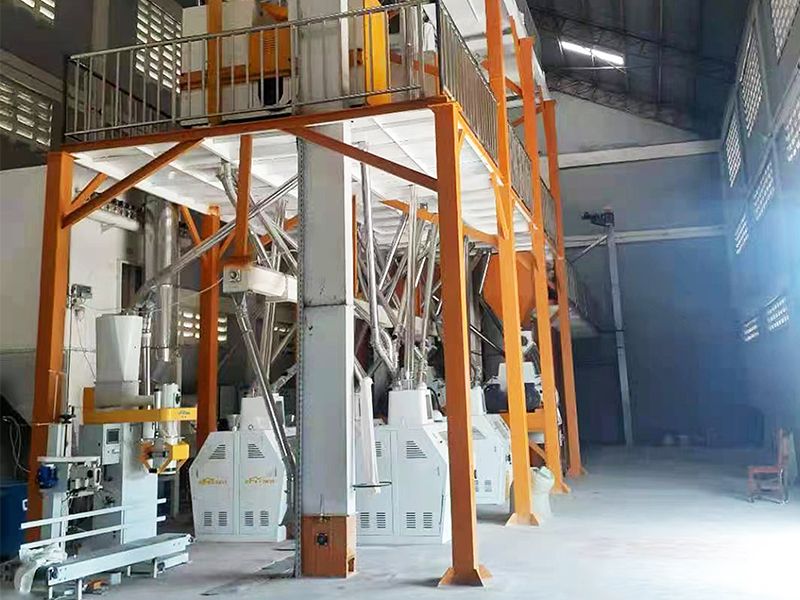
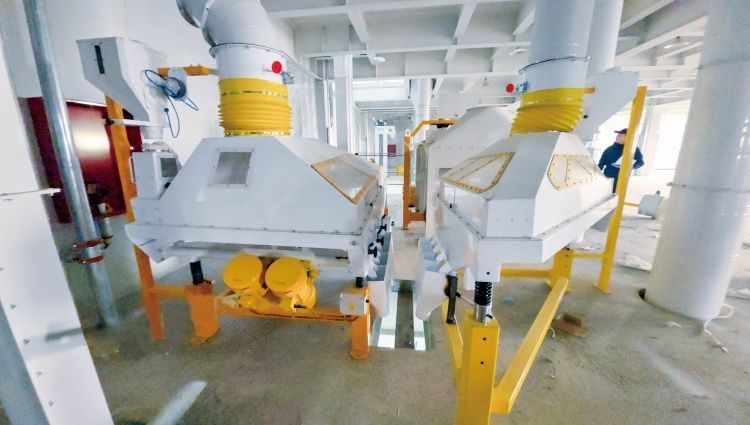
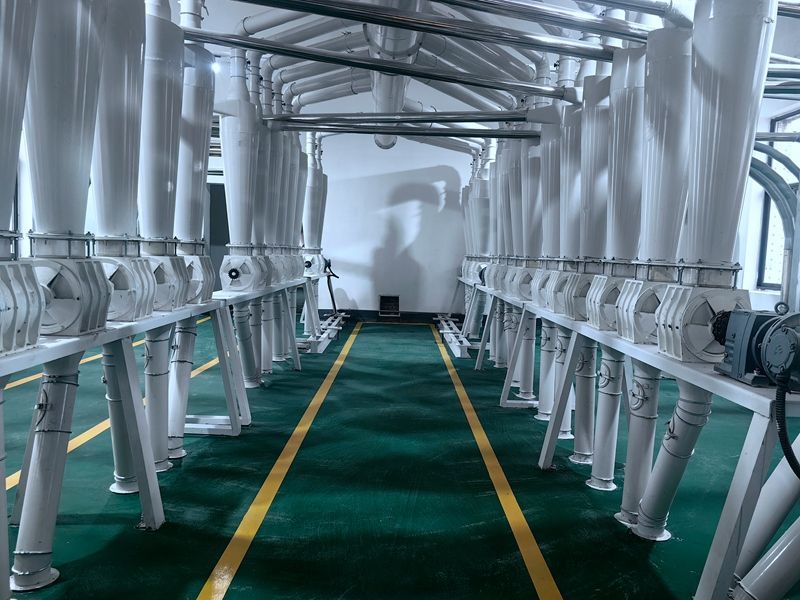
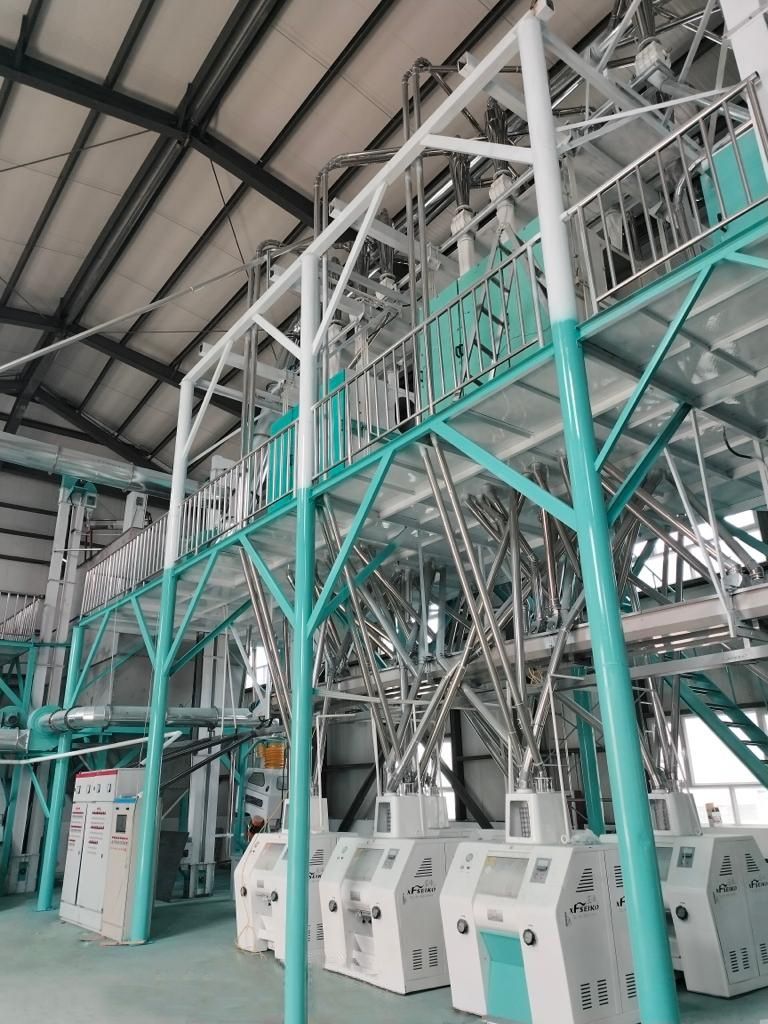
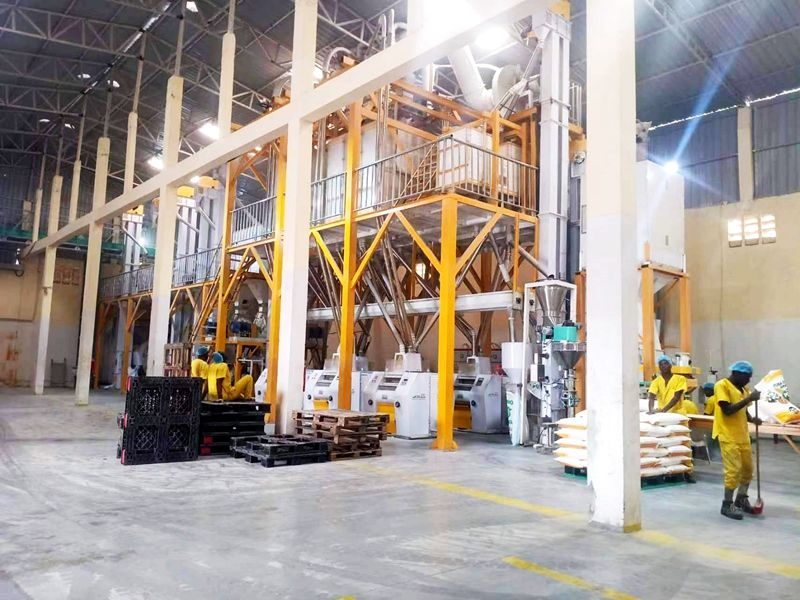
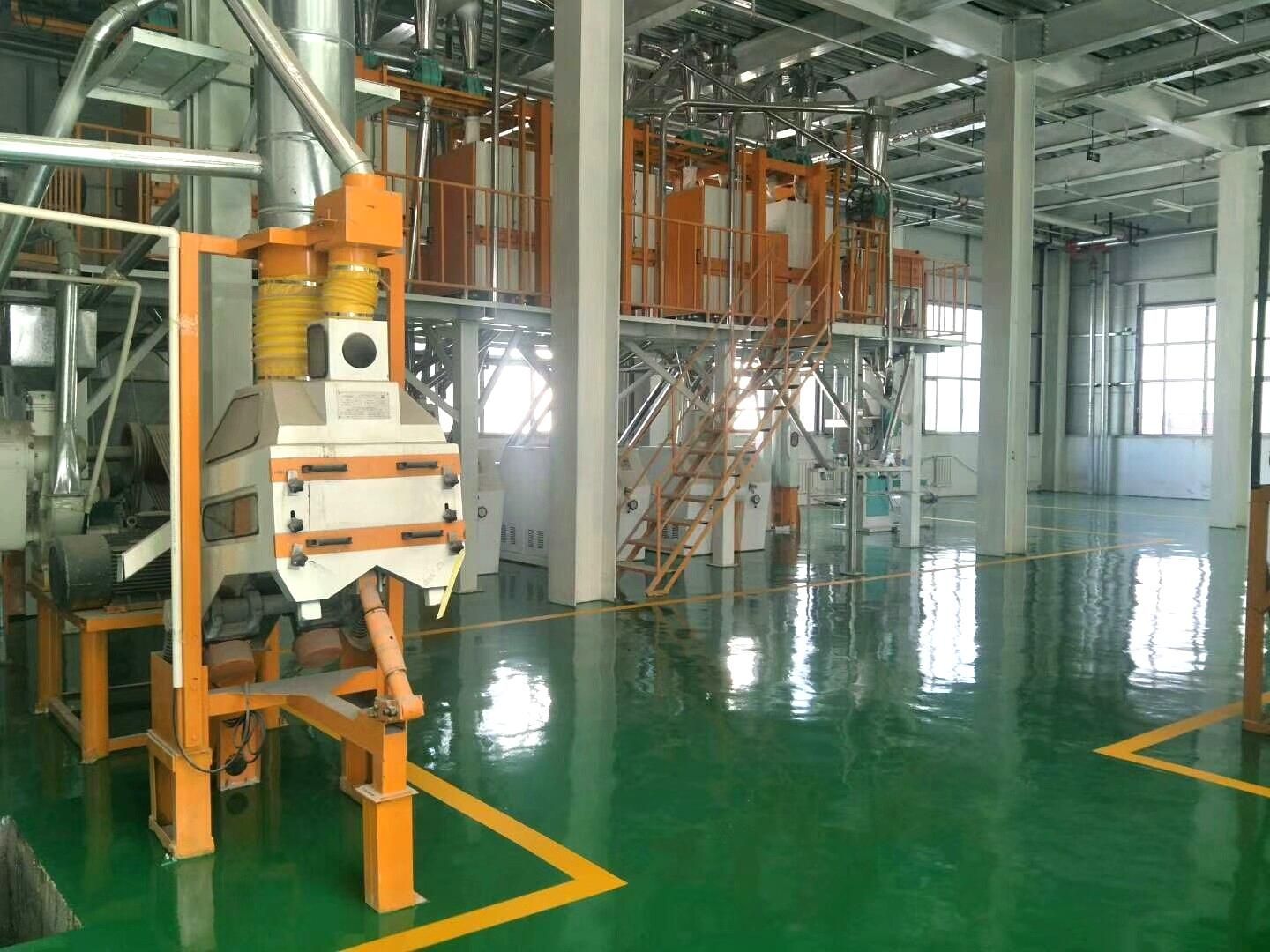
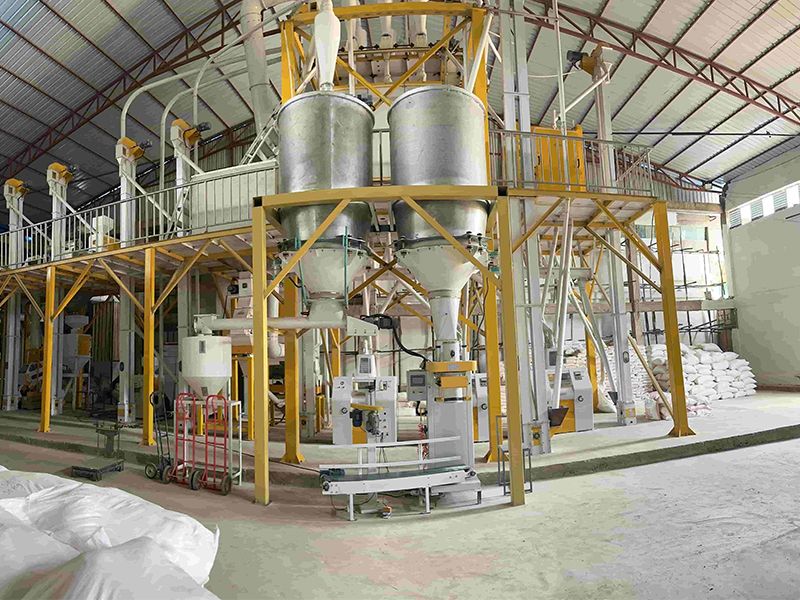
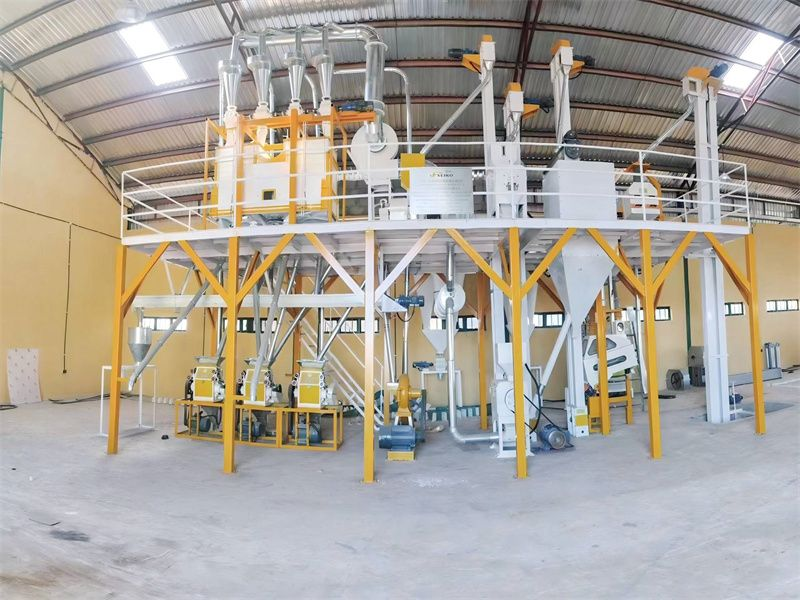
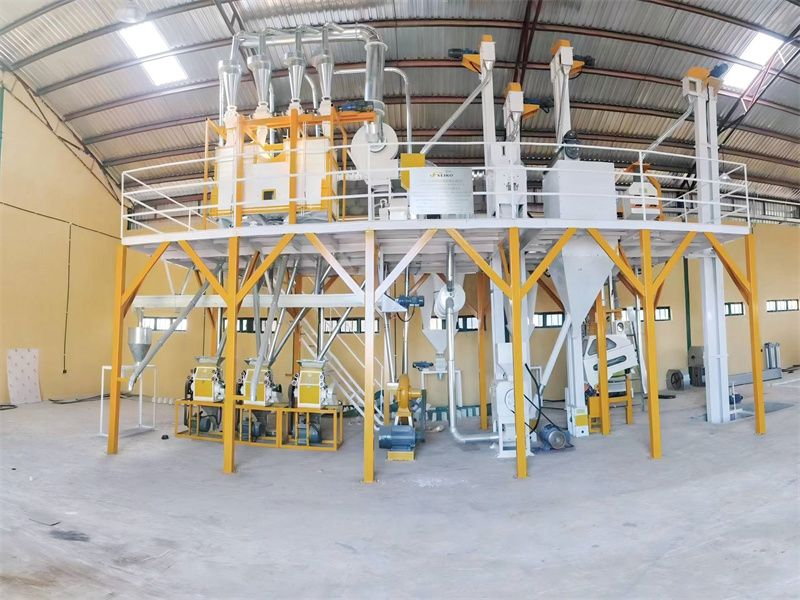
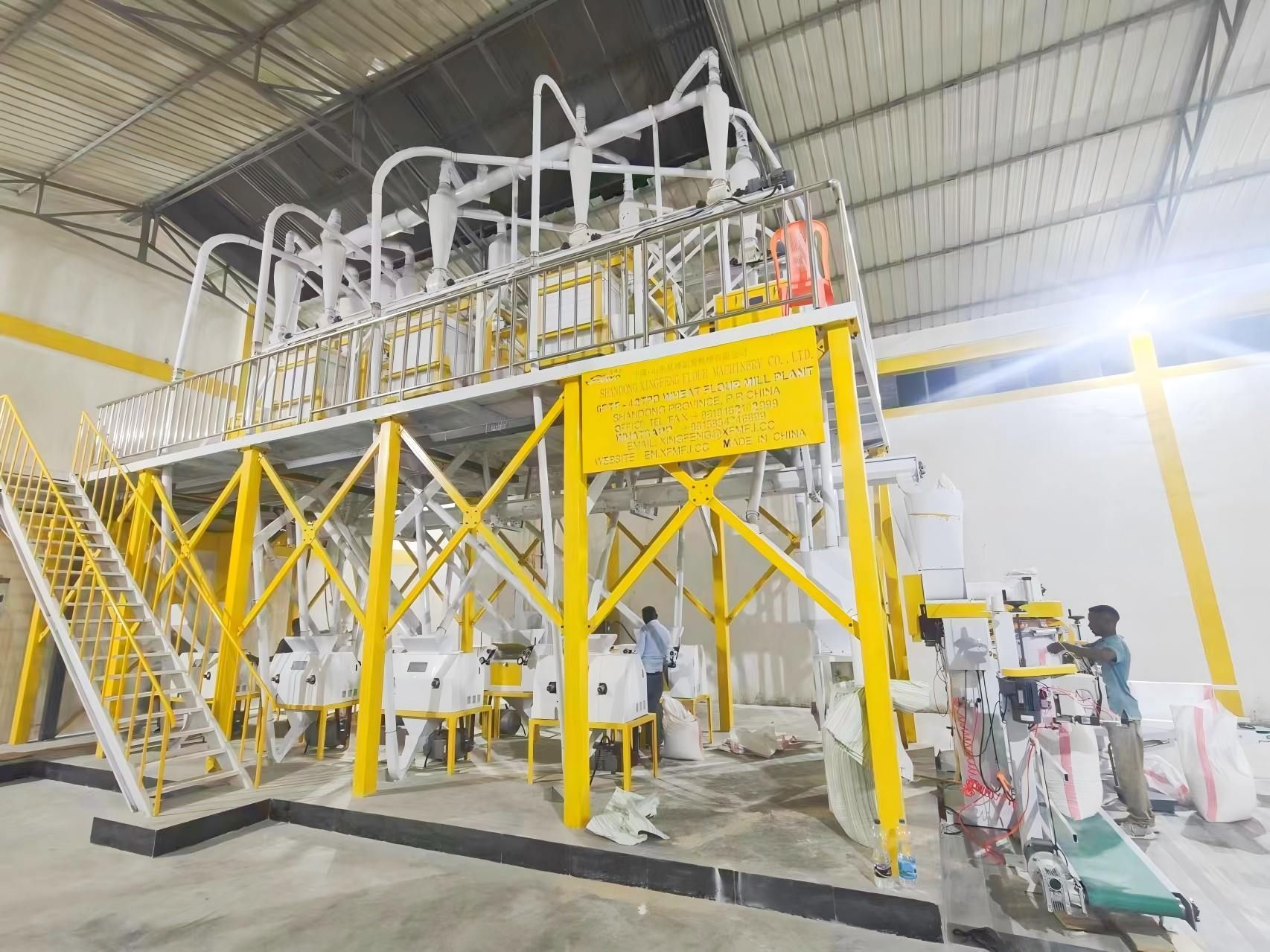
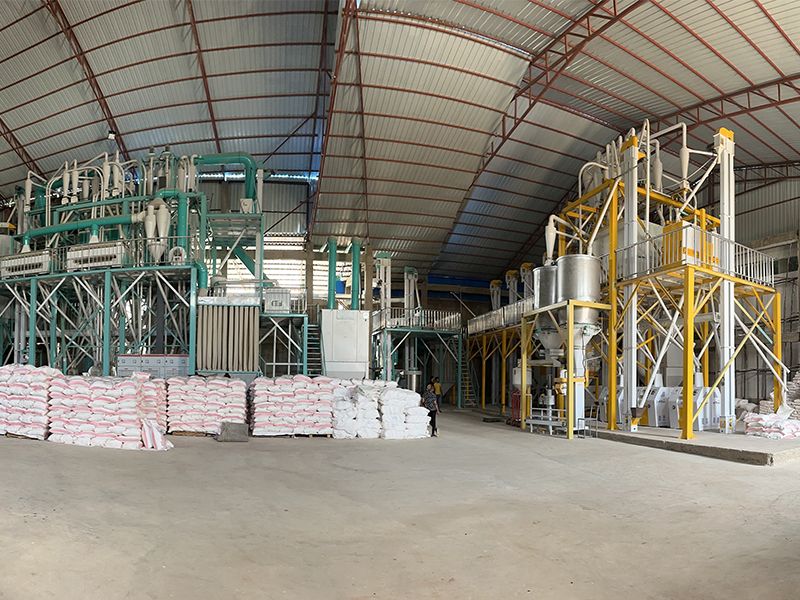
Space is often the first constraint for investors converting an existing warehouse. A 60TPD wheat flour mill plant can fit into a compact multi-storey building, particularly when the cleaning and milling sections are vertically arranged. The 80TPD wheat flour mill plant needs more room around the roller mills, plansifters, elevators, aspiration ducts, maintenance paths and packing area.
A practical 60TPD layout commonly includes the following zones:
For a compact project, the processing building may occupy 1,200–1,500 m², while a more comfortable layout with wider maintenance aisles and larger packing capacity may require 1,600–1,800 m². Raw wheat silos, truck circulation, finished-product storage and a workshop must be added separately.
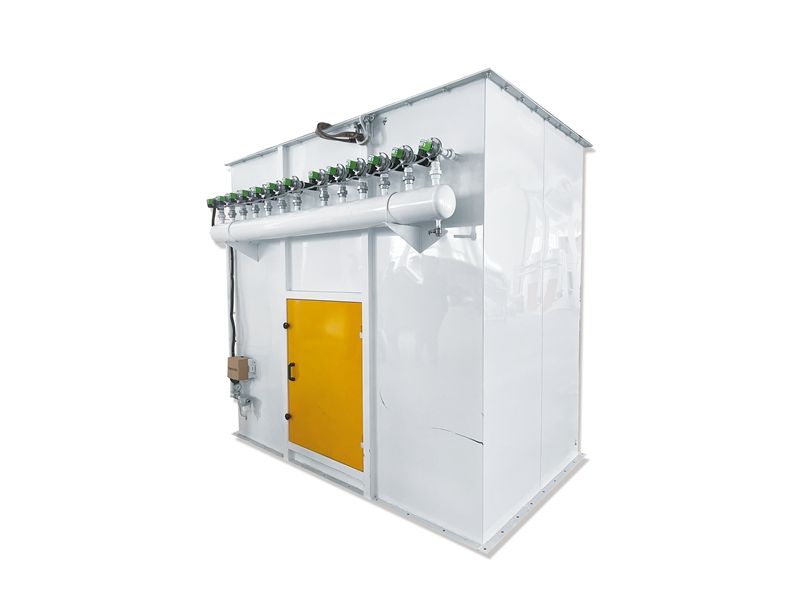
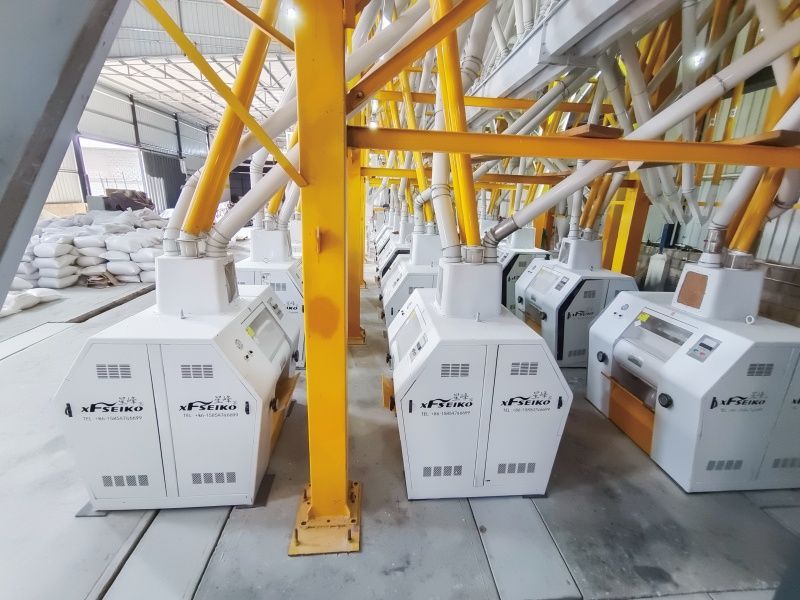
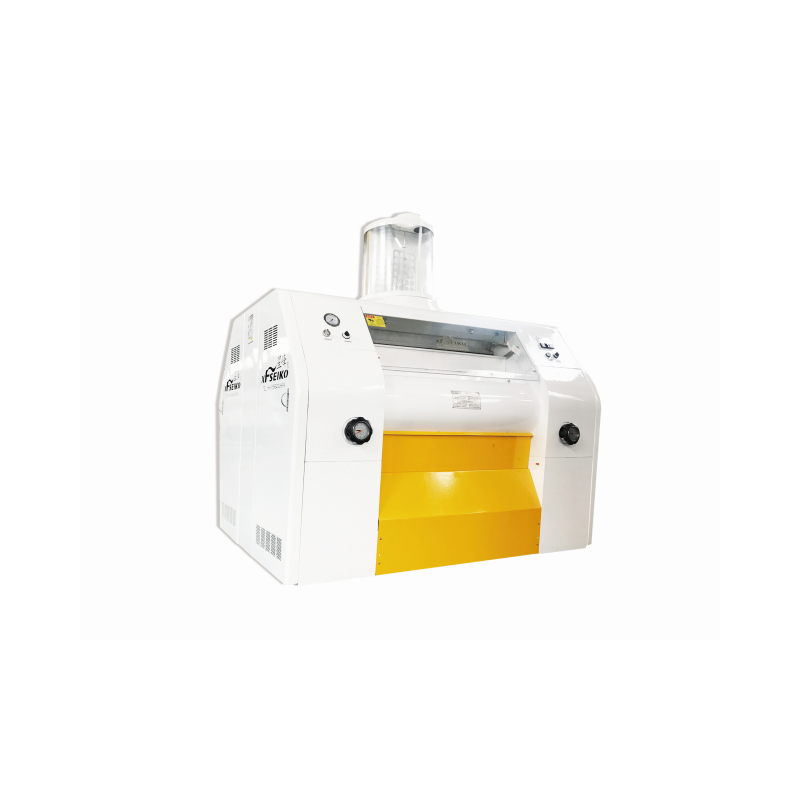
The 80TPD design usually adds more grinding and sifting capacity rather than simply increasing the motor size of one machine. It may require additional roller mill passages, larger plansifter surface area, higher-capacity elevators and more flour bins. The result is better process stability, but also greater demand for structural loading, dust control and maintenance access.
A realistic site plan may allocate 1,500–2,200 m² to the main process building, excluding silos. If finished flour is packed in 25 kg or 50 kg bags, storage can become larger than the milling room itself. At 60 tonnes of flour per day, a seven-day finished-goods buffer could hold more than 400 tonnes. That inventory may need 500–700 m² or more, depending on pallet spacing, stacking height and forklift routes.
Staffing is affected more by automation and packaging format than by nominal grinding capacity. A plant with automatic bagging, centralized PLC control and pneumatic conveying may operate with fewer people than a smaller plant using manual weighing and stitching.
| Function | 60TPD typical requirement | 80TPD typical requirement |
|---|---|---|
| Mill and control-room operators | 2–3 per shift | 2–4 per shift |
| Cleaning and raw-material handling | 1–2 per shift | 2–3 per shift |
| Packing and palletizing | 3–5 per shift | 4–6 per shift |
| Quality control | 1 technician per shift or shared coverage | 1 technician per shift |
| Maintenance and electrical support | 1–2 per shift or on-call team | 2–3 per shift or on-call team |
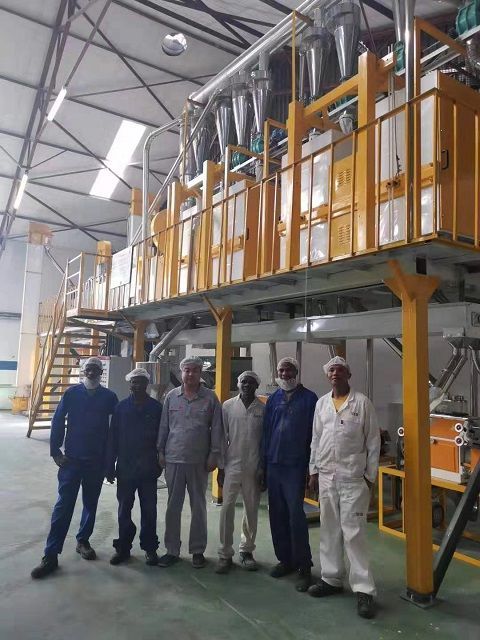
For a single-shift, semi-automated plant, total headcount may be approximately 15–25 employees. A 24-hour, three-shift operation may require approximately 25–45 employees after adding supervisors, warehouse personnel, drivers and administration. The larger 80TPD line does not necessarily need 33% more employees because one operator can monitor several machines through a PLC and SCADA interface.
However, automation does not eliminate technical responsibility. Operators still need training in roll gap adjustment, sieve inspection, aspiration balance, bearing temperature monitoring, moisture control and flour ash testing. Understaffing the quality-control function can cause expensive problems, including inconsistent flour protein, incorrect moisture and customer complaints that are difficult to trace.
Power consumption should be assessed as specific energy consumption rather than only installed motor power. A typical wheat milling line may consume approximately 55–85 kWh per tonne of wheat, depending on grinding pressure, pneumatic transport, fan efficiency, cleaning intensity and equipment loading.
At an electricity price of US$0.12 per kWh, the estimated daily electricity cost would be approximately US$396–US$612 for the 60TPD line and US$528–US$816 for the 80TPD line. These values exclude diesel generators, demand charges, lighting, compressors and warehouse equipment.
The 80TPD plant can lower cost per tonne when it runs near full capacity because fixed expenses such as management, laboratory equipment, building depreciation and security are spread over more output. It becomes financially weaker when wheat supply is irregular or sales are below the plant’s break-even utilization.
For example, if a 60TPD project sells 42 tonnes of flour daily at a contribution margin of US$70 per tonne, its daily gross contribution is about US$2,940. An 80TPD plant selling 58 tonnes at the same margin produces about US$4,060. Yet the larger plant may also carry higher loan payments, maintenance costs, warehouse costs and working-capital requirements. Capacity only creates value when the additional flour can be sold and collected in cash.
Equipment quotations differ because “turnkey” has no universal definition. One supplier may include cleaning, milling, control panels and installation supervision. Another may include steel platforms, silos, packing machines, laboratory tools, civil engineering and commissioning.
As a preliminary budgeting range, a 60TPD equipment package may cost approximately US$450,000–US$800,000, while an 80TPD package may cost approximately US$550,000–US$950,000. A complete investment budget can be 25%–60% higher after adding:
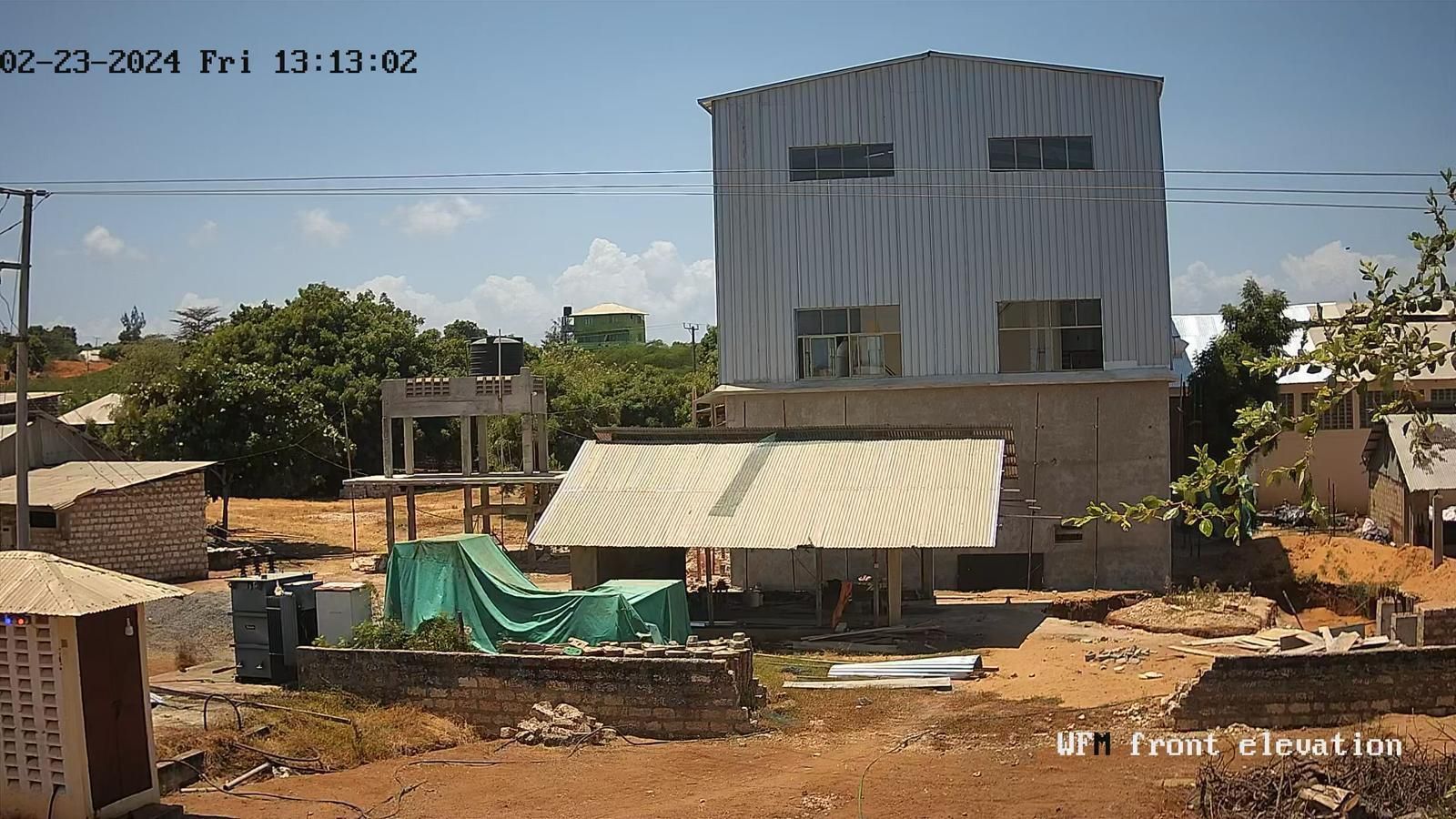
In a real project discussion, a wheat trader in East Africa initially preferred an 80TPD line because he had contracts for approximately 55 tonnes of flour per day. After checking warehouse capacity, he found that the proposed site could store only 600 tonnes of wheat. At 80 tonnes per day, that represented less than eight days of raw-material coverage. He selected a 60TPD design with larger finished-flour bins and a future expansion provision. Six months later, he reported that the plant was operating at approximately 85% utilization rather than paying for unused grinding capacity. His decision was based on storage and sales data, not on the larger headline number.
This case illustrates why a lower-capacity plant can produce a better return. Conversely, if a buyer has stable wheat contracts, dependable electricity, enough storage and a distribution network capable of moving 55–60 tonnes of flour daily, the additional 80TPD capacity may justify its higher capital cost.
A 60TPD wheat flour mill plant is often a sensible choice for a regional mill serving one city, several wholesalers or a developing bakery market. It may fit investors who have:
It is also suitable for investors who want to begin with a reliable wheat milling line and reserve space for extra flour bins, a second packing line or future roller-mill passages. The expansion plan should be drawn before construction because adding equipment later may require structural changes, larger dust ducts and additional electrical capacity.
An 80TPD wheat flour mill plant becomes more attractive when the buyer already controls the commercial side of the business. It may suit:
The 80TPD option is not automatically better for an investor with a larger budget. If utilization remains below 60%, the unused capacity can increase depreciation and debt costs without producing corresponding revenue. The buyer should request a 12-month sales forecast, wheat procurement plan and cash-flow model before approving the larger design.
Feedback from mill operators tends to focus on three operational issues: stable flour quality, ease of maintenance and the supplier’s response after installation. Operators commonly value a plansifter that is easy to inspect, roller mills with accessible roll adjustment, clear electrical documentation and spare parts that can be obtained without long delays.
A recurring complaint in poorly planned projects is that the quoted capacity is achieved only with specific wheat, extended operating hours or reduced flour quality. Another issue is insufficient space around the destoner, purifier or packing machine. When maintenance staff cannot safely remove a sieve frame or motor, a minor stoppage can become a full-day shutdown.
In comparison, a well-engineered Xingfeng project should be judged by documented process flow, equipment lists, power calculations, foundation drawings, extraction targets and commissioning tests rather than by brand claims alone. Ask the supplier to define the test conditions: wheat moisture, test weight, protein, ash target, operating hours, flour extraction and maximum acceptable bran contamination.
Select the 60TPD configuration when forecast flour sales are below 45 tonnes per day, raw wheat supply is seasonal, or the available building and working capital are limited. It generally offers lower initial risk and simpler staffing. It should still include accurate cleaning, tempering, grinding, sifting and packing systems rather than reducing essential process steps.
Select the 80TPD configuration when contracts or historical sales support at least 55 tonnes of flour per day, and the site can manage approximately 1,500–2,200 m² of process space plus storage. The investor should also confirm power reliability, raw-wheat financing and a maintenance team before choosing this capacity.
An expandable 60TPD plant is a balanced option when demand is growing but not yet proven. The engineering design can reserve electrical panels, platform space, bin locations and duct routes for future capacity. This approach may cost slightly more during the first construction phase, but it can avoid rebuilding the entire mill when demand increases.
The 60TPD plant is suitable for a first-time mill owner, a regional distributor, a cooperative with limited grain storage, or a bakery supplier whose daily demand is between 35 and 45 tonnes. It is less suitable for a buyer with confirmed bulk contracts that already exceed 55 tonnes per day.
The 80TPD plant is suitable for an established operator with reliable wheat procurement, strong distribution, trained maintenance staff and sufficient cash flow for inventory. It is not a wise choice when the business depends on occasional spot sales, unstable electricity or a small warehouse.
Before signing a purchase contract, request a process flow diagram, equipment specification, guaranteed capacity, flour extraction range, power list, space plan, staffing estimate, commissioning schedule and spare-parts proposal. Xingfeng can then be compared fairly with other suppliers on measurable deliverables rather than on the machine count shown in a brochure.
In short, the 60TPD vs 80TPD wheat flour mill plant decision should follow demand, wheat availability and site capacity. A 60TPD wheat flour mill plant cost model is usually easier to finance, while an 80TPD system can deliver a lower cost per tonne at high utilization. For a final decision, prepare your wheat flour mill plant space and staffing plan, verify the wheat milling line mass balance, confirm the flour extraction rate, and review TPD, tempering and plansifter specifications with Xingfeng. The next practical step is to send wheat samples, target flour grades, daily sales estimates, available building dimensions and local power data for a site-specific quotation.
< Previous: None
> Next: 40–50TPD vs 50–60TPD Wheat Flour Mill Plants: Which Scale Fits Better?

July. 07, 2024

February. 02, 2024

March. 03, 2026

June. 06, 2025

August. 08, 2024
How to Use Wheat Flour Mill Plant Correctly?
This article provides a comprehensive guide on how to use a wheat flour mill plant correctly.

January. 01, 2024