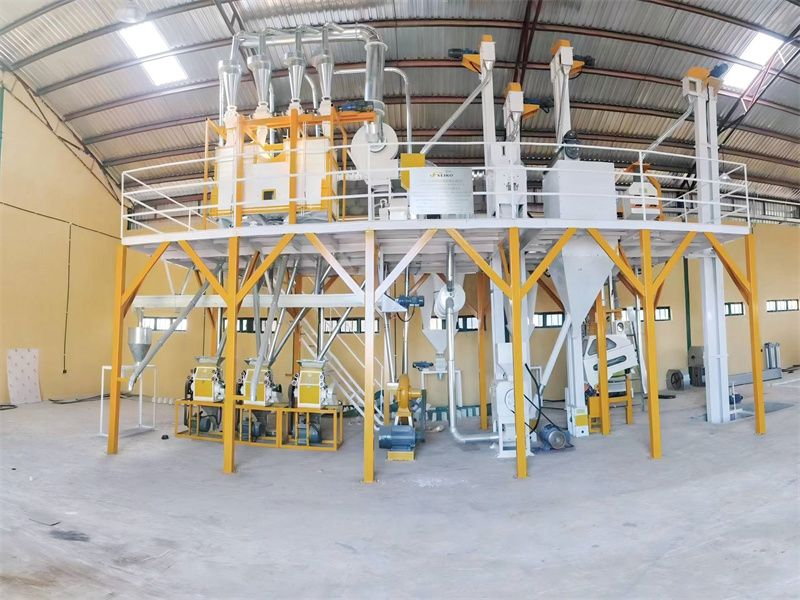
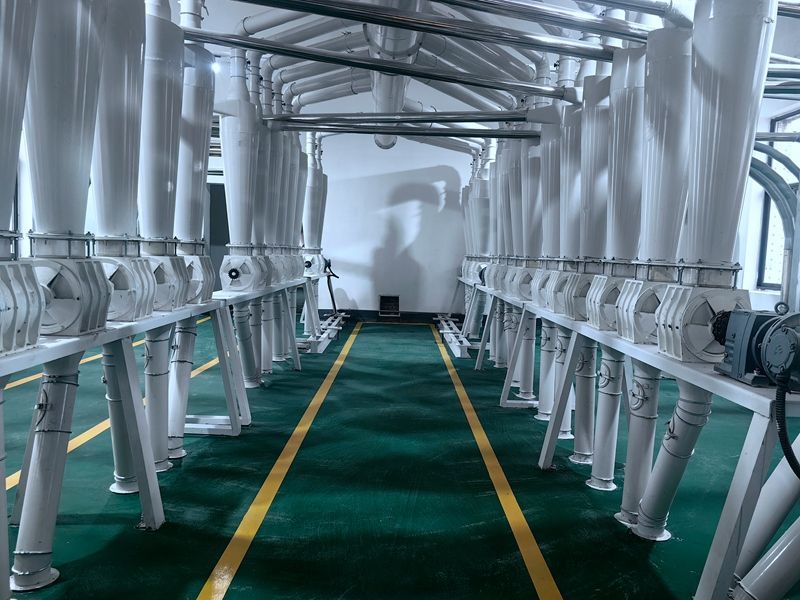
A 30-40TPD Maize Flour Mill Plant gives local businesses a practical way to produce 30 to 40 tons of maize flour per day. Many flour traders and food processors face high transport costs, unstable supply, and uneven flour quality. A local maize milling plant can reduce these problems by processing maize close to the target market.
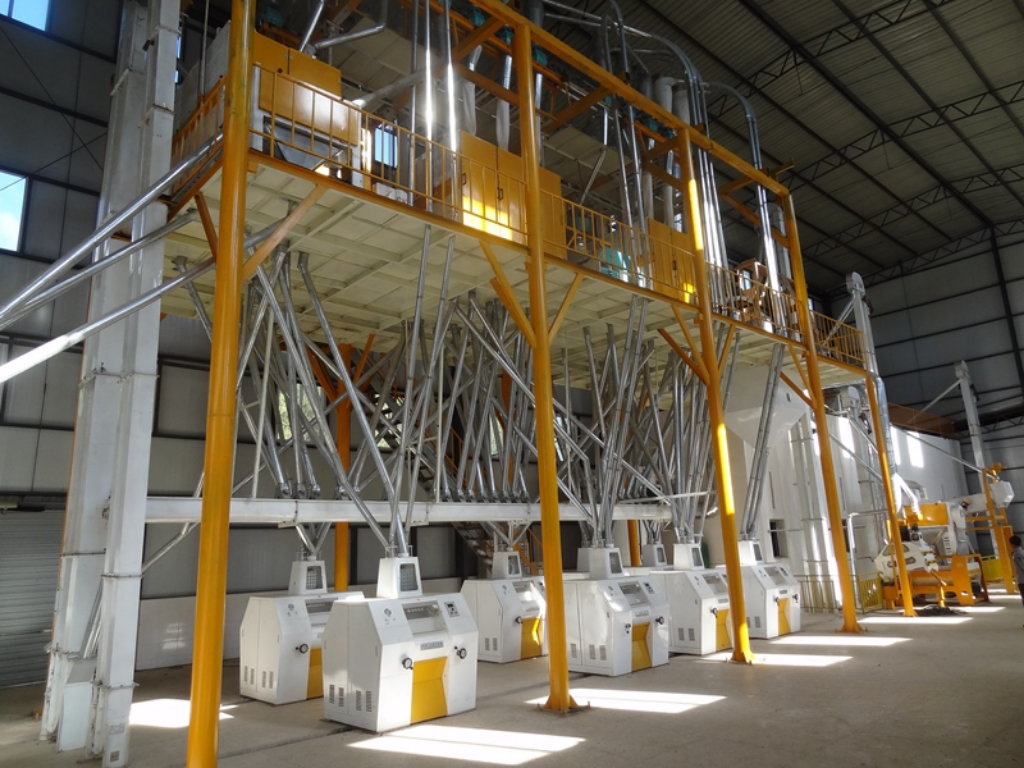
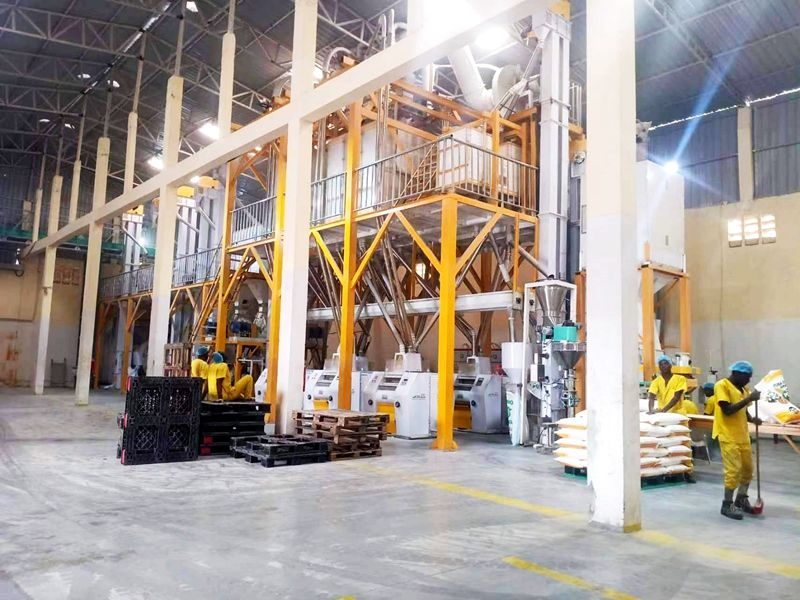
The plant normally includes maize cleaning equipment, a maize degerminator, roller mills, sifters, and packing machines. Its production line can make sifted maize flour, whole maize meal, or several grades of flour. Xingfeng can design the line according to local maize quality, power supply, building space, and product demand.
For many investors, the main question is not only how much maize the plant can process. They also need to know the required workshop size, energy demand, flour yield, equipment list, and expected operating process. These factors determine whether a commercial maize milling project can run safely and profitably.
A 30-40TPD maize flour mill plant can process about 30 to 40 metric tons of cleaned maize per 24 hours. With proper maize quality and process control, it can produce different grades of maize flour and meal for retail, bakeries, food manufacturers, and wholesalers. A complete plant usually contains cleaning, conditioning, degermination, milling, sifting, weighing, and packing sections. The final output depends on maize moisture, kernel size, germ removal rate, flour grade, machine settings, and working hours.
The rated capacity is commonly based on 24 hours of daily operation. A plant may process 1.25 to 1.67 tons of maize per hour when running continuously. If the factory works 16 hours per day, the hourly feed rate must be increased to about 1.88 to 2.50 tons per hour.
| Item | Typical design range | Why it matters |
|---|---|---|
| Daily maize input | 30-40 metric tons | Defines the plant size and storage demand |
| Hourly capacity at 24-hour operation | 1.25-1.67 tons per hour | Helps select the cleaning and milling machines |
| Hourly capacity at 16-hour operation | 1.88-2.50 tons per hour | Allows daily maintenance and shorter shifts |
| Typical maize moisture before milling | About 12-14 percent | Supports safe storage and stable milling |
| Recommended flour packing sizes | 1 kg, 2 kg, 5 kg, 10 kg, 25 kg, or 50 kg | Matches retail and wholesale markets |
A commercial maize milling machine can be adjusted to produce different products. Common options include:
Product selection affects the screen size, milling gap, degermination level, number of passages, and sifter configuration. A plant designed for several products usually needs separate discharge outlets and storage bins.
The raw material section receives maize from trucks or bags. A receiving hopper, bucket elevator, belt conveyor, and temporary storage bin move the grain into the cleaning line. The storage system should protect maize from rain, insects, rodents, and excess humidity.
For a 30-40TPD plant, raw maize storage is often designed for 3 to 7 days of production. This equals about 90 to 280 tons of storage, depending on the local supply chain. A shorter storage period may be suitable when farmers or traders deliver maize every day.
Cleaning is the first quality control step. It removes materials that can damage machines or reduce food safety. A standard cleaning section may include:
| Cleaning point | Target result | Inspection method |
|---|---|---|
| Large impurities | Remove stalks, cobs, bags, and visible debris | Visual inspection and screen checks |
| Stones | Prevent hard-particle damage to rollers | Destoner discharge inspection |
| Metal particles | Reduce physical contamination risk | Magnet surface inspection and cleaning records |
| Dust and light materials | Improve air quality and flour color | Airflow and dust collector checks |
Conditioning adds a controlled amount of water to the maize. The grain then rests for a set time. This process can soften the bran layer and improve separation between the bran, germ, and endosperm.
The exact water addition depends on maize variety, initial moisture, temperature, and final product. Operators should measure moisture with a calibrated grain moisture meter instead of relying only on appearance. A common conditioning target is an increase of about 1 to 3 percentage points, followed by a resting time of about 10 to 30 minutes. The actual value should be confirmed during commissioning tests.
The maize degerminator removes part of the germ and outer layer before fine milling. This can improve flour storage stability because the germ contains oil. The degermination rate should be adjusted according to the desired product. Whole meal production requires less removal. Refined maize flour requires more separation.
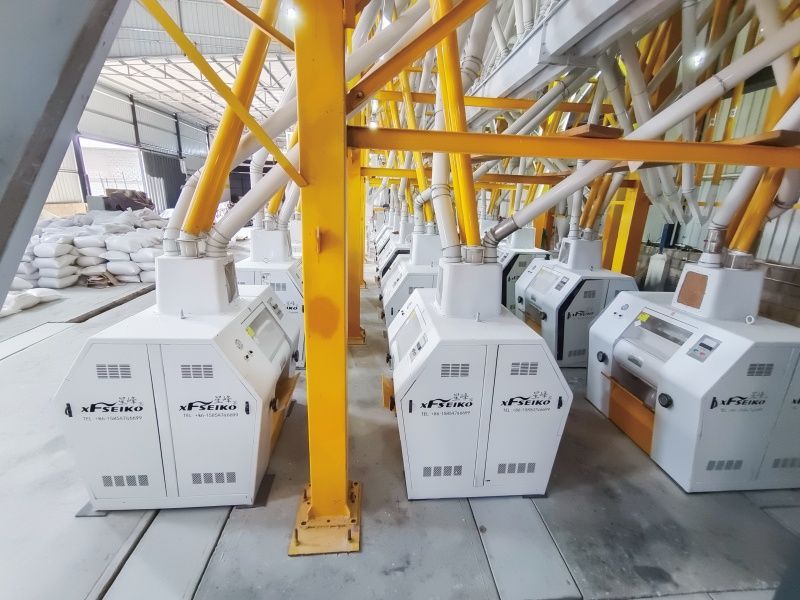
The roller mill reduces the cleaned and conditioned maize into endosperm particles, flour, bran, and germ fractions. Multiple milling passages allow the plant to control particle size and reduce excessive heat.
Important design parameters include roller diameter, roller length, roller speed, differential speed, milling gap, motor power, and product temperature. A stable milling process helps maintain a consistent flour color and particle distribution.
The plansifter separates ground material by particle size. Fine flour passes through smaller mesh openings. Coarse particles return to the mill for another passage. Bran and germ leave through separate outlets.
Flour particle size should be selected according to the local market. A laboratory sieve test can measure the percentage passing through a selected mesh. For example, a product specification may require 90 percent or more to pass through a defined sieve. The exact limit must be agreed with the buyer and local food regulations.
The packing section may use semi-automatic or automatic equipment. A standard system includes a flour hopper, electronic scale, bag clamp, sewing or heat-sealing machine, and date or batch coding unit.
| Packing type | Suitable market | Typical operating feature |
|---|---|---|
| 1-2 kg bags | Supermarkets and household sales | Requires accurate small-bag weighing and clean packaging |
| 5-10 kg bags | Retail shops and family consumers | Balances handling speed and retail value |
| 25-50 kg bags | Wholesalers, restaurants, and institutions | Supports bulk distribution and lower packaging cost |
Raw maize receiving
Downward arrow: sampling and weighing
Raw maize storage
Downward arrow: pre-cleaning
Destoning and magnetic separation
Downward arrow: moisture testing
Conditioning and resting
Downward arrow: degermination
Maize degerminator
Downward arrow: roller milling
First milling passage
Downward arrow: sifting
Plansifter separation
Downward arrow: return of coarse particles
Second milling passage
Downward arrow: final sifting
Flour, meal, bran, and germ separation
Downward arrow: quality inspection
Weighing and packing
Downward arrow: finished product storage
Each delivery should be weighed and sampled. The operator should check moisture, smell, insect damage, mold, foreign materials, kernel color, and broken kernels. A representative sample is more useful than checking only the top layer of a truck or bag.
Moisture, damaged kernels, and visible mold can affect flour yield and food safety. Grain with suspected mold should be tested for mycotoxins before entering production. Aflatoxin limits vary by country and product category, so the plant should follow the applicable local standard.
The cleaning line removes physical impurities. The grader can separate small and large kernels. Uniform grain size improves the performance of the degerminator and supports more even milling.
Water is added in a controlled amount. The grain rests so that moisture can move into the kernel. The degerminator then loosens the bran and germ. Operators should record water addition, resting time, motor load, and product appearance.
The maize passes through one or more roller mills. The plansifter separates fine flour from larger particles. Coarse material returns for another milling passage. This repeated process helps increase flour recovery without using excessive pressure in one pass.
Finished flour should be tested before packing. The operator should check moisture, color, odor, particle size, foreign material, and net weight. Bags should be sealed and marked with the production date, batch number, product name, net weight, and storage instructions.
Output depends on maize variety, kernel condition, cleaning loss, degermination rate, target flour grade, and the amount of bran and germ removed. A 30-40TPD maize flour mill plant does not convert every kilogram of maize into fine flour.
| Output category | Indicative share of cleaned maize | Production purpose |
|---|---|---|
| Fine and medium maize flour | About 55-75 percent | Household food, baking, and packaged flour |
| Coarse meal and grits | About 5-20 percent | Porridge, snacks, and food processing |
| Bran | About 8-15 percent | Animal feed and fiber products |
| Germ | About 5-12 percent | Feed or further oil processing |
| Cleaning and process loss | About 1-5 percent | Dust, stones, husks, and unsuitable material |
These figures are planning ranges, not guaranteed results. A pilot test with the buyer's maize is the best way to confirm the actual flour yield. Xingfeng can use test results to adjust the equipment layout, screen selection, and product targets.
Bran and germ should not be treated only as waste. Bran can be sold to feed mills. Germ can be separated for feed or oil production. Grits may serve snack manufacturers or breweries. Separate storage bins make these products easier to sell and reduce cross-contamination.
Quality control begins before milling. The plant should keep a record for every maize lot. Useful inspection items include:
| Test | Suggested control method | Reason for testing |
|---|---|---|
| Moisture | Moisture analyzer or oven method | Supports storage stability and consistent weight |
| Particle size | Standard sieve analysis | Confirms the selected flour grade |
| Foreign matter | Visual and manual separation test | Checks physical cleanliness |
| Ash content | Laboratory furnace method | Helps evaluate bran separation and flour purity |
| Microbial quality | Laboratory analysis under local rules | Supports food safety management |
| Net weight | Checkweigher or calibrated scale | Controls package accuracy |
The plant should apply good manufacturing practices. It should also control dust, pests, water quality, employee hygiene, equipment cleaning, and batch traceability. Some commercial buyers may request a food safety management system such as ISO 22000. Certification requirements depend on the target market.
The plant should have a one-way material flow. Raw maize should not cross the path of finished flour. A practical layout separates the following areas:
The building size depends on whether storage bins, elevators, packing machines, and finished product warehouses are included. A compact 30-40TPD line may fit in a multilevel workshop, while a horizontal layout needs more floor space. The equipment supplier should confirm final dimensions after the process design is approved.
Motors for cleaning, conveying, degermination, milling, sifting, and packing make up the main electrical load. The final installed power depends on the equipment model and automation level. A power survey should confirm transformer size, voltage, phase type, cable capacity, and backup power requirements.
Dust collectors are important for worker safety and machine performance. Ducts should be designed for suitable airflow and regular cleaning. Electrical panels should include overload protection, emergency stops, grounding, and clear machine labels.
| Operation level | Advantages | Limitations | Suitable user |
|---|---|---|---|
| Manual feeding and packing | Lower initial equipment cost | Higher labor demand and more weight variation | Small local mills with low packaging needs |
| Semi-automatic operation | Balanced cost, labor, and control | Requires operators for bag handling | Most local commercial producers |
| Automatic operation | Better data recording and stable throughput | Higher investment and maintenance skill needs | Large distributors and contract processors |
For many 30-40TPD maize flour mill projects, semi-automatic operation offers a practical balance. It can reduce manual work while keeping the equipment and control system simple enough for local technicians.
Raw maize usually represents the largest operating cost. Other costs include electricity, labor, packaging bags, transport, maintenance, cleaning, laboratory testing, water, and finance charges.
Investors should calculate cost per ton rather than only looking at the machine price. The calculation should include the value of flour, meal, bran, and germ. It should also include cleaning loss and downtime. A plant with a lower purchase price may cost more to operate if it has poor yield, high power use, or limited spare parts support.
A typical implementation plan includes site review, process design, equipment manufacturing, factory inspection, shipment, installation, commissioning, and operator training. The timeline depends on equipment quantity, building readiness, shipping conditions, and local approval procedures.
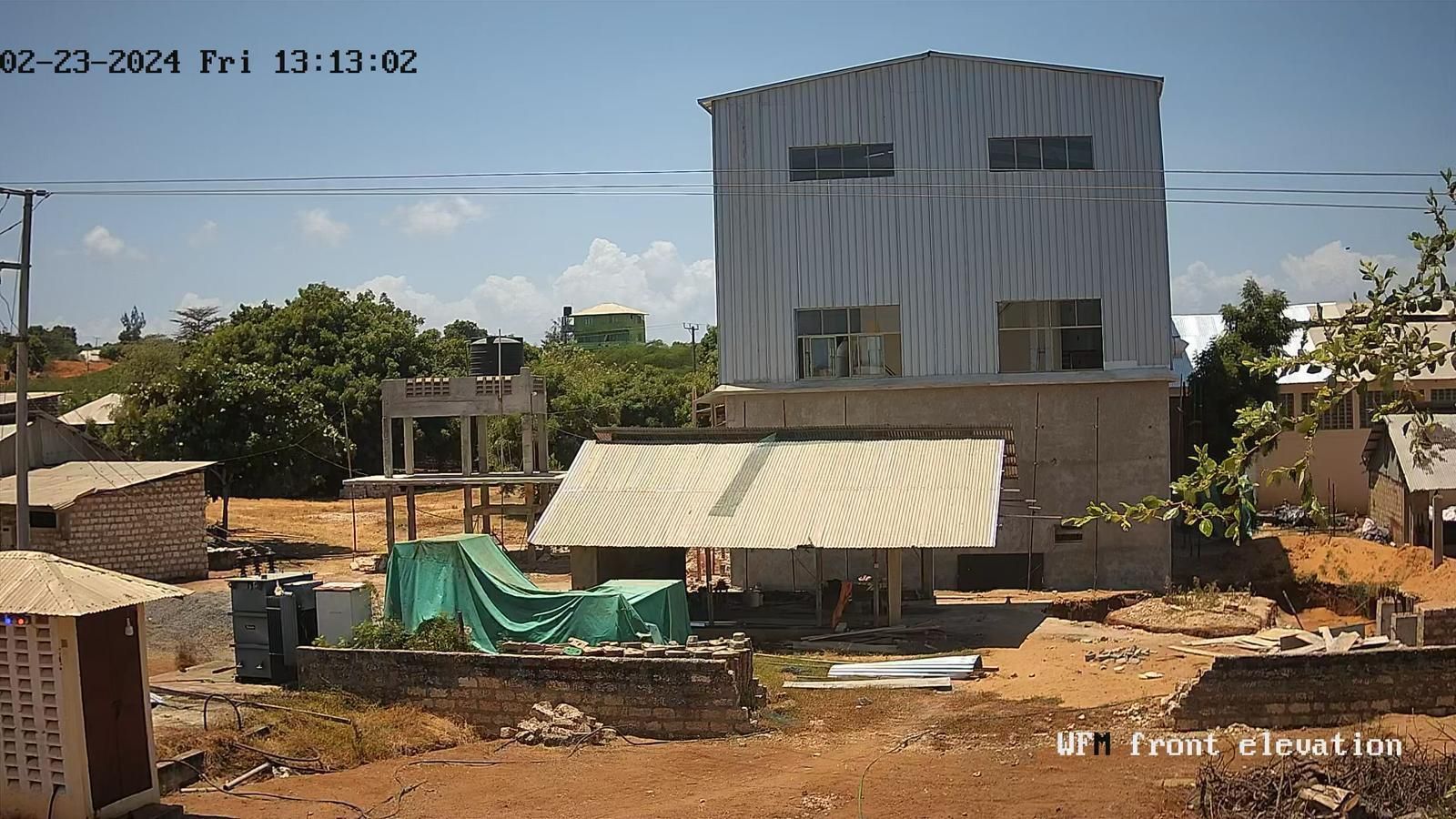
Before installation, the buyer should prepare a level floor, equipment foundations, electrical cables, water points, drainage, ventilation, storage space, and safe access for maintenance. Clear preparation can reduce installation delays.
Commissioning should use the buyer's maize whenever possible. The test should record:
Performance acceptance should be based on written specifications. The buyer and supplier should agree on capacity, product quality, yield range, power conditions, and test duration before the trial begins.
Maize varies by country and season. Kernel hardness, moisture, size, color, germ structure, and contamination risk can change the milling result. For this reason, equipment selection should be supported by sample testing rather than only by a standard equipment list.
Xingfeng can use raw maize samples to evaluate cleaning performance, degermination, milling behavior, sieve selection, and product yield. A practical project review should compare several operating settings and record the results in a test report. This approach helps reduce commissioning changes after delivery.
A reliable supplier should explain both the benefits and limits of the proposed system. The supplier should also state which results depend on the maize quality, operator skill, and local operating conditions.
A 30-40TPD maize flour mill plant is suitable for local commercial production when the market can absorb 30 to 40 tons of maize processing capacity per day. The complete system should cover grain receiving, cleaning, conditioning, degermination, milling, sifting, quality inspection, and packing. Careful planning of maize quality, product grade, workshop layout, power supply, dust control, and by-product sales will improve project performance.
For investors comparing a commercial maize milling machine or a complete maize flour production line, the best starting point is a raw maize test and a clear product plan. Xingfeng can help match the process design and equipment configuration to local conditions, target flour quality, daily operating hours, and investment goals.

March. 03, 2026

June. 06, 2025

August. 08, 2024
How to Use Wheat Flour Mill Plant Correctly?
This article provides a comprehensive guide on how to use a wheat flour mill plant correctly.

February. 02, 2024

January. 01, 2024

July. 07, 2024