Choosing between a 30-50TPD Maize Flour Mill Plant and a 50-80TPD line is not simply a question of selecting the larger output. Buyers usually need to match daily demand, raw maize supply, available workshop space, power reliability, labor skills, product quality, and future expansion plans.
The most useful comparison focuses on real operating conditions. A plant that has a higher rated capacity may not be the better investment if the local market cannot absorb the output or if the site cannot support the required cleaning, milling, packaging, and storage areas. Conversely, a smaller line may limit growth when demand, institutional contracts, or export orders are already strong.

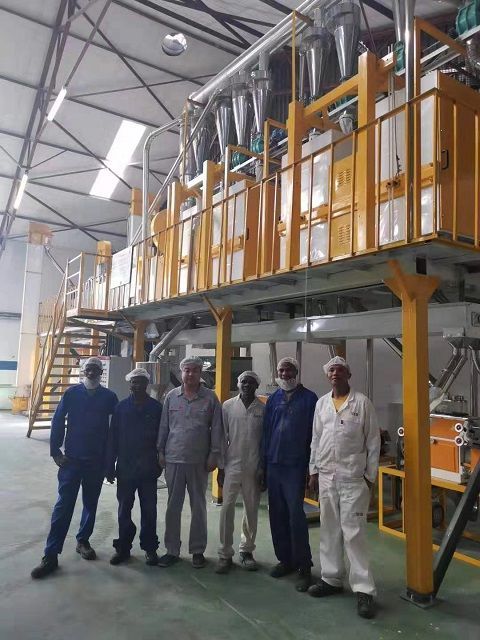
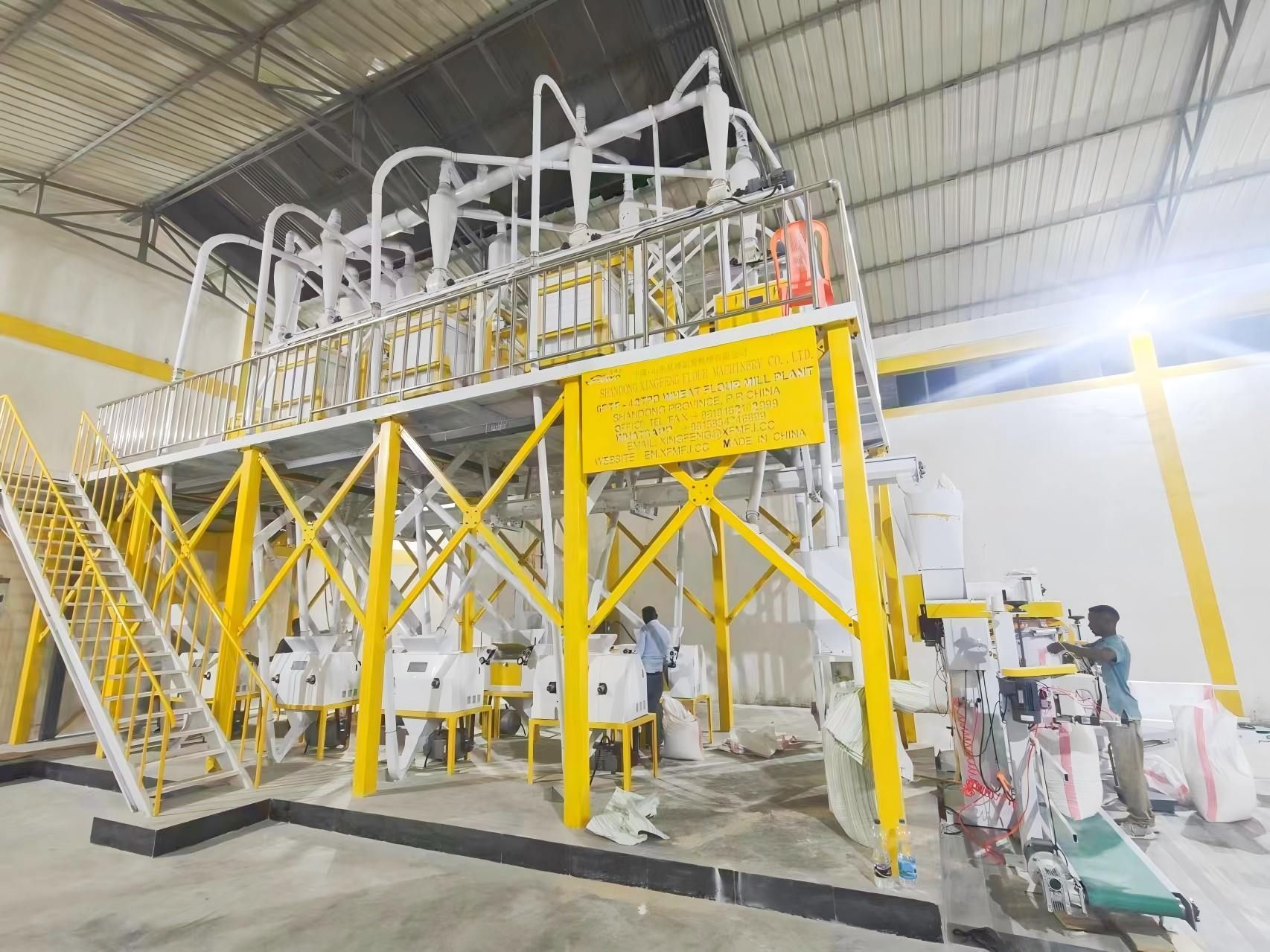
A 30-50TPD Maize Flour Mill Plant is generally suitable for a regional flour business, a growing food processor, or an investor entering commercial maize milling for the first time. Its output provides enough volume for wholesale distribution while keeping the initial equipment, building, and working capital requirements more manageable.
A 50-80TPD line is designed for a business with reliable raw maize supply and a wider sales network. It can support larger contracts and better utilization of packaging, warehouse, and logistics resources, but it also creates greater pressure to maintain continuous production and sell the full output.
Capacity is valuable only when the plant can operate at a commercially useful utilization rate. Buyers should compare expected sales with practical output instead of comparing the nameplate figures alone.
| Parameter | 30-50TPD Maize Flour Mill Plant | 50-80TPD Maize Flour Mill Plant |
|---|---|---|
| Typical finished-product capacity | 30 to 50 tons per 24 hours, depending on maize quality and product specification | 50 to 80 tons per 24 hours, depending on maize quality and product specification |
| Recommended market scale | Local and regional distribution | Regional, national, or large institutional distribution |
| Raw maize requirement | Higher than finished output because of cleaning, moisture adjustment, bran, germ, and processing losses | Higher total daily intake and greater need for dependable supplier contracts |
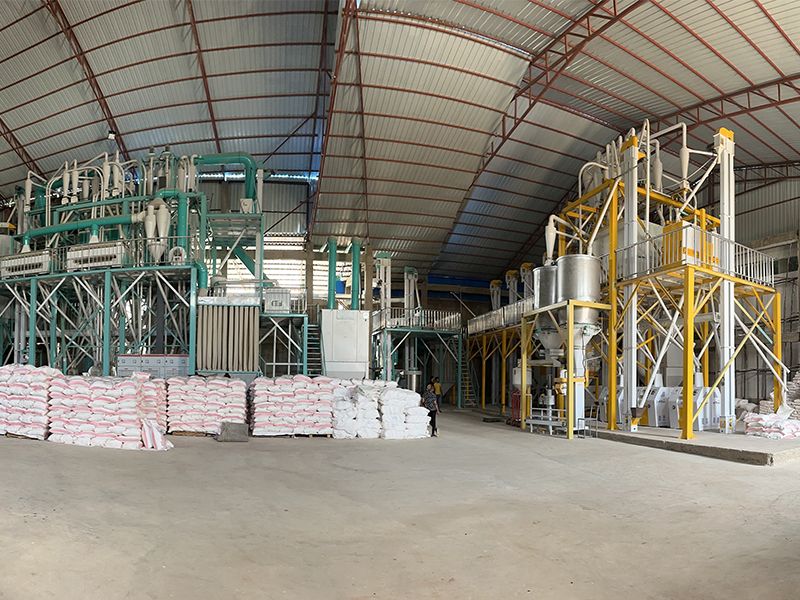
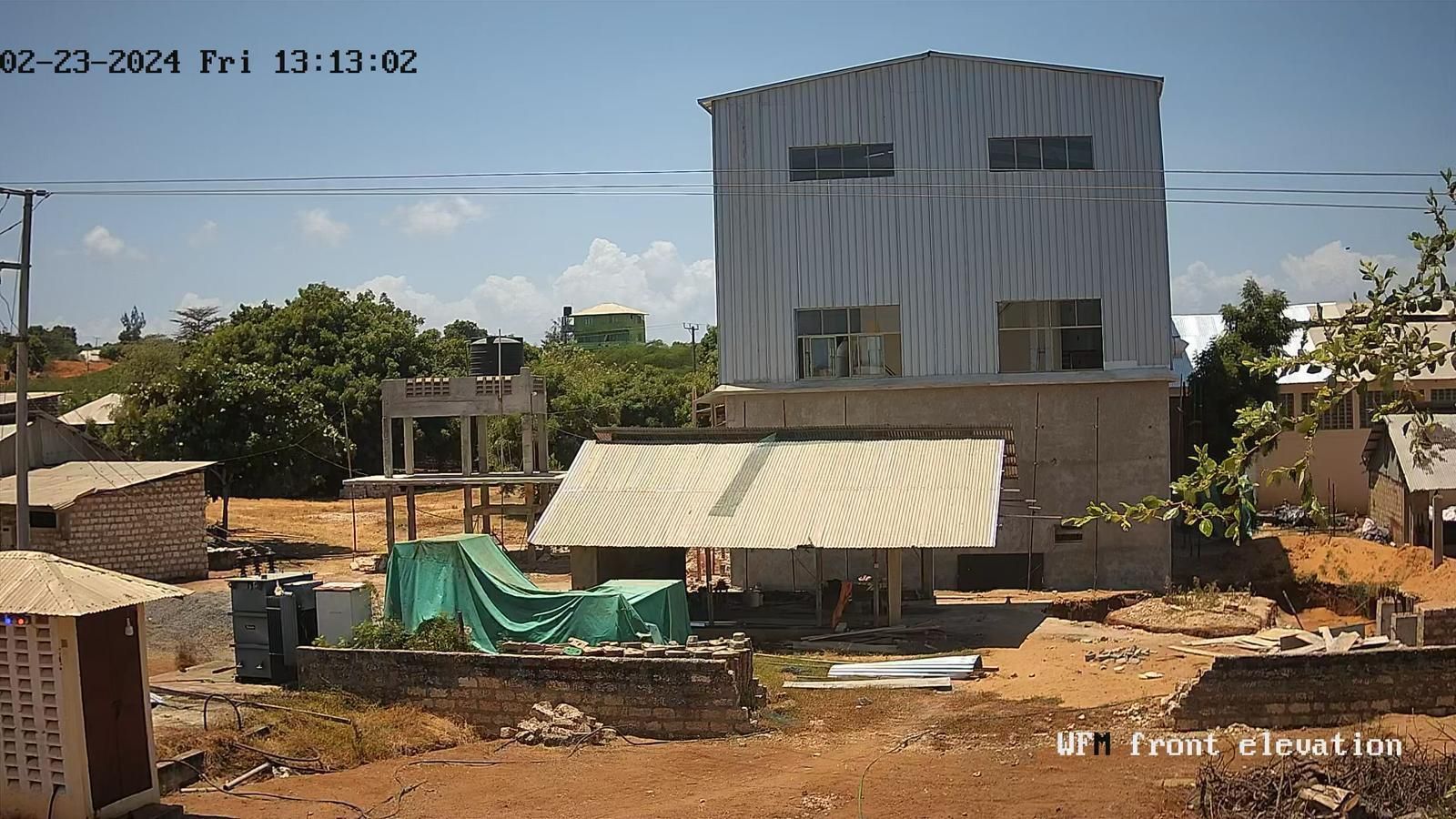
| Plant footprint | Usually more compact and easier to arrange in an existing workshop | Requires a larger production building, storage area, and material handling route |
| Electrical demand | Lower overall connected load and easier generator matching | Higher connected load and greater demand on the transformer or generator |
| Labor requirement | Smaller operating and maintenance team | More operators, packing workers, warehouse staff, and maintenance support |
| Automation potential | Can be semi-automatic or highly automated depending on the budget | Usually benefits from centralized control, automatic feeding, and automated packing |
| Investment pressure | Lower equipment, building, installation, and working capital burden | Higher capital requirement but stronger production potential |
| Expansion strategy | Can be expanded through additional sifters, packing units, storage, or a parallel processing section | Often planned as a long-term production platform with larger storage and distribution capacity |
| Risk if demand is weak | Lower risk of excessive idle capacity | Higher risk of underutilization and slow inventory turnover |
Manufacturers normally state capacity under defined conditions. Actual production can change when maize has high moisture, excessive impurities, damaged kernels, mixed varieties, or a different target flour fineness.
Before signing a purchase agreement, the buyer should provide the supplier with details about maize variety, moisture range, desired extraction rate, flour fineness, packaging size, and expected working hours. Xingfeng can use these details to prepare a more practical equipment configuration instead of relying only on a general capacity label.
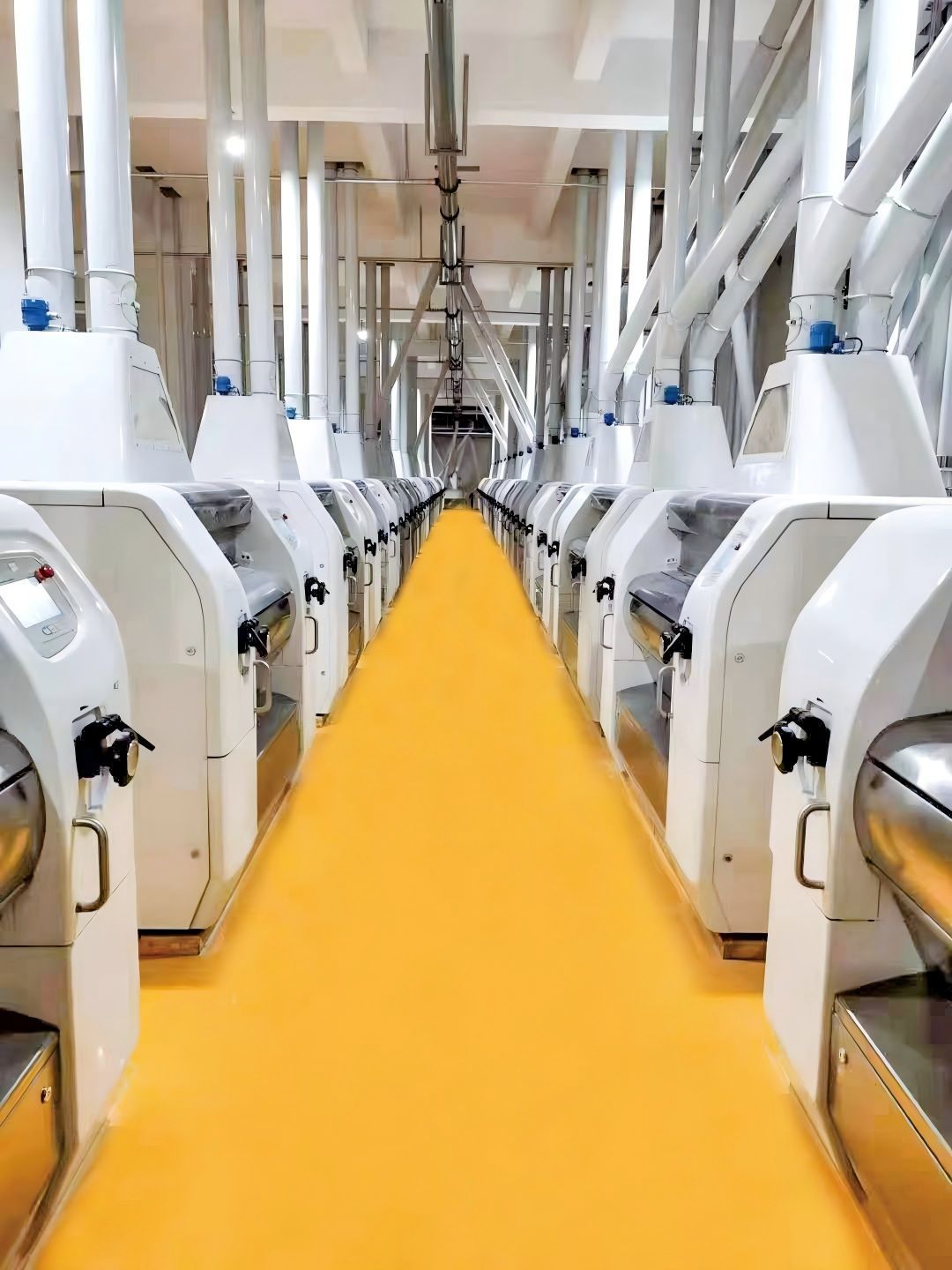
The smaller plant can often fit into a more compact building, but compactness should not mean crowded equipment. Operators still need safe access for cleaning, inspection, belt replacement, roller adjustment, and bag handling.
A practical flow usually includes the following sections:
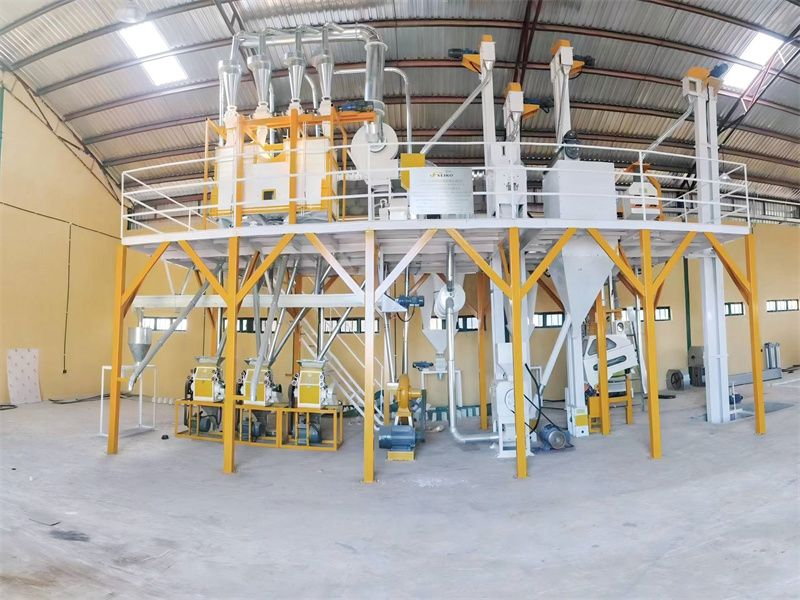
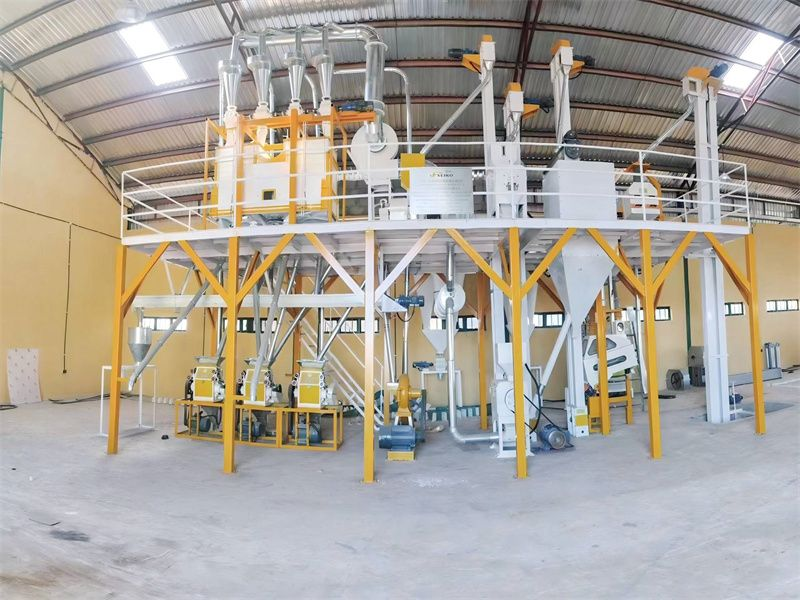
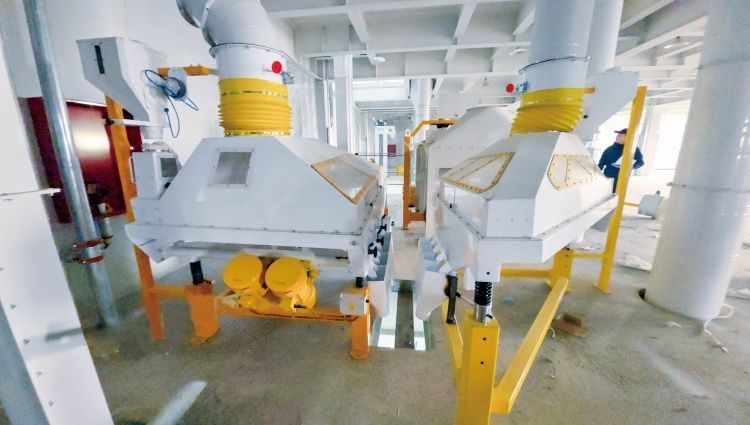
For a 30-50TPD plant, a compact linear or partially vertical arrangement can reduce conveying distance. The layout should still separate raw material traffic from finished-product traffic to reduce dust, cross-contamination, and unnecessary handling.
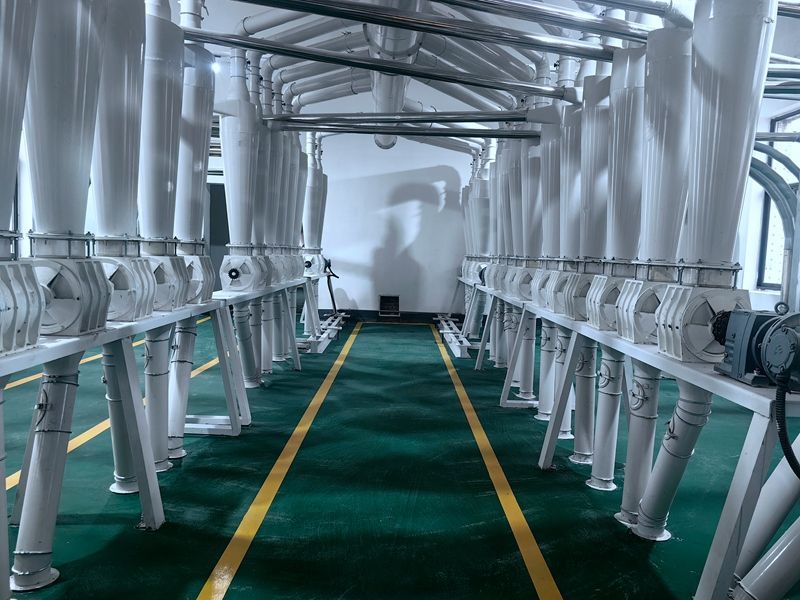
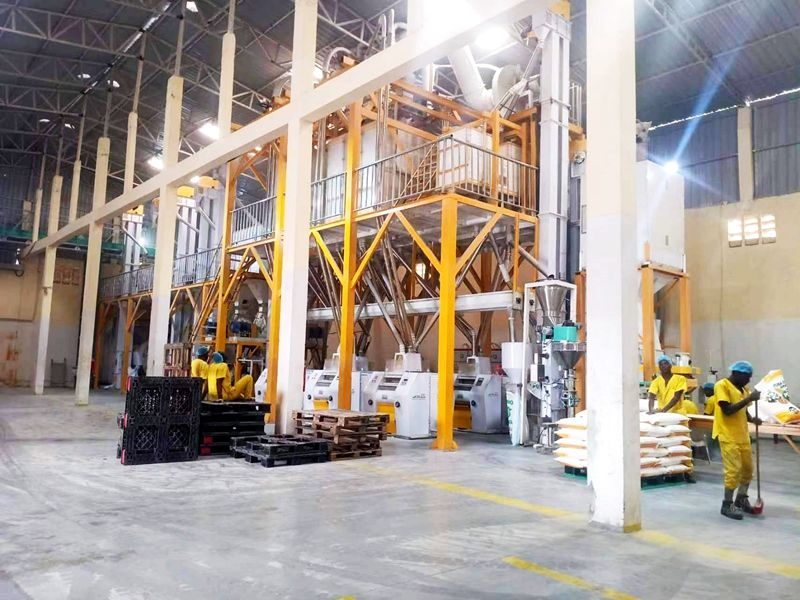
The larger plant needs more than additional milling machines. It requires a coordinated layout that prevents bottlenecks between cleaning, milling, sifting, packing, and storage.
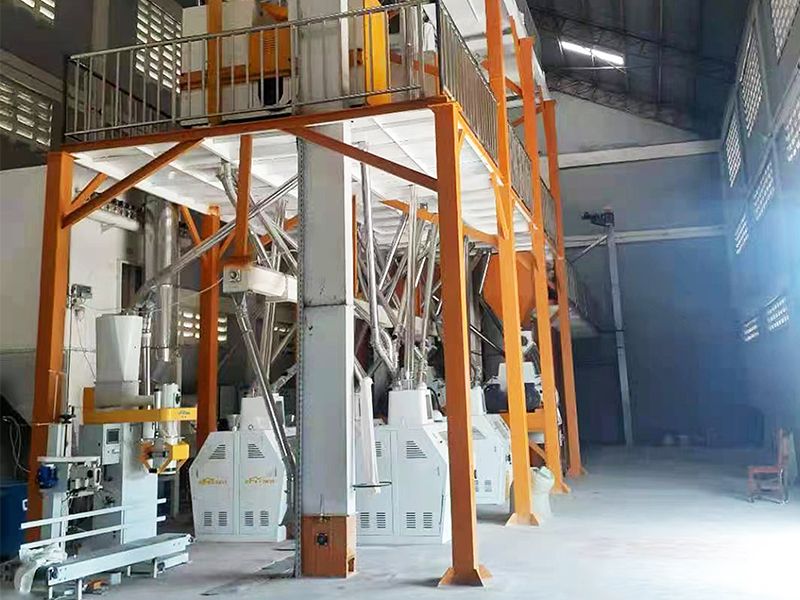
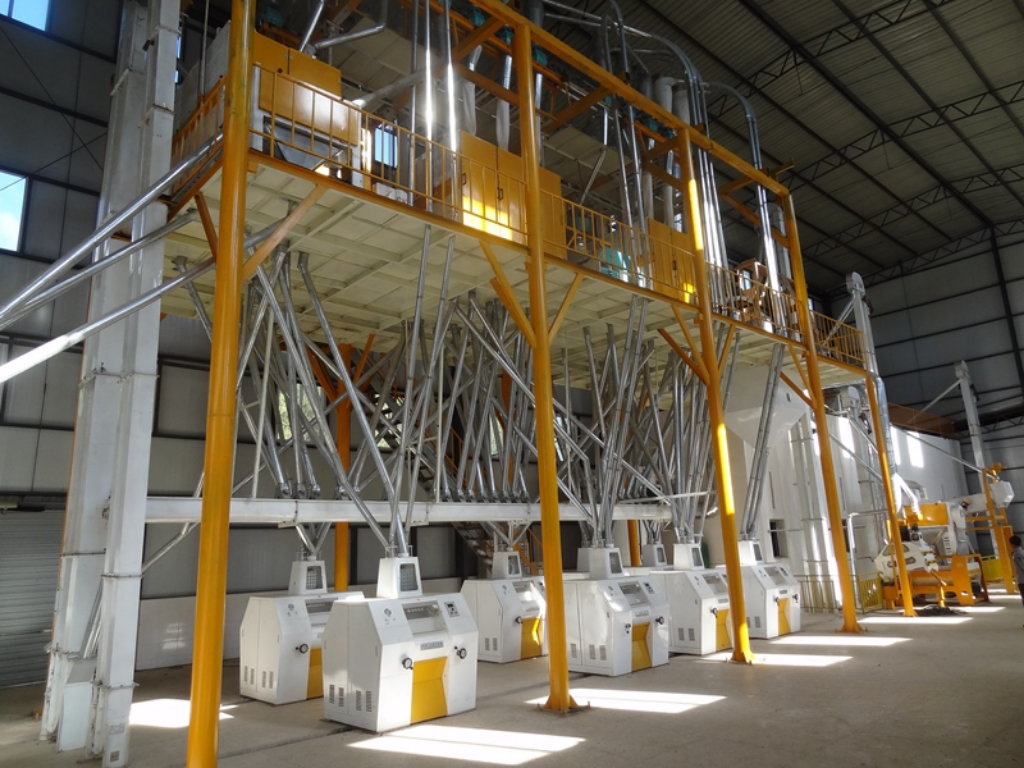
A vertical layout can save floor area and use gravity to move material between stages. It may reduce the amount of horizontal conveying, but it can increase building height, installation complexity, and maintenance difficulty.
A horizontal layout is often easier to inspect and modify. It may require more floor space and additional conveying equipment, but it can be more convenient for operators who need direct access to machines and packing areas.
The best choice depends on land cost, building height, local construction methods, labor skills, and expansion plans. The layout should be designed around a one-way material flow rather than arranged only according to machine appearance.
In commercial milling, a stable plant that operates close to its target capacity is often more profitable than a plant that reaches a high output briefly but suffers from blockages, uneven flour quality, or frequent stoppages.
During a normal production day, buyers should evaluate:
Maize flour plants do not use batteries in the same way as portable products. Their practical equivalent of battery life is power endurance: how reliably the plant can operate during long shifts, power interruptions, and generator use.
For this reason, the buyer should review:
The 30-50TPD plant generally places less pressure on the electrical infrastructure. It may be easier to support with a smaller generator, although the exact requirement depends on the final machine configuration.
The 50-80TPD plant can achieve better output per labor hour, but an unstable power supply can create larger losses because more equipment must be stopped and restarted. A planned power system, surge protection, automatic shutdown logic, and appropriate backup capacity become more important as the plant size increases.
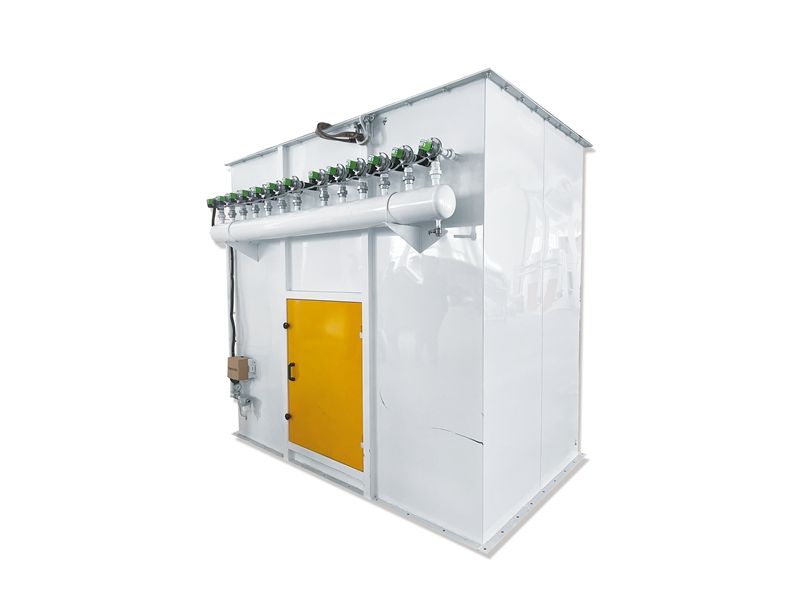
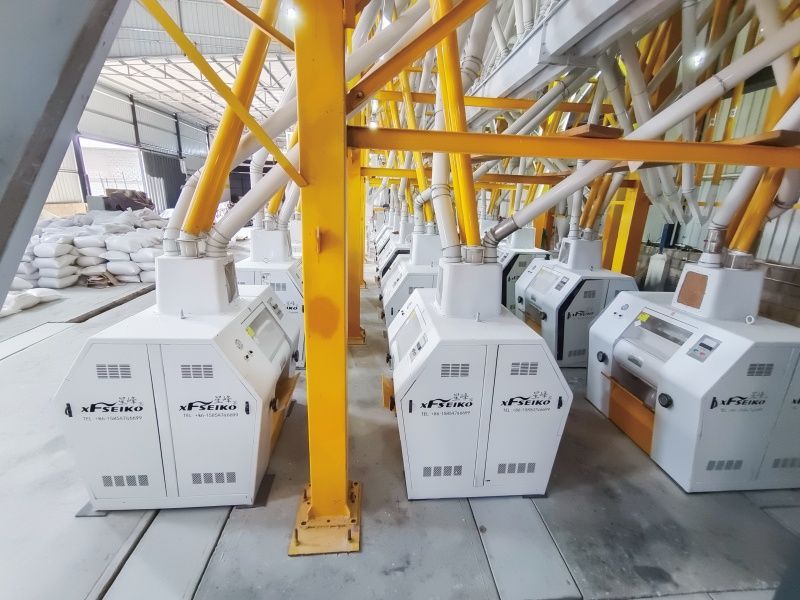
Maintenance performance is affected by design, not only by operator skill. Rollers, screens, bearings, belts, filters, and aspiration ducts should be accessible without dismantling unrelated equipment.
The 30-50TPD plant may be easier for a small team to maintain because it has fewer parallel machines. The 50-80TPD plant may provide more production redundancy if designed with parallel processing or spare capacity, but it also requires a more organized preventive maintenance program.
Buyers should test more than the highest output. They should check flour color, particle size, moisture, bran contamination, extraction rate, and packaging weight at low, normal, and high operating loads.
A useful acceptance test can include:
The initial investment for a 30-50TPD plant is usually easier to control because the buyer may need fewer machines, a smaller building, less storage, and a smaller electrical system. This can be important when financing costs are high or when the business is still developing its distribution network.
Its economic advantages may include:
The main economic limitation is that the cost per ton may not decrease as much as it does on a larger automated line. If the plant operates only a few hours per day, the fixed cost per ton can also become high.
A 50-80TPD plant can spread certain fixed costs across more tons of product. Packaging, laboratory control, warehouse management, and distribution may become more efficient when the production volume is high and consistent.
Its potential economic strengths include:
However, the larger plant can become expensive when it runs below its efficient utilization level. Interest on capital, maintenance, electricity, storage, labor, and unsold inventory continue even when sales are weak.
Maize milling revenue does not come only from refined flour. Bran, germ, grits, meal, and other fractions may have value in animal feed, food processing, brewing, or local trading markets.
Before selecting capacity, confirm:
The 30-50TPD option provides a balanced entry point for many regional milling businesses.
Advantages:
Disadvantages:
The 50-80TPD option is better suited to a mature business with confirmed sales channels.
Advantages:
Disadvantages:
This group should prioritize reliable operation, simple maintenance, product flexibility, and a layout that leaves room for future storage or packing expansion.
This group should prioritize automation, uptime, redundant material handling, electrical stability, preventive maintenance, and contract-based sales planning.
Future growth is a valid reason to select a larger line, but projected demand should be supported by evidence. Purchase orders, distributor agreements, historical sales, maize supply contracts, and warehouse plans are stronger indicators than general optimism.
If demand is expected to grow gradually, a 30-50TPD plant with an expansion-ready building may be safer. If major customers already require more than 50 tons per day and the power and storage systems are ready, a 50-80TPD plant may offer better long-term efficiency.
A low equipment price does not guarantee a low total project cost. Buyers should compare the complete supply scope, including steel structures, installation materials, electrical cabinets, conveyors, dust filters, packing equipment, commissioning, training, and spare parts.
When comparing Xingfeng with other suppliers, ask for a process flow, equipment list, layout drawing, utility schedule, production assumptions, and acceptance test method. The supplier should explain how the proposed line will respond to local maize quality, power conditions, labor availability, and product requirements.
Select a 30-50TPD Maize Flour Mill Plant when the business is entering the market, demand is regional, financing must be controlled, or the local power and logistics infrastructure is still developing. This option offers a practical balance between commercial output and manageable operating complexity.
Select a 50-80TPD plant when sales contracts, maize supply, warehouse space, electrical capacity, and technical staffing are already available. The larger line can deliver better scale efficiency, but only when it is operated consistently and supported by a dependable distribution system.
In the end, the best decision is not the plant with the highest stated capacity. It is the plant that can produce the required flour quality with stable uptime, controlled energy use, predictable maintenance, and a sales network capable of absorbing the output. For many developing businesses, the 30-50TPD Maize Flour Mill Plant is the safer starting point; for established processors with confirmed demand, the 50-80TPD option can provide stronger long-term production efficiency.
< Previous: None
> Next: 50TPD vs 60TPD Maize Flour Mill Plant: How to Choose the Better Output Level

August. 08, 2024
How to Use Wheat Flour Mill Plant Correctly?
This article provides a comprehensive guide on how to use a wheat flour mill plant correctly.

July. 07, 2024

March. 03, 2026

February. 02, 2024

January. 01, 2024

June. 06, 2025